When Should Buyers Use Low Volume Aluminum Casting Instead of CNC Machining?
When Should Buyers Use Low Volume Aluminum Casting Instead of CNC Machining?
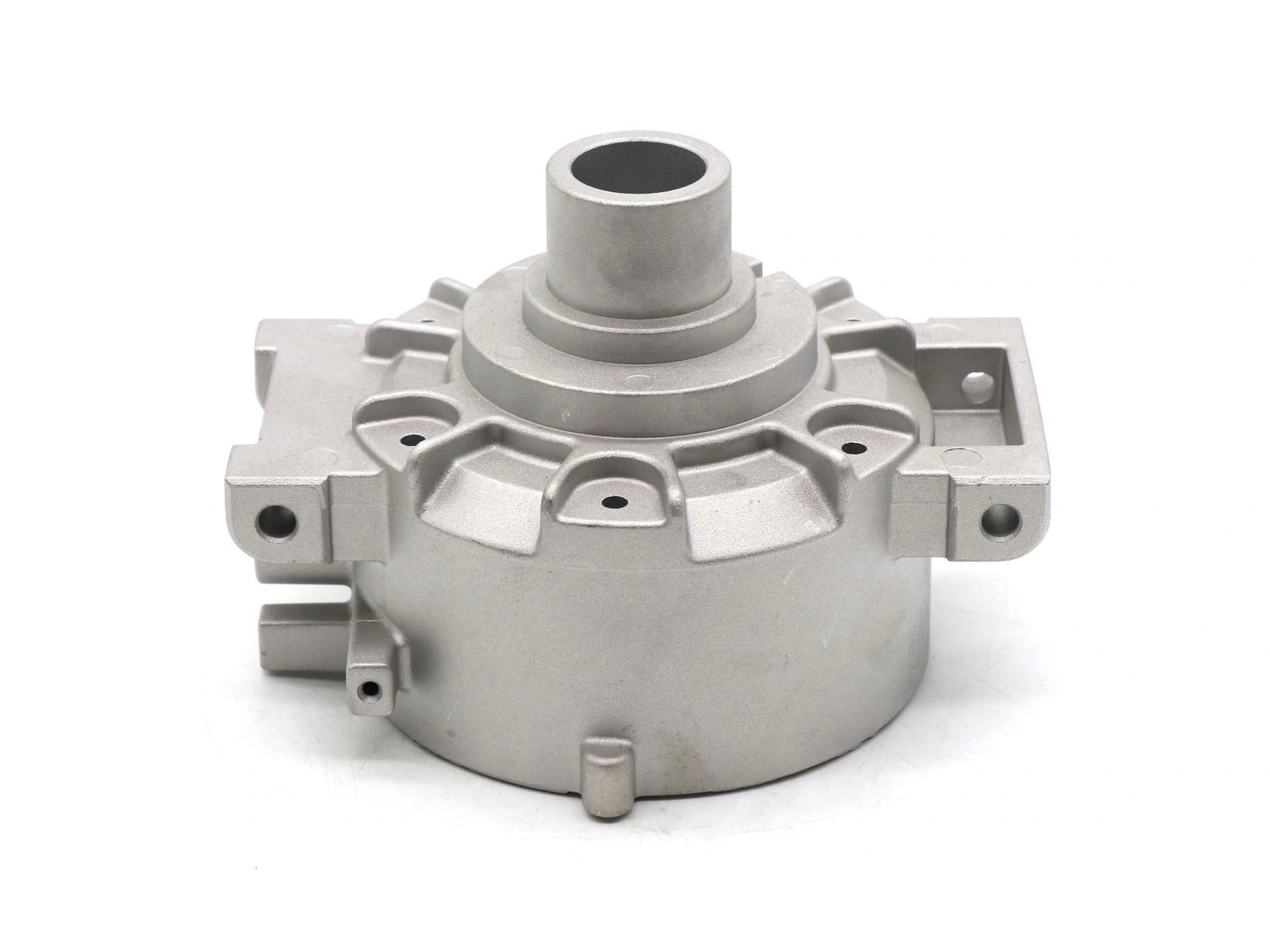
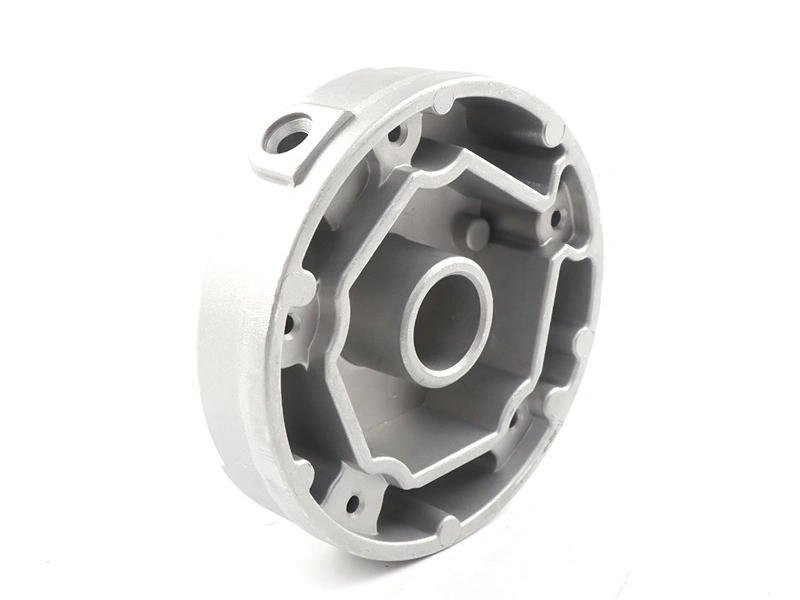
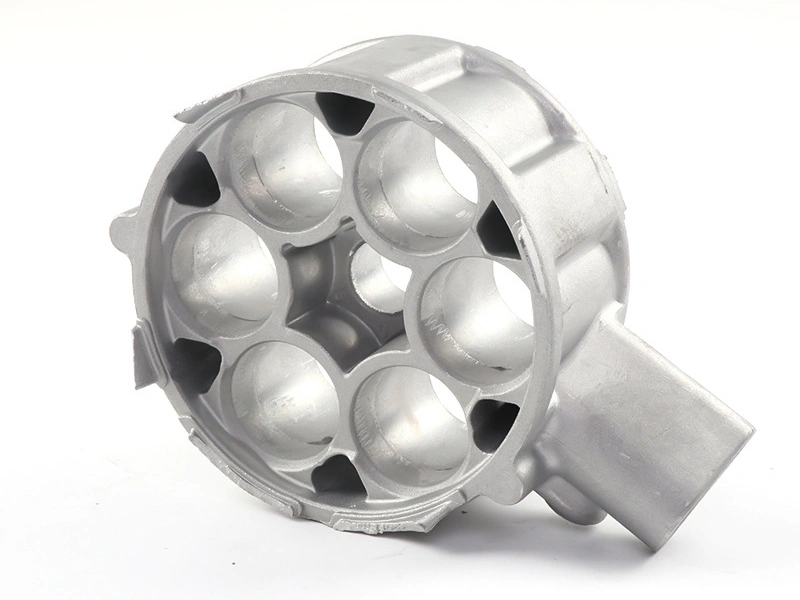
Buyers should use low volume aluminum casting instead of CNC machining when they need to validate cast aluminum geometry, reduce billet waste, test production-like wall thickness, confirm surface finishing on cast surfaces, or prepare for repeat production. CNC machining is often better for very small quantities, simple shapes and fast design changes. Low volume aluminum casting becomes stronger when the part has ribs, bosses, curved housings, thin walls, hollow forms or features that would be costly to machine fully from solid aluminum.
The decision should be based on what the buyer needs to prove. If the goal is only to confirm a general shape, CNC machining may be enough. If the goal is to understand casting behavior, machining allowance, porosity risk, coating result and future production cost, low volume casting gives more useful evidence.
For aluminum housings, brackets, covers, motor parts and industrial components, aluminum die casting may be evaluated once the design is stable enough to justify tooling review.
CNC machining often fits 1-20 changing samples, while casting becomes more useful when tens or hundreds of parts must prove real casting, machining and finish variation. The comparison should include tooling, material waste, cycle time and delivered-part scope. A raw casting price is not comparable with a finished CNC component.
For screening, CNC machining is often the fastest route for 1-20 parts when the design is still changing or selected dimensions need roughly +/-0.05 to +/-0.10 mm. Sand casting may become attractive around 5-500 pieces when cast behavior or material condition must be tested, and permanent mold routes often warrant review around 100-5,000 pieces. These are planning bands, not supplier MOQs; geometry, alloy, finishing and future demand can move the break-even point substantially.
When CNC Machining Is the Better First Step
CNC machining is usually better when the project needs only one or two parts, the geometry is simple, the design is not frozen, or the buyer needs quick dimensional samples before choosing a production route. CNC is also useful when every surface requires tight tolerance, when the part is machined from standard plate or bar stock, or when the buyer needs to test several design versions quickly.
The limitation is that CNC parts may not behave like cast parts. A fully machined aluminum sample does not show die casting fill, shrinkage, porosity, parting line, ejector mark, draft angle or cast surface finish. If the buyer approves only a CNC sample, production issues may appear later when the casting tool is built.
When Low Volume Aluminum Casting Is Better
Low volume aluminum casting is better when the part is intended to become a cast production component. It can validate wall thickness, ribs, bosses, near-net shape, casting surface, machining stock and finish behavior. It can also reduce cost when the geometry would waste too much aluminum if fully machined from billet.
The route is useful for pilot batches, bridge production, engineering validation, customer samples and early market supply. Buyers can test assembly fit, threaded features, sealing faces, coating, packaging and inspection before committing to larger production. This makes the low-volume stage a risk-control step instead of just a small order.
Decision Factor | CNC Machining Fits | Low Volume Aluminum Casting Fits |
|---|---|---|
Quantity | Very small sample quantity | Pilot batches or bridge quantities |
Design stability | Design still changing often | Design mostly stable |
Geometry | Block-like or plate-like parts | Ribs, bosses, housings and cast forms |
Validation need | Shape and dimension check | Castability, machining and finish validation |
Future plan | No clear production route yet | Likely repeat production or tooling path |
Using Both Routes in One Project
Many projects use both CNC machining and low volume casting. CNC samples can help the buyer check early fit, while low volume casting can test production-like behavior after the design is more stable. This staged approach avoids spending on tooling too early while still preventing late surprises before production.
When low volume castings still need holes, threads, bores or sealing faces, CNC machining remains part of the route. The goal is not to remove machining completely. The goal is to cast the main form efficiently and machine only the features that need precision.
Buyer Recommendation
Buyers should compare CNC machining and low volume aluminum casting using the final production goal. If the part will remain a one-off or simple low-quantity component, CNC may be the cleaner choice. If the part is expected to become a repeat aluminum casting, low volume casting can provide better production evidence.
Neway can review the part geometry, quantity, material, tolerance, finishing and future demand to recommend whether CNC machining, low volume aluminum casting or a staged route is more practical. The best choice is the route that answers the buyer's next manufacturing decision, not only the route with the lowest first sample price.
RFQ Information for a Fair Comparison
To compare the two routes fairly, buyers should send the same 3D model, drawing, material requirement, quantity, finish requirement and inspection notes for both quotes. If one supplier quotes only a machined blank and another quotes a cast, machined and finished component, the prices cannot be compared directly.
Buyers should also explain whether future production is expected. If the project may scale, low volume aluminum casting can provide useful tooling and process data. If the project will stay at a few pieces, CNC machining may remain the more flexible choice.
The decision should be documented after sample approval. If the buyer starts with CNC and later moves to casting, the team should record what must change: draft, wall thickness, machining allowance, surface finish and inspection method.