Which aluminum alloys are best for smartphone or smartwatch enclosures?
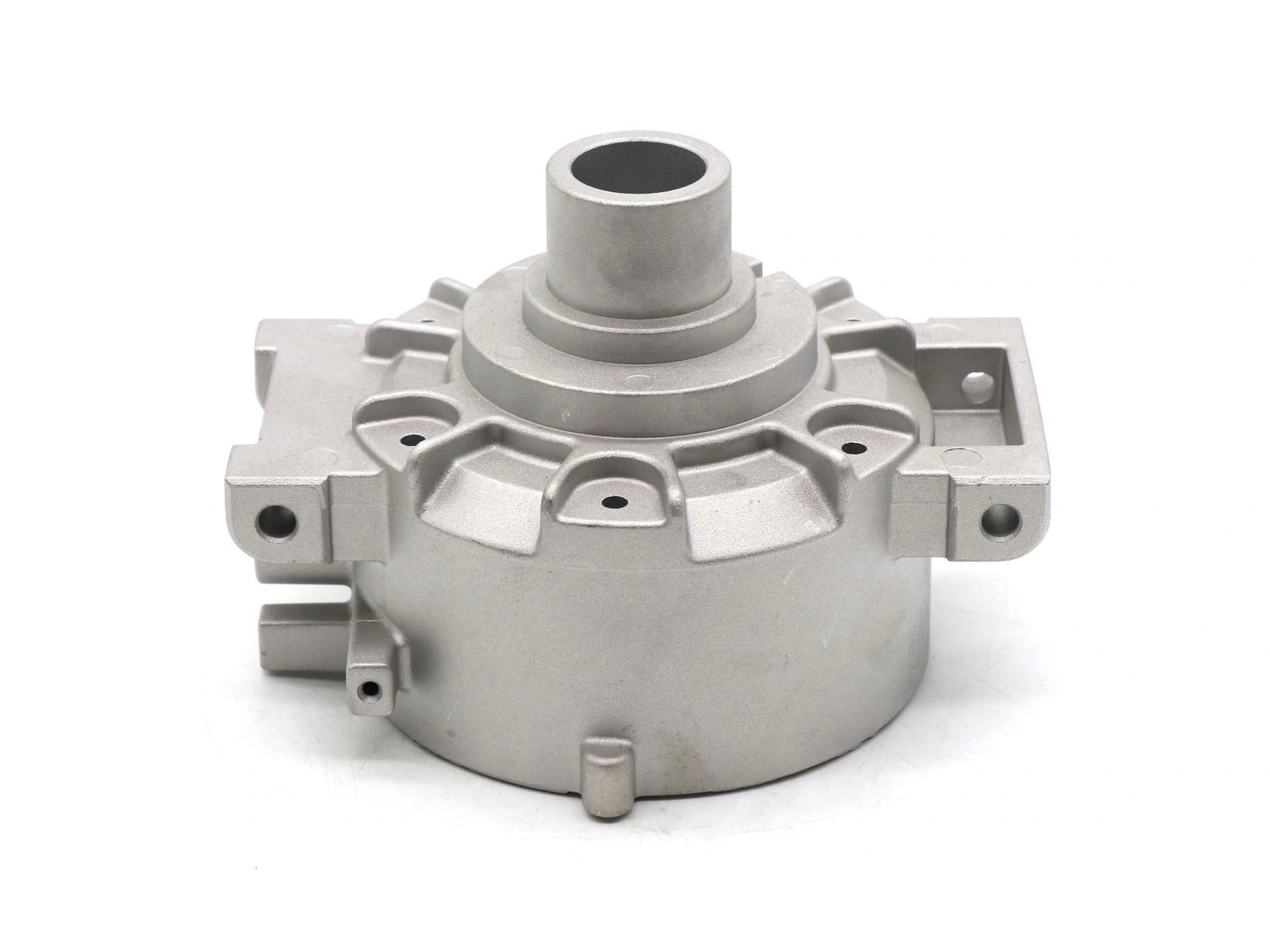
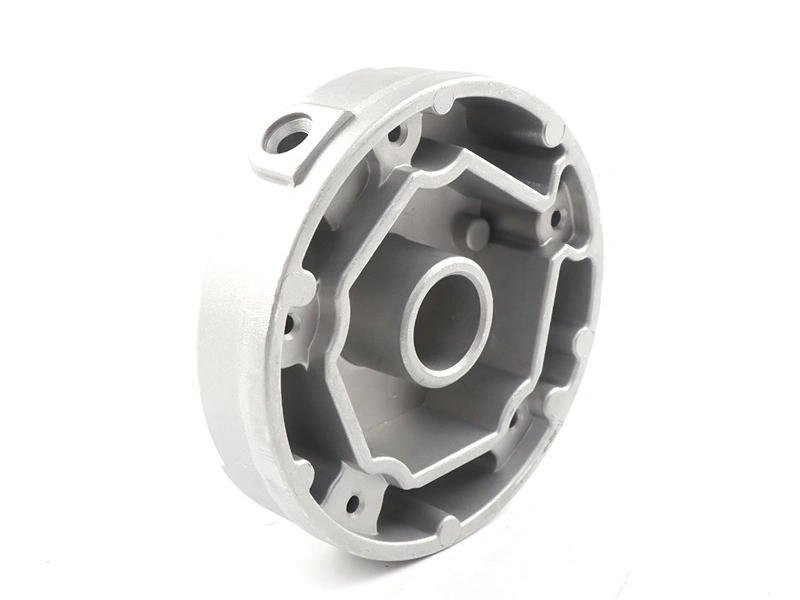
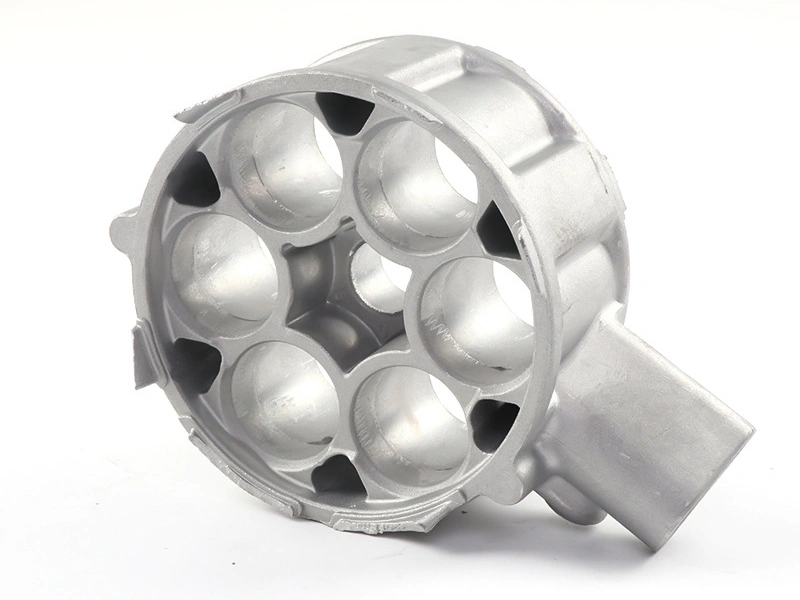
No aluminum die casting alloy is automatically best for a smartphone or smartwatch enclosure. A380, ADC12/A383-type, A360, and AlSi12 variants can be screened for internal frames, mid-frames, mounts, covers, and selected exterior structures where high-pressure casting integration is valuable. A premium visible exterior may instead favor machined wrought aluminum, stainless steel, polymer, ceramic, glass, or a hybrid because antenna transparency, decorative anodizing, skin contact, mass, sealing, scratch visibility, and edge definition can dominate. Select the product architecture first, then the exact alloy and route.
Decide whether the metal is exterior or internal
An internal mid-frame can support PCB, battery, cameras, display, buttons, connectors, grounding, and heat spreading while remaining hidden. It can tolerate a different casting signature and surface system than an exterior watch body or phone frame. Exterior A-surfaces need color/gloss harmony, tactile edges, skin/sweat resistance, scratch behavior, antenna breaks, glass bonding, and repair decisions.
Define product mass, display/glass, battery, wireless charging, speakers/microphones, buttons, ports, seals, straps, sensors, and service. A smartwatch body has skin contact, sweat, compact antennas, seals, strap loads, and sensor windows; a phone mid-frame has larger display bonds, camera/connector stacks, hand-loaded antennas, and bending/drop loads.
Screen high-pressure alloys for integrated frames
A380 and ADC12/A383-type alloys are practical screening choices for integrated high-pressure cast geometry. A360 or AlSi12 variants may be considered for specific flow, corrosion, integrity, or section needs. Exact designation, chemistry, machine/tool concept, machining, and final finish should be qualified for the part.
AlSi10Mg-type names must include a standard and process route. Material behavior from gravity casting or additive manufacturing cannot be assigned to conventional high-pressure die casting. Likewise, high-silicon die cast substrate should not be promised to deliver the same clear decorative anodized appearance as a selected wrought aluminum.
Coordinate material with antennas and wireless charging
Aluminum conducts and can support EMI shielding and grounding, but it also blocks or detunes cellular, Wi-Fi, Bluetooth, GNSS, NFC, and other antennas. Metal breaks, polymer windows, isolated segments, ground design, matching, display, battery, hand/wrist loading, strap, and regional band variants must be developed together. A full metal shell may be unacceptable regardless of its strength or finish.
Wireless charging and NFC add coil alignment, ferrite/shielding, eddy-current heating, metal clearance, temperature, and foreign-object considerations. Validate charging efficiency, heat, communication, and safety in the complete device and accessory ecosystem.
Match the surface to premium appearance and skin use
Paint, powder, conversion, plating, PVD on suitable intermediate systems, polishing, blasting, laser marking, and anodizing where substrate and appearance permit offer different signatures. Validate color, gloss, texture, edge coverage, fingerprints, sweat, cosmetics, cleaners, UV, wear, scratches, and corrosion on production-intent castings.
For skin-contact or wearable zones, the product owner must define applicable substance, sensitization, irritation, and market requirements for the complete surface stack and worn condition. The base alloy name does not establish user safety. Consider coating damage, exposed substrate, mating metals, chargers, straps, and cleaning instructions.
Compare product architecture options
Architecture | Potential value | Main verification burden |
|---|---|---|
Hidden die cast mid-frame | Integrated mounts, heat spreading, grounding and repeat geometry | Board/glass stress, antennas, thermal, drop and assembly |
Visible die cast exterior | Integrated form and potentially fewer parts | Cast signature, premium finish, RF windows, skin and wear |
Wrought/machined exterior plus cast inner | Exterior finish with internal integration | Joint, galvanic couple, tolerance stack, mass and service |
Polymer/composite exterior plus metal chassis | RF transparency, touch control and styling | Bonding, thermal path, shielding, drop and recycling |
Validate the selected alloy and route
Protect the battery and internal electronics during drop, crush, bend, charging, and repair. Alloy strength cannot compensate for sharp ribs beside a cell, a long service screw, conductive debris, poor insulation, or insufficient swelling clearance. Inspect hidden boss cracks, fastener movement, glass stress, board contact, and battery deformation after mechanical tests.
Commercial conditions affect the architecture. A dedicated multi-slide exterior tool, high cosmetic fallout, color lots, antenna-window assembly, machining, polish, and finish can outweigh nominal casting speed. Compare saleable finished devices across demand, variants, launch changes, capacity, repair, and warranty. A cast mid-frame plus another exterior may be lower risk than a one-piece visible shell.
Treat alloy, ingot source, melt practice, casting route, heat treatment if any, and surface stack as controlled product inputs. A substitution that looks similar can alter RF grounding, machining burrs, color, corrosion, wear, or skin exposure. Require technical comparison and affected product revalidation before approval.
Use production-intent parts to assess fill, porosity/oxide risk by functional zone, dimensions, machining, surface appearance, corrosion, thermal, EMI/RF, wireless charging, ingress, drop/twist, button/port cycles, glass/bond, battery protection, skin/contact, and saleable yield. One cosmetic coupon cannot represent the full enclosure geometry.
Send product role, antenna/RF architecture, display/battery/board stack, use environment, skin zones, ingress and drop claims, mass, cosmetic boundary samples, finish, demand, variants, and service in the RFQ. The best alloy is the one that supports the selected enclosure architecture and passes complete-product evidence; sometimes the correct answer is not a die cast exterior.