Which Casting Aluminum Alloys Fit Strength, Weight and Corrosion Requirements?
Which Casting Aluminum Alloys Fit Strength, Weight and Corrosion Requirements?
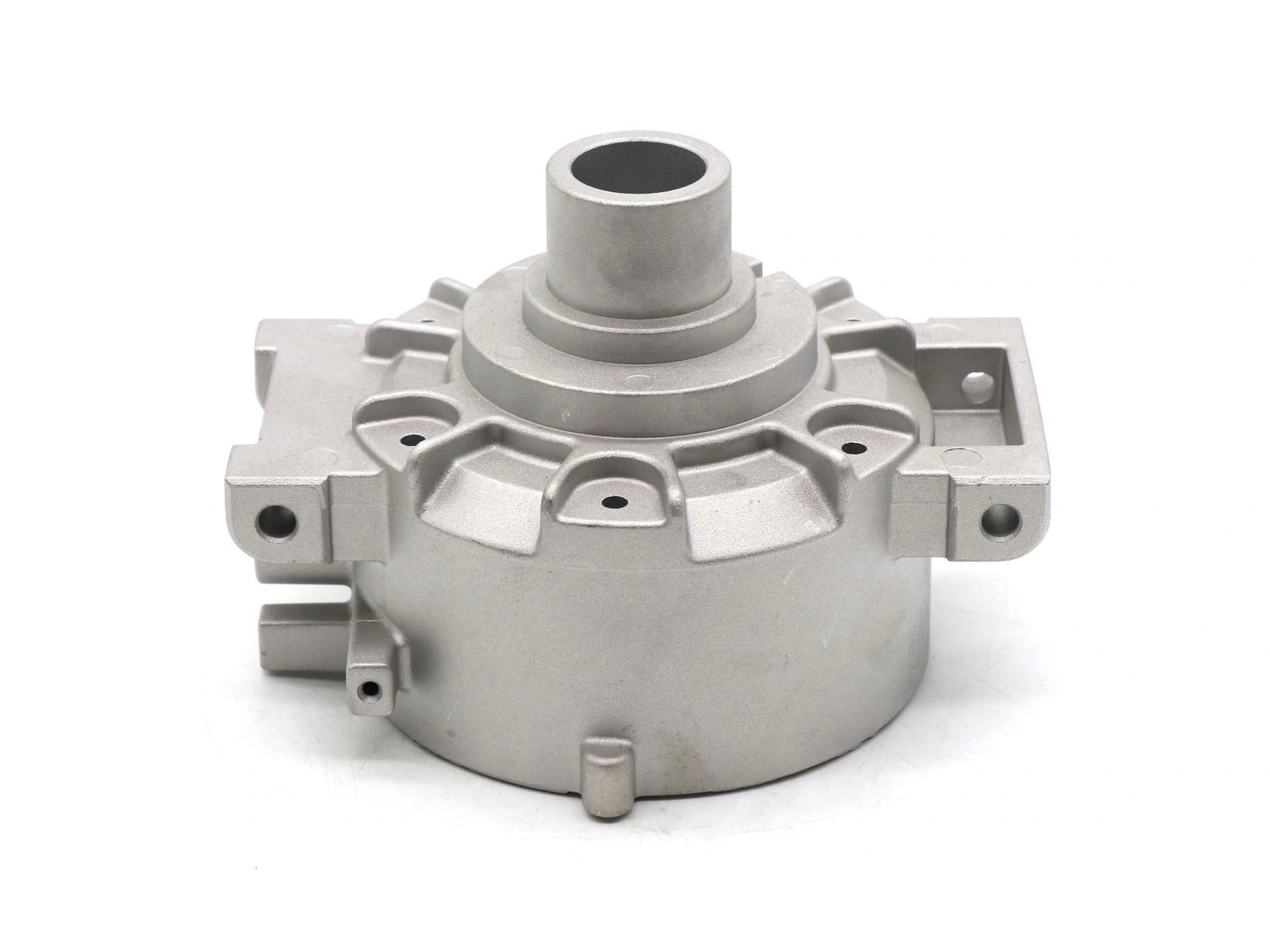
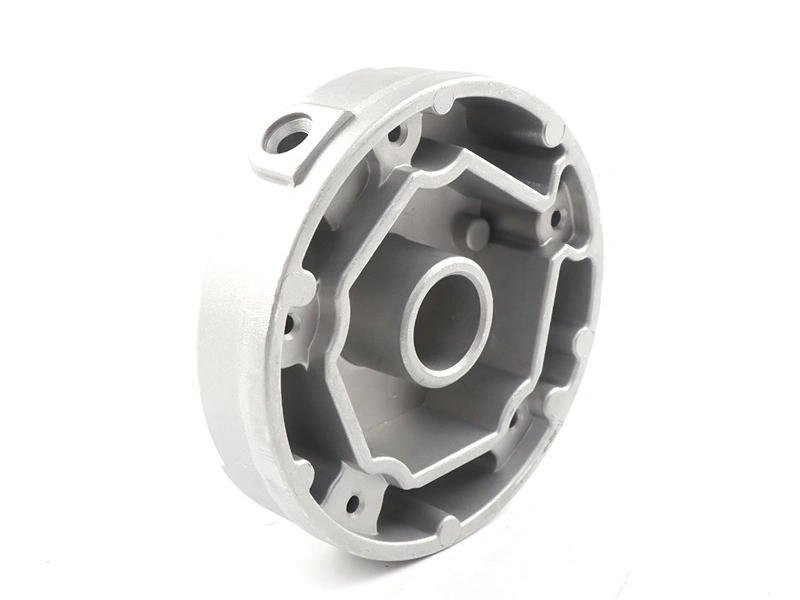
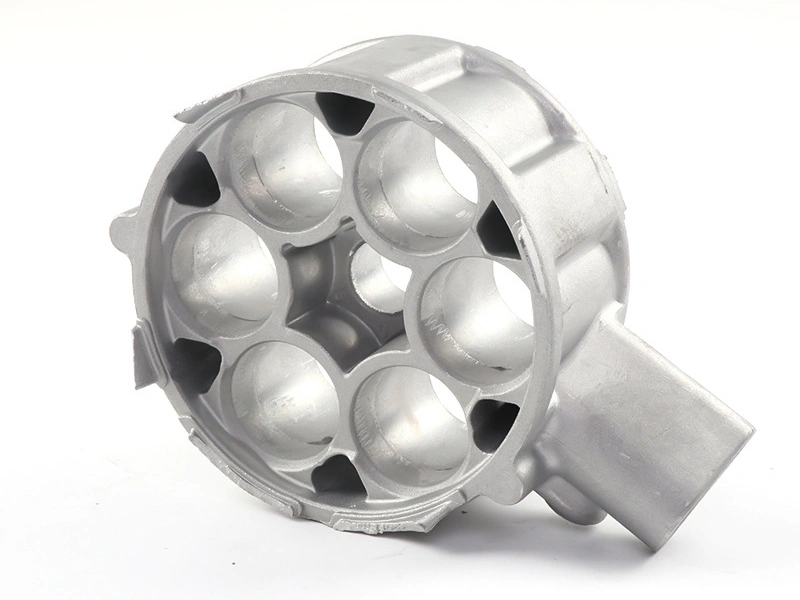
Casting aluminum alloys fit strength, weight and corrosion requirements differently, so buyers should first define which requirement matters most. A360 may be reviewed when corrosion resistance or pressure-tight direction is important. A380 may be reviewed for many general aluminum die casting parts because it offers a practical commercial balance. ADC12 may be reviewed when the supply chain, drawing standard or established production route points to it. A356 may be reviewed in suitable casting routes where strength and heat treatment direction matter.
Aluminum alloys are usually selected because they help reduce weight compared with heavier metals, but weight is only one factor. A lightweight part can still fail if wall thickness is too thin, bosses are weak, coating is wrong or critical features are not machined properly. The buyer should balance strength, castability, corrosion protection, machining and cost together.
For available material directions, buyers can review Neway aluminum alloys before narrowing the selection.
Typical die casting tensile ranges overlap from roughly 280-330 MPa across common A360, A380, A413 and ADC12 directions. That overlap means a corrosion, pressure or finish requirement may be more decisive than nominal strength. Buyers should identify the actual failure mode and request the corresponding real-part test.
Strength Requirements
Strength depends on alloy, casting quality, wall thickness, ribs, bosses, load paths and post-processing. Buyers sometimes expect alloy selection alone to solve structural risk, but design is equally important. A stronger alloy direction may not fix a poorly supported boss or a thin wall in a high-load area. The supplier should review both material and geometry.
If the part is a bracket, motor cover, machine component or automotive part, the buyer should provide load direction, mating components and assembly conditions. If testing is required, it should be defined before tooling. This helps the supplier choose a realistic alloy direction and design review plan.
Weight Requirements
Aluminum casting is often chosen to reduce weight, but the casting still needs stable walls and enough structure. Removing material too aggressively can create filling problems, weak areas, porosity or warpage. The buyer should use ribs and geometry to support stiffness rather than simply reducing every wall thickness.
Weight-sensitive projects should also compare aluminum with zinc, steel or plastic alternatives based on function. Aluminum can be a strong choice for housings, covers, brackets and thermal structures, but the exact alloy should still match corrosion, strength and finish requirements.
Requirement | Alloy Direction to Review | Buyer Risk |
|---|---|---|
General strength and cost balance | A380 or ADC12 direction may be reviewed | Do not ignore finish or corrosion needs |
Corrosion-sensitive use | A360 direction may be reviewed | Finish and environment still need validation |
Pressure or sealing risk | A360 or A413 direction may be reviewed | Porosity and leak testing must be controlled |
Strength and heat treatment direction | A356 direction may be reviewed in suitable routes | Process type and heat treatment need confirmation |
Corrosion Requirements
Corrosion requirements should be reviewed with both alloy and surface finishing. A360 may be useful for corrosion resistance direction, but a protective finish may still be needed depending on environment. Powder coating, painting, chromate conversion, clear coating or other finishes may be considered based on exposure and appearance expectations.
The buyer should describe the environment instead of only saying corrosion-resistant. Indoor humidity, outdoor rain, salt spray, chemicals and heat create different risks. If the part is used outdoors or near moisture, finish samples and corrosion-related tests may be needed before production release.
How to Avoid Over-Specifying
Over-specifying an alloy can add cost, reduce supply flexibility or create unnecessary quoting delays. Buyers should avoid choosing a premium material direction when the part is a simple indoor cover with no special exposure or sealing requirement. The supplier should be allowed to explain practical alternatives if the drawing allows them.
How to Avoid Under-Specifying
Under-specifying can be just as risky as over-specifying. A drawing that only says aluminum casting may not protect corrosion resistance, pressure-tight performance, machining behavior or customer standards. If the part is used outdoors, seals fluid, supports load or requires a critical coating, the buyer should define the requirement clearly before the supplier chooses the alloy.
A good way to avoid under-specifying is to describe the application and acceptance test. Instead of only asking for a strong alloy, state the load or assembly condition. Instead of only asking for corrosion resistance, state the environment or finish requirement. This gives the supplier enough information to recommend a suitable alloy and process route.
How to Confirm the Choice With Samples
The selected alloy should be confirmed with samples that represent the final route. If the part needs strength, inspect critical dimensions and assembly areas. If the part needs corrosion protection, approve the finish sample. If the part needs sealing, review machined sealing faces and leak-related checks. If weight matters, confirm that the final wall thickness still supports casting stability.
Samples should not only prove that one part can be made. They should show whether the alloy, tooling, machining and finish can repeat in a small batch.
At the same time, buyers should not under-specify critical parts. If a part seals fluid, supports a load or faces outdoor exposure, the material and finish should be chosen carefully. Neway can help connect casting aluminum alloys with aluminum die casting, CNC machining and finishing so the final choice matches the real requirement.