Which Process Records Must Survive a Low Volume Aluminum Casting Scale-Up?
Which Process Records Must Survive a Low Volume Aluminum Casting Scale-Up?
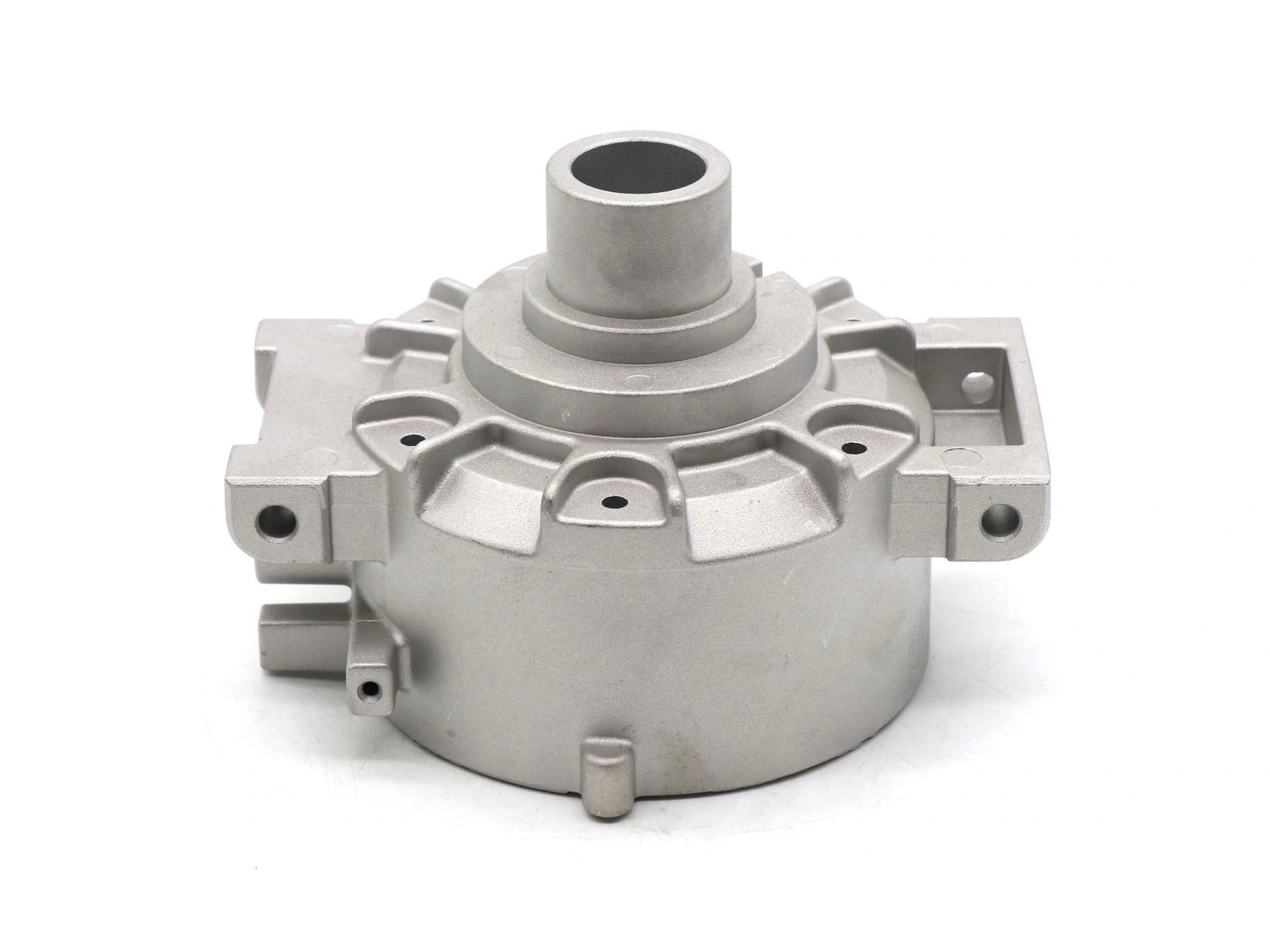
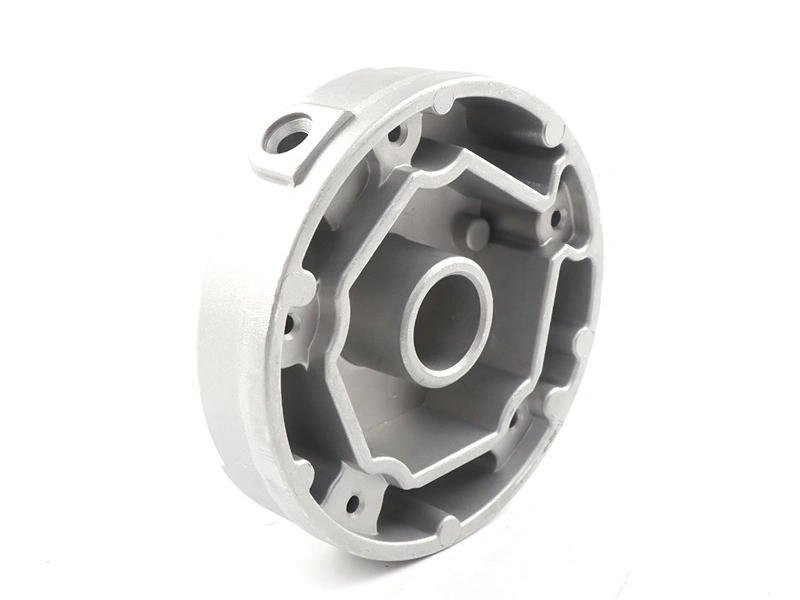
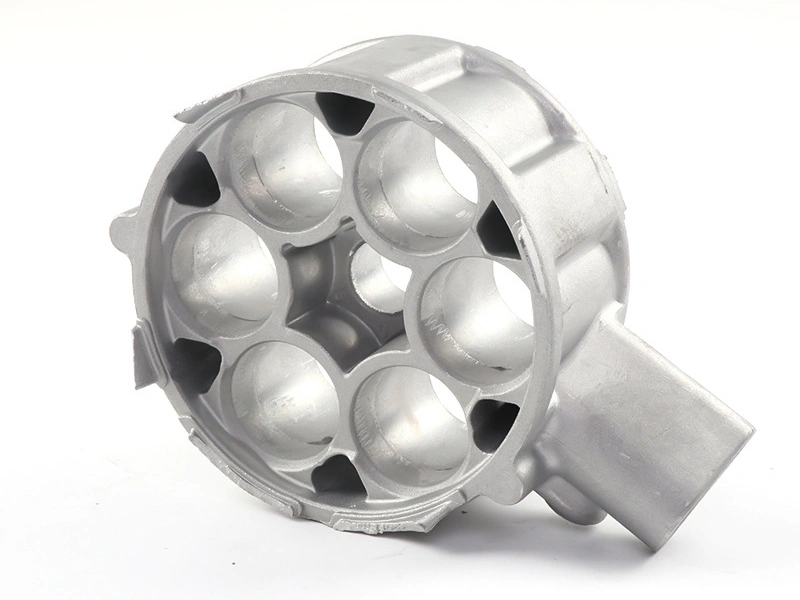
A low volume aluminum casting scale-up must preserve the approved alloy specification, tool revision, casting risk map, machining datum scheme, fixture setup, finish master, inspection method and packaging standard. Losing any of these records can make the production supplier recreate decisions that were already proven in the pilot. The transfer package should show both the accepted result and the process condition that produced it.
A pilot batch is valuable because it shows what works and what must be changed. It may reveal tooling adjustments, machining fixture changes, porosity-sensitive areas, coating defects, inspection gaps or packaging damage. These findings should become part of the approved mass-production specification before larger orders begin.
For buyers moving toward mass production, the low-volume stage should be treated as a controlled validation step rather than a separate one-time order.
Scale-up records should include alloy standard, tool revision, process route, machined datum, finish master and inspection method. A pilot lot can show variation, but capability targets such as Cpk 1.33 should be applied only after enough stable production data exists. Early release should rely on first-article and batch evidence.
Before scaling, inspect a consecutive pilot lot rather than a single corrected sample. Depending on risk, 20-100 pieces can expose variation in casting cleanup, machined datums, coating and assembly; the buyer should set the exact quantity and critical-characteristic list. ASTM B26/B26M, ASTM B108/B108M or ASTM B85 should follow the chosen production route, and any Cpk target should identify the feature, sample size and minimum value instead of applying one number to the whole part.
What Should Be Locked Before Scaling?
Before scaling, buyers should lock the approved drawing revision, material grade, tooling version, casting parameters, CNC fixture route, inspection checklist, finish sample and packaging method. If any of these items remain unclear, the larger production run may repeat unresolved pilot problems.
The approved sample should be supported by records. A sample without data can create disputes later because the supplier and buyer may remember the approval differently. Dimensional reports, finish photos, inspection notes, leak test results and packaging standards help keep repeat orders consistent.
Scale-Up Item | What to Confirm | Production Output |
|---|---|---|
Material | Grade, standard and batch record | Material control record |
Tooling | Tool version, maintenance and changes | Approved tool-history file |
Casting | Parameters, defects and trial results | Pilot batch report |
Machining | Fixture, datums, program and inspection | Machining standard |
Finishing | Color, texture, masking and defect limits | Approved finish sample |
Packaging | Protection, label and shipping method | Delivery standard |
Tooling Review Before Production Release
The low-volume tool may not always be the final production tool. Buyers should confirm whether the same tool can support larger quantities or whether production tooling is needed. If the low-volume run used prototype tooling or simplified tooling, the data may need to be transferred carefully to a more durable tool.
Tooling review should include gate location, venting, cooling, ejection, parting line, cosmetic surfaces and machining allowance. If the pilot batch required tool changes, those changes should be documented before production starts.
Machining and Finishing Transfer
CNC machining and surface finishing often create scale-up risk. A fixture that works for ten parts may not be efficient or stable enough for hundreds or thousands. A coating sample that looks good once may not define defect limits clearly enough for repeat production. Buyers should review machining cycle, inspection frequency, masking method, coating thickness and packaging protection.
If the part has sealing faces, threads, bores or datum surfaces, post machining records should be part of the scale-up package. The final part should be approved after machining and finishing, not only as a raw casting.
Buyer Recommendation
Buyers should treat low volume aluminum casting as the bridge between product validation and stable supply. The pilot batch should answer whether the design, material, tooling, machining, finish, inspection and packaging can repeat. If it does not answer those questions, scaling may create avoidable cost and quality problems.
Neway can support low volume aluminum casting projects through material review, tooling planning, CNC machining, surface finishing, inspection and production release documentation. This helps buyers move from small batches into repeat production with clear standards and fewer uncontrolled changes.
Common Mistakes During Scale-Up
One common mistake is scaling too quickly after one good sample. A single approved part does not prove that the casting, machining and finishing process is stable. Buyers should review a pilot batch and inspect variation before releasing larger quantities.
Another mistake is changing the tooling or material without revalidating the finished part. If production tooling replaces prototype tooling, the buyer should confirm dimensions, surface quality, machining allowance and finish again. If a material is substituted, machining and coating behavior may change.
A third mistake is leaving packaging until the end. Low-volume samples may be hand-carried or packed carefully, while mass production requires repeatable protection. Scratched coating, dented edges or mixed labels can turn good parts into rejected deliveries.
Buyers should make scale-up decisions from records, not assumptions. The pilot batch should produce the evidence that controls the next order.
Mass Production Readiness Check
Before mass production starts, buyers should confirm that the supplier has a stable material source, released tooling, approved machining fixture, defined inspection frequency and accepted finish sample. They should also confirm that packaging can protect the actual finished part, not only the raw casting.
The readiness check should include open issues from the low-volume run. If a pilot batch had porosity, coating defects, thread burrs or dimensional drift, the correction should be verified before scale-up. Unclosed pilot issues usually become larger production problems.
Buyers should also define who approves future changes. Material, tooling, machining, finishing and inspection changes should not be made silently after mass production release.