Which Supplier Capabilities Reduce Aluminum Die Casting Project Risk?
Which Supplier Capabilities Reduce Aluminum Die Casting Project Risk?
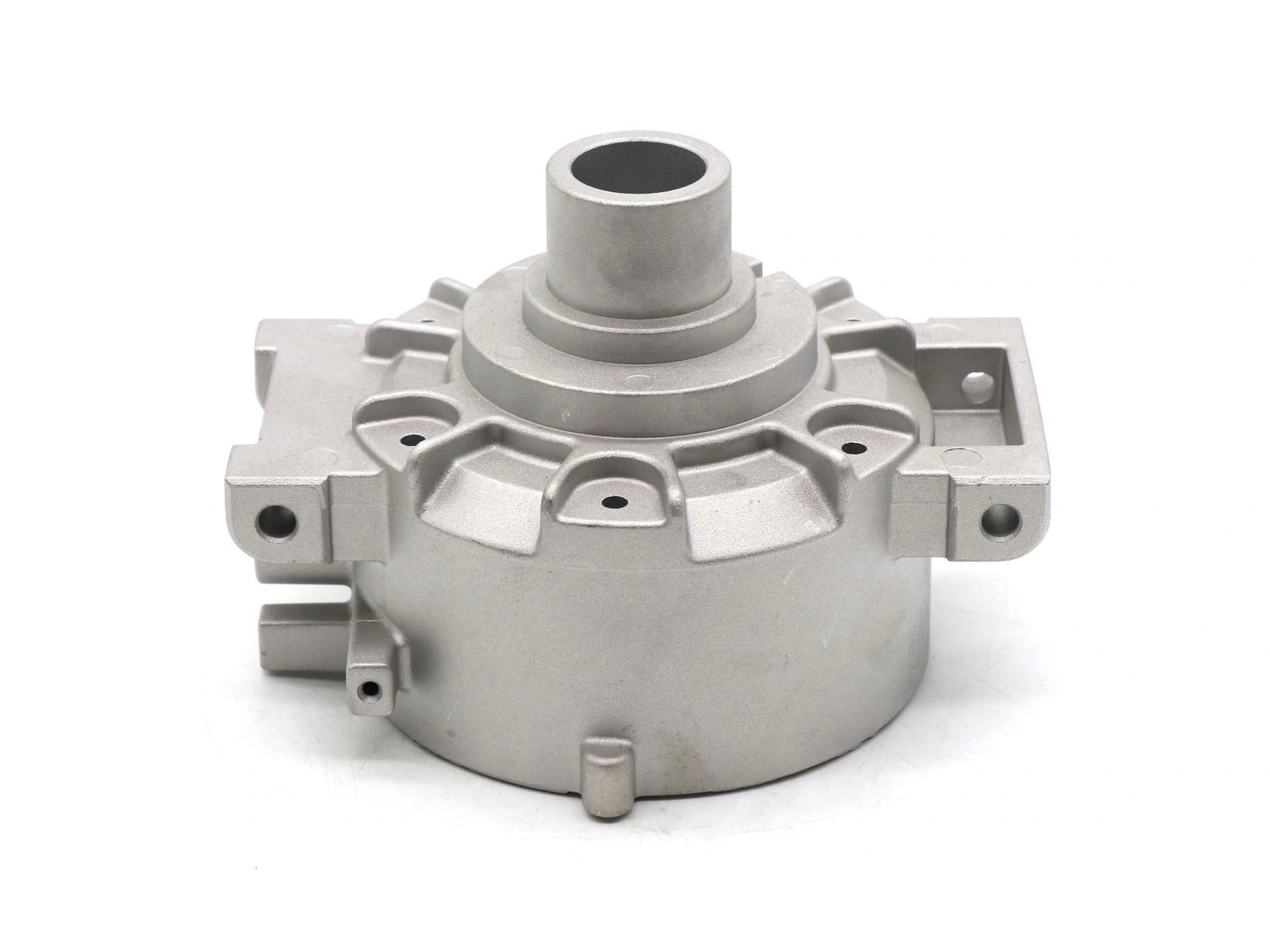
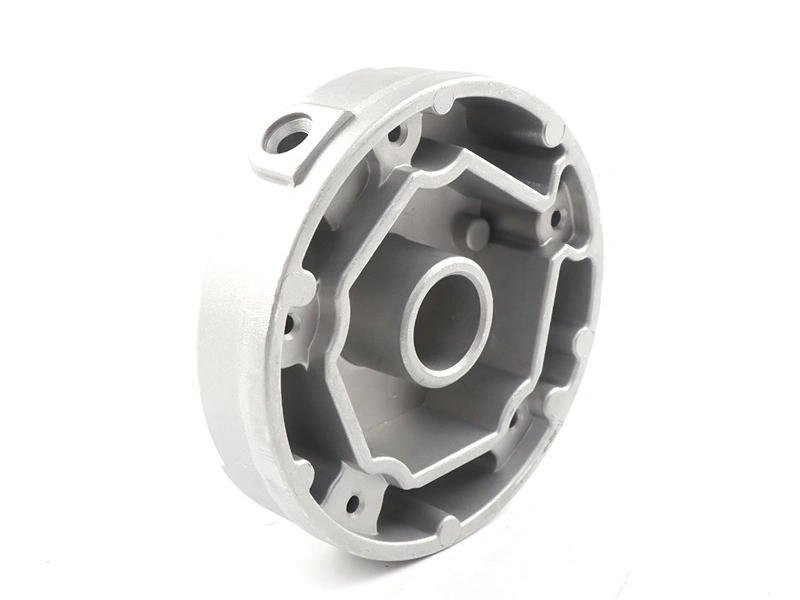
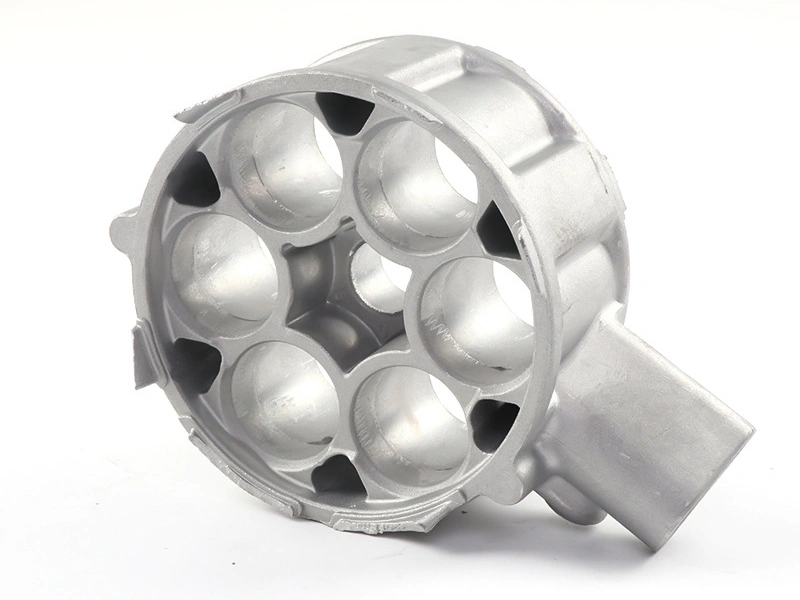
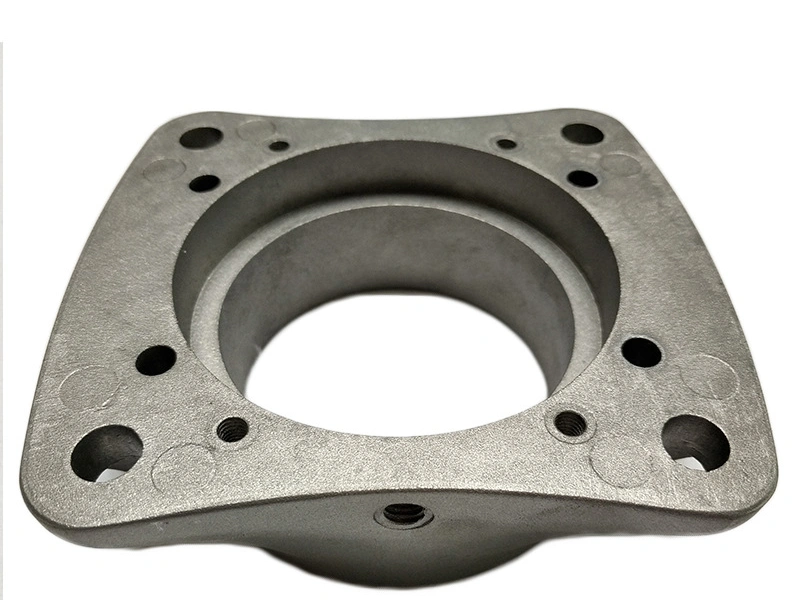
Supplier capabilities that reduce aluminum die casting project risk include DFM review, tooling design review, aluminum alloy selection support, trial sample validation, machining allowance planning, surface finishing management, dimensional inspection, cosmetic surface inspection, batch production control and defect improvement processes.
Aluminum die casting project risk is rarely caused by only one process. It usually comes from poor coordination between material selection, aluminum die casting tooling, casting, CNC machining after die casting, surface finishing and inspection. A more complete supplier capability reduces mold modification, rework and delivery delay risk.
1. DFM Review and Tooling Design Review
Supplier Capability | Risk It Reduces | Buyer Benefit |
|---|---|---|
DFM review | Wall thickness problems, poor draft, weak ribs, sink risk and difficult ejection | Reduces trial defects before tooling starts |
Tooling design review | Gate, venting, cooling, ejector pin and parting line problems | Improves mold design and casting stability |
Machining allowance review | Insufficient stock for holes, sealing faces and datums | Reduces CNC machining rejection |
Cosmetic surface review | Gate marks, ejector marks and parting lines on visible areas | Reduces appearance disputes |
2. Aluminum Alloy Selection and Material Risk Control
Aluminum alloy selection affects strength, weight, shrinkage, flow, surface treatment, CNC machining and cost. A supplier should help buyers choose the alloy based on product function instead of only material price.
Material Support | Why It Matters | Risk if Missing |
|---|---|---|
Alloy selection support | Matches strength, weight, surface treatment and production cost | Wrong material choice and sample failure |
Surface finish compatibility review | Checks whether the casting quality supports coating or painting | Finishing defects and rework |
Machining behavior review | Considers tool life, tolerance and machined surface quality | Higher machining cost and unstable dimensions |
Material route comparison | Compares aluminum with zinc die casting project or copper alloy die casting project options when needed | Wrong process selection |
3. Trial Sample Validation and Process Confirmation
Trial samples help confirm whether tooling, casting, CNC machining and surface finishing can meet the project requirements before batch production. Buyers should not approve only the overall appearance; they should validate key dimensions and functional areas.
Validation Item | What It Confirms | Risk Reduced |
|---|---|---|
Trial sample dimensions | Critical dimensions, hole positions, datums and tolerance stability | Batch dimension failure |
CNC machined features | Threads, sealing faces, mounting holes and flatness areas | Assembly or sealing failure |
Surface finish results | Painting, coating, cosmetic surfaces and visible defects | Appearance rejection |
Inspection report format | Whether quality data can support buyer approval | Communication and traceability problems |
4. Batch Production Control and Defect Improvement
For custom metal casting production, long-term stability depends on batch process control. Suppliers should track defect trends, tool wear, dimensional variation, cosmetic rejection and packaging issues.
Batch Control Capability | Why It Matters | Buyer Value |
|---|---|---|
Dimensional inspection | Confirms that production parts remain within agreed tolerances | Improves assembly reliability |
Cosmetic surface inspection | Controls visible defects, coating marks and surface consistency | Reduces customer complaints |
Defect improvement process | Tracks root cause and corrective actions for repeated defects | Improves long-term quality |
Batch production control | Controls process settings, tooling condition and inspection consistency | Supports stable repeat orders |
5. Summary
Supplier Capability | Project Risk Reduced |
|---|---|
DFM review | Design defects and manufacturability problems |
Tooling design review | Gate, venting, cooling, ejector and parting line problems |
Machining allowance planning | CNC machining failure and unstable fixtures |
Surface finishing management | Cosmetic disputes and coating rejection |
Dimensional and cosmetic inspection | Batch quality problems and assembly failure |
Defect improvement process | Repeated scrap, rework and delivery delays |
In summary, supplier capabilities that reduce aluminum die casting project risk include DFM review, tooling review, alloy selection, trial sample validation, machining allowance planning, surface finishing management, inspection and defect improvement. The more complete the supplier workflow is, the lower the buyer’s risk of mold changes, rework and delayed production.