Can Neway assist with design modifications for manufacturability before tooling?
Yes, Neway can review a proposed casting and recommend manufacturability changes before tooling, subject to the agreed project scope and the information supplied. The useful output is not an automatic redesign or a generic approval. It is a documented set of observations, options and open risks covering casting, die operation, machining, finishing and inspection. The customer retains authority over product function and must approve the controlled revision released to tooling.
What a pre-tooling DFM review should examine
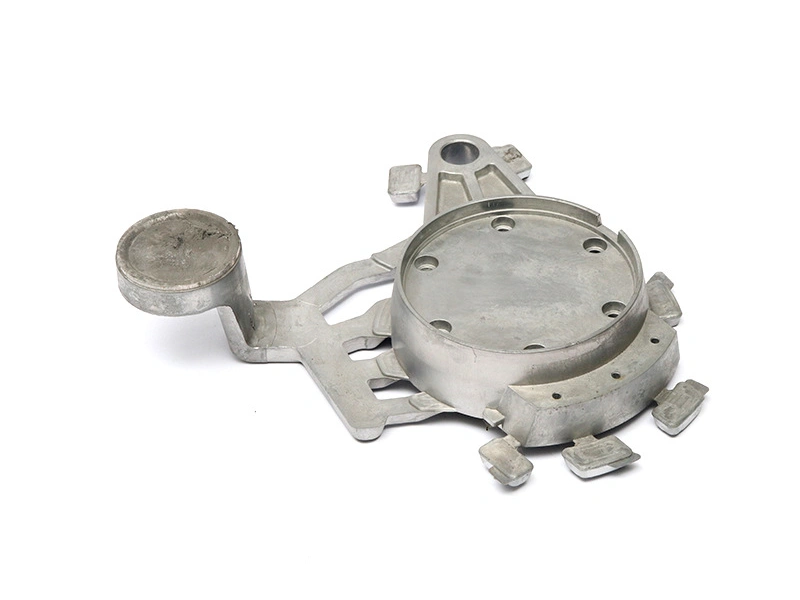
The review begins with die opening and metal flow. Engineers examine the proposed draw direction, parting line, draft, undercuts, slides, inserts, wall sections, transitions, ribs, bosses, fillets, cast holes and ejection. They also identify likely gate, overflow and vent regions and consider how local geometry may influence fill, trapped gas, shrinkage, distortion or die thermal balance.
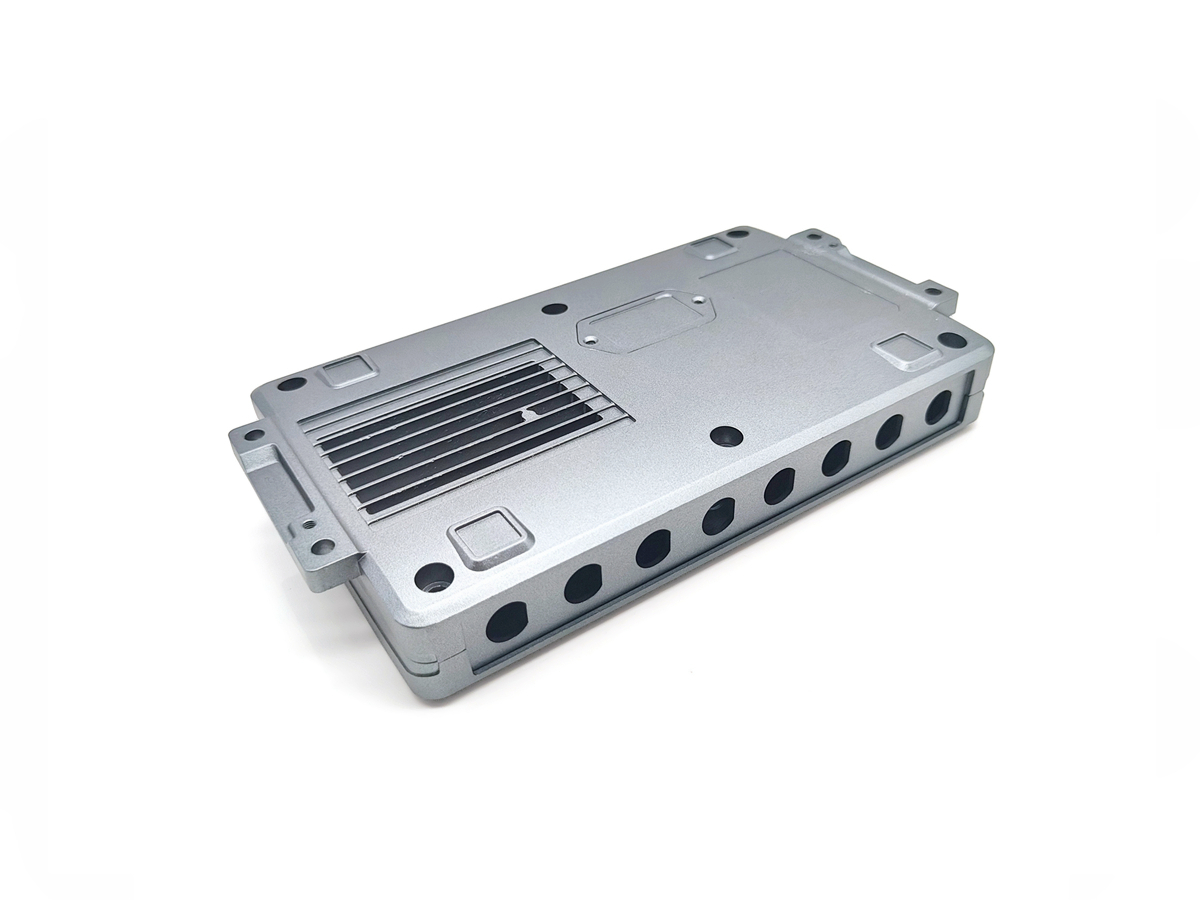
The same model must be reviewed beyond casting. Machined faces need stock and a stable datum route. A sealing land may need an internal-integrity strategy. Cosmetic areas can conflict with gates, ejectors, flash trim or visible flow. Threads, inserts and assembly features need access and tolerance-chain review. Surface treatment may require masking, rack points or allowance for coating build. A recommendation that improves casting but damages assembly or finish is not a complete DFM solution.
Typical issues and possible responses
| Observed condition | Manufacturing concern | Possible design or process response | Customer check before acceptance |
|---|---|---|---|
| Abrupt thick-to-thin junction | Unbalanced fill, local hot spot, shrinkage or distortion | Blend the transition, core the heavy area, move a boss or revise flow strategy | Load path, stiffness, fastening and envelope |
| Undercut across the opening direction | Slide action, added die complexity, wear and visible witness line | Change orientation, remove the undercut, use a slide or redesign the attachment | Assembly sequence and service access |
| Tight feature referenced to an unstable cast surface | Fixture variation and datum transfer | Add datum targets, create a first machining operation or revise the tolerance scheme | Functional tolerance stack |
| Cosmetic face near gate, ejector or parting line | Visible marks that finishing may not conceal | Reassign the cosmetic zone, change tool layout or define an approved appearance limit | User viewing angle, lighting and finish specification |
| Machined pressure boundary in a high-risk flow region | Machining-exposed porosity and leak path | Move or thicken the interface, revise stock and flow plan, or define targeted validation | Pressure medium, test condition and rejection rule |
These are options, not universal instructions. Uniform walls, generous fillets and added draft often help, but exact geometry depends on alloy, part size, surface requirements, die direction and machine concept. The recommendation should state why a change is proposed and which product requirement could be affected.
Information Neway needs from the customer
Provide native or neutral 3D CAD plus a controlled 2D drawing. The drawing should identify alloy, datums, tolerances, key control characteristics, machined and as-cast surfaces, cosmetic zones and finish. Add annual demand, order quantity, target machine or existing tool constraints if known, mating components, service loads, temperature, exposure media, sealing duty and validation requirements.
Requirements that exist only in emails or team knowledge are easy to lose. Include packaging, cleanliness, restricted substances, traceability, documents and change-notification expectations in the review package. If a mating part controls a tolerance or clamp condition, supply its model or a representative sample. The design review scope becomes more valuable as these interfaces become explicit.
Define the DFM deliverables
A practical deliverable can include an annotated model or drawing, issue register, proposed die direction and parting line, slide or insert list, machining-stock and datum concept, cosmetic-mark map, finish conflicts and a risk-ranked action list. Each item should show the recommendation, reason, owner and status. Where alternatives exist, compare tool complexity, part function, maintenance and validation consequences rather than presenting one option as mandatory.
Simulation or prototype work may be proposed when it answers a defined risk. A flow study can compare gating or thermal concepts under its model assumptions; it cannot certify production quality by itself. A machined prototype can confirm assembly and datum logic; it does not reproduce HPDC porosity or die ejection. State what evidence each activity supplies before adding it to the schedule.
Use formal release gates
Close product questions first
Customer engineering confirms that proposed changes preserve load path, safety, sealing, ergonomics, regulatory needs and mating interfaces. Supplier manufacturing feedback does not transfer design authority unless a separate agreement explicitly does so. Open requirements should remain visible rather than being silently interpreted.
Freeze the revision for tool design
The tooling release identifies the approved CAD and drawing revision, alloy, expected volume, visible-mark limits, key control characteristics and accepted deviations. It also records unresolved risks and who owns them. Starting steel work from an unapproved model invites expensive ambiguity.
Reconfirm changes after trial
Trial castings may reveal fill, ejection, distortion, machining or finish behavior that requires adjustment. Tool corrections and any resulting product changes need traceable review. First-article approval should reference the final route rather than an obsolete pre-tooling assumption.
Commercial and ownership boundaries
Before work begins, state whether DFM review is included in quotation, whether CAD modification is advisory or performed by Neway, who owns derivative files, and which changes affect price or schedule. Define tool ownership, storage, maintenance, transfer rights and change authorization separately. A supplier can recommend a manufacturable condition while the customer remains responsible for the product specification and final approval.
The tooling release guide provides a useful sequence for moving from DFM into trial and production. The project should enter tooling only when the controlled revision, review actions, evidence plan and approval roles are clear. That is the point of pre-tooling design assistance: make risk visible while changes are still deliberate.