Does Alloy Die Casting Need CNC Machining?
Does Alloy Die Casting Need CNC Machining?
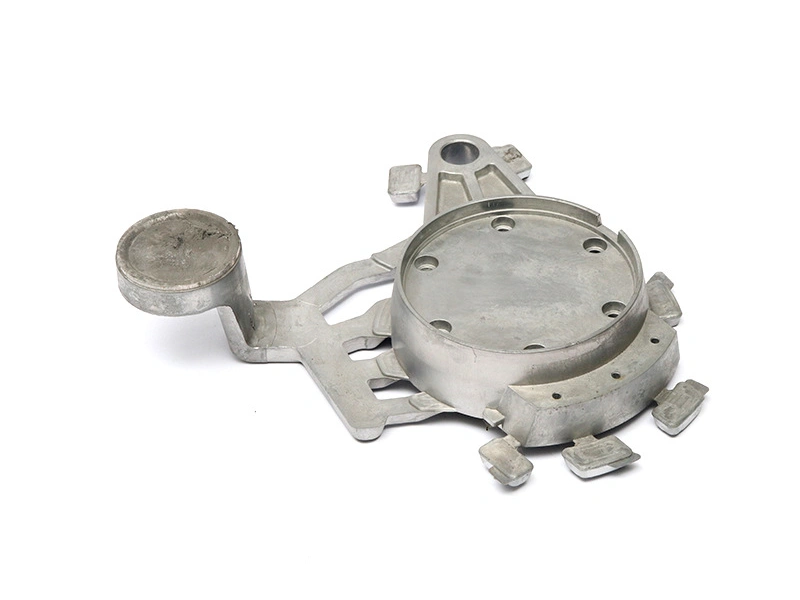
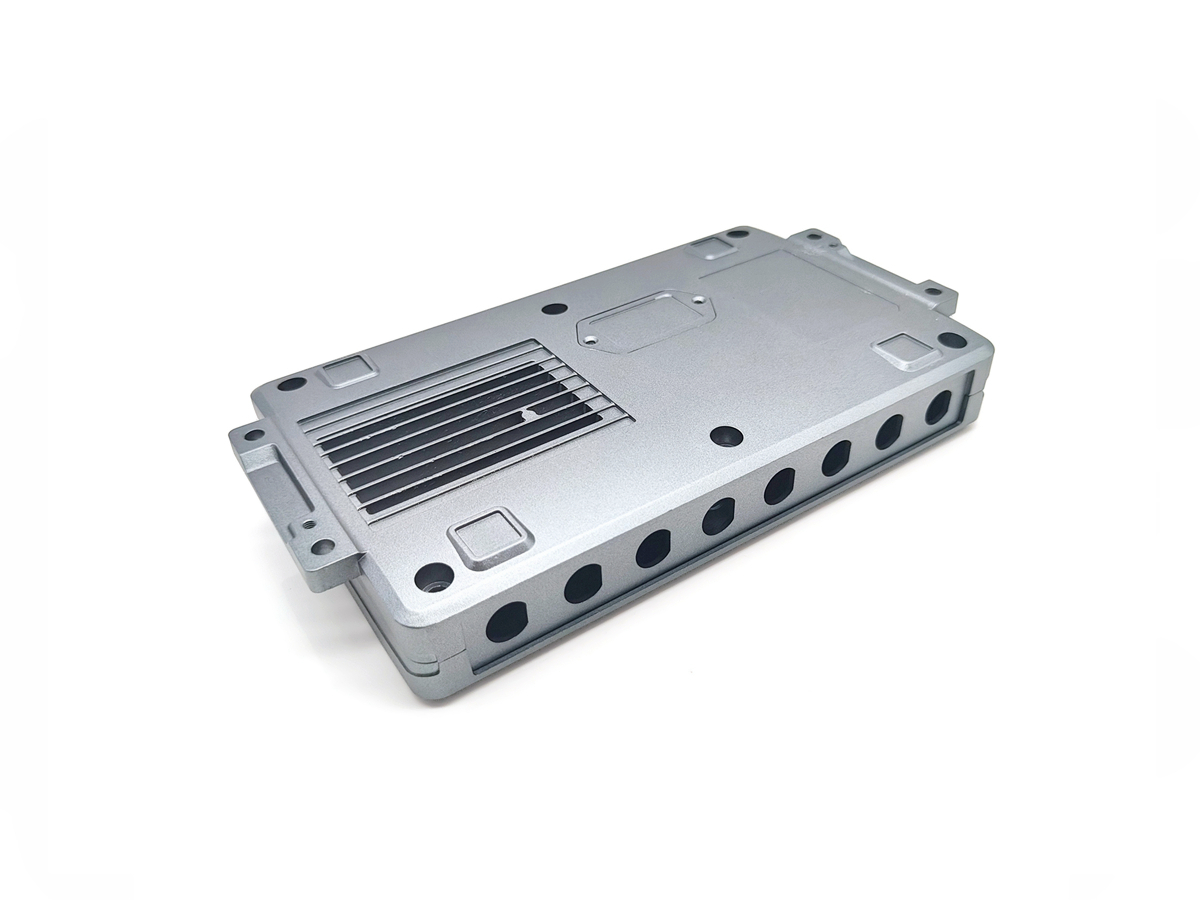
Alloy die casting does not always need CNC machining, but many functional areas on die cast alloy parts require CNC machining after die casting. Common machined areas include threaded holes, mounting holes, sealing faces, locating surfaces, datum surfaces, bearing holes, conductive contact faces and high-tolerance assembly areas.
For buyers, the key is to mark critical dimensions, machining areas and tolerance requirements during the RFQ stage. This helps the supplier evaluate tooling for alloy die casting, CNC machining time, fixtures, inspection needs and final quotation accurately.
1. Common CNC Machining Areas for Alloy Die Cast Parts
CNC Machining Area | Why It May Be Needed | Buyer Benefit |
|---|---|---|
Threaded holes | Threads usually need drilling, tapping or thread milling after casting | Improves fastening strength and assembly reliability |
Mounting holes | Hole position and diameter may need tighter control than as-cast features | Improves assembly alignment |
Sealing faces | Flatness and roughness affect leakage control | Improves sealing reliability |
Locating and datum surfaces | Reference surfaces control machining, inspection and assembly | Improves dimensional repeatability |
Bearing holes | Need accurate size, roundness, alignment and surface finish | Improves mechanical fit and function |
Conductive contact faces | Contact areas may need controlled geometry and surface quality | Improves electrical contact performance |
2. How Different Alloys Affect CNC Machining
Different alloys affect CNC machining cost and difficulty. Aluminum, zinc and copper alloy die cast parts may all require machining, but the machining focus is often different.
Alloy Route | Typical CNC Machining Need | Buyer Focus |
|---|---|---|
Mounting holes, threads, sealing faces, flat datums and structural assembly areas | Balance lightweight structure, machining allowance and unit cost | |
Precision holes, small threads, locating faces and decorative part assembly features | Machine only key areas to control cost and preserve surface quality | |
Conductive contact faces, precision holes, threads, sealing faces and functional surfaces | Control tool wear, functional surfaces and inspection requirements |
3. Why Not All Surfaces Need CNC Machining
Machining every surface usually increases cost without improving product value. A better strategy is to use die casting for the main shape and CNC machining only for functional areas that require accuracy, flatness, sealing, fit, conductivity or inspection control.
Surface Type | Recommended Process | Reason |
|---|---|---|
Functional surface | CNC machining | Needed for tolerance, sealing, fit, contact or assembly |
General external surface | As-cast or surface finishing | Die casting can form the main geometry efficiently |
Cosmetic surface | Polishing, coating, painting or plating | Appearance may need finishing instead of precision machining |
Hidden non-functional surface | As-cast | Machining may add cost without improving function |
4. How CNC Machining Affects Cost and Inspection
The more CNC machining areas required, the higher the cost and inspection workload may become. Fixtures, cutting tools, tool wear, machining time, tolerance level, surface roughness and CMM inspection can all affect the final price of custom metal casting service projects.
Machining Factor | Cost Impact | Buyer Cost Control Method |
|---|---|---|
Number of machined features | More features increase tool paths, setup time and inspection | Machine only functional areas |
Tight tolerances | Increase machining difficulty, inspection time and rejection risk | Apply tight tolerances only where function requires them |
Fixture complexity | Complex parts need stable custom fixtures | Define datums and machining sequence early |
Surface roughness | Sealing and contact faces may require controlled finish | Mark roughness requirements clearly on drawings |
5. What Buyers Should Provide Before Quotation
To quote alloy die casting with CNC machining accurately, buyers should provide 2D drawings, 3D models, critical dimensions, machined surface markings, tolerance requirements, surface roughness, assembly requirements, conductive contact requirements if needed, annual demand, order quantity and inspection standards.
Buyer Information | Why It Matters |
|---|---|
Critical dimensions | Shows which features affect fit, function, sealing, contact or inspection |
Machining areas | Helps estimate fixtures, tools, machining time and final cost |
Tolerance requirements | Controls machining accuracy and inspection workload |
Surface roughness | Important for sealing faces, contact faces and mating surfaces |
Annual demand | Helps evaluate tooling, fixture investment and unit cost |
6. Summary
Question | Answer |
|---|---|
Does alloy die casting always need CNC machining? | No. Many as-cast surfaces can be used directly, but functional areas often need CNC machining. |
Which areas commonly need machining? | Threaded holes, mounting holes, sealing faces, locating surfaces, datums, bearing holes, conductive contact faces and high-tolerance assembly areas. |
Do different alloys affect machining? | Yes. Aluminum, zinc and copper alloy parts have different machining needs, tool wear, tolerance and inspection requirements. |
How can buyers control machining cost? | Buyers should mark critical dimensions, machining areas and tolerance requirements clearly during RFQ. |
In summary, alloy die casting does not always need CNC machining, but many die cast alloy parts require post-machining on functional areas. Threaded holes, mounting holes, sealing faces, locating surfaces, datums, bearing holes, conductive contact faces and high-tolerance assembly areas often need CNC machining. Buyers should define critical dimensions, machining areas and tolerances early so suppliers can evaluate tooling, machining, inspection and final quotation accurately.