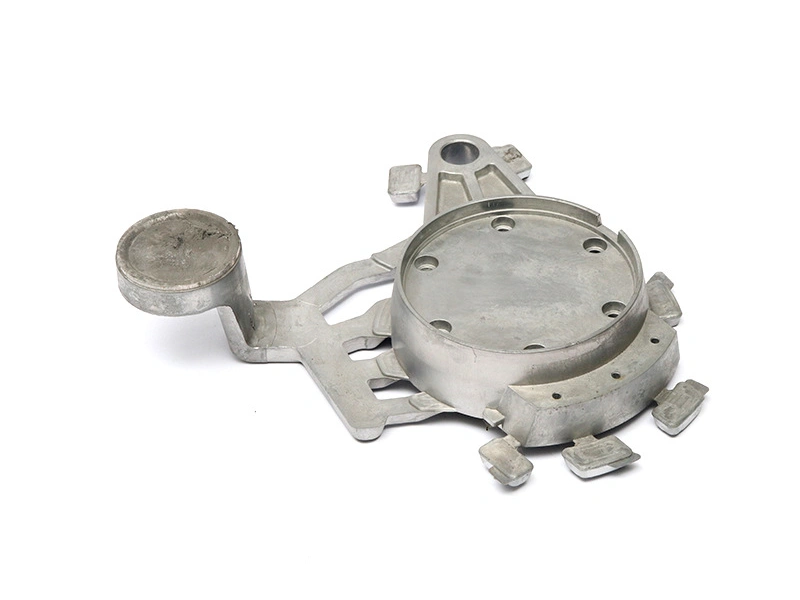
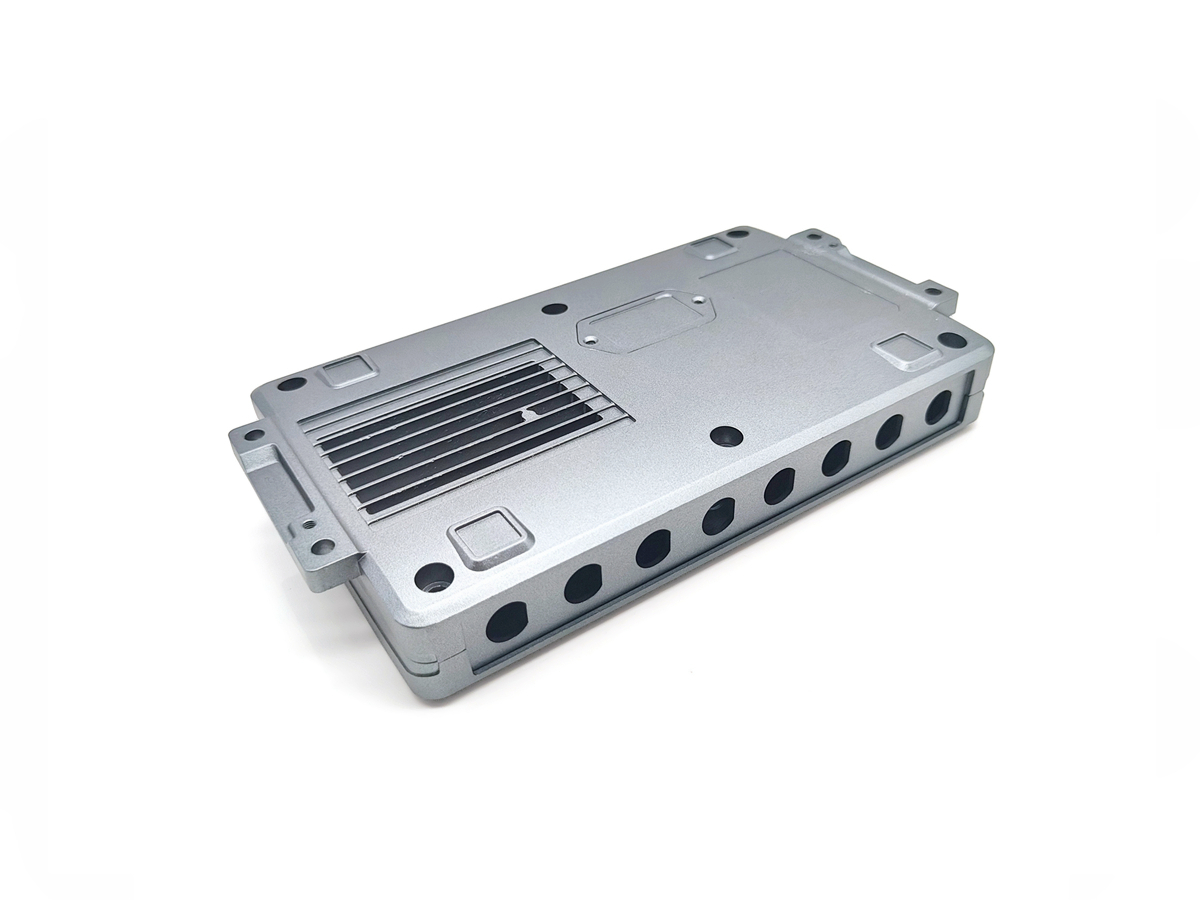
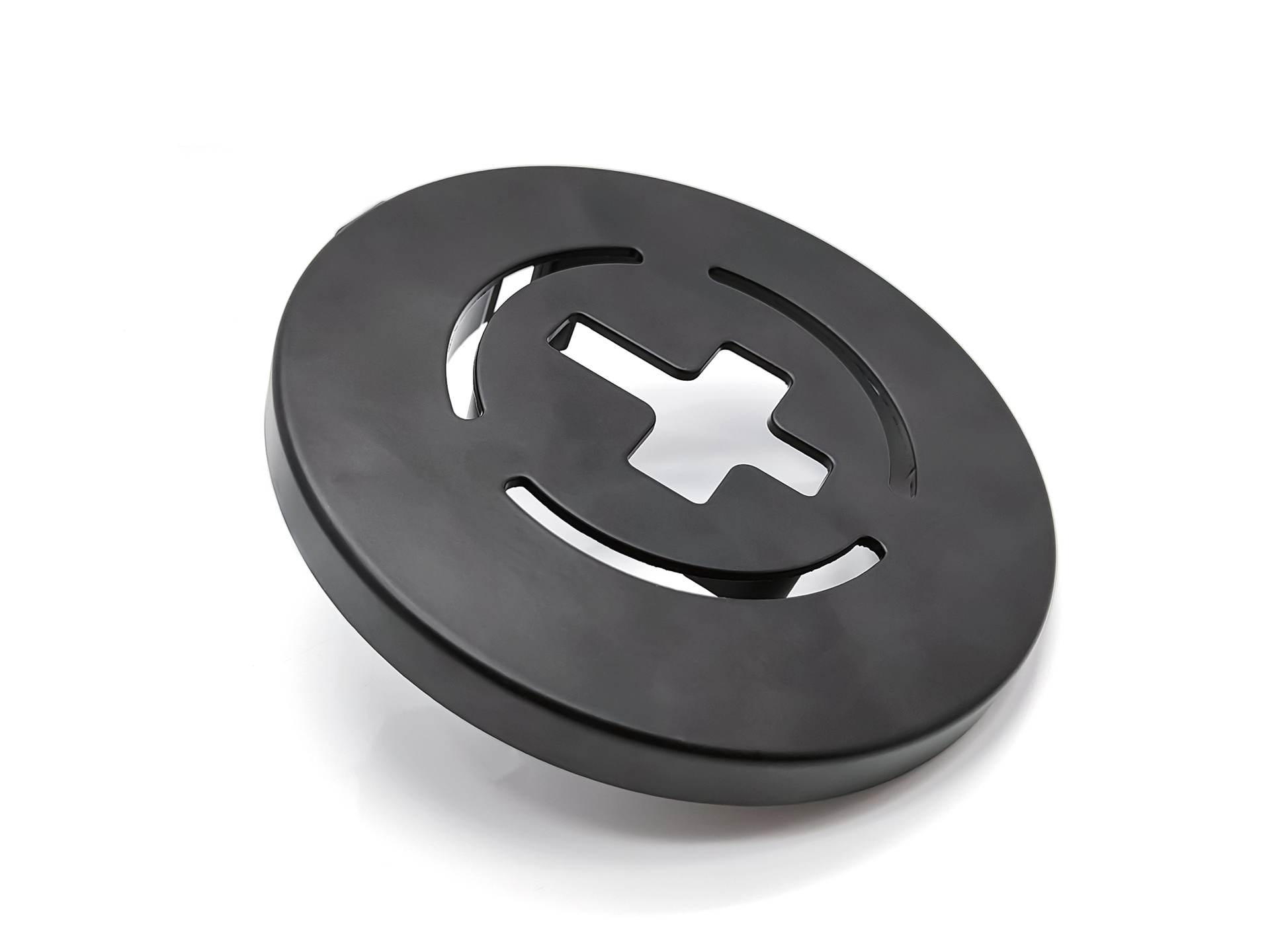
How Can a Metal Casting Supplier Help Choose the Right Material?
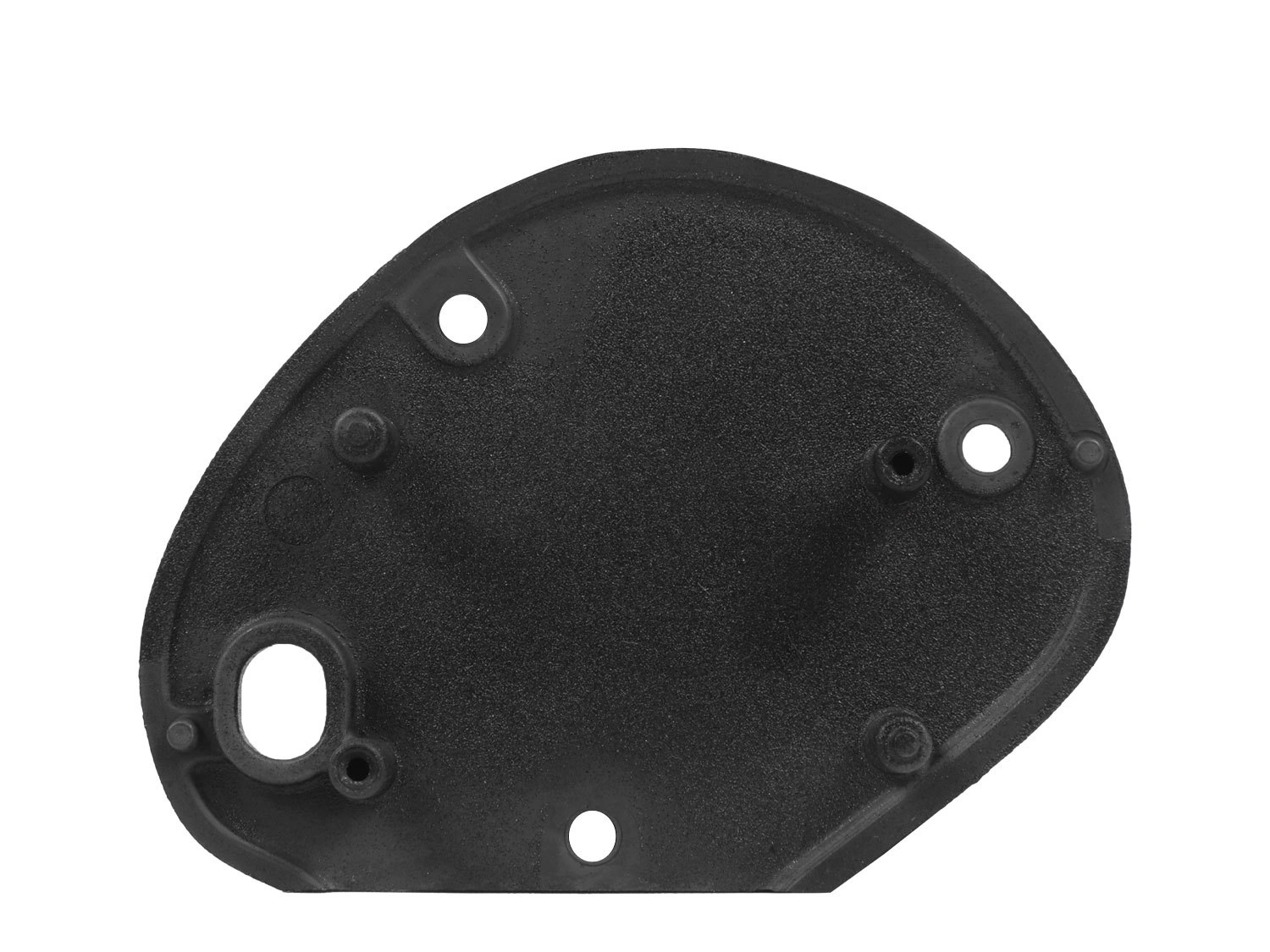
How Can a Metal Casting Supplier Help Choose the Right Material?
A metal casting supplier can help choose the right material by comparing part weight, strength, detail complexity, corrosion resistance, thermal performance, electrical conductivity, surface finish, machining needs, assembly method and production volume. Material selection should match the application, not only the lowest material price.
1. Why Material Selection Should Be Application-Based
Different cast metals support different product goals. Aluminum can help with lightweight structures and thermal applications. Zinc can support small complex details and decorative parts. Copper can support electrical, thermal and corrosion-related requirements. If buyers select material only by price, the final part may fail in weight, strength, finish, conductivity or long-term production stability.
Neway’s Metal Casting page can work as a material evaluation entry point before the project is routed to aluminum, zinc or copper casting.
Buyer Requirement | Possible Material Direction | Supplier Review Focus |
|---|---|---|
Lightweight structure | Weight, strength and thermal performance. | |
Small complex detail | Flow, detail reproduction and surface quality. | |
Conductive part | Conductivity, thermal performance and machining needs. | |
Decorative part | Zinc or aluminum | Surface finish, appearance and coating compatibility. |
Harsh environment | Copper alloy or protective coating | Corrosion protection and application environment. |
Multi-part assembly | Mixed materials | Fit, supply chain control and final product requirements. |
2. When Aluminum, Zinc and Copper Should Be Reviewed
Aluminum casting is often reviewed for lightweight housings, brackets, structural parts and heat-related components. Zinc casting is often reviewed for small complex parts, cosmetic metal components, hardware and compact assembly parts. Copper casting is often reviewed when electrical conductivity, thermal transfer or corrosion resistance is important.
Neway can compare these options through casting material selection and engineering support for metal casting projects.
3. How Material Selection Connects With CNC and Surface Finishing
The right material also affects CNC machining, surface finishing and final inspection. A decorative zinc part may need surface finishing and protective packaging. An aluminum housing may need machined mounting surfaces and coating. A copper part may need machining for functional contact areas and inspection for conductivity-related use.
For this reason, buyers should not separate material selection from downstream processes. The supplier should review material, tooling, CNC machining, surface finishing and assembly together.
Material Selection Risk | Possible Result | Better Supplier Support |
|---|---|---|
Buyer chooses only by price. | Part may fail in function, weight, finish or durability. | Choose based on final application and production volume. |
Supplier only recommends familiar materials. | The best material route may be missed. | Use multi-material review across aluminum, zinc and copper. |
Surface finish does not match material. | Appearance or coating problems may appear later. | Review material and finishing compatibility before tooling. |
Conductive or thermal needs are unclear. | Final performance may not meet product requirements. | Define conductivity, thermal and application requirements in RFQ. |
Material standards are unstable in production. | Repeat order quality may vary. | Use material standards and batch traceability. |
4. How Neway Supports Material Selection
Neway can evaluate the drawing, material requirements, surface finish, application environment, assembly method and annual volume before recommending aluminum, zinc, copper or a multi-material casting route. This helps buyers reduce material mismatch, tooling rework and long-term production risk.
Summary
Buyer Question | Recommended Material Review |
|---|---|
How should buyers choose a material? | Compare weight, strength, detail, conductivity, finish, machining, assembly and volume. |
When is aluminum suitable? | When lightweight structure, housings, brackets or thermal performance are important. |
When is zinc or copper suitable? | Zinc fits small complex parts, while copper fits electrical, thermal and corrosion-related parts. |
Why use Neway as the first evaluation point? | Neway can compare aluminum, zinc and copper casting routes before material and tooling decisions. |