How Can Buyers Choose the Right Metal Casting Solution for a Custom Part?
How Can Buyers Choose the Right Metal Casting Solution for a Custom Part?
Buyers can choose the right metal casting solutions by defining part function, material requirements, strength, weight, thermal or electrical performance, surface finish, tolerance needs, assembly method, production volume and final delivery status before tooling begins. A suitable solution should be designed around the final product requirement, not only around casting cost.
1. Why the Final Part Function Should Come First
The first step is to understand what the part must do in the final product. A lightweight housing, a small decorative hardware part, a conductive component and an assembly-ready casting may all need different materials, tooling plans, machining steps and surface finishing methods.
If the buyer only chooses by material price or basic casting availability, the part may fail later in strength, appearance, assembly or production cost. A better approach is to match the casting solution with the part’s real application.
Buyer Requirement | Casting Solution Decision |
|---|---|
Lightweight structure | |
Small detailed metal part | |
Conductive or thermal part | |
Tight functional features | Casting plus CNC machining and dimensional inspection. |
Appearance requirement | Casting plus surface finishing and cosmetic surface control. |
Assembly-ready delivery | Casting plus machining, finishing, assembly and packaging. |
2. How Material Choice Affects the Solution
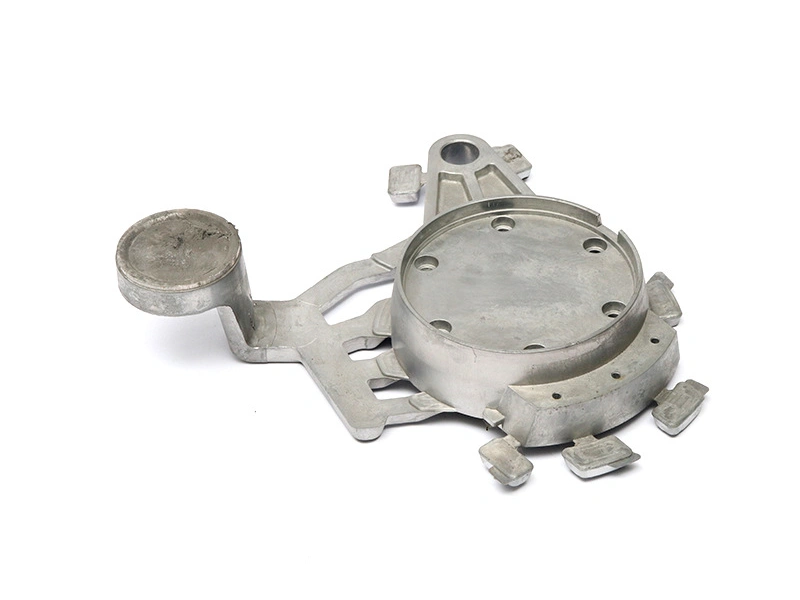
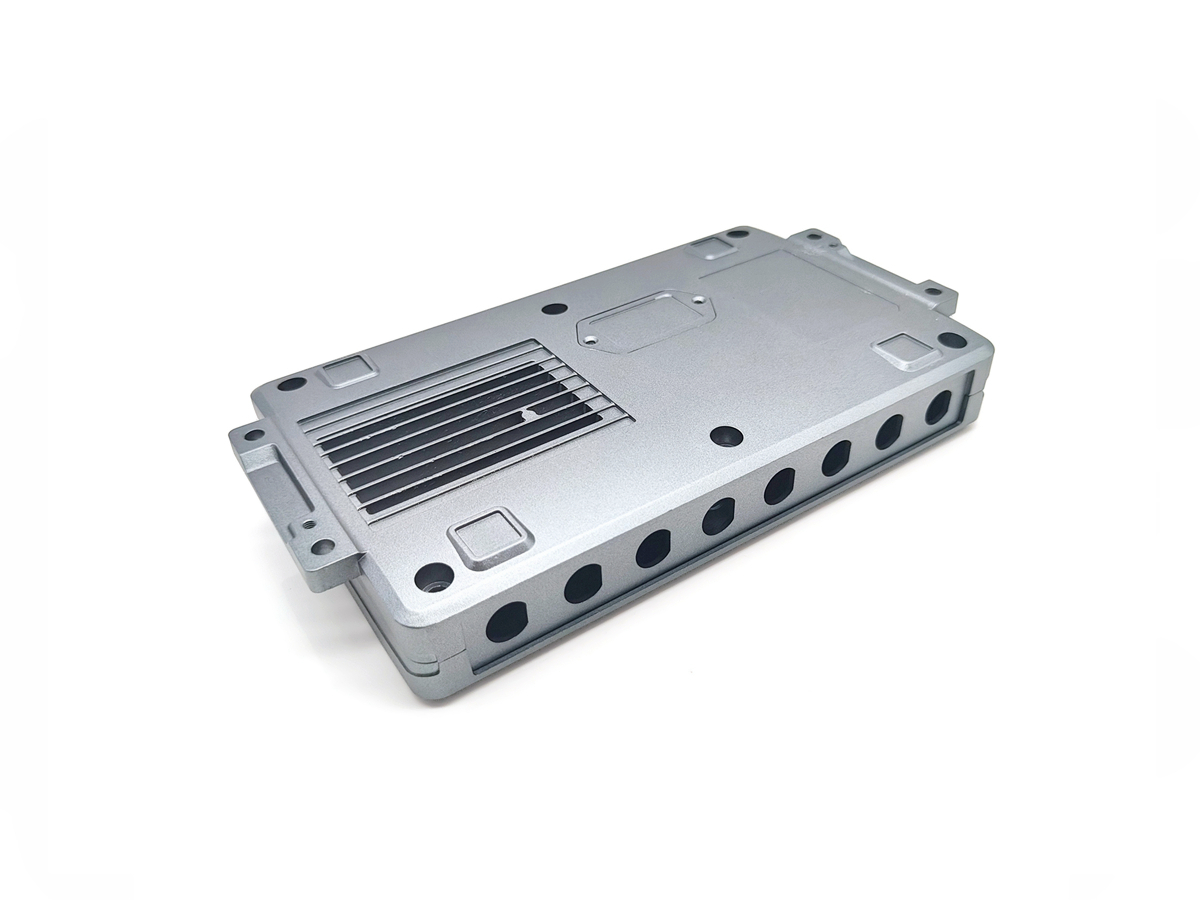
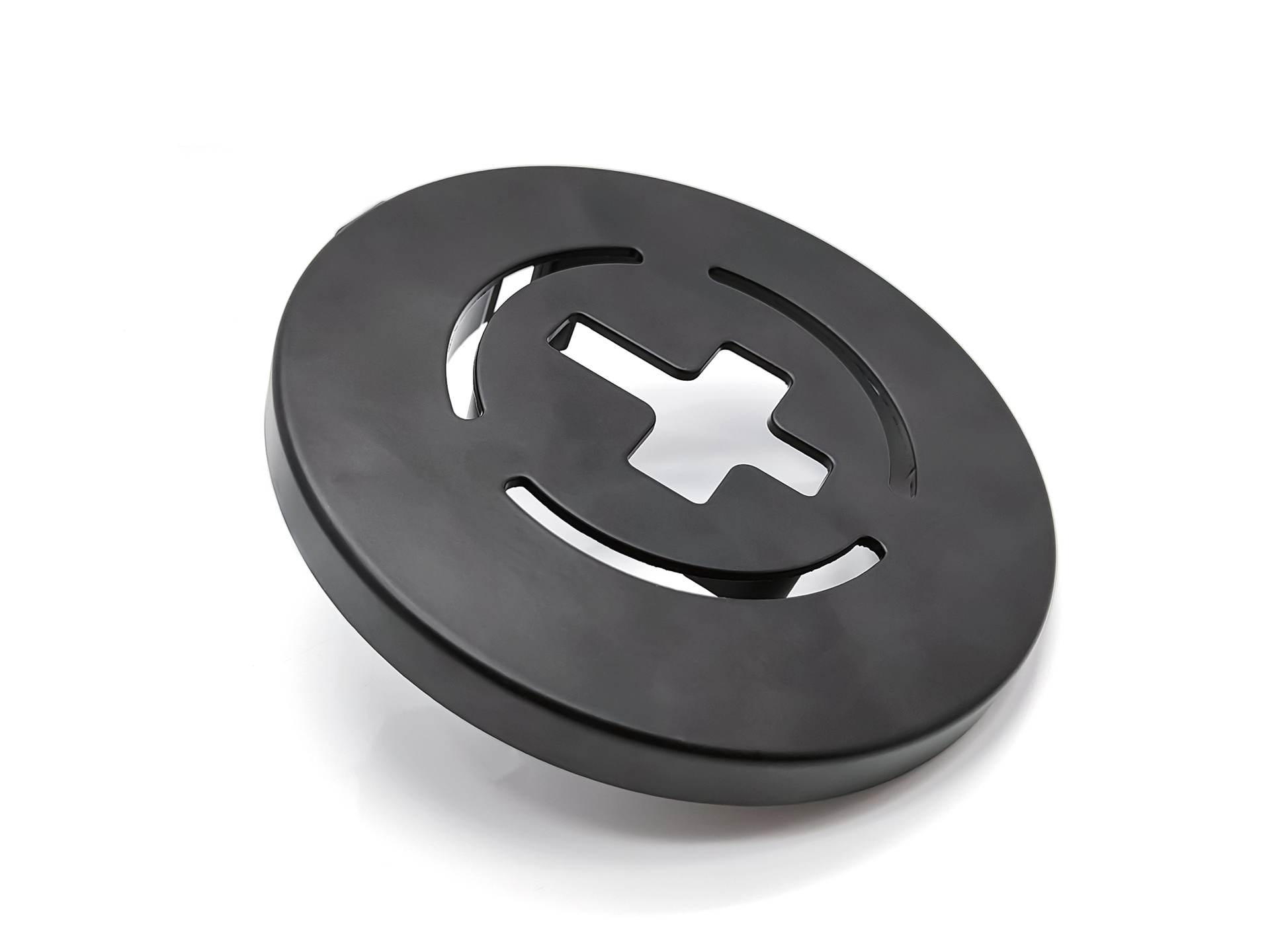
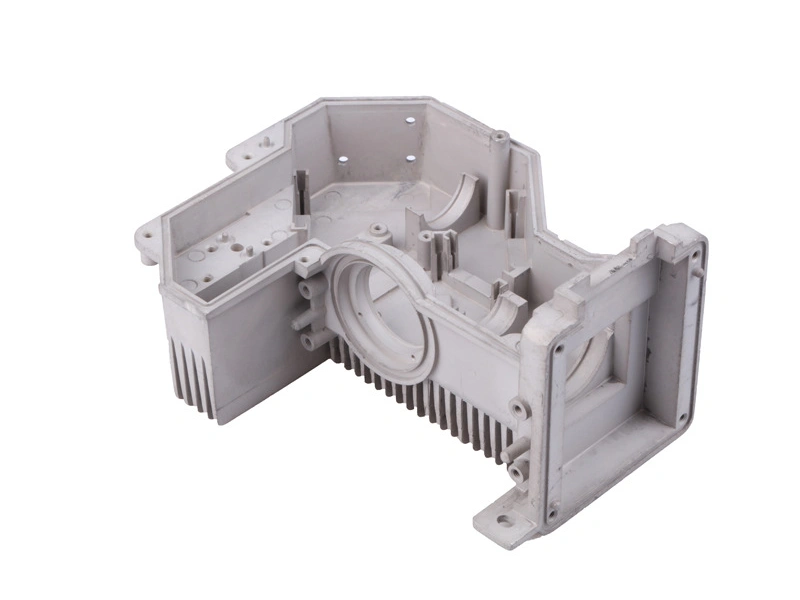
Material choice affects weight, strength, surface quality, tooling design, machining, inspection and cost. Aluminum is often suitable for lightweight structural parts and housings. Zinc is often suitable for small detailed metal parts, decorative components and assembly parts. Copper is usually reviewed when conductivity, thermal performance or corrosion resistance matters.
Neway can support casting material selection so buyers can compare aluminum, zinc and copper based on product function rather than choosing a material too early.
3. When CNC, Surface Finishing and Inspection Should Be Included
If the custom part has threaded holes, datum faces, sealing surfaces, mating areas or precise assembly requirements, the metal casting solution may need CNC machining or post-machining. If the part has visible surfaces, corrosion requirements or customer-facing appearance, surface finishing should be planned before sample approval.
Inspection should also be included early when the part has critical dimensions, internal quality requirements or long-term mass production needs. A complete solution should define what the finished part must look like, how it must assemble and how quality will be verified.
Selection Risk | Possible Result | Better Planning Method |
|---|---|---|
Choosing only by material unit price | The final part may fail in function, weight or finish. | Choose based on application, performance and production volume. |
Opening tooling before confirming volume | Tooling investment may not match project demand. | Review annual volume and production stage before mold planning. |
Cosmetic and assembly needs are not defined | Tooling, coating or tolerance problems may appear after samples. | Mark visible surfaces, functional features and assembly interfaces early. |
Post-processing is added too late | Final cost and lead time may change after quotation. | Include CNC, surface finishing and inspection in the solution from the beginning. |
4. How Neway Helps Buyers Choose a Casting Solution
If buyers are unsure which casting route is best, Neway can provide engineering support for metal casting to evaluate the drawing, material, application, production quantity, surface finish, CNC needs and final delivery status. This helps buyers choose aluminum, zinc, copper or one-stop manufacturing more safely.
Summary
Buyer Question | Recommended Decision |
|---|---|
How should buyers start choosing a casting solution? | Start with part function, material requirement, tolerance, finish, volume and delivery status. |
When should aluminum be reviewed? | When lightweight structure, housing or thermal performance is important. |
When should zinc or copper be reviewed? | Review zinc for small detailed parts and copper for conductive or thermal parts. |
How can Neway help? | Neway can evaluate the full project and recommend the safest metal casting solution. |