How Can Metal Casting Services Reduce Risk From Prototype to Production?

How Can Metal Casting Services Reduce Risk From Prototype to Production?
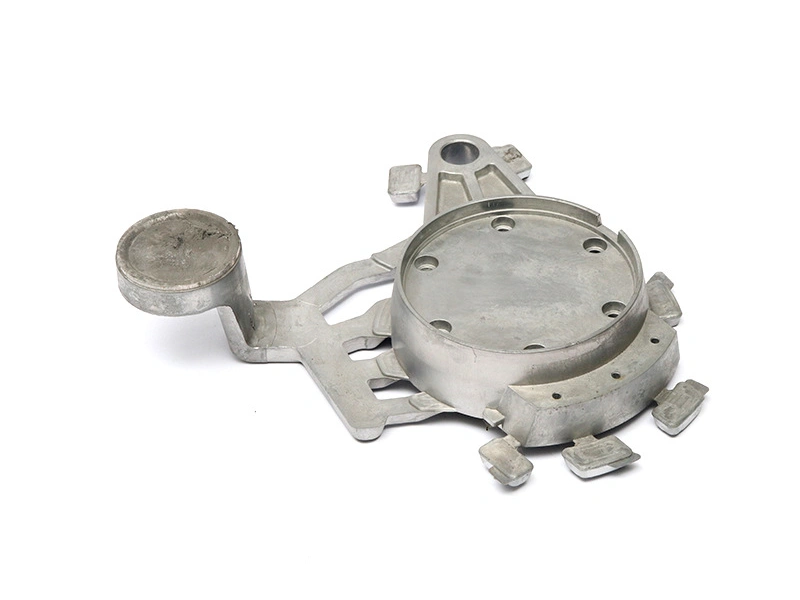
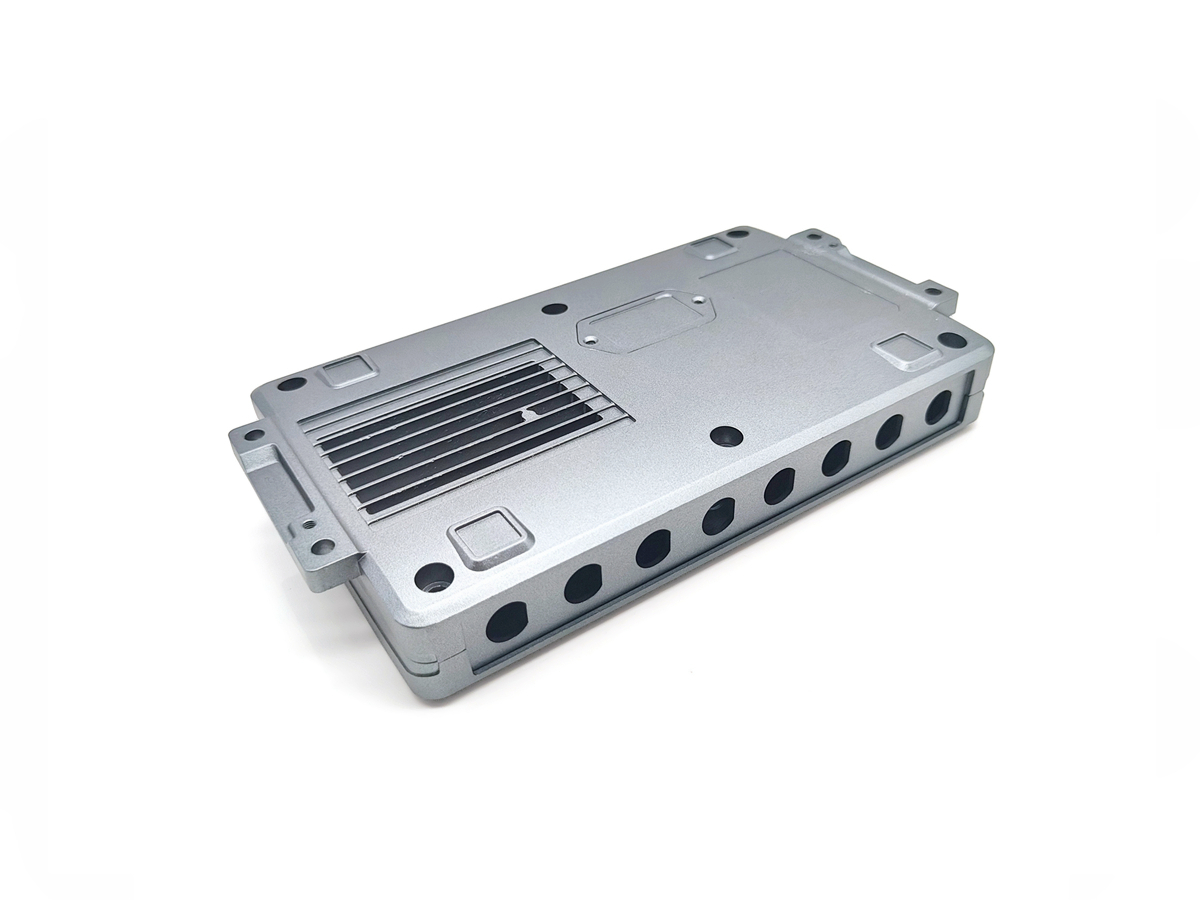
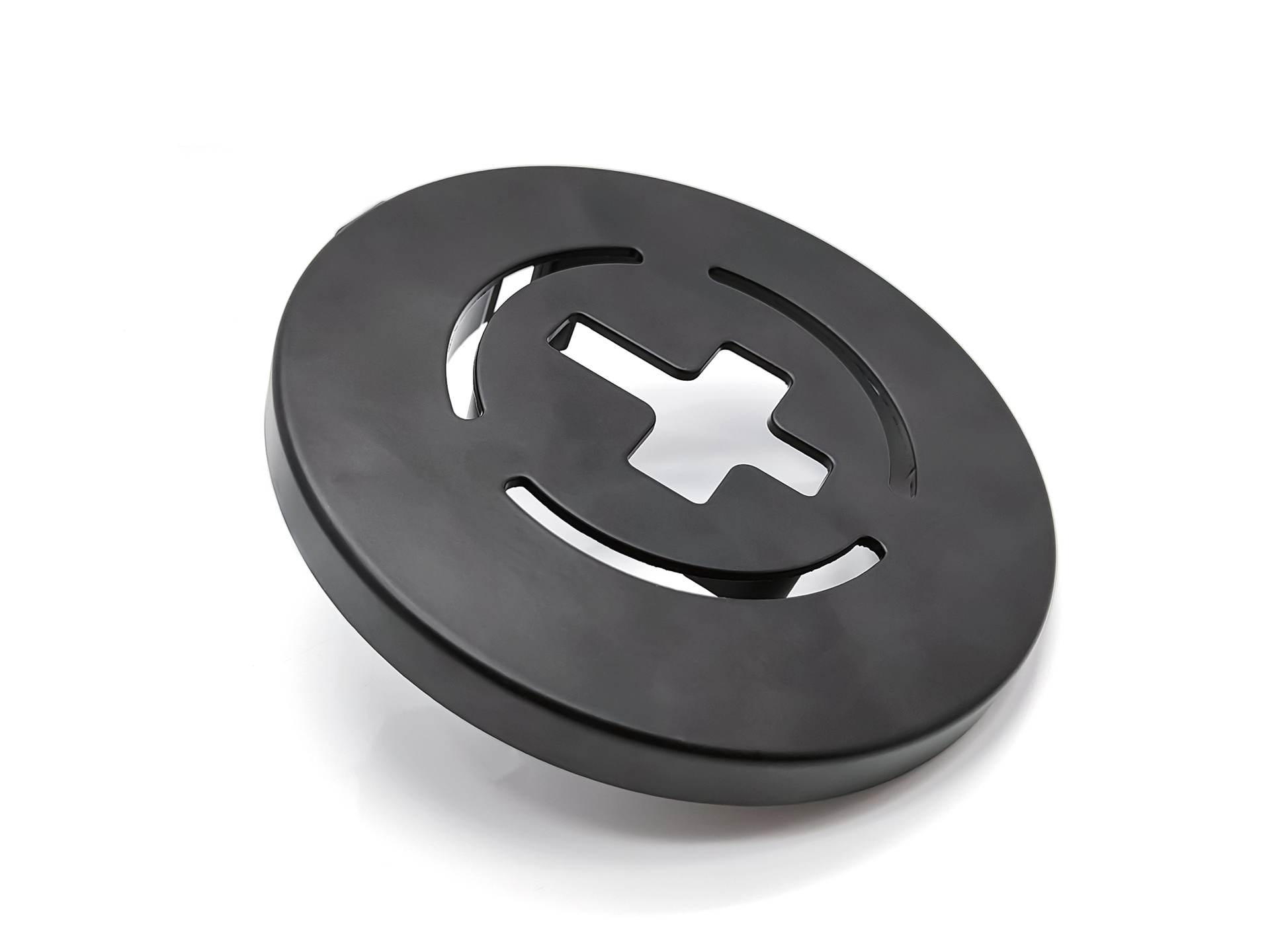
Metal casting services for production transfer can reduce risk by helping buyers move from prototype validation to stable production through DFM review, material confirmation, trial samples, tooling planning, CNC machining planning, cosmetic surface marking, finishing standard confirmation, first article inspection, pilot production and production inspection criteria.
A reliable custom metal casting supplier should not wait until mass production to solve tooling changes, rework, appearance disputes or delivery delays. The supplier should help buyers identify risks before tooling and validate them before long-term orders begin.
1. Use DFM Review Before Tooling
DFM review helps check whether the part can be cast, ejected, machined, finished and inspected reliably. This should happen before tool and die making starts.
DFM Review Area | Risk Reduced | Buyer Benefit |
|---|---|---|
Wall thickness | Shrinkage, porosity and filling problems | Improves trial sample quality |
Draft angle | Ejection damage and surface drag marks | Improves tooling and sample reliability |
Ribs and bosses | Weak areas, sink marks and local defects | Improves strength and repeatability |
Gate and parting line | Flow marks, visible lines and cosmetic issues | Reduces appearance disputes |
Machining allowance | Insufficient stock for finished features | Reduces CNC rework and mold modification |
2. Confirm Material Direction Before Production Tooling
Material should be confirmed before tooling because it affects flow, shrinkage, cooling, strength, surface treatment and machining. Aluminum die casting samples are often used for lightweight or thermal structures. Zinc die casting trial samples are often used for small precision or appearance parts. A copper alloy die casting project may be used when conductivity, heat transfer or wear resistance matters.
Material Direction | Main Risk to Validate | Buyer Focus |
|---|---|---|
Aluminum die casting | Porosity, shrinkage, machining allowance and surface finish | Weight, heat dissipation and stable batch quality |
Zinc die casting | Flash, fine detail, plating quality and cosmetic surfaces | Small precision features and appearance consistency |
Copper alloy die casting | Tool wear, machining difficulty and functional surface quality | Conductive, thermal or wear-resistant performance |
3. Plan CNC Machining and Cosmetic Surfaces Early
Many cast parts need CNC machining after die casting for threaded holes, sealing faces, mounting faces, datums and high-tolerance features. Cosmetic surfaces should also be marked before tooling so gate marks, parting lines and ejector marks can be planned properly.
Planning Item | Why It Reduces Risk | Possible Problem if Missed |
|---|---|---|
Critical dimensions | Shows which features affect product function | Inspection disputes or assembly failure |
CNC machining areas | Ensures enough allowance and stable fixture references | Rejected machined surfaces or added cost |
Cosmetic surfaces | Helps plan parting line, ejector marks and finishing | Visible defects and sample rejection |
Coating, painting or plating standards | Clarifies appearance and surface protection requirements | Finish failure, color disputes or coating rework |
4. Use First Article Inspection and Pilot Production
First article inspection checks the first approved production parts against drawings and functional requirements. Pilot production for die cast parts helps confirm small-batch stability before larger orders start.
Validation Stage | What It Checks | Risk Reduced |
|---|---|---|
Prototype validation | Structure, assembly, material direction and product function | Major design change after tooling |
Trial samples | Tooling performance, casting quality and machining feasibility | Sample failure and tooling rework |
First article inspection | Critical dimensions, surface quality and functional features | Batch production errors |
Pilot run | Small-batch dimensions, finishing, packaging and consistency | Long-term production instability |
5. Summary
Risk Control Step | Purpose |
|---|---|
DFM review | Find design, tooling, casting and machining risks before tooling |
Material confirmation | Match product function with aluminum, zinc or copper alloy direction |
Prototype and trial samples | Validate structure, casting quality, machining and surface finish |
CNC and cosmetic planning | Reduce allowance problems, surface disputes and rework |
First article and pilot production | Confirm production quality before long-term orders |
In summary, metal casting services can reduce risk from prototype to production by using DFM review, material confirmation, trial samples, tooling planning, CNC machining planning, cosmetic surface standards, first article inspection, pilot production and clear production inspection criteria.