How Can One Supplier Support Aluminum, Zinc and Copper Casting Projects?
How Can One Supplier Support Aluminum, Zinc and Copper Casting Projects?
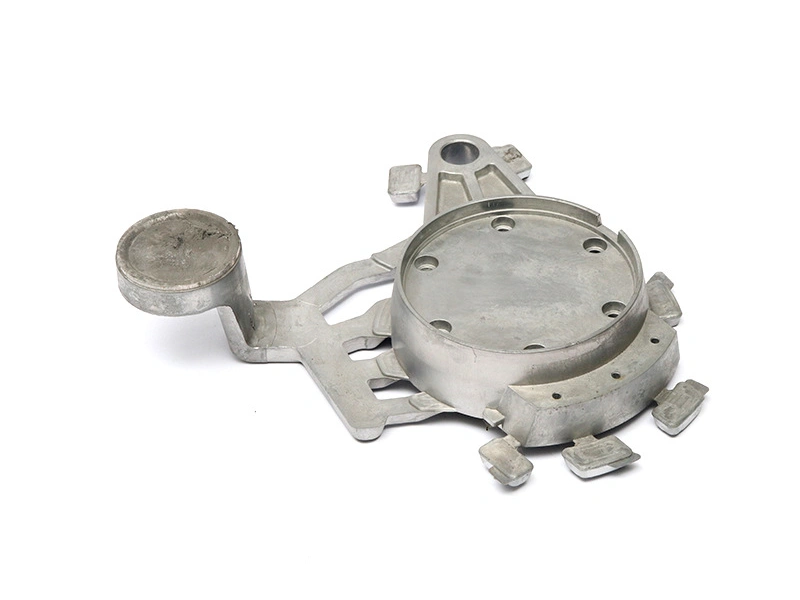
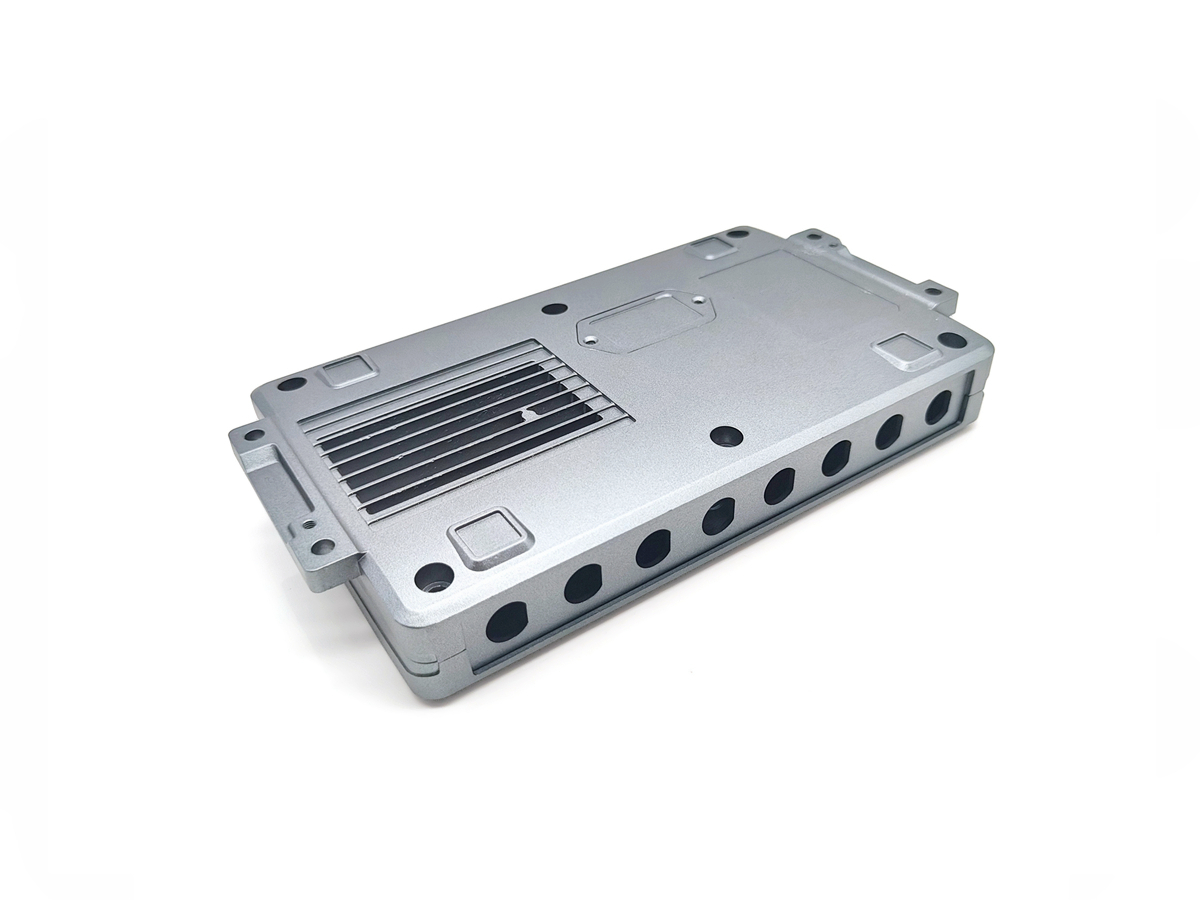
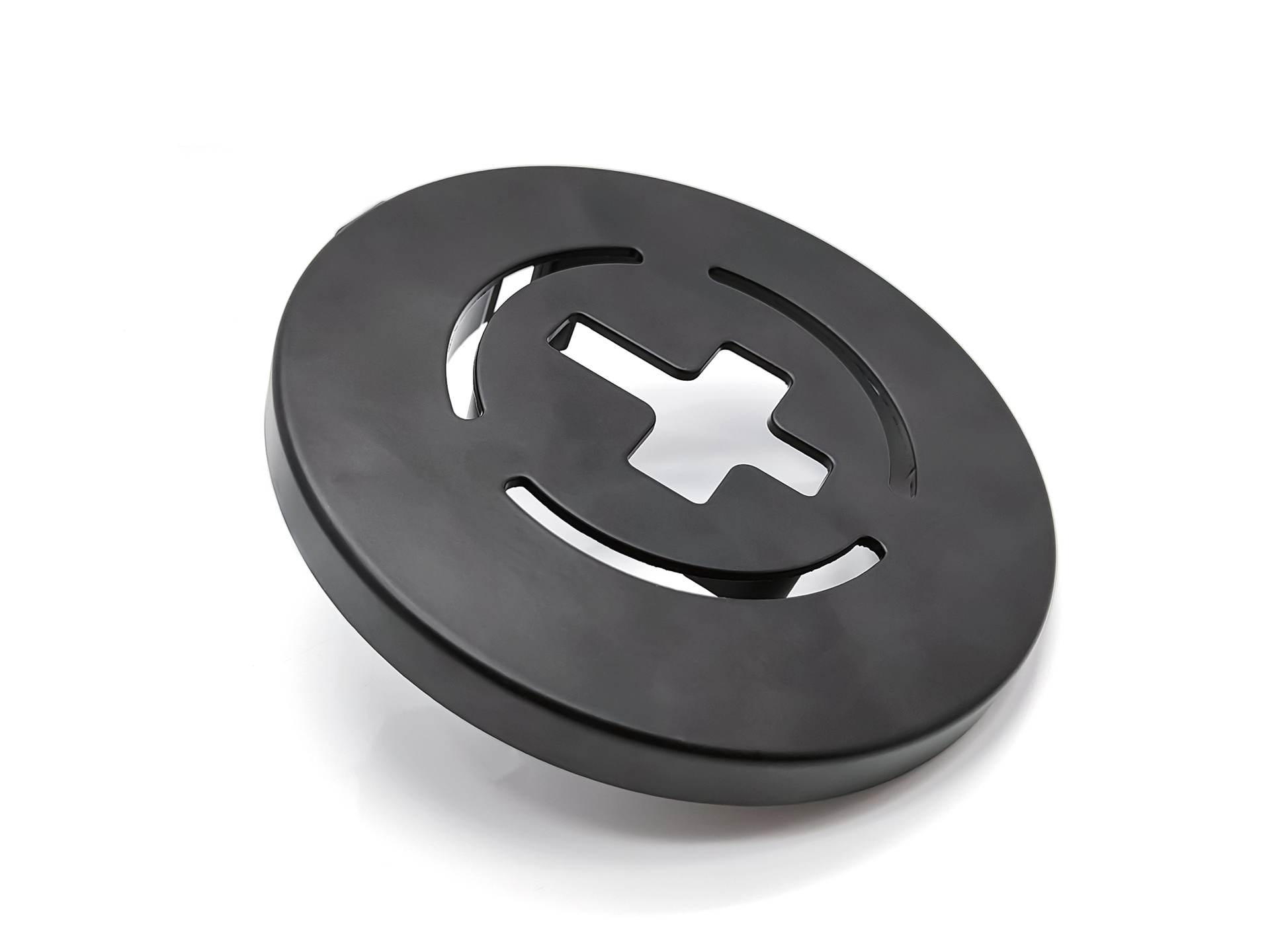
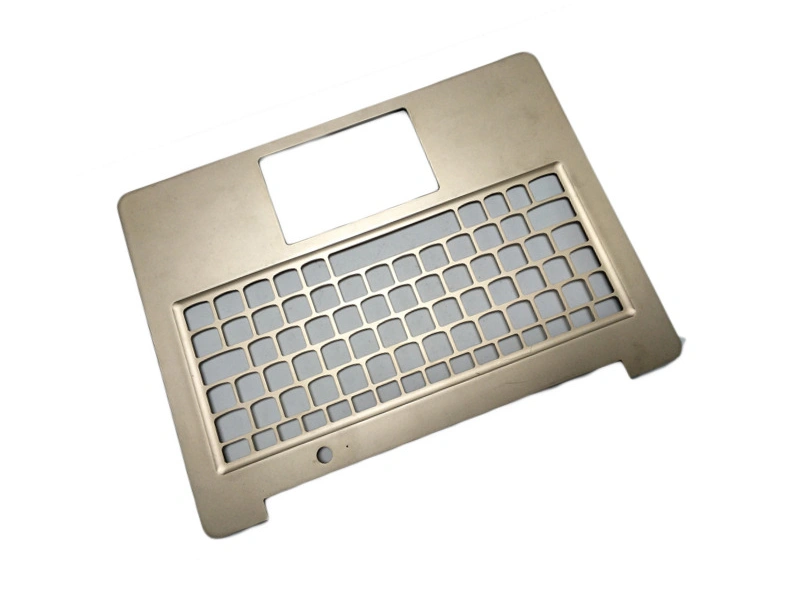
A supplier that supports multi-material metal casting services can help buyers manage aluminum, zinc and copper casting projects through one engineering and production system. This can reduce communication cost, unify DFM review standards, align tooling evaluation, support material selection, standardize CNC machining and inspection, and simplify long-term project management.
For buyers with multiple product lines, choosing a custom metal casting supplier that can handle aluminum die casting, zinc die casting, copper die casting, tooling and CNC machining can reduce material selection errors, process-switching risk and supply chain management cost.
1. Why Multi-Material Casting Support Matters
Buyer Need | How One Supplier Helps | Commercial Value |
|---|---|---|
Multiple product lines | Supports different part materials under one supplier system | Reduces supplier management complexity |
Consistent DFM review | Uses similar review logic for casting, tooling, CNC machining and finishing | Improves project comparison and decision speed |
Material selection support | Matches aluminum, zinc or copper alloy to product function | Reduces wrong material selection risk |
Unified quality standards | Applies consistent inspection logic across materials and batches | Improves long-term quality control |
Long-term project iteration | Supports product updates, new versions and cost improvement | Reduces engineering communication time |
2. How Aluminum, Zinc and Copper Projects Differ
Each casting material has a different application focus. A supplier with multi-material capability can help buyers choose the right process according to weight, size, appearance, conductivity, surface finish and production volume.
Material Route | Typical Use | Supplier Must Control |
|---|---|---|
Aluminum die casting | Lightweight housings, brackets, covers, heat sinks and structural parts | Porosity, shrinkage, cooling, machining allowance and coating quality |
Zinc die casting | Small precision parts, decorative parts, connectors and hardware | Fine details, flash, burrs, surface finish, plating and coating |
Copper die casting | Conductive, thermal, wear-resistant and special functional parts | Tool wear, functional surfaces, machining accuracy and inspection |
3. How Tooling and CNC Machining Support All Materials
Even with different materials, buyers still need strong tool and die making and CNC machining after die casting. Tooling controls casting stability, while CNC machining controls holes, threads, sealing faces, datums and high-tolerance features.
Capability | Role Across Materials | Buyer Benefit |
|---|---|---|
DFM review | Checks part design, material suitability, tooling risk and machining needs | Reduces mold changes and sample failure |
Tool and die making | Controls cavity, gate, runner, venting, cooling, parting line and ejection | Improves batch stability and finished part quality |
CNC machining | Controls functional holes, threads, surfaces and datums after casting | Improves assembly fit and inspection consistency |
Inspection | Checks dimensions, surfaces, machined features and batch consistency | Supports long-term order quality |
4. How One Supplier Reduces Supply Chain Cost
A one-stop metal casting service can reduce repeated communication between multiple suppliers. Buyers can use one engineering review system for material selection, tooling planning, CNC machining, finishing, inspection and delivery feedback.
Supply Chain Problem | How One Supplier Helps | Buyer Benefit |
|---|---|---|
Multiple supplier communication | Centralizes engineering and production discussion | Reduces time and misunderstanding |
Different DFM standards | Uses consistent review logic for different materials | Makes process comparison easier |
Separate casting and machining suppliers | Coordinates casting allowance, datums and machining plans together | Reduces fixture problems and rework |
Unclear quality responsibility | Combines casting, machining, finishing and inspection feedback | Improves defect handling and corrective action |
5. What Buyers Should Check in a Multi-Material Supplier
Supplier Capability | Why It Matters |
|---|---|
Aluminum, zinc and copper casting experience | Helps match material to product function and cost target |
Tooling capability | Controls mold design, tool life, sample quality and batch stability |
CNC machining capability | Supports finished holes, threads, datums and functional surfaces |
Surface finishing management | Controls coating, plating, painting, polishing and cosmetic standards |
Inspection and reporting | Supports traceability, batch consistency and long-term quality control |
Long-term production support | Helps buyers manage repeat orders, design updates and cost improvement |
6. Summary
One Supplier Can Support Buyers By | Main Value |
|---|---|
Handling aluminum, zinc and copper casting projects | Matches different materials to different product functions |
Providing unified DFM and tooling review | Reduces design, material and tooling selection risk |
Coordinating CNC machining and inspection | Improves finished dimensions and batch consistency |
Managing surface treatment requirements | Reduces coating, plating and appearance disputes |
Supporting long-term production feedback | Reduces supply chain complexity and improves production stability |
In summary, one supplier can support aluminum, zinc and copper casting projects by combining material selection, DFM review, tool and die making, CNC machining, finishing, inspection and long-term production support. For buyers with multiple product lines, a multi-material metal casting services supplier can reduce communication cost, process-switching risk, material selection errors and supply chain management complexity.