How Do Buyers Choose the Best Alloy for Die Casting?
How Do Buyers Choose the Best Alloy for Die Casting?
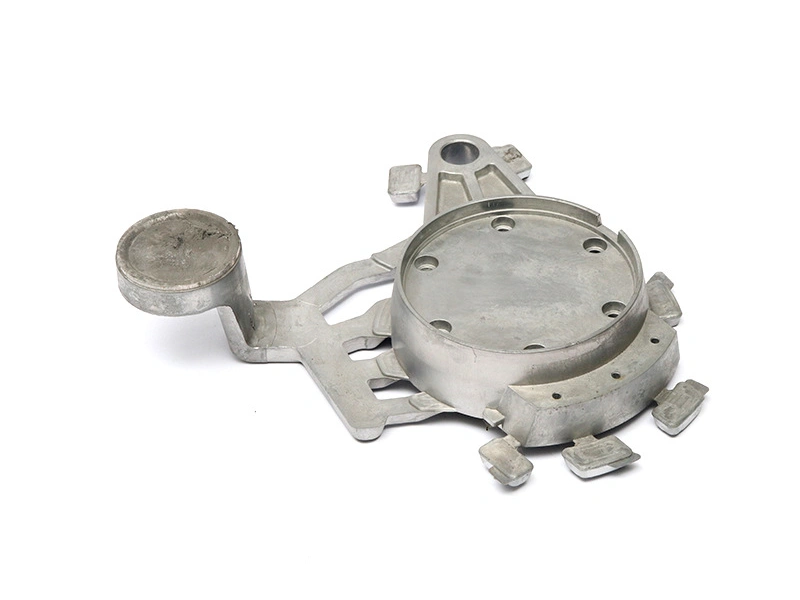
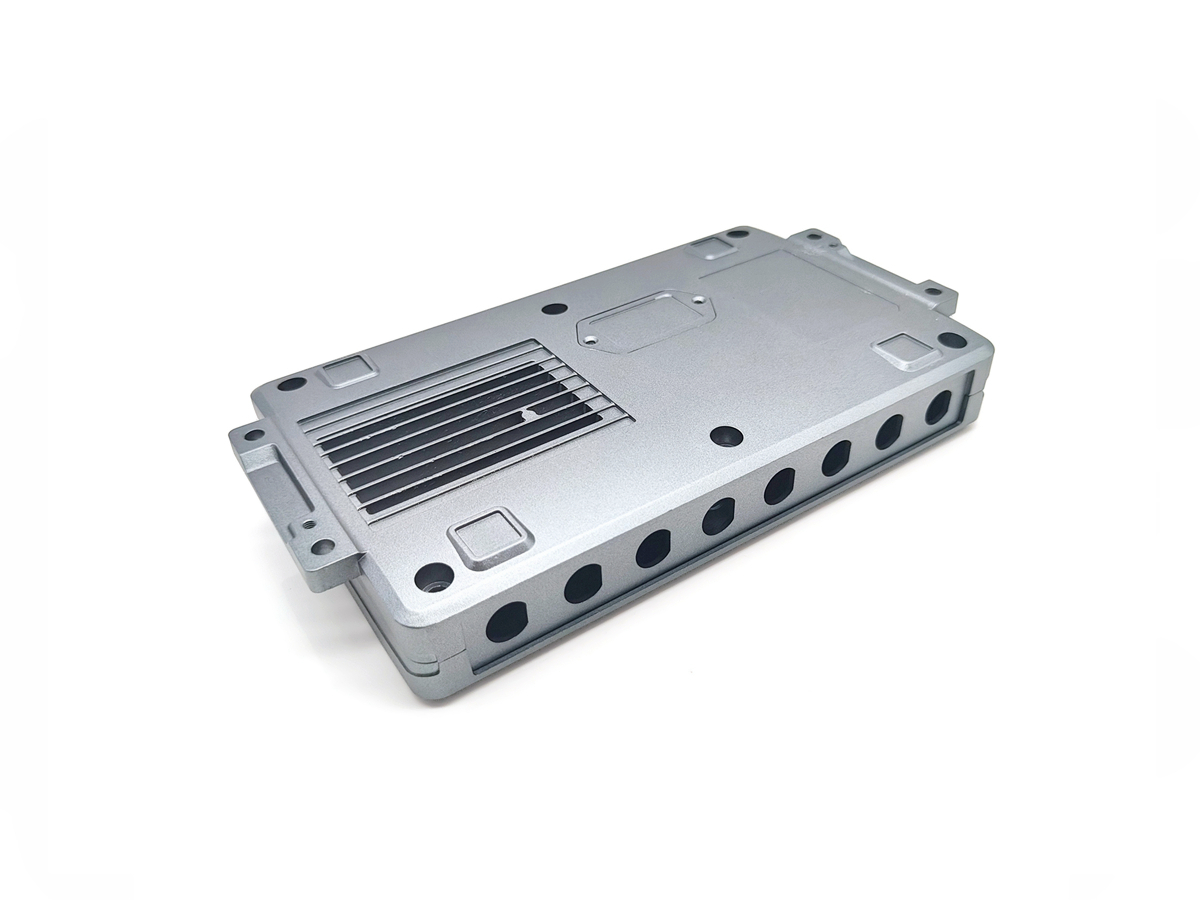
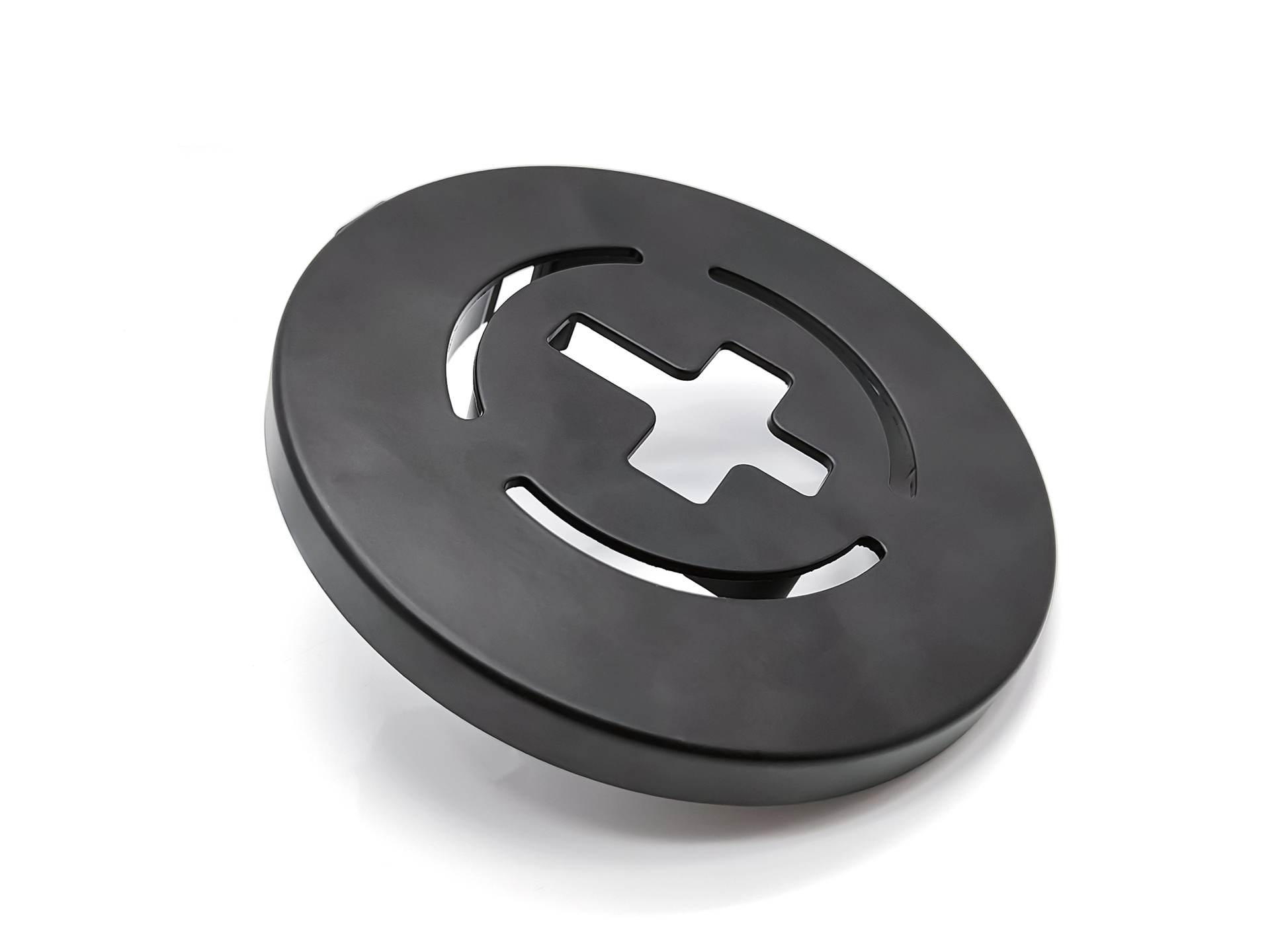
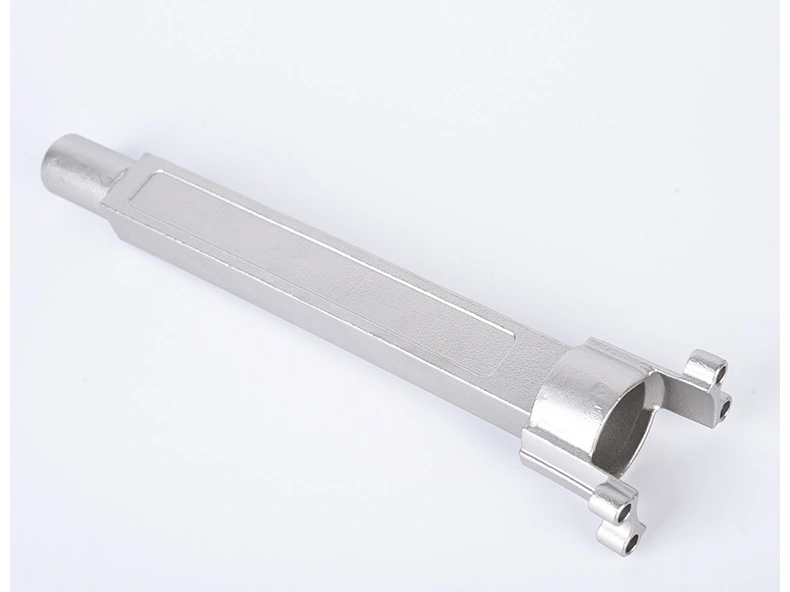
Buyers should choose the best alloy for die casting based on product function, not only material price. The right alloy depends on whether the part needs lightweight structure, heat dissipation, electrical conductivity, wear resistance, high surface quality, complex geometry, CNC machining, coating, plating, painting, annual demand and target cost.
A professional custom metal casting supplier should evaluate the drawing, use environment, surface treatment, tooling for alloy die casting, production quantity and post-processing requirements together before recommending aluminum, zinc or copper alloy die casting.
1. Main Factors for Alloy Die Casting Material Selection
Selection Factor | Why It Matters | Common Alloy Direction |
|---|---|---|
Lightweight requirement | Weight affects product handling, assembly and performance | |
Thermal requirement | Heat dissipation may be critical for housings, lighting and equipment | Aluminum or copper alloy depending on thermal and cost targets |
Electrical conductivity | Conductive parts need material performance beyond basic structure | |
Precision and small details | Small parts may need stable dimensions and fine features | |
Surface appearance | Decorative parts may need plating, painting, coating or polishing | Zinc or aluminum depending on appearance and product use |
CNC machining needs | Machined holes, threads and functional faces affect total cost |
2. When Aluminum, Zinc or Copper Alloy Is Better
There is no single best alloy for every die casting project. The best choice depends on how the part will be used and what performance the buyer needs.
Alloy Option | Best For | Buyer Should Choose It When |
|---|---|---|
Aluminum alloy | Lightweight parts, housings, heat sink structures and larger components | Weight reduction, thermal structure and scalable production matter |
Zinc alloy | Small complex parts, decorative parts, hardware and precision features | Detail, dimensional stability and surface quality matter |
Copper alloy | Conductive, thermal, wear-resistant and special functional metal parts | Electrical, thermal or wear performance is more important than lowest material cost |
3. Why Buyers Should Not Choose Only by Material Price
Material price is only one part of alloy die casting cost. A cheaper material may increase tooling risk, CNC machining cost, surface treatment difficulty or product failure risk if it does not match the application.
Wrong Selection Method | Possible Risk | Better Method |
|---|---|---|
Choose only the cheapest alloy | Part may fail strength, appearance, conductivity or heat requirements | Compare function, production stability and total cost |
Specify alloy without supplier review | Tooling, casting and finishing risks may be missed | Ask supplier to review drawing and application |
Ignore CNC machining | Finished part cost may be underestimated | Mark critical dimensions and machining areas in RFQ |
Ignore surface treatment | Coating, plating or painting may fail or increase cost | Confirm finish requirements before tooling |
4. What Buyers Should Provide for Alloy Selection
To choose the right alloy, buyers should provide 2D drawings, 3D models, product function, use environment, expected load, weight target, surface treatment requirement, CNC machining areas, tolerance requirements, annual demand, order quantity and target cost.
Buyer Information | Why It Matters |
|---|---|
Product function | Shows whether the part needs strength, conductivity, thermal performance or appearance |
Use environment | Helps evaluate corrosion, heat, wear and durability requirements |
Drawing and tolerance | Helps review manufacturability, critical dimensions and machining needs |
Surface treatment | Helps choose an alloy compatible with coating, plating, painting or polishing |
Production volume | Helps evaluate tooling cost, unit cost and long-term production stability |
5. Summary
Buyer Need | Recommended Alloy Direction |
|---|---|
Lightweight structure | Aluminum die casting |
Small precision parts | Zinc die casting |
Conductive or thermal function | Copper die casting |
Decorative surface quality | Zinc or aluminum, depending on product and finish |
High total cost control | Evaluate material, tooling, machining, finishing and volume together |
In summary, buyers should choose the best alloy for die casting based on product function, not only material price. Aluminum is useful for lightweight and structural parts. Zinc is useful for small precision and decorative parts. Copper alloy is useful for conductive, thermal and wear-resistant parts. The final decision should consider drawings, use environment, surface treatment, tooling, CNC machining, annual demand and total manufacturing cost.