How Do Metal Casting Solutions Balance Material, Process and Production Volume?
How Do Metal Casting Solutions Balance Material, Process and Production Volume?
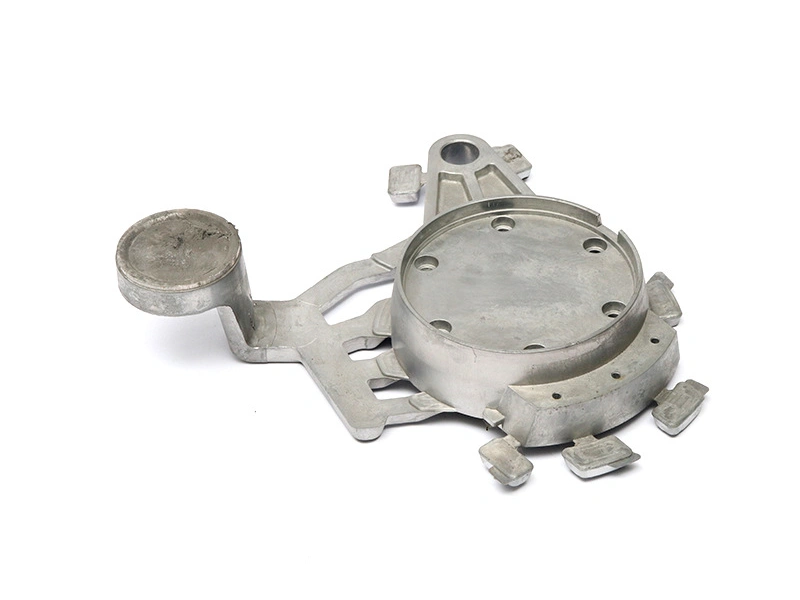
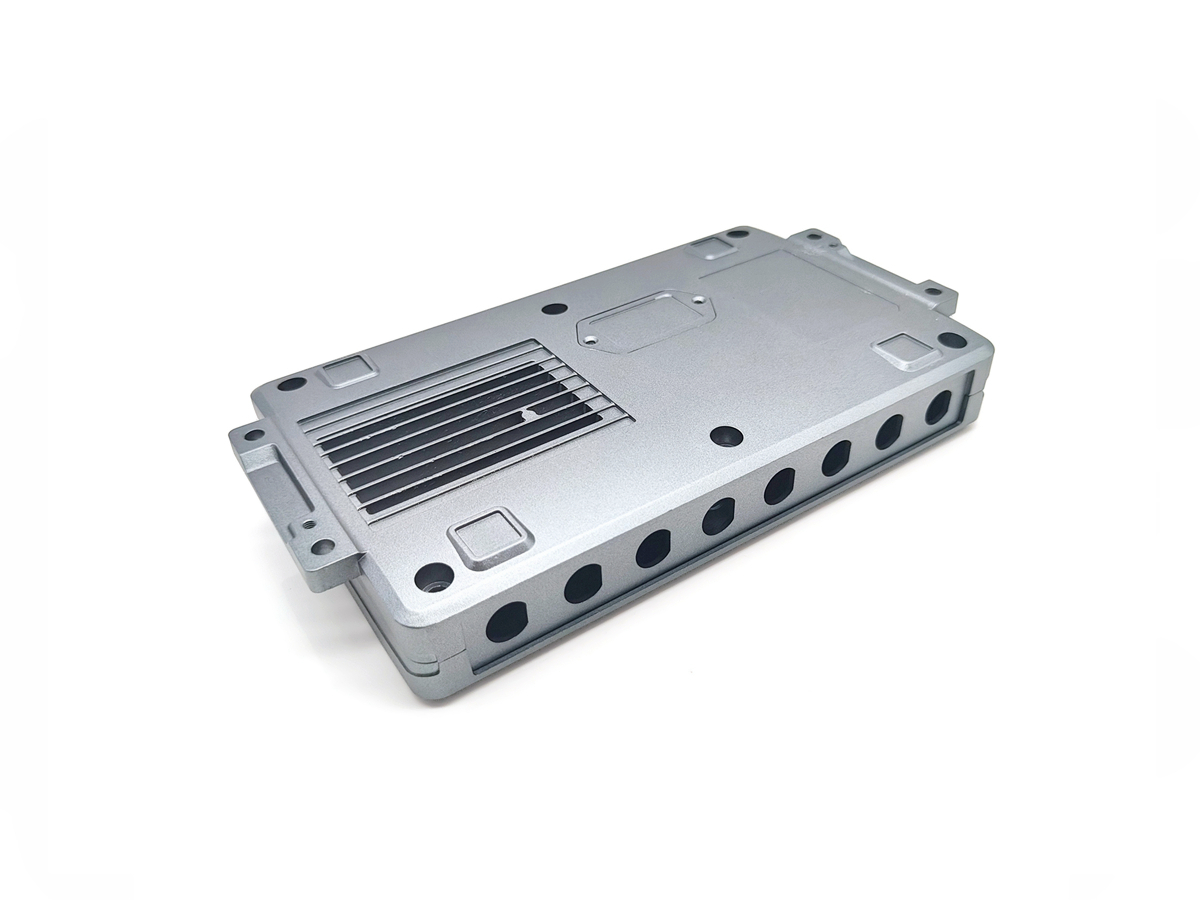
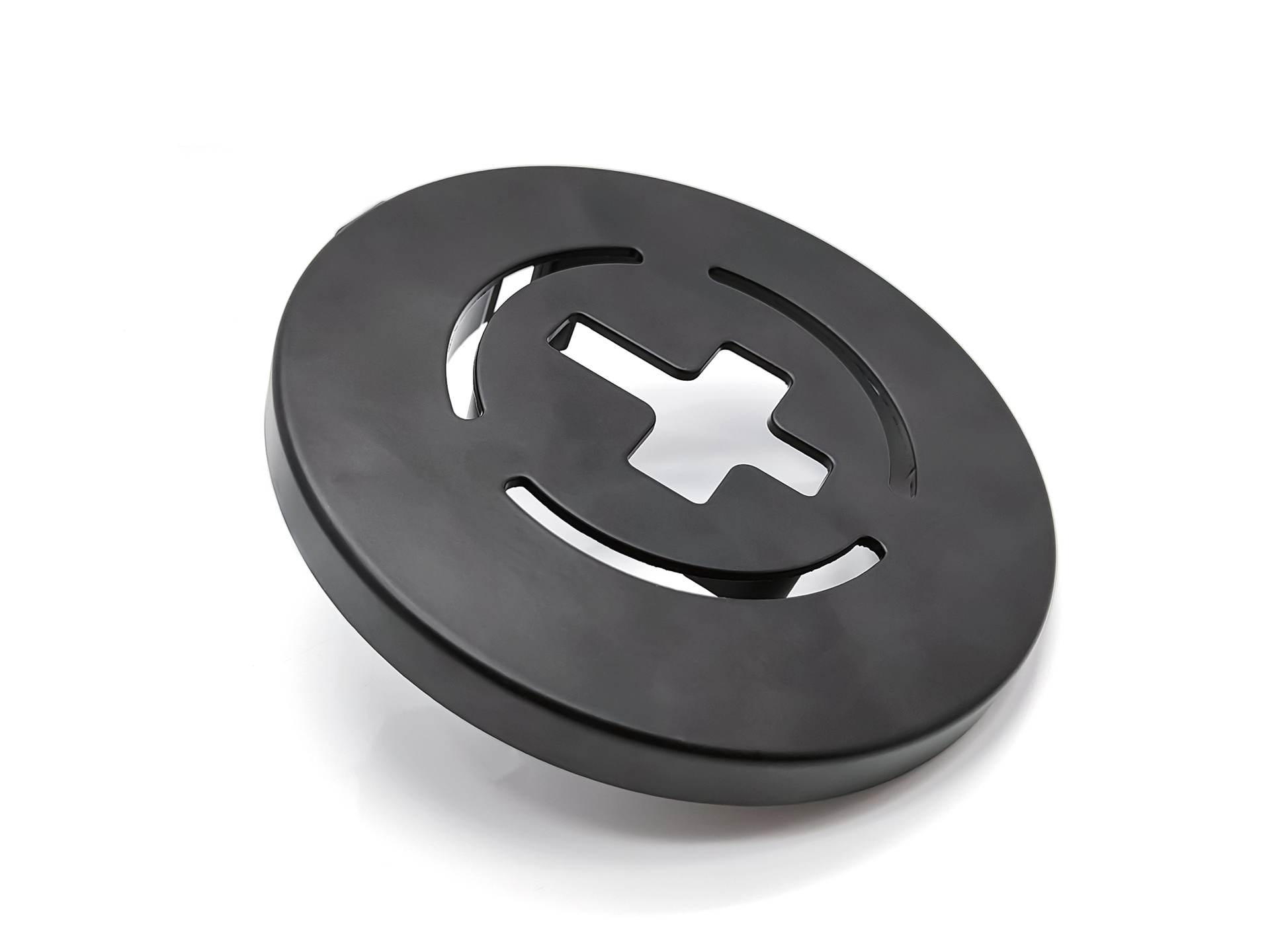
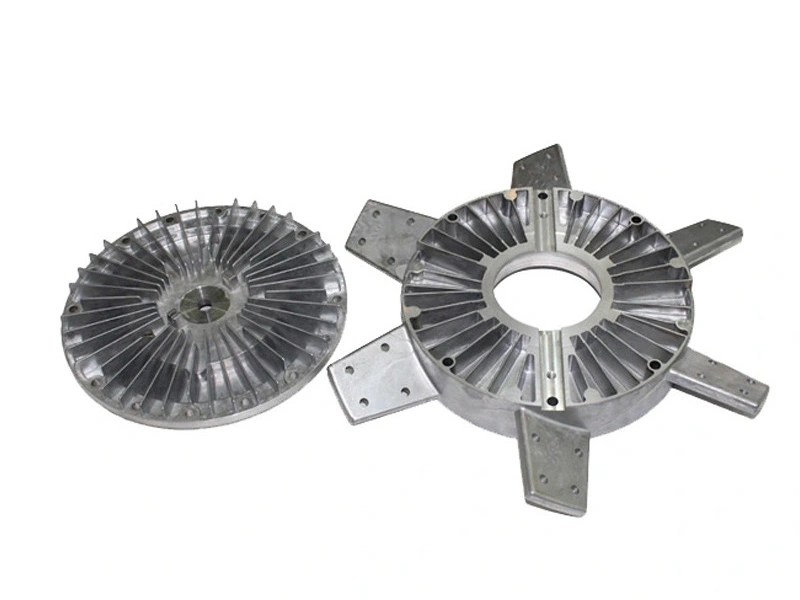
Metal casting solutions balance material, process and production volume by matching the part's application with suitable alloys, tooling investment, CNC needs, surface finishing, inspection level and production stage. Prototype, low-volume and mass production projects often require different solution paths.
1. Why Production Volume Changes the Solution
A project at the prototype stage should focus on validating design, function and application fit. A low-volume project should focus on trial production, process stability and small-batch quality. A mass production project should focus on tooling efficiency, quality control, batch consistency and long-term cost.
If buyers use a mass production tooling strategy too early, the upfront cost may be too high. If buyers manage a mass production project like a sample order, batch consistency and delivery stability may become weak.
Production Stage | Solution Focus | Buyer Decision |
|---|---|---|
Prototype | Design and function validation | Decide whether the structure, material and function need optimization. |
Low-volume | Trial production and process check | Decide whether the project is ready for mass production. |
Mass production | Tooling efficiency and quality control | Decide whether to establish long-term standards and production capacity. |
Repeat orders | Batch consistency | Lock material, inspection standards, packaging and traceability records. |
2. How Material and Tooling Affect Production Cost
Material affects performance, weight, finishing quality and production behavior. Tooling affects upfront investment, cycle efficiency, cavity layout, mold life and long-term unit cost. A low-volume project may not need the same tooling strategy as a mass production project.
Buyers should confirm production volume before choosing the tooling path. Neway can support tooling for metal casting solutions based on project stage, annual demand and long-term production goals.
3. How CNC and Surface Finishing Fit the Production Plan
CNC machining and surface finishing should be included in the total manufacturing plan, not added after casting. Functional dimensions may require CNC machining for cast metal parts, while appearance or corrosion requirements may require surface finishing and final inspection.
The timing of these processes may also change by production stage. Prototype parts may need faster validation, low-volume parts may need process verification and mass production parts need repeatable standards.
Planning Risk | Possible Result | Better Control |
|---|---|---|
High-cost tooling is used too early | Prototype or small-batch cost may become too high. | Use prototype metal casting solutions first when design is not mature. |
Mass production is managed like sampling | Quality and delivery may become unstable. | Use mass production metal casting solutions with process control. |
No low-volume trial before scaling | Batch problems may appear too late. | Use low-volume metal casting solutions to verify stability. |
CNC and surface finish are not included in cost | Total cost and lead time may change after sample approval. | Include machining, finishing and inspection in the early plan. |
4. How Neway Plans Casting Solutions by Stage
Neway can help buyers plan metal casting solutions by production stage. Prototype projects can focus on design and functional validation. Low-volume projects can verify process and quality. Mass production projects can lock tooling, inspection, packaging and traceability standards.
Summary
Buyer Concern | Recommended Solution Path |
|---|---|
The design is still changing. | Use prototype validation before committing to production tooling. |
The buyer needs small-batch proof. | Use low-volume production to verify process stability. |
The project needs long-term production. | Use mass production planning with tooling, QC and traceability standards. |
The part needs finished delivery. | Include CNC machining, surface finishing, inspection and packaging in the solution. |