How Does a Manufacturer Choose Between Aluminum, Zinc and Copper Castings?
How Does a Manufacturer Choose Between Aluminum, Zinc and Copper Castings?
A manufacturer chooses between aluminum, zinc and copper castings by comparing part weight, strength, detail complexity, surface finish, thermal performance, electrical conductivity, corrosion resistance, machining needs, assembly requirements and production volume. A professional custom metal castings manufacturer should recommend materials based on application requirements, not only material price.
1. Why Material Selection Affects the Whole Project
Material choice affects tooling, casting parameters, CNC machining, surface finishing, inspection and final product performance. If the wrong material is selected, the part may become too heavy, too weak, difficult to finish, unsuitable for assembly or unable to meet thermal or electrical requirements.
For custom metal castings, buyers should share drawings, product application, performance requirements, surface finish expectations and annual volume so the manufacturer can compare suitable casting routes.
Casting Material | Suitable Custom Parts | Key Decision Factor |
|---|---|---|
Housings, brackets, covers, structural parts and heat-related parts | Weight, structure and thermal performance. | |
Hardware, decorative parts, small components and assembly parts | Fine detail, dimensional stability and surface finish. | |
Conductive, thermal and corrosion-related components | Electrical conductivity, heat transfer and corrosion behavior. | |
Copper alloys | Valves, fittings and selected mechanical parts | Strength, working environment and functional durability. |
2. When Aluminum Castings Are Suitable
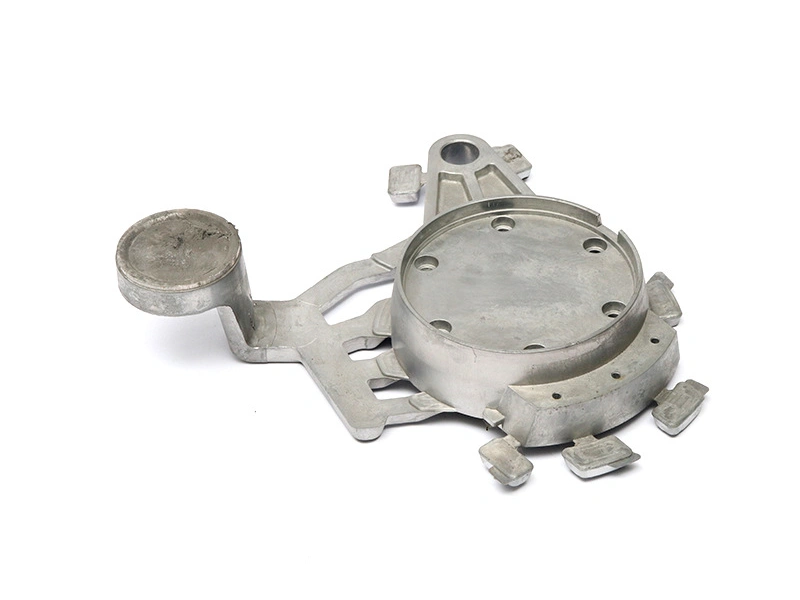
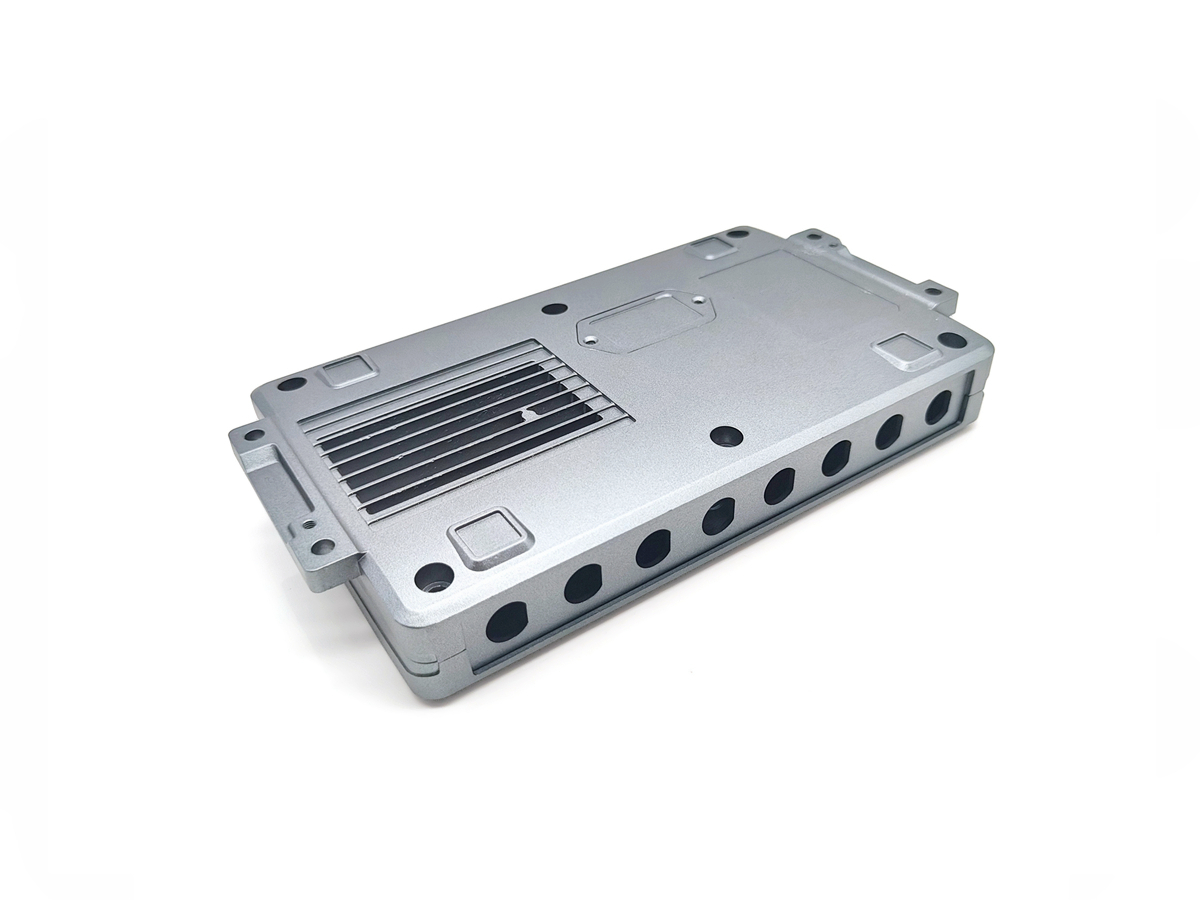
Aluminum castings are often suitable for lightweight structures, housings, brackets, covers, automotive components, electronics housings and heat-related parts. Buyers usually choose aluminum when weight reduction, strength-to-weight balance, thermal performance or larger part geometry matters.
If the part needs lighter weight and stable production, aluminum die casting should be reviewed together with tooling, post-machining and surface treatment requirements.
3. When Zinc Castings Are Suitable
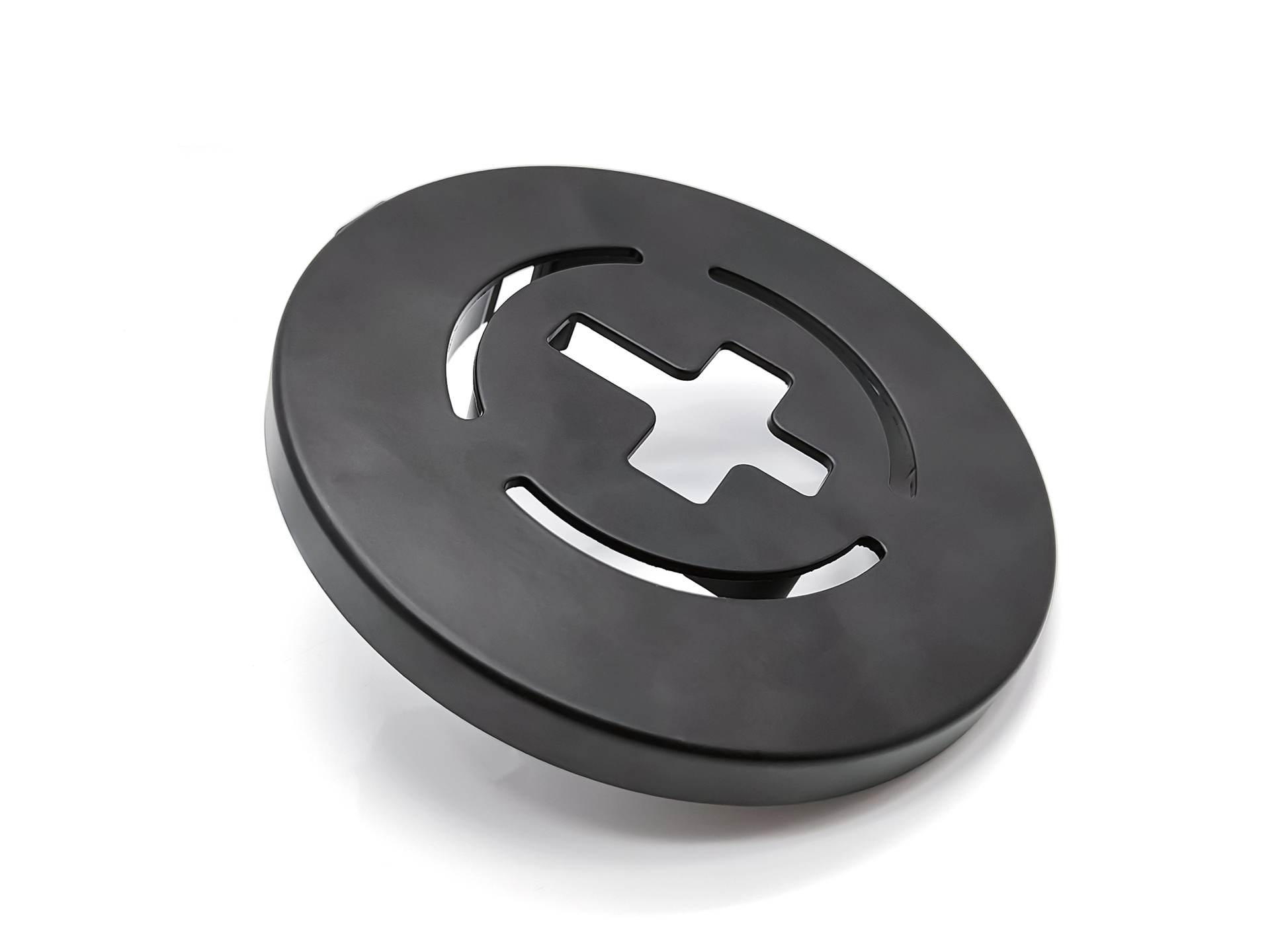
Zinc castings are often suitable for small complex parts, decorative hardware, locks, hinges, connectors, product trims and compact assembly parts. Zinc alloys can support fine details, stable dimensions and surface finishing for many small to medium components.
For appearance-focused or small complex parts, zinc may provide strong value when detail reproduction, metal feel and surface quality are important.
4. When Copper Castings Are Suitable
Copper castings should be reviewed when parts require electrical conductivity, thermal performance, corrosion resistance or specific mechanical performance. These parts may appear in electrical, thermal, valve, fitting or industrial applications where material performance is more important than lightweight design.
Neway can support casting material selection and engineering support for custom castings when buyers are unsure whether aluminum, zinc or copper is the safest option.
Material Selection Risk | Possible Result | Better Decision Method |
|---|---|---|
Choosing only by material price | The part may fail in function, weight, finish or durability. | Choose material based on final application and production volume. |
Using high-density material for lightweight parts | The final product may become too heavy. | Review aluminum castings for lightweight structures. |
Ignoring zinc advantages for small cosmetic parts | Detail, appearance or finishing potential may be reduced. | Review zinc castings for small complex decorative components. |
Ignoring copper performance needs | Electrical or thermal performance may not meet requirements. | Review copper casting when conductivity or heat transfer matters. |
Separating material choice from post-processing | Machining, finishing or assembly conflicts may appear later. | Review material, tooling, CNC, finishing and assembly together. |
Summary
Buyer Requirement | Recommended Material Direction |
|---|---|
Lightweight housing or structural part | Review aluminum casting for weight and structural balance. |
Small complex or decorative part | Review zinc casting for detail, finish and dimensional stability. |
Conductive or thermal part | Review copper casting for electrical and heat-related performance. |
Unclear material choice | Let Neway evaluate the drawing, application, finish, machining and production volume together. |