How Should Buyers Match Metal Casting Services to Product Requirements?
How Should Buyers Match Metal Casting Services to Product Requirements?
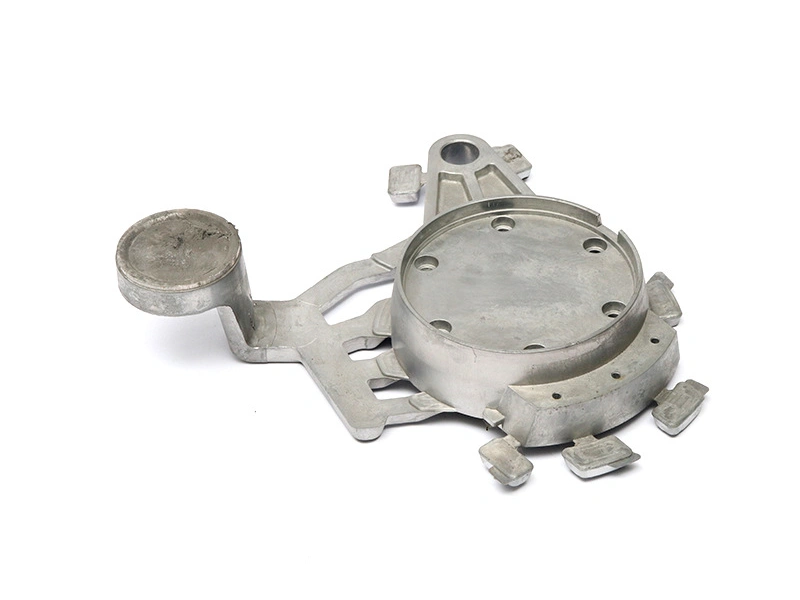
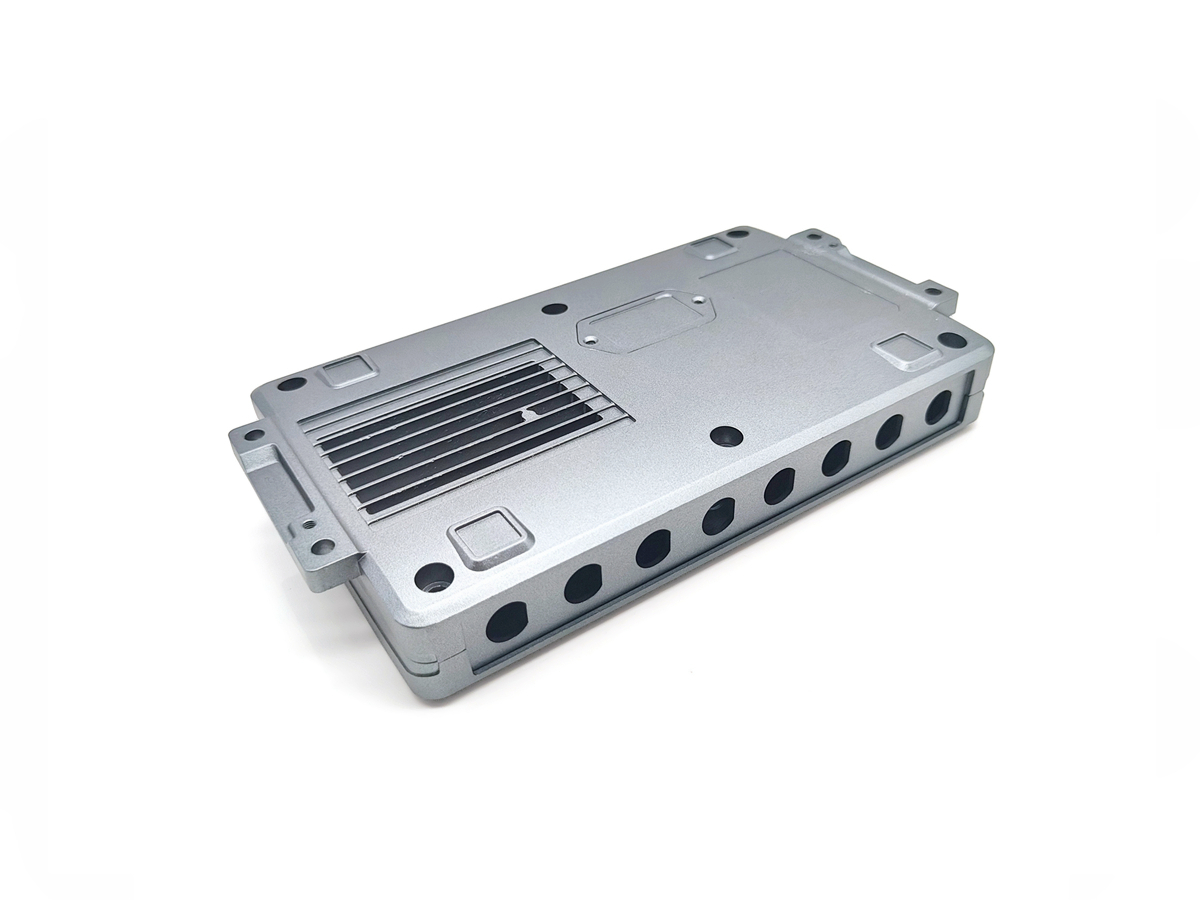
Buyers should match metal casting services to product requirements by reviewing weight, thermal performance, electrical conductivity, wear resistance, appearance quality, part size, structural complexity, production volume, CNC machining needs, coating or plating requirements and long-term batch stability.
The goal of custom metal casting is not only to make a metal part. The better goal is to select the right material, tooling strategy, post-machining plan, surface treatment route and production method according to the final product function and long-term order demand.
1. Match the Casting Route to Product Function
Product Requirement | Recommended Direction | Why It Matters |
|---|---|---|
Lightweight structure | Useful for housings, brackets, covers and products where weight reduction matters | |
Small precision features | Suitable for small complex parts, hardware, connectors and decorative components | |
Conductive or thermal function | Useful when electrical conductivity, heat transfer or wear resistance is required | |
Complex metal structures | Custom die cast metal parts | Die casting can form ribs, bosses, housings and mounting features efficiently |
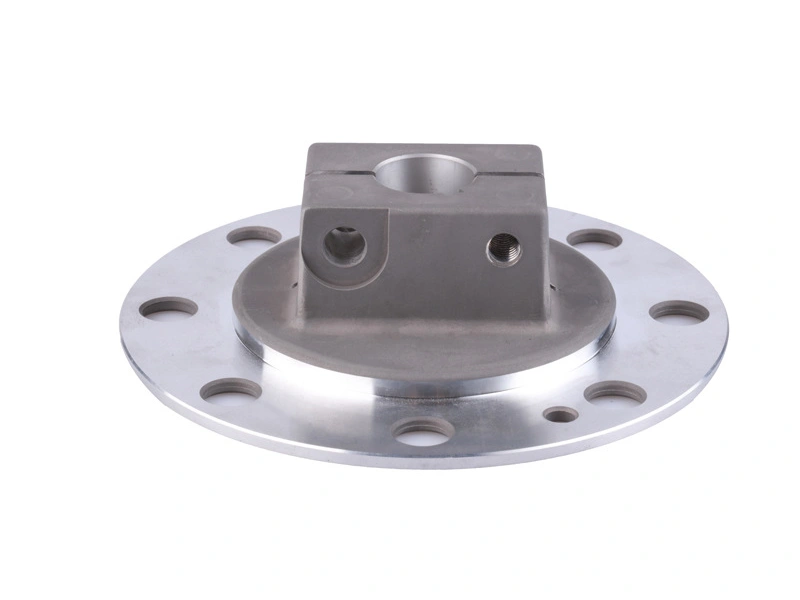
Finished functional parts | Casting plus CNC machining and finishing | Controls holes, threads, sealing faces, datums and final surface requirements |
2. Match Material Selection to Performance Needs
Material selection should be based on product function rather than material price alone. Different metals affect weight, strength, surface treatment, tooling, CNC machining, inspection and long-term cost.
Material Route | Best Fit | Buyer Should Consider |
|---|---|---|
Aluminum die casting | Lightweight structures, heat sinks, housings, covers and brackets | Weight target, heat dissipation, machining allowance and coating needs |
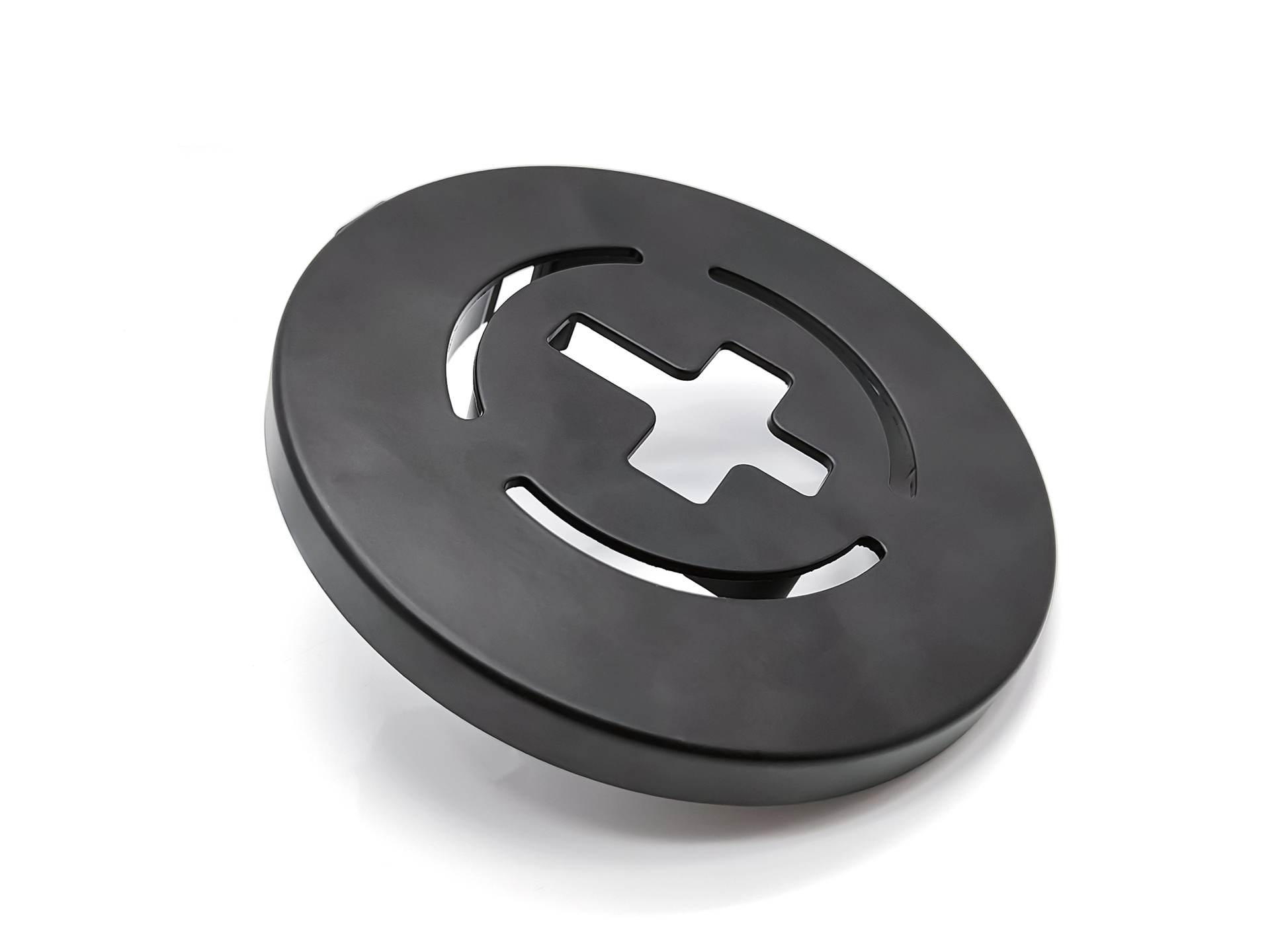
Zinc die casting | Small complex parts, decorative parts, connectors and precision hardware | Detail quality, dimensional stability, plating, coating and burr control |
Copper die casting | Conductive, thermal, wear-resistant and functional metal parts | Performance value, tool wear, machining cost and inspection requirements |
3. Match Tooling, CNC Machining and Finishing to the Final Part
Tooling for metal casting services affects part shape, filling, cooling, ejection, surface marks and batch repeatability. CNC machining after metal casting is often needed for holes, threads, sealing faces, datum surfaces and high-tolerance areas.
Process Requirement | Why It Should Be Planned Early | Buyer Benefit |
|---|---|---|
Tooling layout | Controls gate marks, parting line, ejector marks and casting stability | Reduces trial changes and appearance problems |
CNC machining areas | Requires machining allowance, stable datums and fixture planning | Improves finished accuracy and quote reliability |
Surface treatment | Coating, plating or painting can affect appearance, thickness and assembly | Reduces finishing disputes and rework |
Inspection standard | Defines how dimensions, surfaces and finished parts will be accepted | Improves communication and batch quality control |
4. Summary
Buyer Need | Recommended Metal Casting Service Direction |
|---|---|
Lightweight parts | Use aluminum die casting and plan CNC machining only for critical areas |
Small precision parts | Use zinc die casting and control details, burrs and surface finishing |
Conductive or thermal parts | Review copper die casting and plan functional machining surfaces |
Finished custom metal parts | Plan tooling, casting, CNC machining, surface finishing and inspection together |
In summary, buyers should match metal casting services to product function, material performance, tooling complexity, CNC machining requirements, surface treatment standards and long-term production volume. The best manufacturing route is the one that supports product performance, stable quality and total cost control at the same time.