How Should Buyers Plan Surface Finishing and Machined Features for Die Casting Parts?
How Should Buyers Plan Surface Finishing and Machined Features for Die Casting Parts?
Buyers should plan surface finishing for die casting parts and machined features before tooling starts. They should define cosmetic surfaces, functional surfaces, polishing areas, painting, powder coating or plating requirements, machined holes, threads, flatness areas, coating masking areas and inspection requirements.
If surface finishing and machined features are not planned early, the project may face quotation changes, fixture difficulty, coating masking problems, appearance disputes and batch rework. Buyers should confirm these requirements with the supplier before tool and die making.
1. Define Cosmetic, Functional and Hidden Surfaces
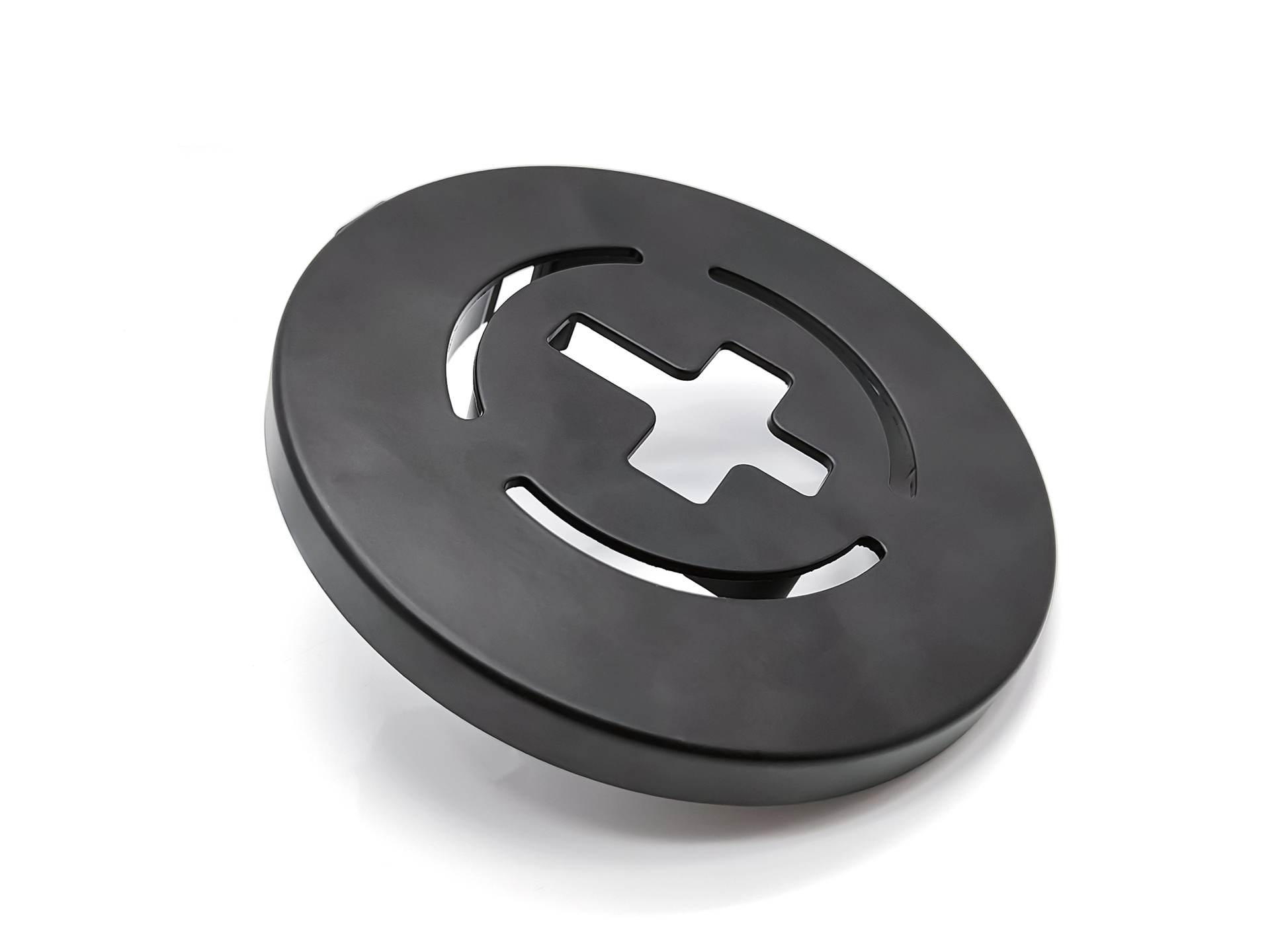
Not every surface needs the same finishing or machining standard. Buyers should separate cosmetic surfaces, functional surfaces and hidden surfaces before quotation and tooling design.
Surface Type | Recommended Planning | Reason |
|---|---|---|
Cosmetic surfaces | Define polishing, coating, painting, plating and acceptable defects | Controls final appearance and buyer acceptance |
Functional surfaces | Define machining, flatness, roughness, masking and inspection | Controls fit, sealing, contact and assembly reliability |
Hidden surfaces | Use as-cast or basic finishing if function allows | Controls cost by avoiding unnecessary finishing |
Coating-free areas | Mark areas that should be masked during coating or plating | Prevents fit problems and functional surface issues |
2. Plan Machined Features Before Tooling
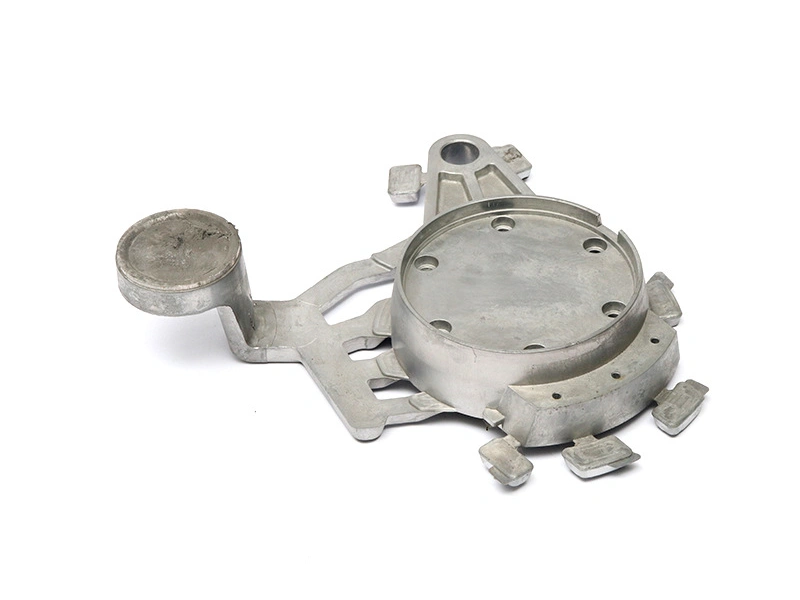
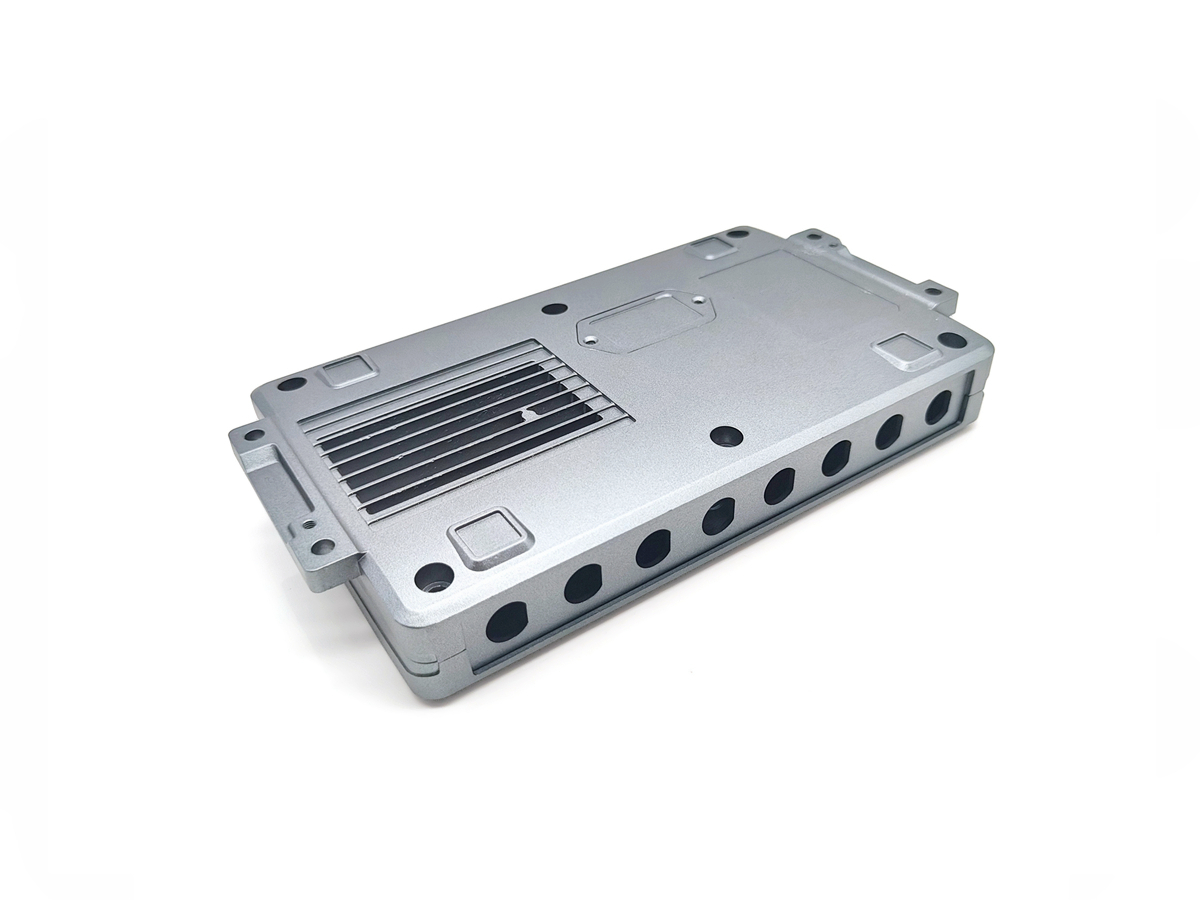
Many machined die casting parts require CNC post-machining for precision holes, threads, sealing faces, mounting faces, bearing holes, datum surfaces and high-tolerance areas. These features need machining allowance and stable datums before tooling is built.
Machined Feature | Why It Needs Planning | Buyer Should Define |
|---|---|---|
Machined holes | Hole accuracy may affect assembly and fastening | Hole size, position tolerance and inspection method |
Threads | Threads often need drilling and tapping after casting | Thread size, depth and acceptance standard |
Flatness areas | Mounting and sealing faces need controlled flatness | Flatness, roughness and datum requirements |
Assembly datums | Datums affect fixture setup and inspection repeatability | Datum location, tolerance and measurement method |
3. Plan Surface Finishing by Material Route
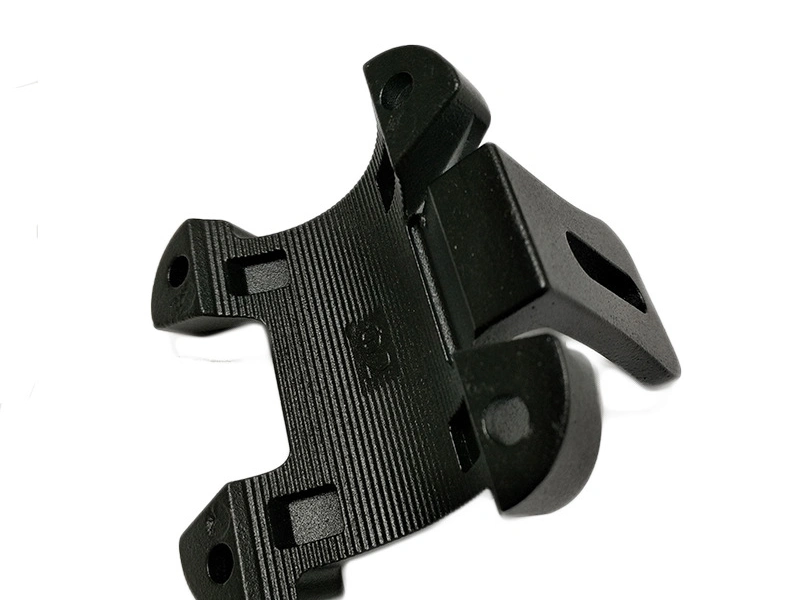
Surface finishing requirements vary by material. Aluminum die casting surface finish may include polishing, painting, powder coating or other finishing. Zinc die casting coating often focuses on decorative appearance, plating, coating, painting and cosmetic inspection. Copper die casting machined features may need controlled contact faces, functional surfaces and inspection.
Material Route | Common Finishing or Machining Focus | Buyer Should Confirm |
|---|---|---|
Aluminum die casting | Polishing, painting, coating, machined holes, sealing faces and structural datums | Cosmetic surfaces, machined areas, coating requirement and inspection |
Zinc die casting | Plating, painting, coating, polishing, small threads and precision holes | Appearance standard, coating thickness, masking and cosmetic defects |
Copper die casting | Conductive contact faces, sealing faces, precision holes and functional surfaces | Contact surface, machining tolerance and inspection requirements |
4. How Tooling Planning Reduces Finishing and Machining Risk
Tool and die making affects finishing and machining. Gate location, parting line, ejector marks, machining allowance, datum surfaces and flash areas should be reviewed before tooling to reduce later rework.
Tooling Planning Area | Effect on Finishing or Machining | Buyer Risk if Ignored |
|---|---|---|
Gate location | May leave visible marks or trimming areas | Cosmetic defects and extra polishing |
Parting line | Affects flash, polishing and coating appearance | Appearance disputes and extra finishing cost |
Ejector pin position | May leave marks on visible surfaces | Sample rejection or added polishing |
Machining allowance | Controls whether machined areas can clean up properly | Rejected machined surfaces and mold modification |
Masking areas | Controls where coating should not cover functional surfaces | Fit problems and coating rework |
5. Define Inspection Requirements for Finished Parts
Buyers should define which dimensions require full inspection and which can be checked by sampling. They should also define coating inspection, cosmetic inspection and functional surface checks before production.
Inspection Item | What to Confirm | Why It Matters |
|---|---|---|
Machined dimensions | Full inspection or sampling for holes, faces and datums | Controls assembly and functional reliability |
Surface finish | Color, gloss, coating thickness, adhesion and cosmetic defects | Reduces appearance disputes |
Masked areas | Which surfaces must remain free of coating | Prevents fit, contact or sealing problems |
Packaging inspection | Scratch protection, separation and delivery condition | Protects finished appearance during shipping |
6. Summary
Buyers Should Plan | Purpose |
|---|---|
Cosmetic and functional surfaces | Separate appearance requirements from functional requirements |
Polishing, coating, painting or plating | Control surface appearance, protection and acceptance standards |
Machined holes, threads and flatness areas | Control assembly, sealing, fastening and precision fit |
Masking and coating-free areas | Prevent coating from affecting functional surfaces |
Inspection method | Define full inspection, sampling inspection and appearance standards |
In summary, buyers should plan surface finishing and machined features before tooling starts. Cosmetic surfaces, functional surfaces, polishing, painting, powder coating, plating, machined holes, threads, flatness areas, masking areas and inspection standards should all be confirmed early. This helps reduce quotation changes, fixture problems, coating issues, appearance disputes and batch rework.