How Should Buyers Plan Tooling, Machining and Finishing Together?
How Should Buyers Plan Tooling, Machining and Finishing Together?
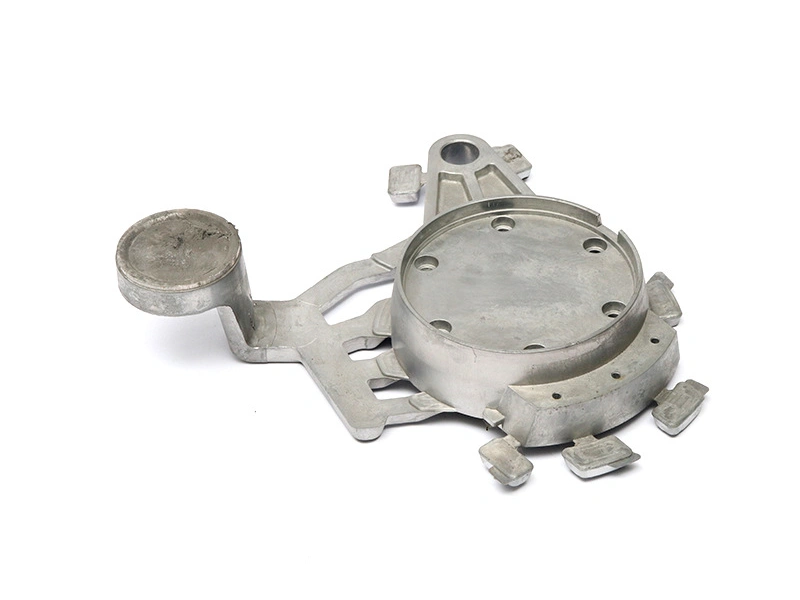
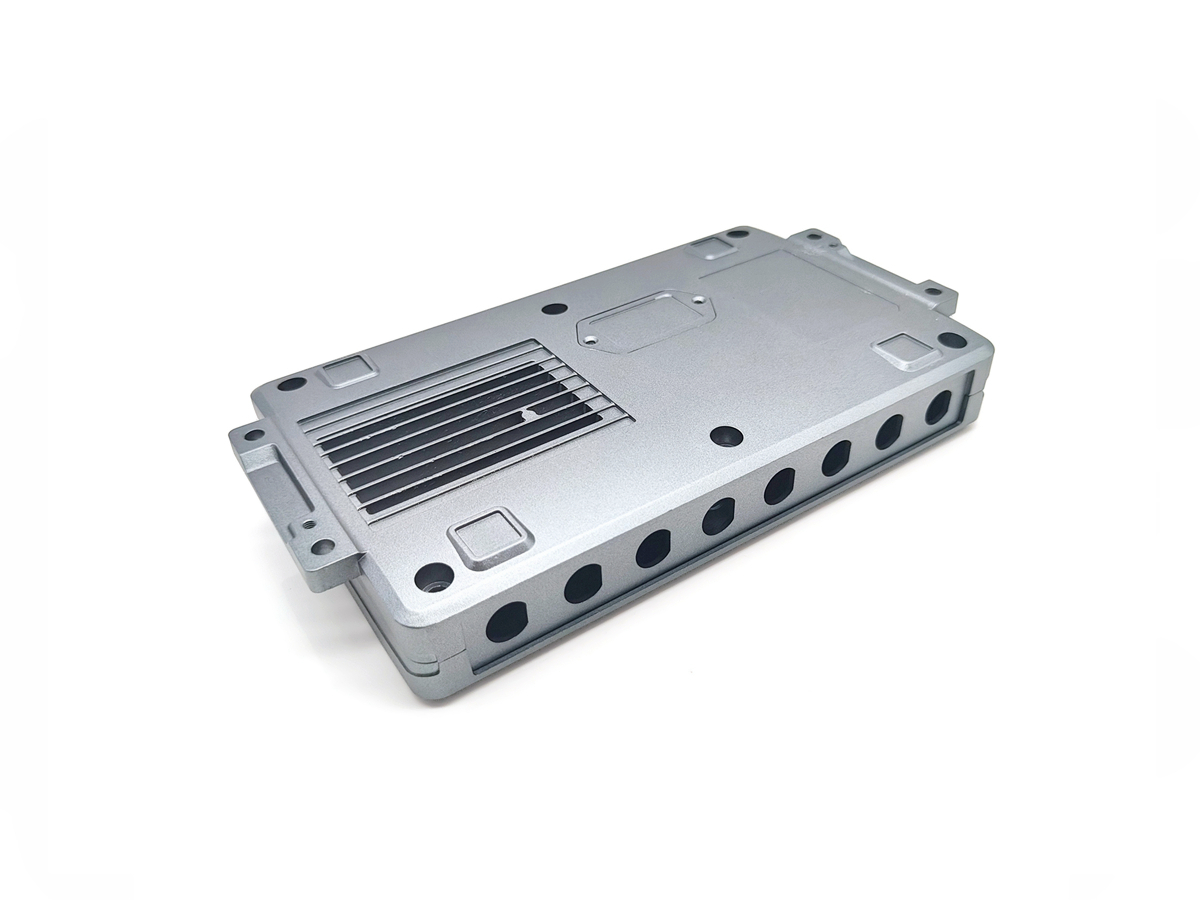
Buyers should plan tooling, machining and finishing together by confirming tooling layout, gate location, parting line, ejector pin position, machining allowance, threaded holes, sealing faces, datum surfaces, cosmetic surfaces, coating or plating areas, masking areas and inspection standards before production starts.
Integrated metal casting services should connect casting, tooling, CNC machining, surface finishing and inspection as one workflow. If these steps are planned separately, projects may face insufficient machining allowance, coating masking issues, cosmetic disputes, fixture problems and batch rework.
1. Plan Tooling Layout Before Mold Making
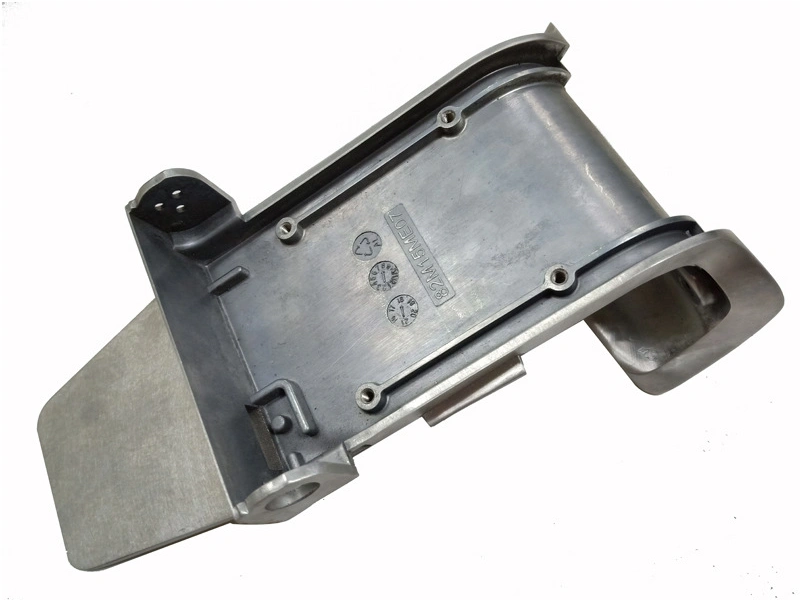
Tool and die making controls cavity design, gate location, runner layout, parting line, ejector marks, venting and cooling. These tooling decisions affect surface quality, machining allowance and final part repeatability.
Tooling Planning Item | Why It Matters | Risk if Ignored |
|---|---|---|
Gate location | Affects filling direction, gate trimming and visible marks | Cosmetic rejection or extra polishing |
Parting line | Affects flash, burrs, coating appearance and assembly areas | Appearance disputes and deburring cost |
Ejector pin position | May leave marks on visible or functional surfaces | Sample rejection or additional finishing |
Cooling and venting | Affect porosity, shrinkage, dimensions and cycle time | Unstable parts and higher scrap rate |
2. Plan CNC Machining Areas Before Tooling
CNC machining after casting should be planned before tooling so the supplier can prepare machining allowance, stable datums, fixtures and inspection methods. This is especially important for threaded holes, sealing faces, mounting faces and tight-tolerance features.
Machining Feature | Planning Requirement | Buyer Benefit |
|---|---|---|
Threaded holes | Define thread size, depth, location and inspection method | Improves fastening reliability |
Sealing faces | Define flatness, roughness and machining allowance | Reduces leakage and exposed defect risk |
Datum surfaces | Define reference surfaces for machining and inspection | Improves repeatability across batches |
Mounting faces | Define tolerance, flatness and mating part relationship | Reduces assembly interference |
3. Plan Surface Finishing and Masking Areas
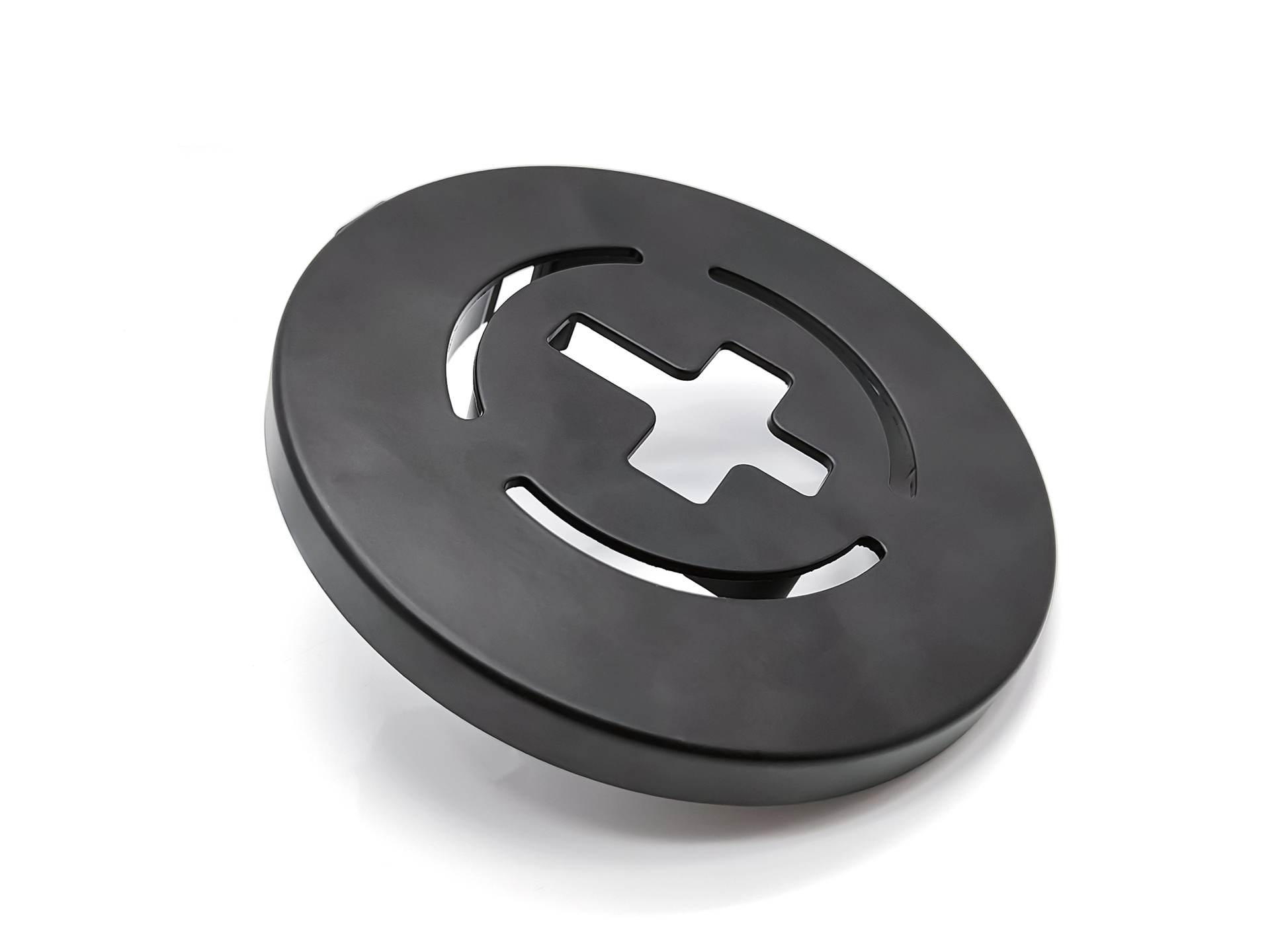
Surface finishing should be connected with casting and machining. Buyers should confirm cosmetic surfaces, coating or plating areas, masking areas, color, coating thickness, acceptable defects and final inspection methods.
Finishing Planning Item | Why It Matters | Risk if Missed |
|---|---|---|
Cosmetic surfaces | Shows which areas need high visual quality | Gate marks, parting lines or ejector marks may appear in visible areas |
Coating or plating areas | Defines where surface treatment must be applied | Incorrect finish or inconsistent appearance |
Masking areas | Protects threads, contact faces and assembly surfaces from coating buildup | Poor fit, thread problems or contact failure |
Inspection standard | Defines acceptable defects, finish quality and test method | Subjective acceptance disputes |
4. Plan by Material Route
Tooling, machining and finishing priorities vary by material. Aluminum die casting surface planning may focus on porosity, machining allowance and coating. Zinc die casting coating planning may focus on cosmetic surfaces, plating, burrs and masking. Copper die casting machined features may focus on functional contact surfaces and machining accuracy.
Material Route | Planning Focus | Buyer Risk to Control |
|---|---|---|
Aluminum die casting | Cooling, porosity, sealing faces, coating and CNC allowance | Exposed pores, warpage and coating issues |
Zinc die casting | Fine details, cosmetic surfaces, plating, coating and flash control | Burrs, coating defects and appearance rejection |
Copper die casting | Functional faces, conductive surfaces, machining and inspection | Contact failure, tool wear and dimensional variation |
5. Summary
Planning Area | What Buyers Should Confirm |
|---|---|
Tooling | Gate location, parting line, ejector marks, cooling, venting and tooling layout |
CNC machining | Machining allowance, threaded holes, sealing faces, datums and tolerance needs |
Surface finishing | Cosmetic surfaces, coating or plating areas, masking and inspection standards |
Inspection | Dimensional checks, surface checks, finish checks and functional acceptance criteria |
In summary, buyers should plan tooling, machining and finishing together before production. A custom metal casting workflow that connects tooling layout, CNC machining, surface finishing, masking and inspection can reduce machining allowance problems, appearance disputes, coating issues and batch rework.