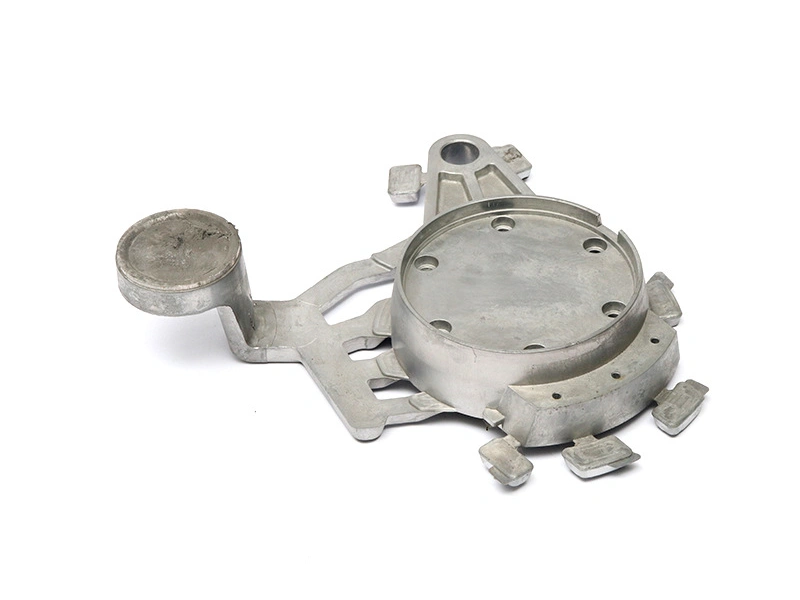
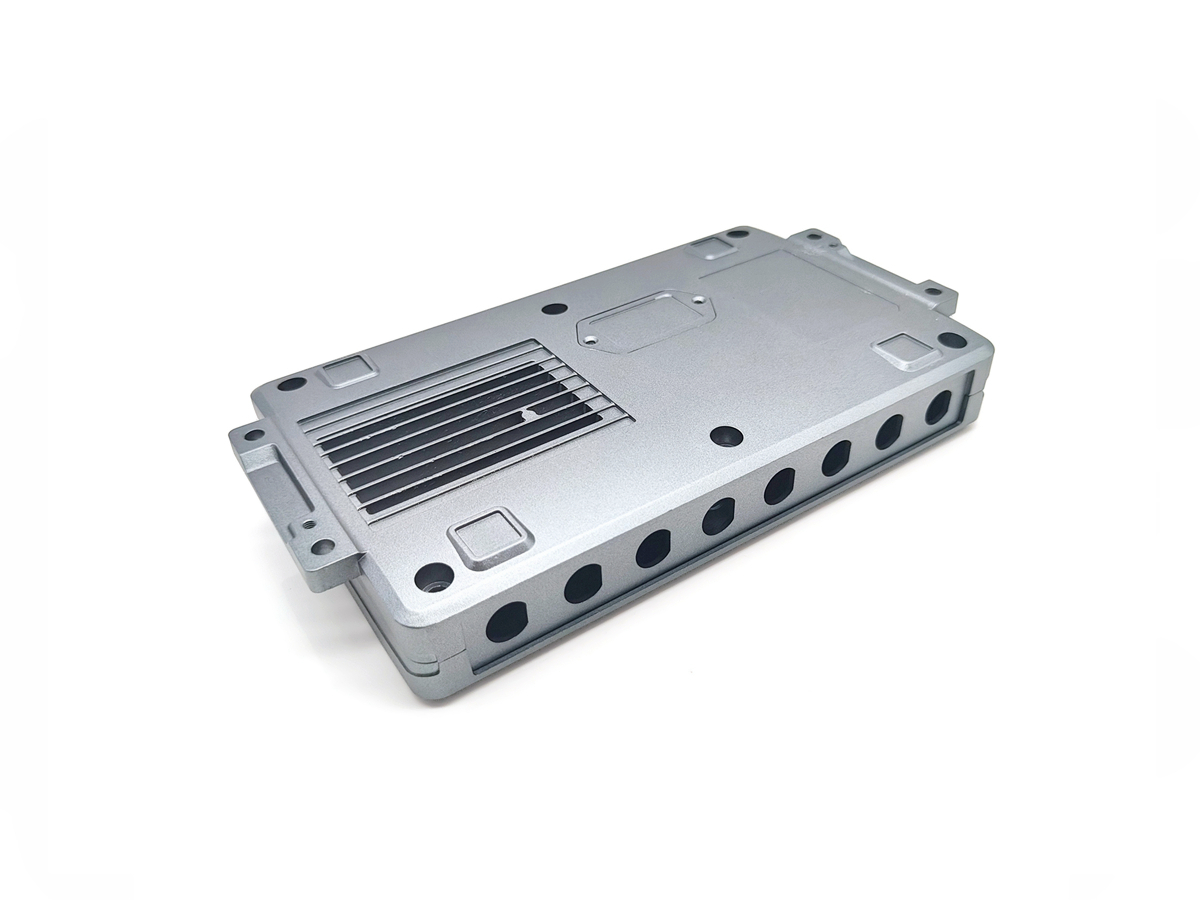
How Should Buyers Screen Casting Routes for a Housing With Internal Passages?
Buyers should screen casting routes by describing the passage before naming a process. Record passage cross-section, length, bends, branches, wall around the passage, inlet and outlet access, allowed draft, surface requirement, fluid duty, cleanliness, inspection access and annual quantity. The viable route is the one that can form, support, release and verify that passage while meeting the outer housing and finished-part requirements.
An internal void can be created by a removable core, a tool action, assembly of multiple cast pieces, or another qualified route, but each choice creates different risks. A supplier should explain how the feature is located, how it resists movement during fill, how it is removed or released, how residue is cleaned, and how the buyer will know the final passage is open and correctly positioned.
Describe the Passage as a Manufacturing Feature
A CAD section is the starting point, not the complete requirement. Add minimum flow area, local wall requirement, allowable mismatch, inaccessible corners, drain or flush points and whether a rough internal surface changes flow or contamination risk. If pressure or leakage matters, state test medium, pressure, duration, temperature, sealing method and acceptance criterion. Do not use “pressure-tight” without numbers and a test state.
Core support is as important as nominal passage shape. Core prints, locating features or tool interfaces must hold the passage relative to machining datums and outer walls. Buoyancy, thermal load, erosion and fill force can shift or damage a core. The review should identify likely shift directions and the thinnest resulting wall, not only the nominal centered condition.
Cleaning access can disqualify a route even when the passage is formable. Sand, binder, soluble-core residue, chips or blasting media must leave the component without becoming trapped in a dead leg. The drawing and process plan should specify openings used for removal and cleaning, plugs added later, and cleanliness evidence appropriate to the fluid system.
Screen Core, Tool and Assembly Options
A sand casting route can be a candidate for larger housings or lower quantities when a sand core can be supported, removed and cleaned. The buyer must accept its surface, tolerance and machining-allowance implications. Complex core boxes, multiple cores and difficult chaplet or support decisions can increase variation and lead time, so the word “sand” does not automatically mean low cost.
Tooling-based routes may form open channels, straight pulls or features accessible to slides, then close the circuit with a cover or later assembly. More complex internal passages require a specific proven core concept; they cannot be assumed from high-pressure capability alone. Aluminum die casting may fit repeat enclosures with integrated detail, but the supplier still has to demonstrate the proposed passage method, wall control, venting and functional result.
Permanent mold, low-pressure or investment routes may enter the screen depending on alloy, size, core concept, quantity and surface requirements. The published casting-process overview can explain their broad characteristics. The RFQ decision needs a drawing-specific response showing why one route can release the exact passage.
Passage Condition | Route or Concept to Screen | Release or Cleaning Question | Main Validation |
|---|---|---|---|
Large curved passage with accessible openings | Sand-core casting as one candidate | Can core media be removed from every bend and branch? | Core-location dimensions, section evidence and cleanliness check |
Open channel closed by a cover | Tool-formed channel plus controlled joining or sealing | Can the complete joint boundary be inspected and maintained? | Channel geometry, joint process and leak test |
Straight port aligned with tool motion | Mechanical core or slide concept where geometry permits | Is draft, withdrawal and tool access acceptable? | Position, flash control and port machining relationship |
Small tortuous sealed gallery | Specialized core concept or design split requiring proof | How is the core supported, removed and residue detected? | Process trial, internal inspection and functional test |
Frequently revised passage at very low quantity | Flexible core/pattern route or multi-piece prototype comparison | Will dedicated tooling become obsolete before validation? | Design-stage test before production-tool commitment |
Validate the Flow Boundary, Not Only the Outer Casting
Consider a hypothetical coolant housing with a serpentine passage, two threaded connections and a machined mounting face. One route may form the passage with a supported core; another may form an open channel and close it with a separate component. The buyer compares wall-risk map, cleaning access, tooling, leak boundary, serviceability and annual volume. Appearance of the outer casting is not part approval.
Choose inspection based on the failure mode. Sectioning can validate development samples but destroys the part. Radiography or CT may reveal certain internal features when method, resolution and acceptance are suitable, but neither should be promised as a universal production check. Borescope access, flow restriction, mass, pressure decay, bubble testing or dimensional correlation may be useful in specific cases. The drawing owner must define what each method proves and its sampling frequency.
Link the passage to secondary machining. Port axes, seal lands and mounting datums should be controlled relative to the formed void. A correctly shaped passage can still fail if a drilled port breaks through off-center or leaves insufficient wall. Trial reports should identify drawing revision, material lot, cavity or tool, core batch where applicable, machining fixture and tested condition.
Approve the route only after the supplier documents passage formation, support, release, cleaning, machining and functional checks. For repeat orders, specify which core, material, tool, cleaning or machining changes require notification. This turns an internal passage from an invisible assumption into a controlled application feature.