How Should Buyers Use Prototype Casting Before Production Tooling?
How Should Buyers Use Prototype Casting Before Production Tooling?
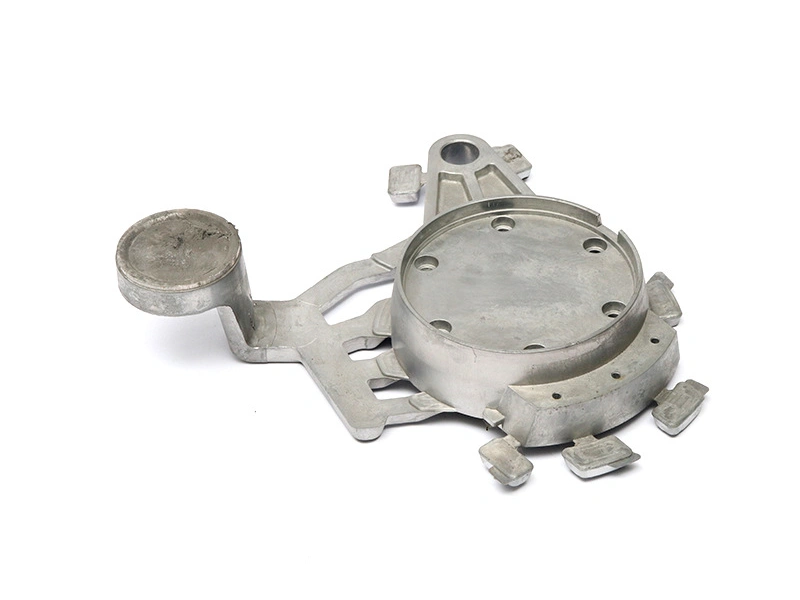
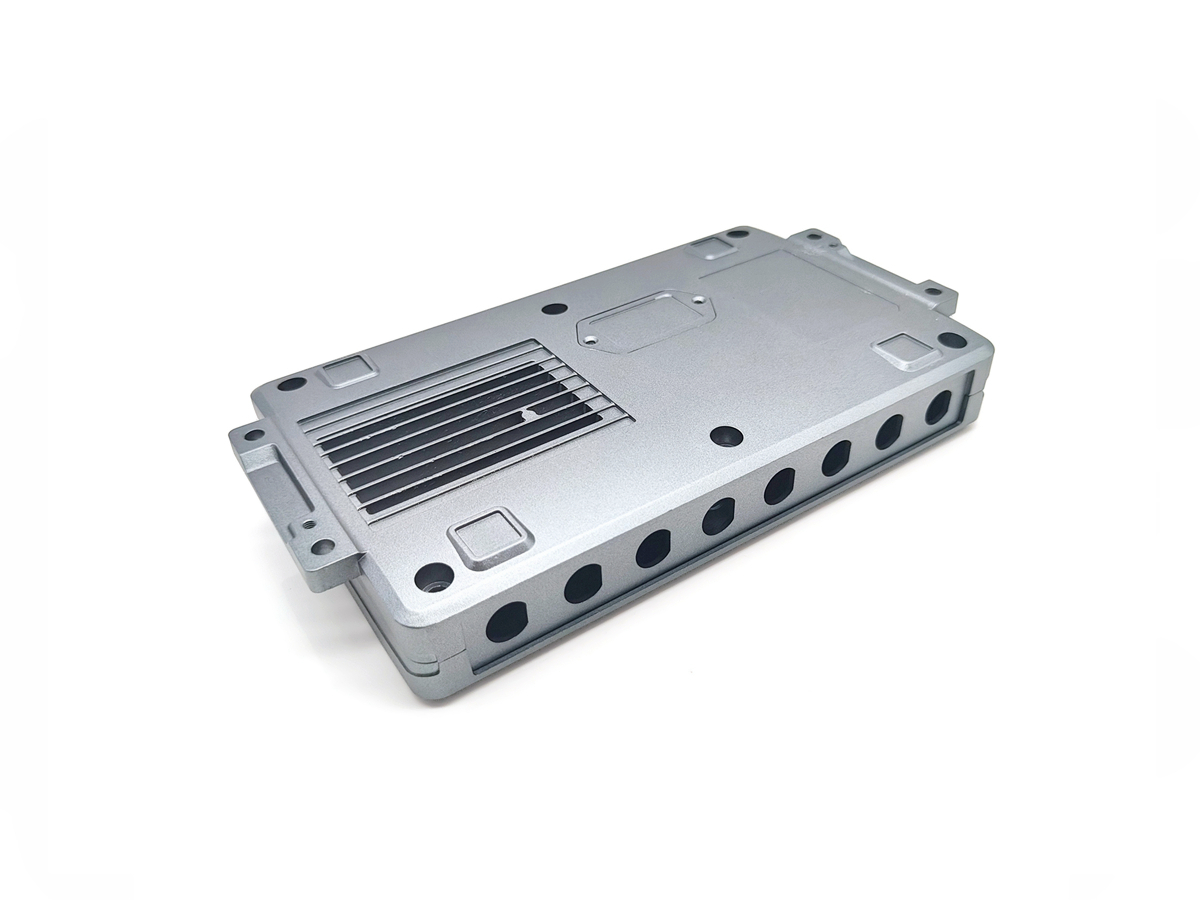
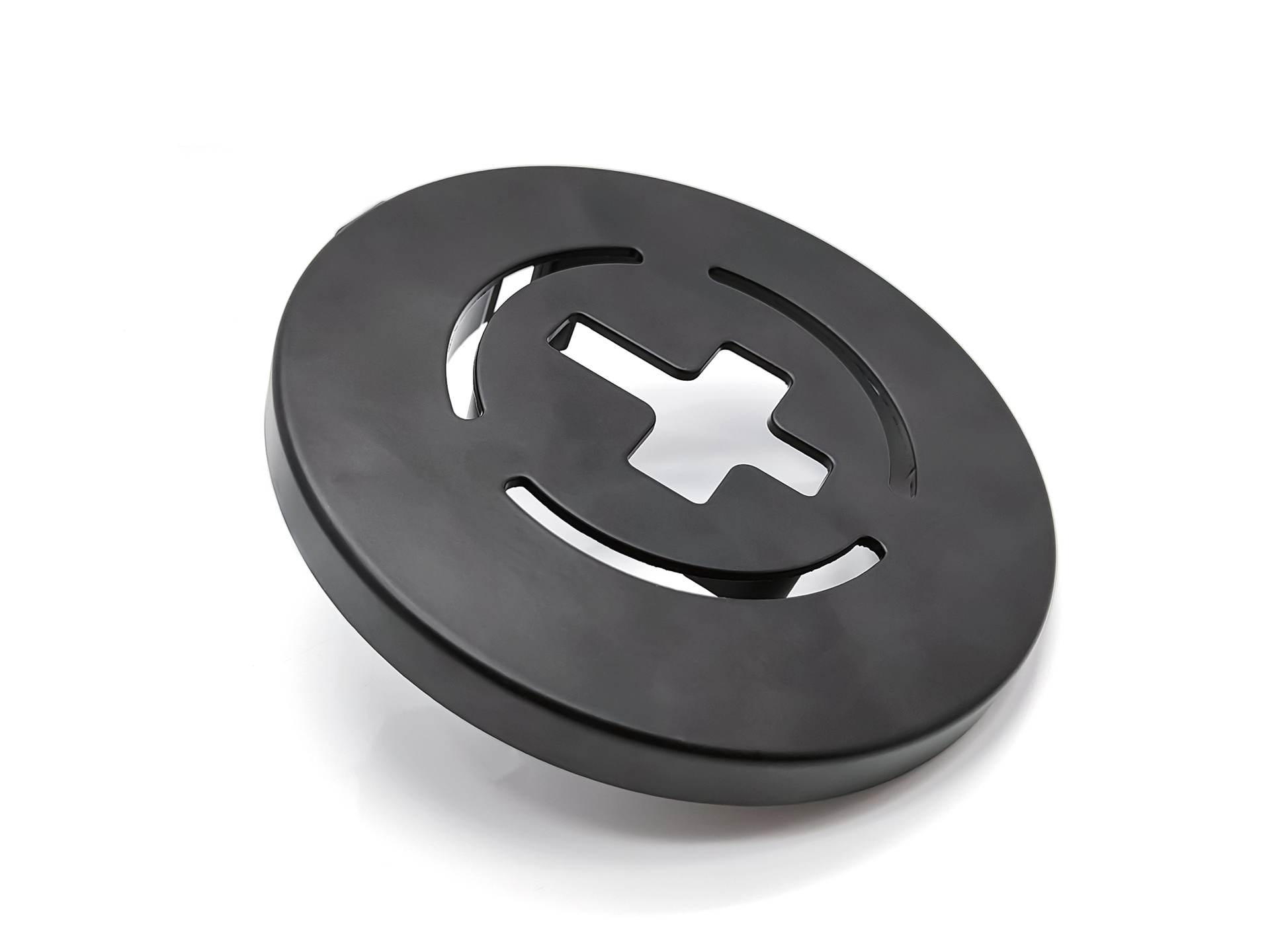
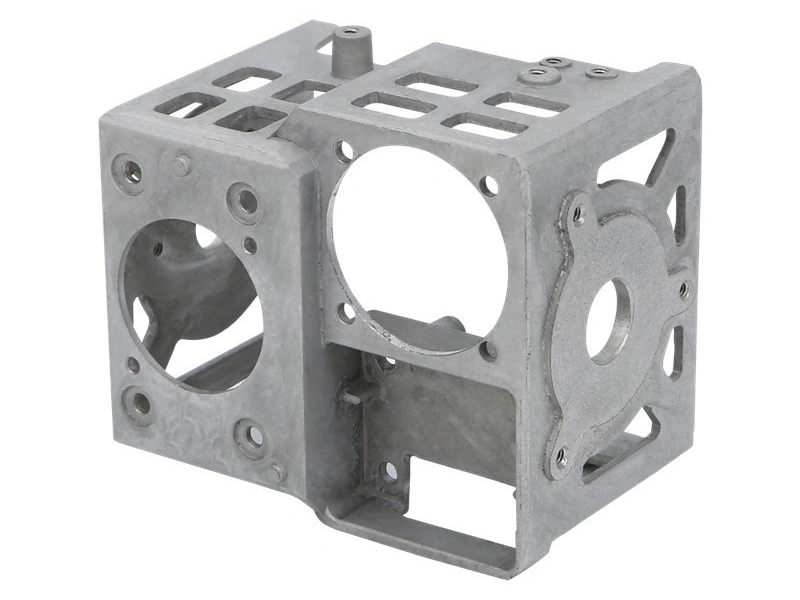
Buyers should use prototype casting before production tooling to validate part geometry, material choice, functional fit, machining areas, surface finish and assembly requirements before investing in formal molds or mass production. For custom metal casting projects, prototype casting should be treated as a production decision tool, not only as an appearance sample.
1. Why Prototype Casting Should Come Before Formal Tooling
Production tooling usually requires higher investment and longer modification time. If buyers open formal molds before validating the design, material, machining areas and surface requirements, tooling changes may become expensive. Prototype casting helps identify these risks earlier.
Neway can support prototype casting before production tooling and combine it with engineering review for prototype casting to reduce tooling and production risk.
Prototype Casting Use | Production Tooling Benefit |
|---|---|
Geometry validation | Reduces mold rework caused by wall thickness, bosses, ribs or parting line issues. |
Material validation | Helps avoid wrong alloy selection before formal tooling. |
Machining validation | Confirms post-machining areas, allowance and datum strategy. |
Surface validation | Checks finish appearance, coating behavior and cosmetic expectations. |
Assembly validation | Reduces fit, interference and functional failure risks. |
Inspection validation | Builds inspection points for low-volume and mass production. |
2. What Should Be Reviewed Before Making Prototype Castings?
Before making prototype castings, buyers should review drawings, wall thickness, material direction, functional features, cosmetic surfaces, machining areas, assembly needs and finish requirements. This prevents the prototype from becoming only a rough visual sample.
Neway can provide prototyping support for metal casting so prototype samples can be used to guide production tooling, not just confirm shape.
3. How Prototype Results Guide Production Tooling
Prototype casting results can help buyers update drawings, confirm material direction, adjust part geometry, define CNC post-machining needs, approve surface finish direction and set inspection requirements. These results should be transferred into tooling requirements before formal mold manufacturing.
If the prototype confirms that the part needs machined sealing faces, datum surfaces, holes or threads, buyers should plan post-machining for prototype cast parts before production tooling is finalized.
Prototype Stage Risk | Possible Result | Better Control |
|---|---|---|
No prototype before formal tooling. | Design and process problems may appear after mold investment. | Use prototype casting and engineering review first. |
Prototype is checked only for appearance. | Functional, material or machining risks may be missed. | Validate geometry, material, CNC, finish and assembly together. |
Machining areas are not confirmed. | Formal tooling may not leave enough machining allowance. | Define post-machining areas during prototype validation. |
Surface finish is tested too late. | Coating thickness or appearance may conflict with assembly. | Validate surface finish before production release. |
Prototype changes are not transferred. | Formal tooling may repeat earlier sample-stage mistakes. | Update drawings and tooling requirements after prototype review. |
4. How Neway Supports Prototype-to-Tooling Decisions
Neway can help buyers use prototype casting as a bridge between design review and production tooling. After prototype validation, Neway can support tooling after prototype validation and coordinate casting, machining, surface finishing, inspection and delivery through one-stop prototype casting support.
Summary
Buyer Question | Recommended Answer |
|---|---|
When should prototype casting be used? | Use it before production tooling when geometry, material, function or finish is not fully confirmed. |
Is prototype casting only for appearance? | No. It should validate geometry, material, CNC needs, surface finish, assembly and inspection points. |
How does it reduce tooling risk? | It helps identify design and process problems before formal mold investment. |
How can Neway help? | Neway can combine prototype casting, engineering review, tooling planning and one-stop production support. |