What Capability Signals Show a Die Casting Supplier Can Handle Multi-Material Projects
What Capability Signals Show a Die Casting Supplier Can Handle Multi-Material Projects?
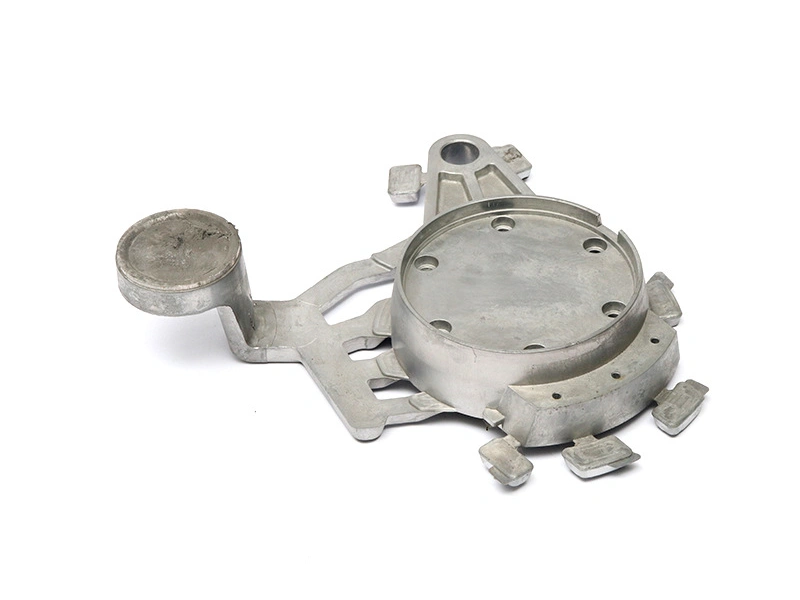
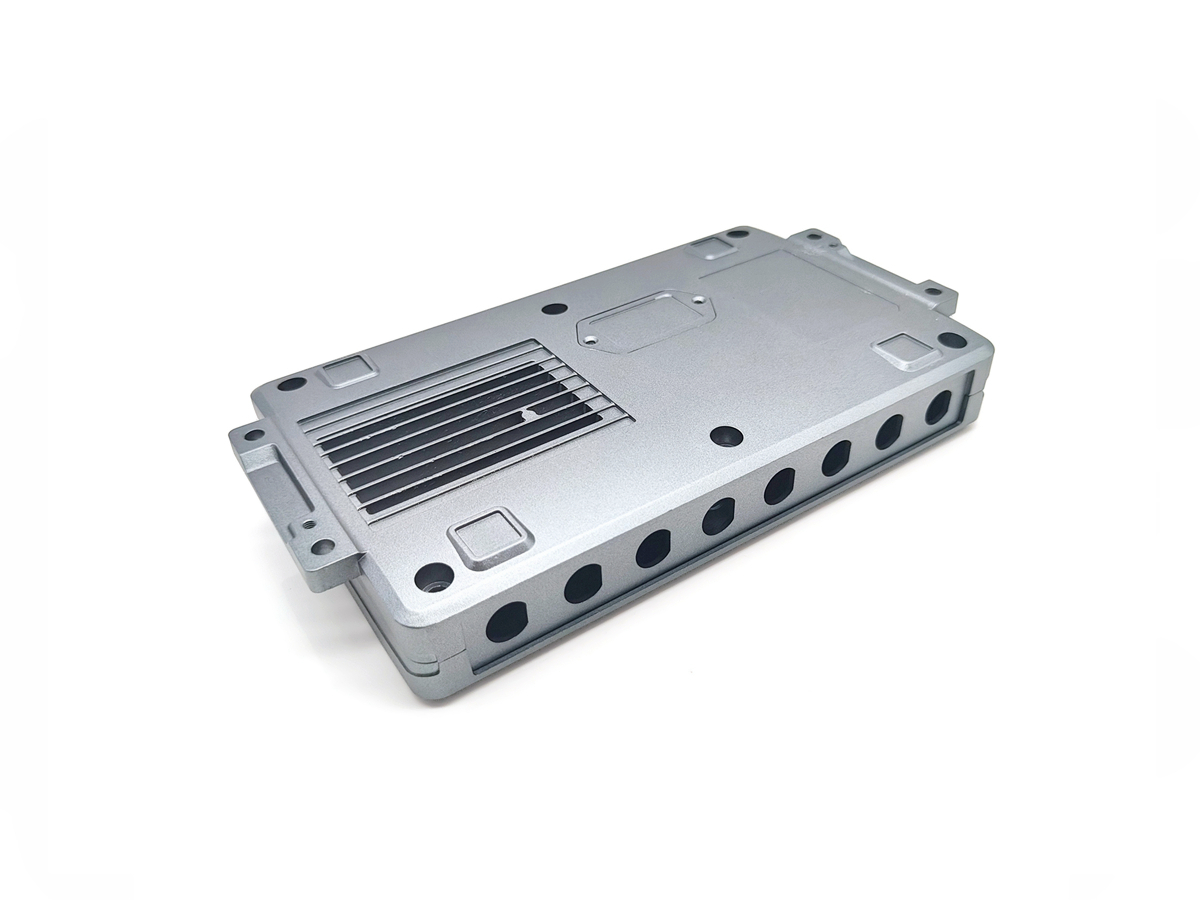
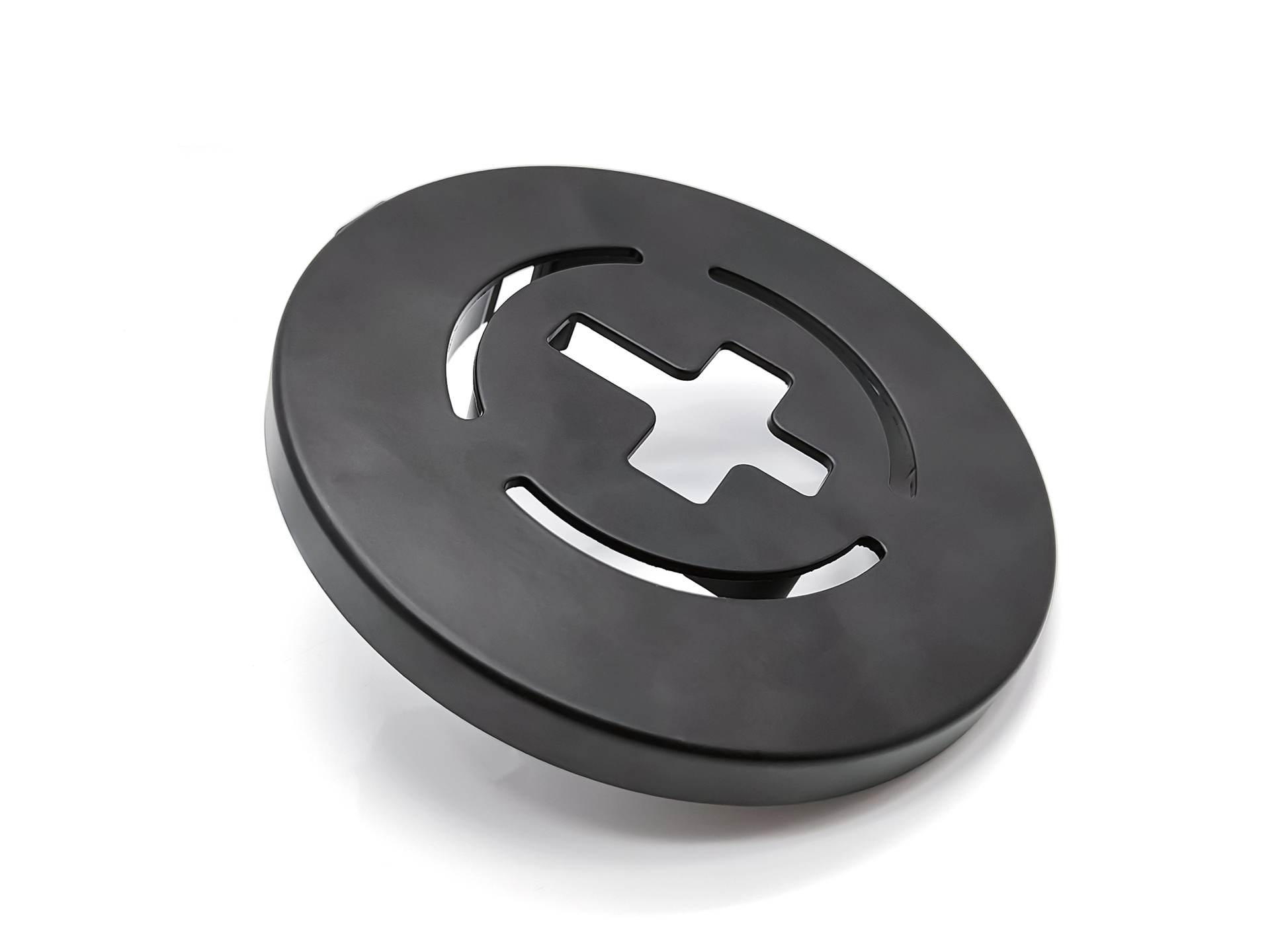
A die casting supplier can handle multi-material projects when it can evaluate aluminum, zinc and copper alloys, recommend suitable casting routes, manage tooling, CNC machining, surface finishing, inspection and production planning for different part requirements. Multi-material projects need a supplier that can compare materials based on final application, not only quote each part separately.
1. Why Multi-Material Projects Need Integrated Evaluation
Some products include several custom metal parts with different functions. One part may need lightweight aluminum. Another may need detailed zinc casting. Another may need copper for electrical or thermal performance. If these parts are managed by unrelated suppliers, material decisions, quality standards, lead times and assembly requirements may become inconsistent.
A strong multi-material die casting supplier should review the full product system and recommend the correct process for each part.
Capability Signal | What It Shows | Buyer Value |
|---|---|---|
Aluminum capability | Supplier can make lightweight housings, brackets and heat-related parts. | Covers structural and lightweight components. |
Zinc capability | Supplier can make small complex decorative or assembly parts. | Covers hardware, connectors, locks and cosmetic parts. |
Copper capability | Supplier can support conductive, thermal or corrosion-related parts. | Covers electrical, thermal and industrial applications. |
Engineering comparison | Supplier can compare material routes before tooling. | Reduces the risk of material misselection. |
Unified quality control | Supplier can manage records and inspection across materials. | Reduces supply chain and traceability risk. |
2. How Aluminum, Zinc and Copper Capabilities Differ
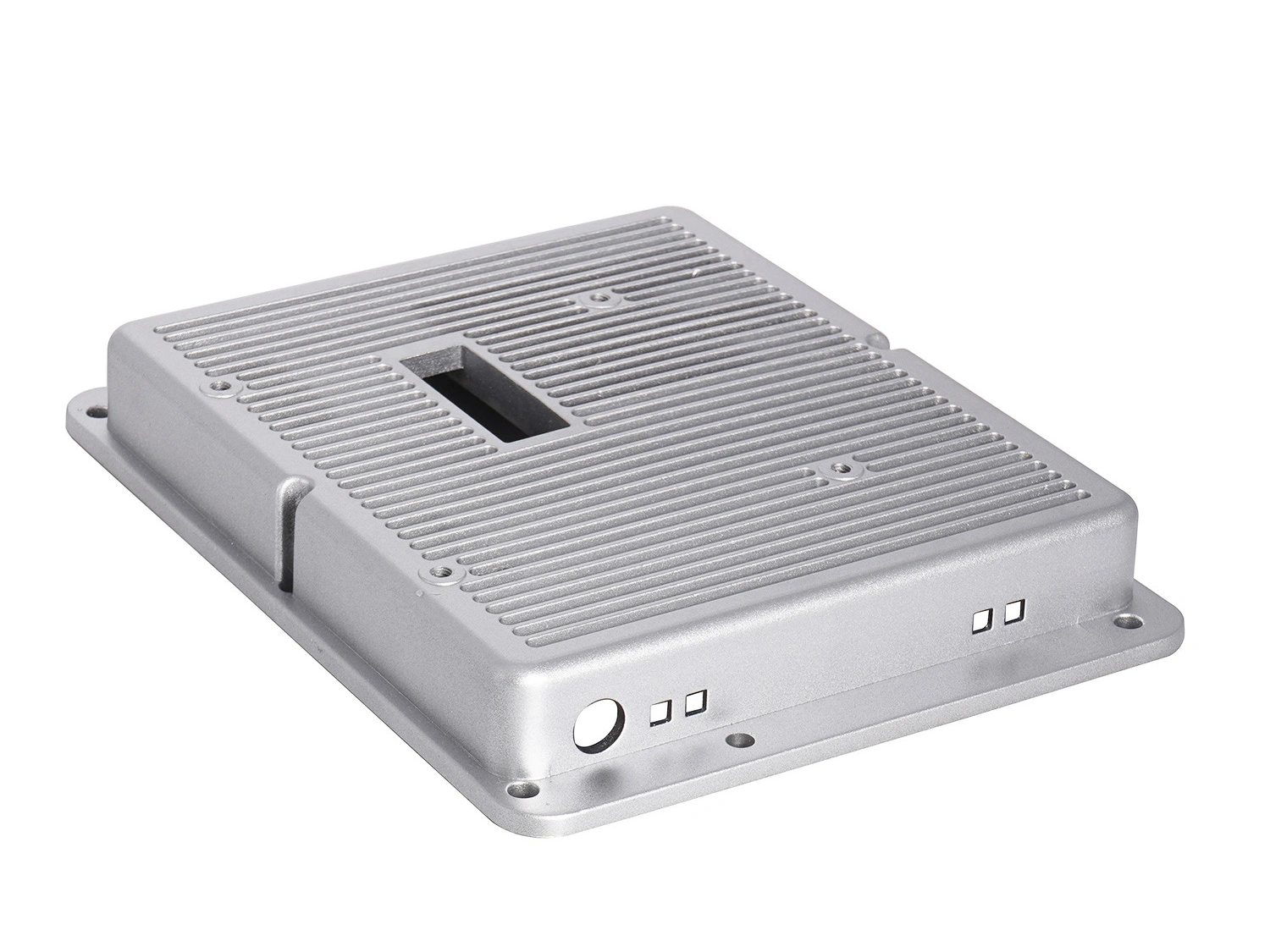
Aluminum die casting supplier capability is important for lightweight housings, brackets, covers, heat sinks and structural components. Aluminum is often selected when weight reduction, thermal behavior or larger part geometry matters.
Zinc die casting supplier capability is useful for small complex parts, fine details, decorative surfaces, hardware, connectors and assembly parts. Zinc often supports detailed geometry and stable dimensions.
Copper die casting supplier capability is relevant when conductivity, thermal performance or corrosion behavior is critical. Copper parts often require more application-based evaluation because material performance is a major part of the product function.
3. Why Material Selection Logic Matters
A supplier should not simply say that all parts can be cast. It should explain why one part should use aluminum, another should use zinc and another should use copper. The decision should consider part weight, strength, detail level, finishing, conductivity, corrosion resistance, machining, assembly and expected production volume.
Neway can support die casting material selection so buyers can compare aluminum, zinc and copper options before committing to tooling.
Risk in Multi-Material Projects | Possible Result | Better Control |
|---|---|---|
Supplier only knows one material | It may recommend the wrong process for some parts. | Use a supplier that can compare aluminum, zinc and copper options. |
Material choice is not linked to final use | Weight, strength, conductivity or appearance may fail. | Evaluate each material based on application requirements. |
Different suppliers manage different materials | Quality standards, timing and packaging may become inconsistent. | Use integrated project evaluation and unified quality standards. |
Finishing and assembly standards are not aligned | Parts may not match in final product assembly. | Review finishing, machining and assembly together. |
4. How Neway Supports Multi-Material Die Casting Projects
Neway can use the Metal Casting service as the main entry point for multi-material projects and then evaluate whether each part should use aluminum, zinc or copper die casting. For buyers who want fewer supplier coordination problems, Neway can also support a one-stop die casting supplier workflow.
Summary
Buyer Concern | Capability Signal to Check |
|---|---|
The project includes several custom metal parts. | Check whether the supplier can evaluate aluminum, zinc and copper die casting together. |
Material selection is uncertain. | Choose a supplier that can explain material selection logic by application. |
Different materials must enter one product system. | Use unified engineering review, quality control and production planning. |
Buyer wants lower supplier management cost. | Use a one-stop supplier that can coordinate material, tooling, machining, finishing and inspection. |