What Is Alloy Die Casting Used For?
What Is Alloy Die Casting Used For?
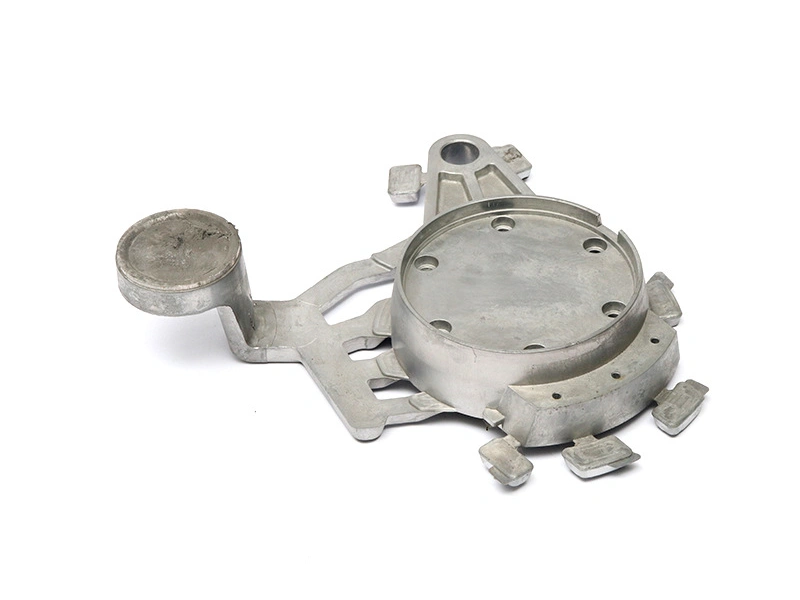
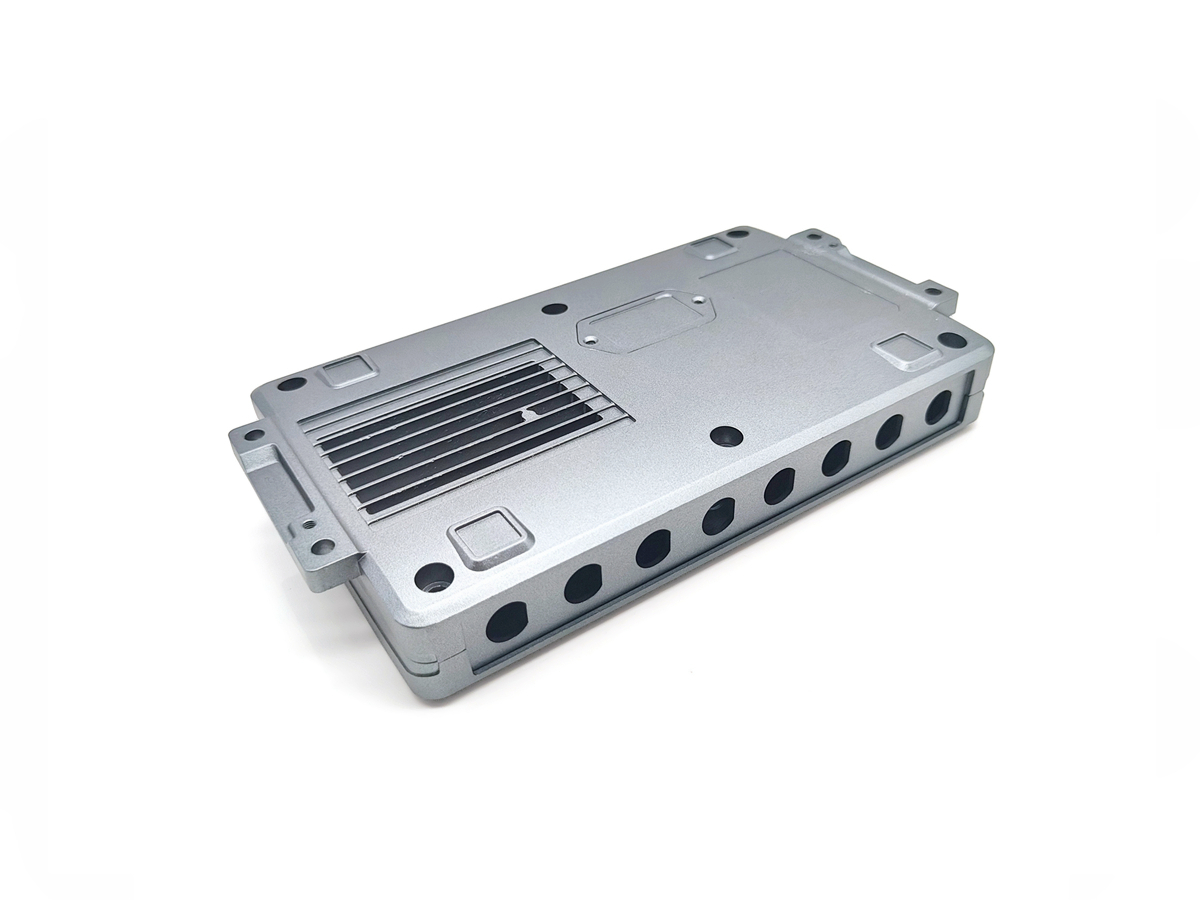
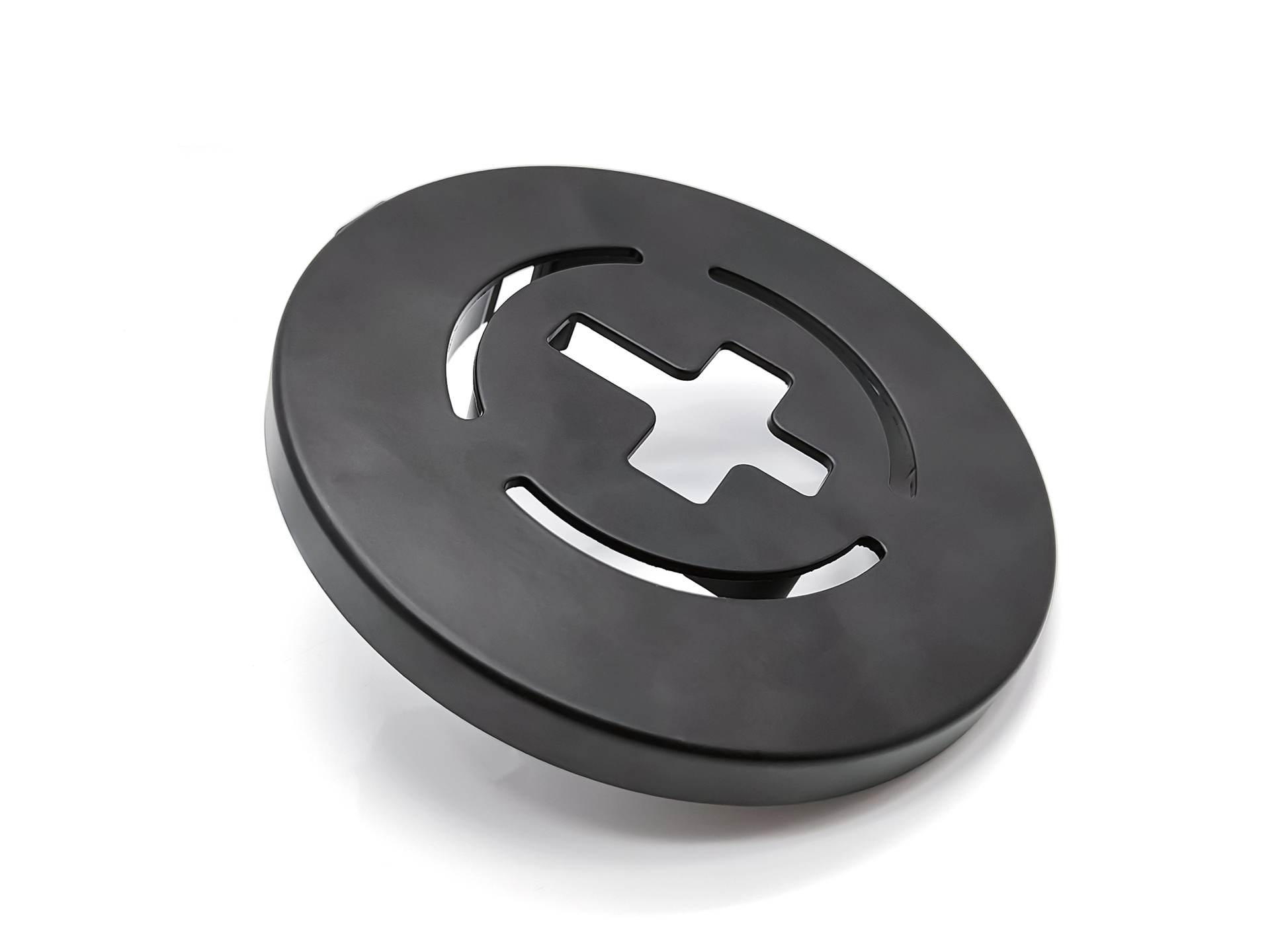
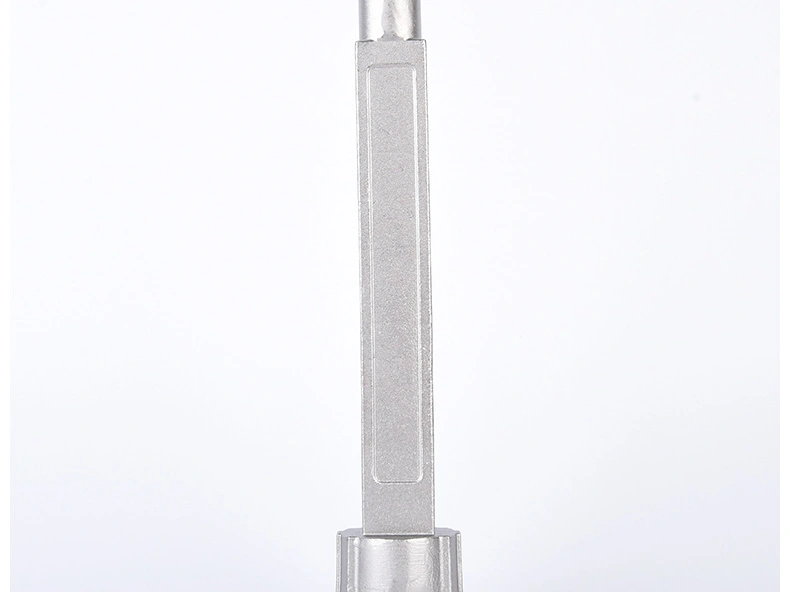
Alloy die casting is used to produce custom metal parts that need complex structures, stable dimensions, repeatable production and material performance. Common applications include automotive parts, electronic housings, lighting housings, hardware, connectors, brackets, industrial equipment parts, conductive and thermal parts, decorative parts and batch-produced metal components.
For buyers, alloy die casting is useful because different alloys can be selected based on the part function. Aluminum die casting is often used for lightweight and heat dissipation parts. Zinc die casting is often used for small precision and decorative parts. Copper alloy die casting is often used for conductive, thermal and wear-resistant parts.
1. Common Applications of Alloy Die Casting
Application | Typical Parts | Why Alloy Die Casting Fits |
|---|---|---|
Automotive parts | Brackets, housings, covers, supports and small functional parts | Supports stable dimensions, strength and batch production |
Electronic housings | Device shells, control housings, connector housings and covers | Combines protection, appearance and production consistency |
Lighting housings | LED housings, lamp bodies, heat sink structures and mounting frames | Supports thermal structure, coating and repeated production |
Hardware and connectors | Handles, locks, brackets, fittings, connectors and fastener-related parts | Good for complex details, strength and surface finishing |
Industrial equipment parts | Machine components, covers, frames, brackets and mechanical fittings | Supports custom metal geometry with stable production quality |
Conductive and thermal parts | Contact parts, heat-transfer parts and functional copper alloy components | Uses alloy performance for electrical, thermal or wear-related needs |
2. How Different Alloys Fit Different Part Functions
Alloy die casting is not one single material route. Buyers can choose aluminum, zinc or copper alloy based on part size, weight, appearance, performance, production volume and cost target.
Alloy Route | Best Use | Buyer Value |
|---|---|---|
Aluminum die casting | Lightweight housings, heat dissipation parts, automotive parts and larger structures | Balances low weight, structure and production cost |
Zinc die casting | Small precision parts, hardware, decorative parts and complex details | Supports good dimensional stability and surface quality |
Copper alloy die casting | Conductive, thermal, wear-resistant and functional metal parts | Supports special performance that aluminum or zinc may not provide |
3. Why Tooling and CNC Machining Matter
Most alloy die casting projects require careful die casting tooling design. Tooling controls filling, venting, cooling, parting line, ejector marks, dimensional repeatability and production stability. Many die cast parts also need CNC machining after die casting for holes, threads, sealing faces, mounting faces and high-tolerance assembly areas.
Process Area | Why It Matters | Buyer Benefit |
|---|---|---|
Tooling | Controls shape, filling quality, shrinkage, porosity and mass production stability | Reduces trial risk, scrap rate and delivery problems |
CNC machining | Controls precision holes, threads, datums and functional surfaces | Improves fit, sealing, fastening and assembly reliability |
Surface finishing | Improves appearance, corrosion resistance, wear resistance and product value | Helps meet cosmetic and functional requirements |
4. Summary
Alloy Die Casting Is Used For | Main Value |
|---|---|
Automotive and industrial parts | Stable production, strength and dimensional repeatability |
Electronic and lighting housings | Complex shapes, protection, thermal structure and surface finishing |
Hardware, connectors and brackets | Fine features, assembly fit and batch consistency |
Conductive and thermal parts | Material performance from copper alloy or other functional alloys |
Decorative and batch production parts | Good surface quality, tooling repeatability and long-term unit cost control |
In summary, alloy die casting is used for automotive parts, electronic housings, lighting housings, hardware, connectors, brackets, industrial equipment parts, conductive and thermal parts, decorative parts and batch-produced custom die cast metal parts. If buyers need complex structures, stable dimensions, scalable production and balanced material performance, alloy die casting can be matched with aluminum, zinc or copper alloy solutions.