What Is the Difference Between Aluminum, Zinc and Copper Alloy Die Casting?
What Is the Difference Between Aluminum, Zinc and Copper Alloy Die Casting?
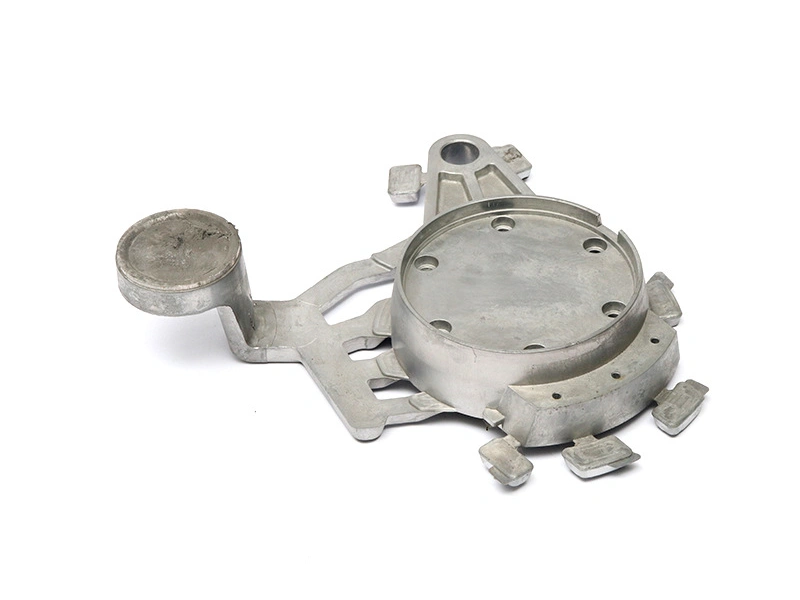
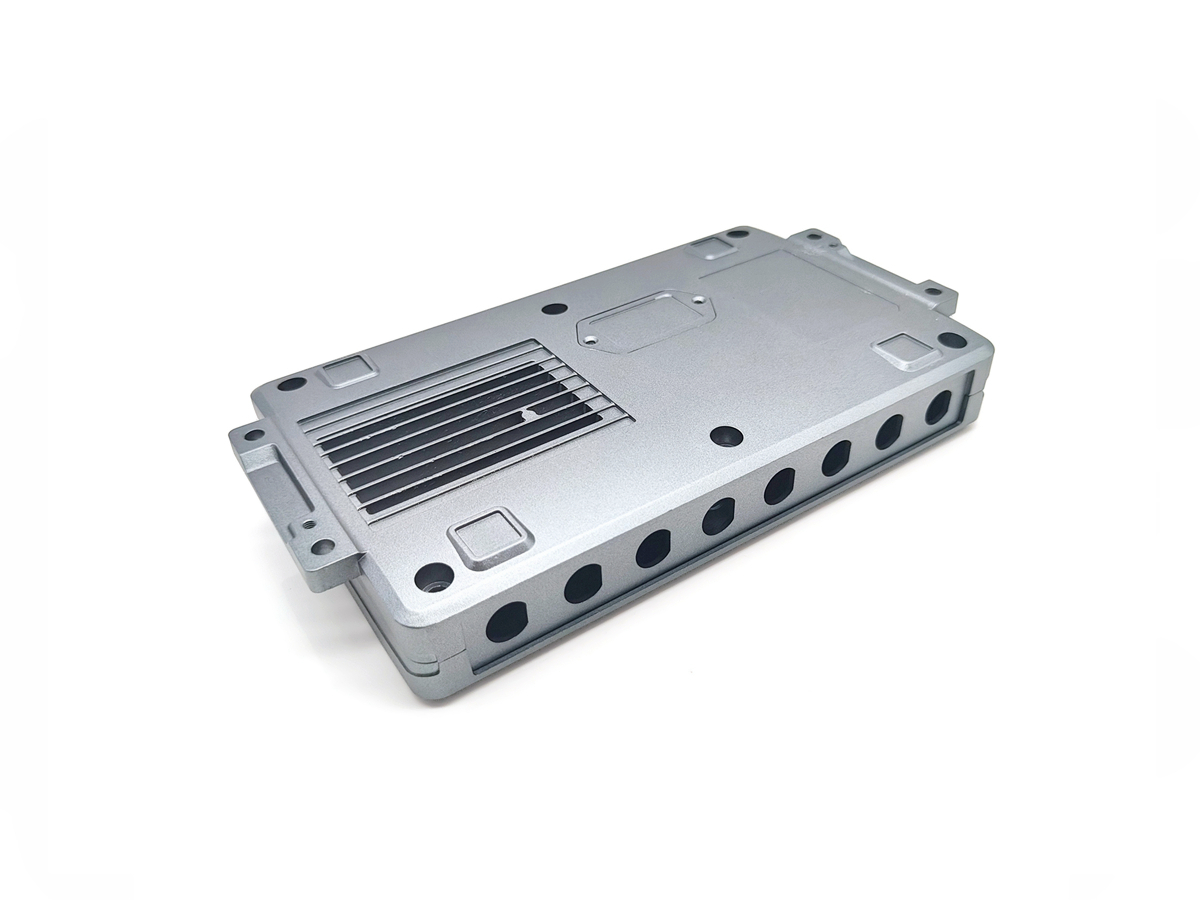
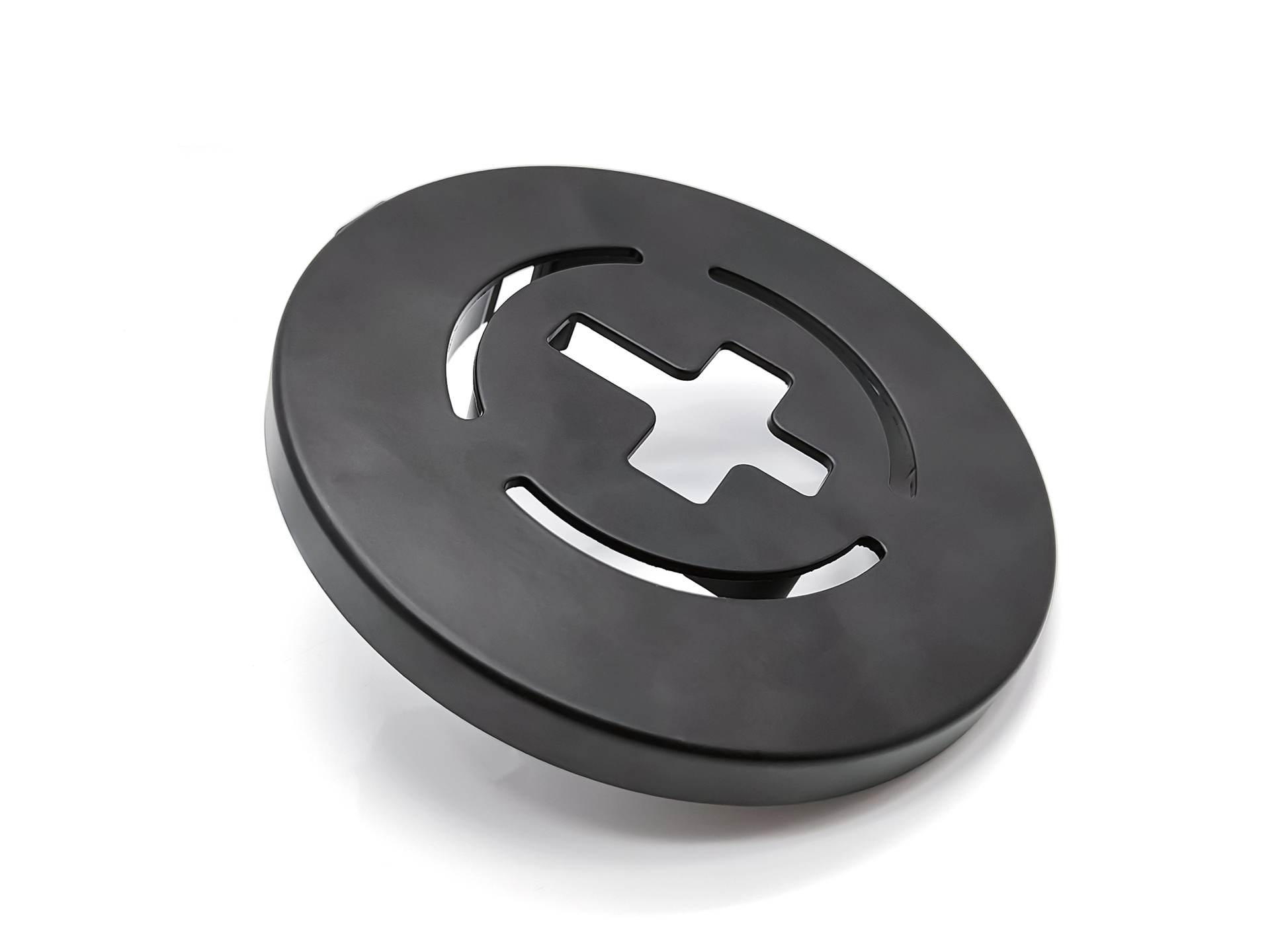
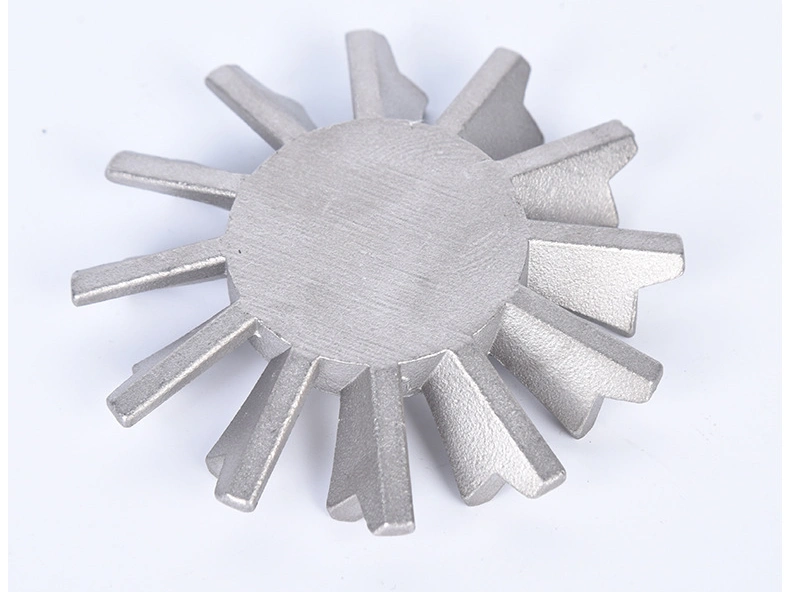
The main difference between aluminum, zinc and copper alloy die casting is the material performance and best application. Aluminum die casting is often used for lightweight, heat dissipation and medium to large structural parts. Zinc alloy die casting is often used for small, complex, high-precision and appearance-focused parts. Copper alloy die casting is often used for conductive, thermal, wear-resistant and functional parts.
Buyers should not ask only which alloy is best. A better question is which material fits the part function, size, weight, use environment, appearance requirement, annual demand, tooling strategy and post-processing requirements.
1. Quick Alloy Die Casting Comparison
Material | Best Use | Main Buyer Value |
|---|---|---|
Aluminum die casting | Lightweight housings, heat sinks, automotive parts, lighting parts and larger structures | Good balance of weight, strength, heat dissipation and scalable production |
Zinc alloy die casting | Small precision parts, hardware, connectors, decorative parts and complex details | Good dimensional stability, surface quality and detail reproduction |
Copper alloy die casting | Conductive parts, thermal parts, wear-resistant parts and special functional components | Strong functional performance when conductivity, heat or wear matters |
2. How Material Choice Affects Tooling and Unit Cost
Different alloys affect die casting tooling, unit cost, mold life, cycle time, scrap risk, surface treatment and CNC machining. A material that looks cheaper at the raw material level may not be cheaper after tooling, machining, finishing and inspection are included.
Cost Area | How Alloy Choice Affects It | Buyer Should Evaluate |
|---|---|---|
Tooling | Material flow, temperature, shrinkage and mold wear affect tooling design | Tooling cost, mold life and trial risk |
Unit cost | Material price, part weight, cycle time and scrap rate affect final cost | Finished part cost, not only material cost |
Surface finish | Different alloys respond differently to coating, plating, polishing and painting | Appearance standard and finish cost |
CNC machining | Different alloys affect cutting time, tool wear and inspection requirements |
3. When Each Alloy Is the Better Choice
Buyer Requirement | Better Alloy Direction | Reason |
|---|---|---|
Need lightweight metal parts | Aluminum die casting | Aluminum is suitable for weight-sensitive structures and housings |
Need small complex precision parts | Zinc die casting | Zinc is suitable for small details, stable dimensions and appearance parts |
Need conductivity or heat transfer | Copper alloy die casting | Copper alloys provide stronger functional performance for conductive and thermal parts |
Need decorative surface quality | Zinc or aluminum | The final choice depends on finish type, appearance grade and use environment |
Need lowest long-term total cost | Depends on project | Material, tooling, CNC machining, finishing, scrap and volume must be compared together |
4. Why Custom Metal Casting Review Is Important
A custom metal casting review helps match material choice with part function, manufacturing route and total cost. The supplier should review drawings, tolerances, cosmetic surfaces, CNC machining areas, tooling needs, production quantity and final surface treatment before recommending an alloy.
5. Summary
Alloy | Best Application | Buyer Warning |
|---|---|---|
Aluminum | Lightweight, heat dissipation and medium to large structural parts | May still need CNC machining for critical surfaces |
Zinc | Small complex parts, decorative parts and precision features | Not ideal when extreme lightweight performance is required |
Copper alloy | Conductive, thermal, wear-resistant and functional parts | Higher material and machining cost must be justified by function |
In summary, aluminum die casting is usually better for lightweight, thermal and larger structural parts. Zinc alloy die casting is usually better for small, complex, precise and appearance-focused parts. Copper alloy die casting is usually better for conductive, thermal, wear-resistant and functional parts. Buyers should choose based on product function, size, weight, use environment, appearance, annual demand, tooling, CNC machining and total manufacturing cost.