What Quality Checks Matter Most for Long-Term Metal Casting Orders?
What Quality Checks Matter Most for Long-Term Metal Casting Orders?
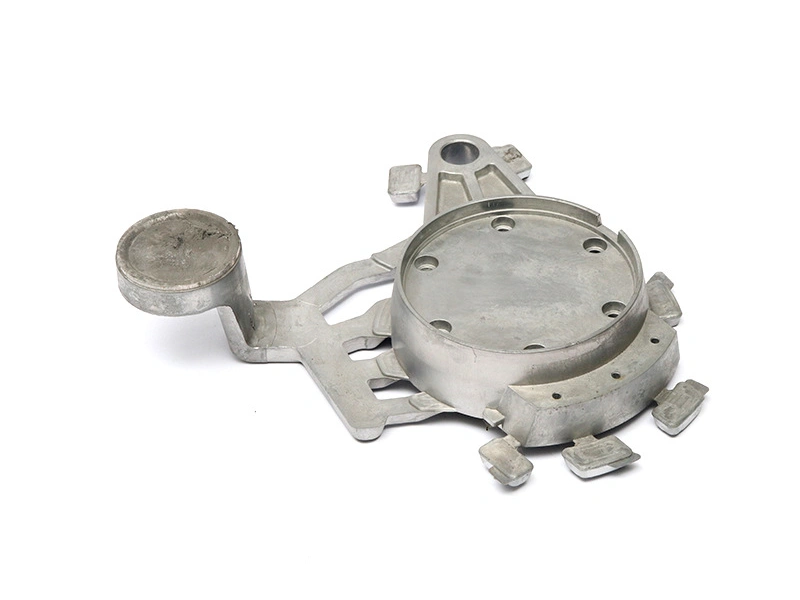
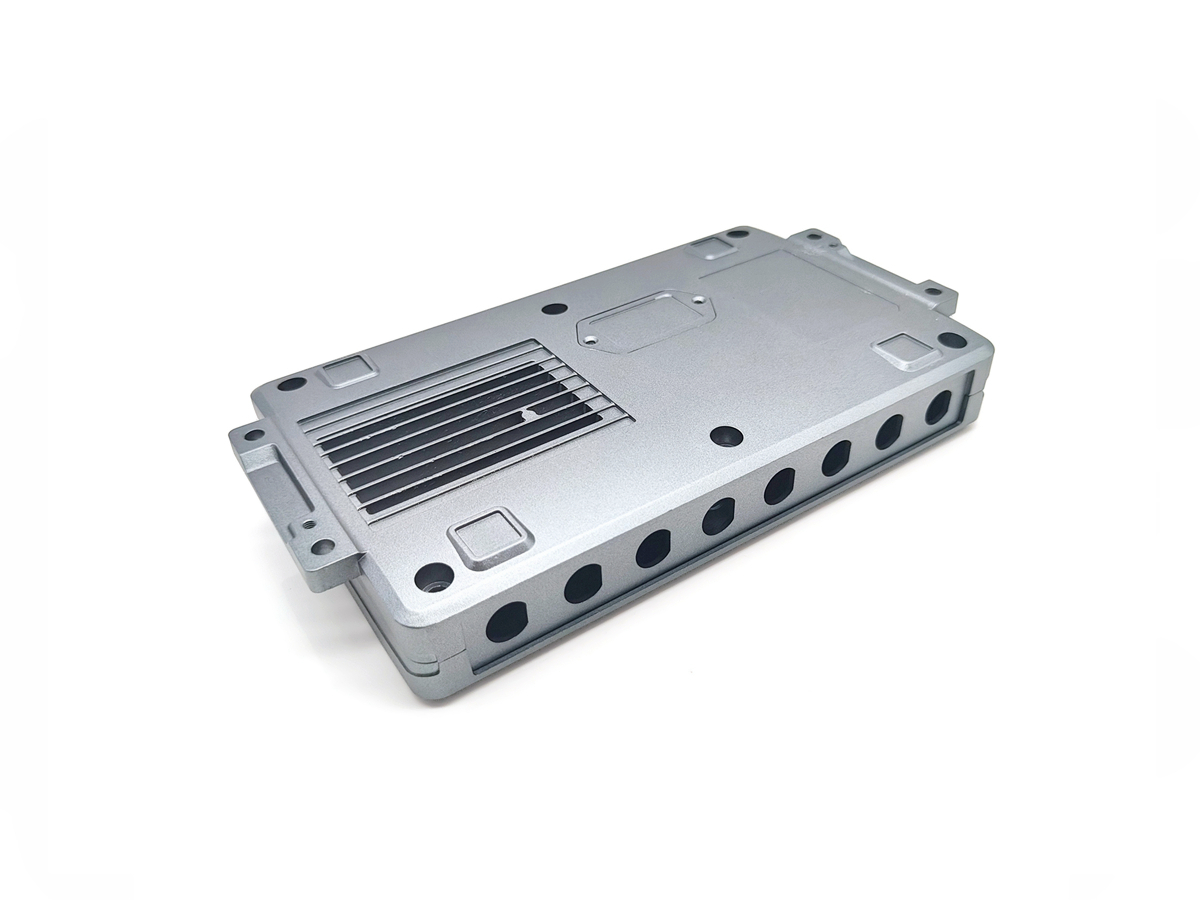
For long-term metal casting orders, the most important quality checks include first article inspection, dimensional reports, critical dimension tracking, CNC machining inspection, cosmetic surface inspection, coating or plating inspection, assembly fit checks, defect trend tracking, tooling maintenance records, batch consistency reports and packaging protection reviews.
Buyers should not approve long-term custom metal casting production only because the first sample looks acceptable. Long-term purchasing depends on whether the supplier can keep dimensions, appearance, machining, surface treatment and packaging stable across every batch.
1. First Article Inspection and Dimensional Reports
First article inspection confirms whether the first approved production parts meet the drawing, tolerance and functional requirements. Dimensional reports help buyers track critical features before batch release.
Quality Check | What It Controls | Buyer Benefit |
|---|---|---|
First article inspection | Initial production dimensions, surfaces and functional features | Confirms the process before mass production |
Dimensional report | Critical dimensions, hole positions, datums and flatness | Improves traceability and acceptance control |
Critical dimension tracking | Features that affect assembly, sealing or function | Reduces field failures and inspection disputes |
Assembly fit check | How the casting fits with mating parts | Reduces batch assembly problems |
2. CNC Machining Inspection
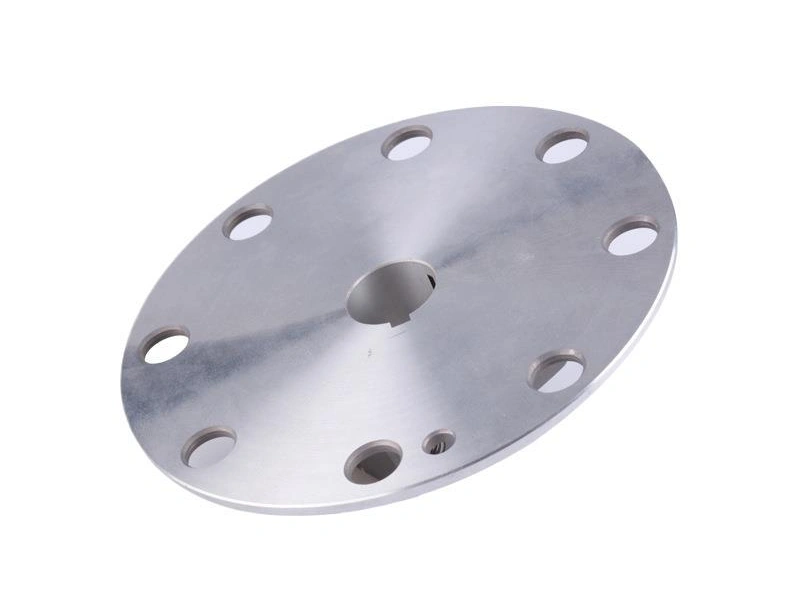
Many cast parts need CNC machining inspection for holes, threads, sealing faces, datum surfaces and high-tolerance assembly areas. These features should be inspected separately from general casting appearance.
Machined Feature | Inspection Focus | Risk if Uncontrolled |
|---|---|---|
Threaded holes | Thread size, depth, gauge result and fastening fit | Assembly or fastening failure |
Mounting holes | Diameter, position and alignment | Poor assembly fit |
Sealing faces | Flatness, roughness and exposed pores | Leakage or functional failure |
Datum surfaces | Reference stability and repeatable measurement | Unstable inspection results and fit problems |
3. Cosmetic Surface and Finishing Inspection
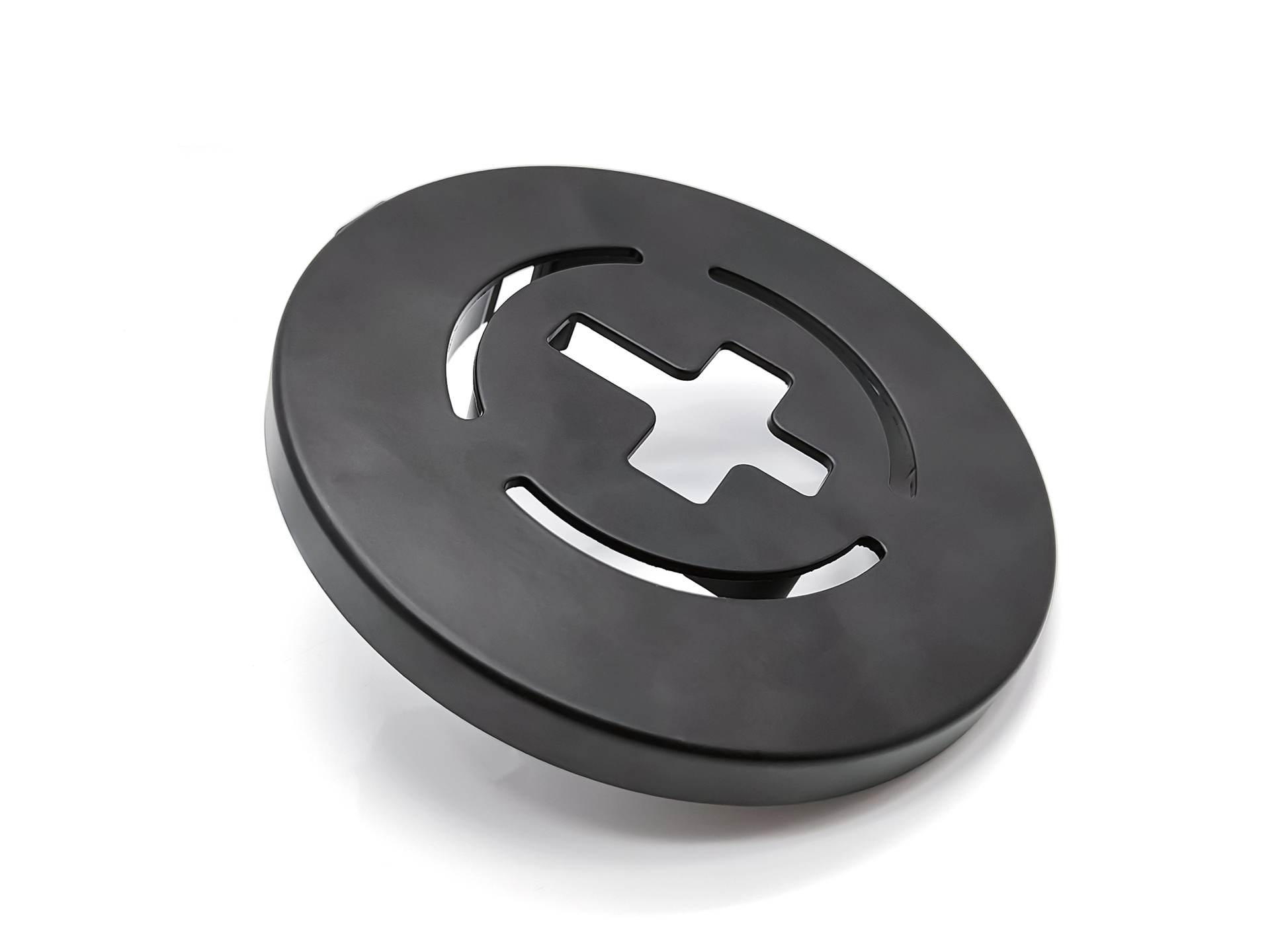
Cosmetic surfaces, coating, plating and painting should have clear acceptance standards. Buyers should define acceptable defects, viewing method, coating thickness, adhesion, color, gloss, corrosion testing and packaging protection when required.
Surface Quality Check | What It Controls | Buyer Benefit |
|---|---|---|
Cosmetic surface inspection | Scratches, pores, flow marks, ejector marks and visible defects | Reduces appearance disputes |
Coating or plating inspection | Thickness, adhesion, color, gloss and finish consistency | Improves surface treatment reliability |
Packaging protection review | Scratch prevention, separation, anti-rubbing and shipping protection | Protects finished parts during delivery |
Defect trend tracking | Repeated defects, scrap, rework and batch variation | Supports continuous quality improvement |
4. Tooling Maintenance and Batch Consistency
Die casting tooling maintenance is important for long-term stability. Tool wear, venting blockage, cooling issues, insert wear and parting line damage can change dimensions, flash level, surface quality and cycle time over repeated batches.
Maintenance Check | Why It Matters | Quality Risk if Ignored |
|---|---|---|
Cavity and core wear | Affects dimensions and surface texture | Dimensional drift and surface variation |
Parting line condition | Affects flash, burrs and visible edges | More deburring and cosmetic defects |
Venting condition | Affects trapped air and porosity | Higher porosity and batch rejection |
Cooling condition | Affects shrinkage, warpage and cycle time | Unstable dimensions and production output |
5. Quality Focus by Material Route
Quality checks should match the material route. Aluminum die casting batch quality often focuses on porosity, shrinkage, machining surfaces and coating. Zinc die casting batch consistency often focuses on fine details, flash, cosmetic surfaces and coating. Copper die casting quality control often focuses on functional faces, conductivity-related areas and machined features.
6. Summary
Long-Term Quality Check | Main Purpose |
|---|---|
First article inspection | Confirm the approved production process before batch release |
Dimensional and critical dimension reports | Control fit, function, sealing and assembly features |
CNC machining inspection | Verify holes, threads, datums and machined surfaces |
Cosmetic and finishing inspection | Control visible quality, coating, plating and appearance consistency |
Tooling maintenance record | Reduce dimensional drift, flash, porosity and batch variation |
Batch consistency report | Support long-term quality traceability and supplier control |
In summary, long-term metal casting orders require more than first sample approval. Buyers should track first article inspection, dimensional reports, CNC machining inspection, cosmetic inspection, coating or plating checks, tooling maintenance, defect trends, packaging protection and batch consistency reports.