What Steps Are Included in Casting Manufacturing for Custom Metal Parts?
What Steps Are Included in Casting Manufacturing for Custom Metal Parts?
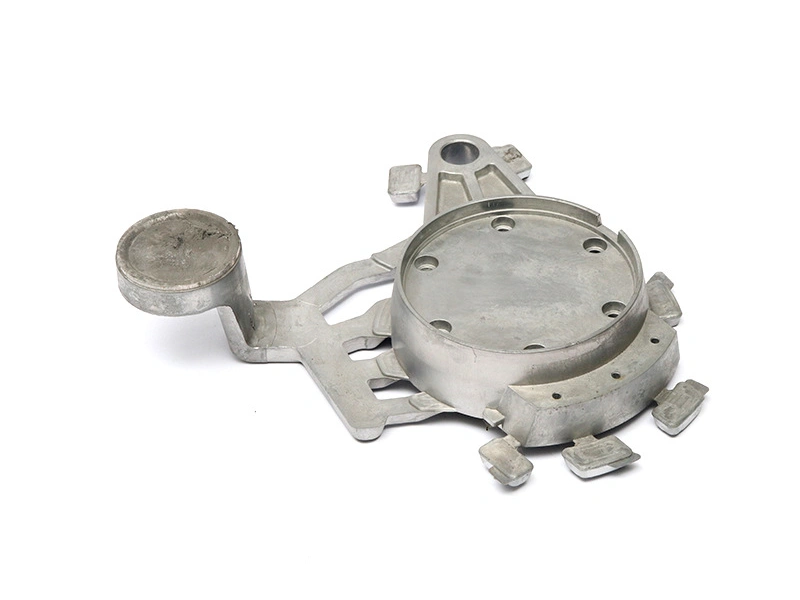
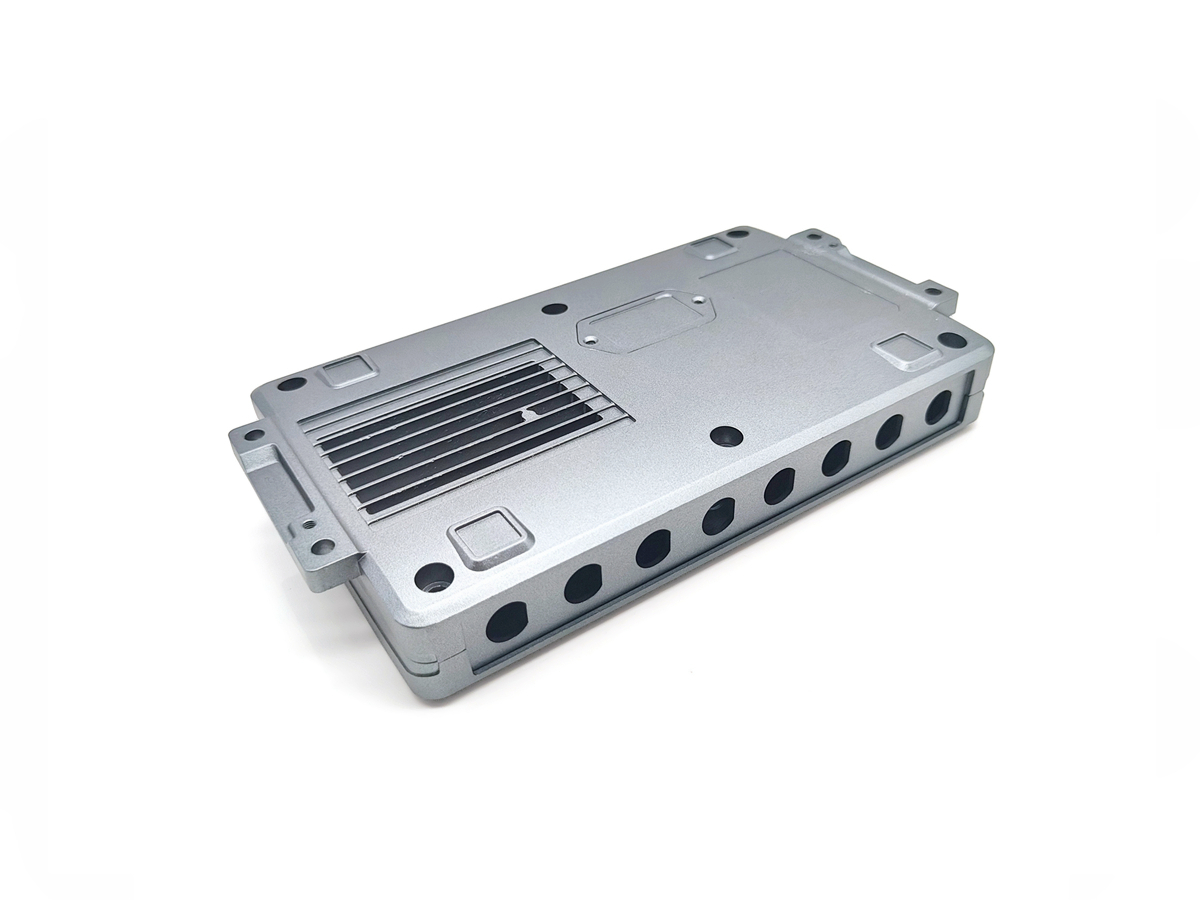
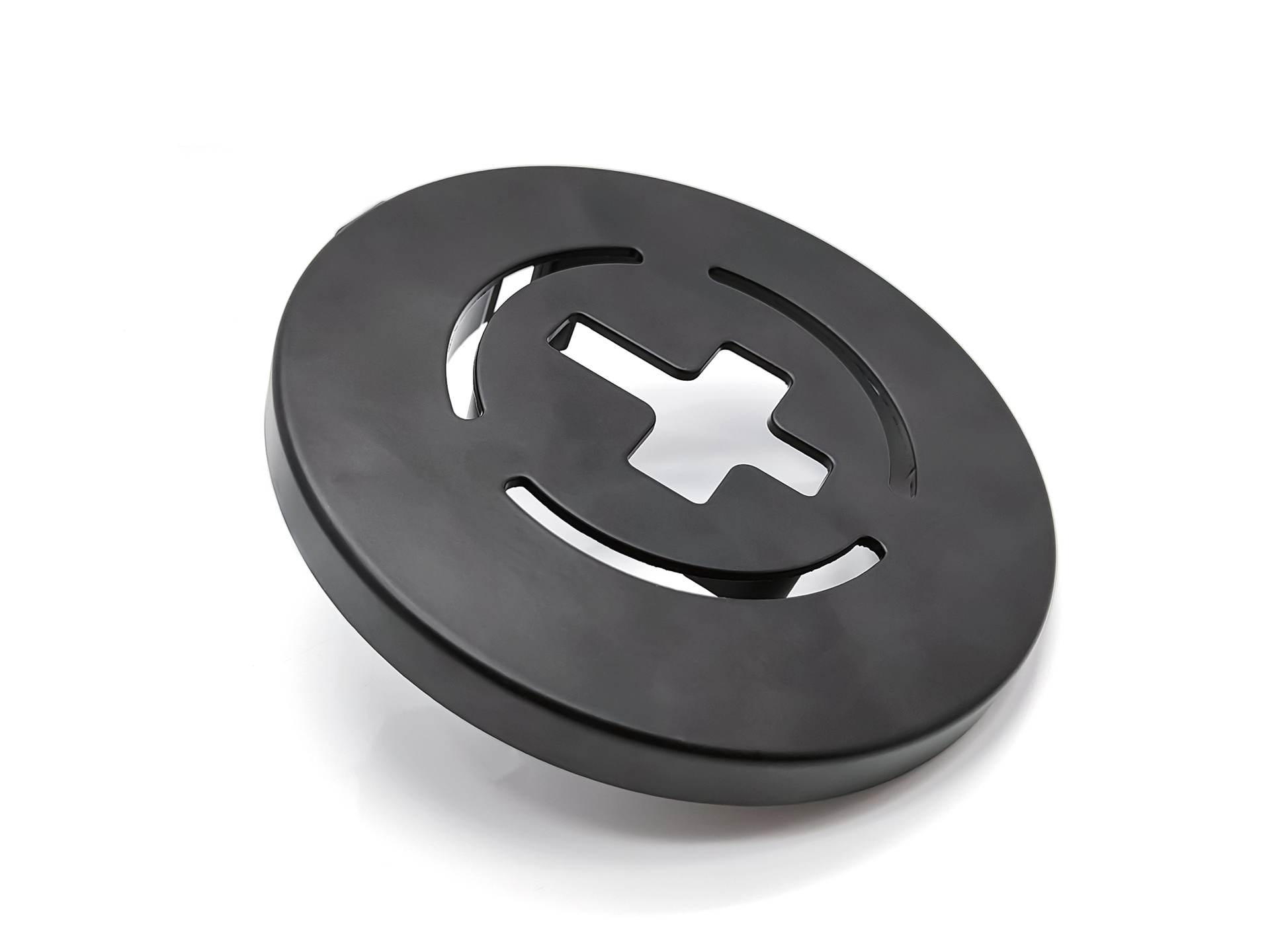
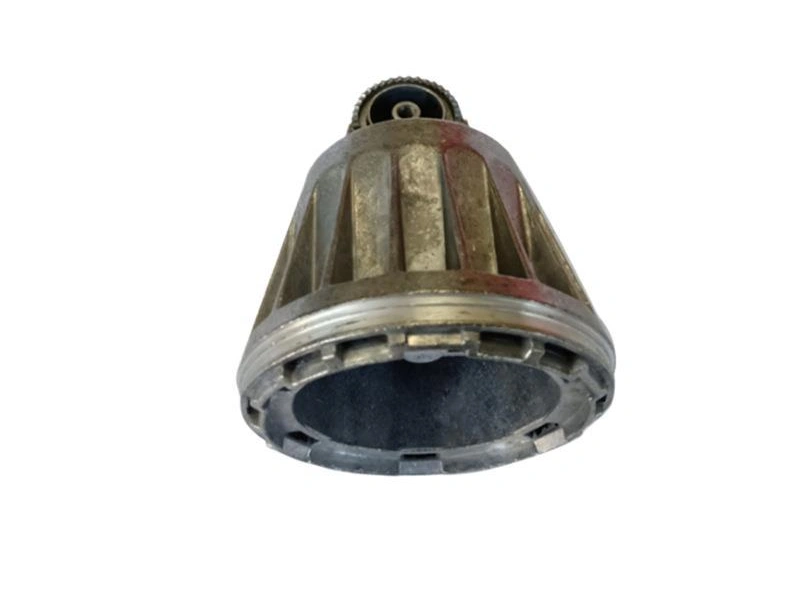
Casting manufacturing for custom metal parts usually includes drawing review, material selection, DFM, tooling, casting production, CNC post-machining, deburring, surface finishing, inspection, assembly, packaging and production planning. Buyers should confirm whether the supplier is quoting only casting blanks or finished metal castings ready for assembly and delivery.
1. Why Casting Manufacturing Should Be Planned as a Complete Process
Many custom metal parts are not finished after casting alone. A casting blank may still need CNC machining, edge control, surface finishing, inspection, assembly or protective packaging before it can be used in a final product. If buyers assume all steps are included in the quotation, cost and lead time may change later.
Neway can evaluate casting manufacturing projects from the beginning so material, tooling, CNC, finishing, inspection and delivery requirements are reviewed together.
Manufacturing Step | Why It Matters |
|---|---|
Drawing review | Checks whether the part is suitable for casting manufacturing. |
Matches application performance, cost and production route. | |
Builds the foundation for stable production. | |
Casting production | Forms the custom metal part shape. |
Controls critical holes, faces, threads and functional dimensions. | |
Improves appearance, protection and finished-part value. | |
Inspection | Verifies material, dimensions, defects and finished quality. |
Assembly and packaging | Supports finished component delivery and transport protection. |
2. How Front-End Review Reduces Production Risk
Drawing review and DFM help identify casting risks before tooling. Material selection determines whether the part can meet strength, weight, corrosion, thermal, electrical and surface finish requirements. Tooling planning determines whether the part can be produced consistently in samples, low-volume production and mass production.
If these steps are skipped, buyers may discover problems only after mold manufacturing or trial casting, when correction cost is higher.
3. How CNC, Finishing, Inspection and Packaging Complete the Part
CNC post-machining is often needed for threaded holes, mounting faces, sealing surfaces, locating holes, bearing seats and datum surfaces. Deburring helps remove sharp edges and machining burrs. Surface finishing improves appearance and protection. Inspection confirms dimensions, internal quality and final surface condition.
If the buyer needs ready-to-use parts, a one-stop casting manufacturing workflow can reduce communication gaps between casting, CNC, finishing, inspection and packaging.
Project Risk | Possible Result | Better Control |
|---|---|---|
Quotation includes only casting blanks. | Buyer later discovers CNC, finishing and inspection are extra. | Confirm full manufacturing scope during RFQ. |
No DFM before tooling. | Tooling modification and trial delay may increase. | Review design, wall thickness, draft and machining allowance first. |
CNC and surface finishing are added late. | Cost, lead time and fit may change after samples. | Plan CNC, finishing and inspection before production release. |
Inspection standard is unclear. | Mass production quality may be difficult to control. | Define material, dimension, surface and internal quality checks early. |
Packaging does not protect finished parts. | Finished cast parts may be scratched or damaged during shipping. | Confirm protective packaging for finished components. |
4. How Neway Supports Casting Manufacturing From RFQ to Delivery
Neway can review drawings, materials, tooling, casting production, CNC machining, surface finishing, inspection, assembly and packaging as one manufacturing plan. This helps buyers avoid incomplete quotations and receive custom metal parts closer to final use condition.
Summary
Buyer Question | Recommended Answer |
|---|---|
What does casting manufacturing include? | It can include drawing review, material selection, DFM, tooling, casting, CNC, finishing, inspection, assembly and packaging. |
Are casting blanks the same as finished parts? | No. Finished castings may still need CNC machining, finishing, inspection and packaging. |
When should the full process be confirmed? | Before quotation and tooling, especially when finished metal castings are required. |
How can Neway help? | Neway can evaluate material, tooling, CNC, surface finishing, inspection and delivery requirements together. |