When Is Custom Die Casting Worth the Tooling Investment?
When Is Custom Die Casting Worth the Tooling Investment?
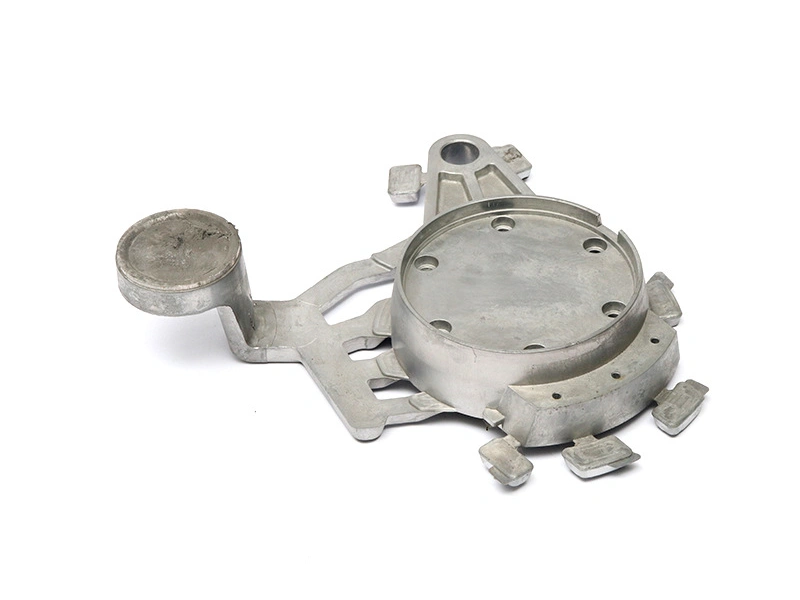
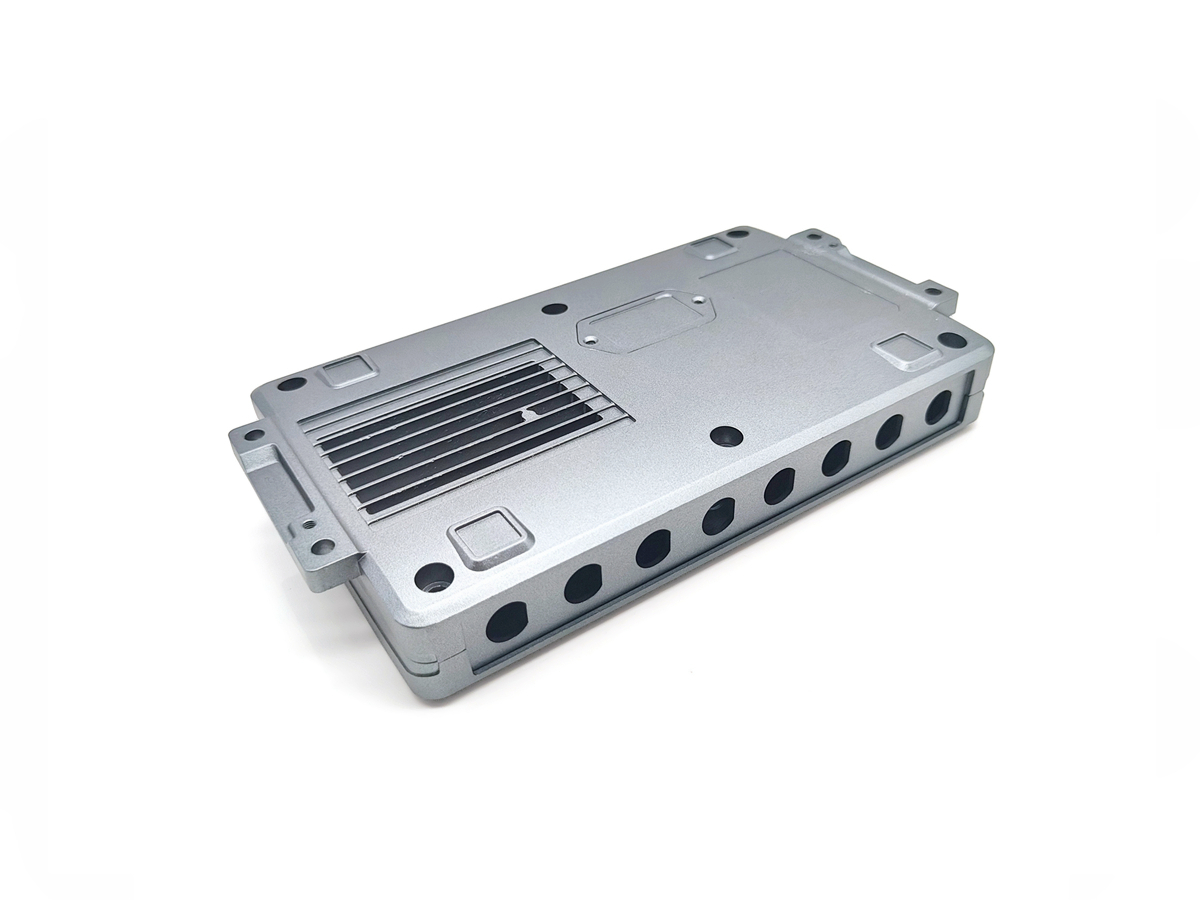
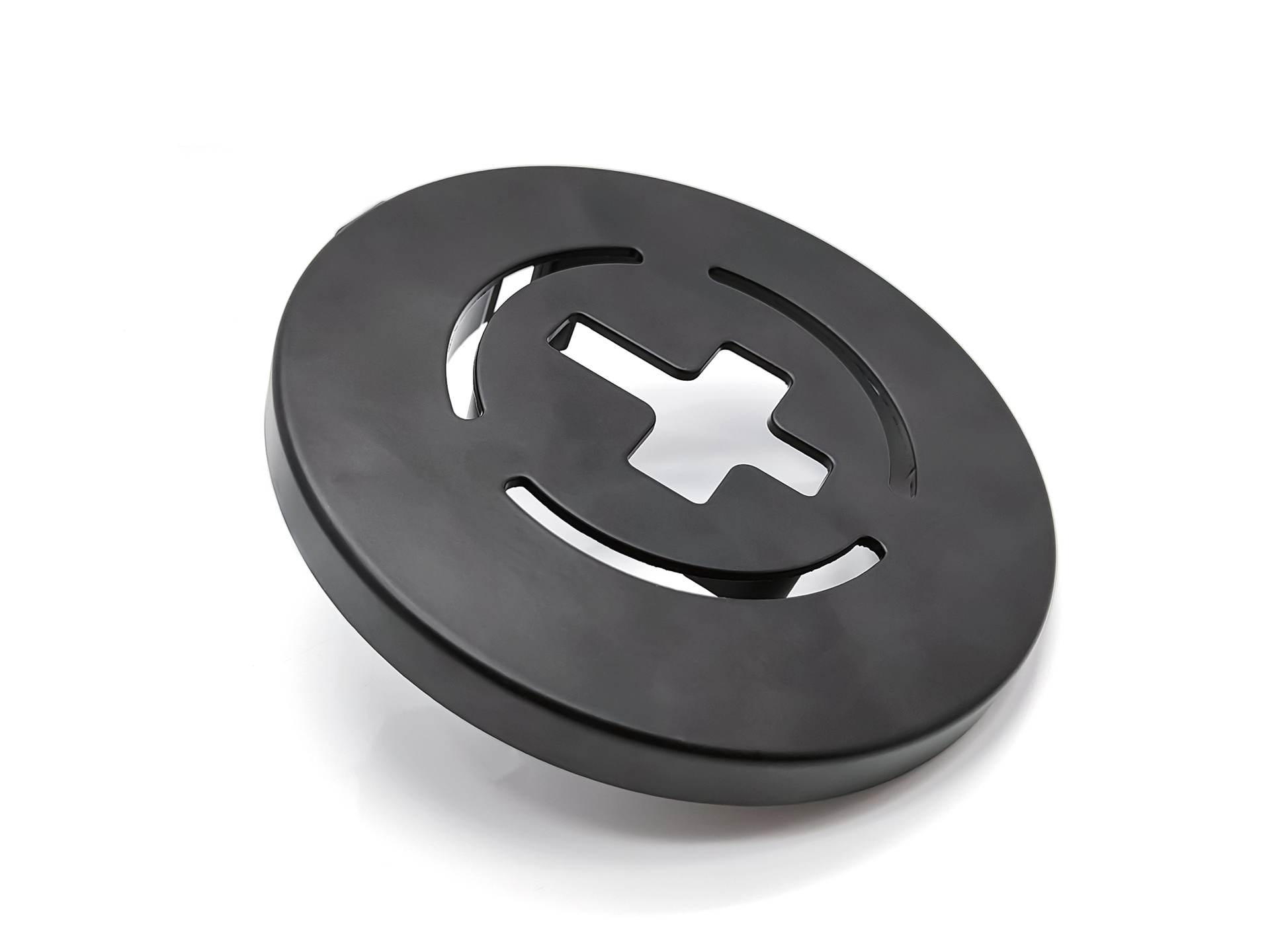
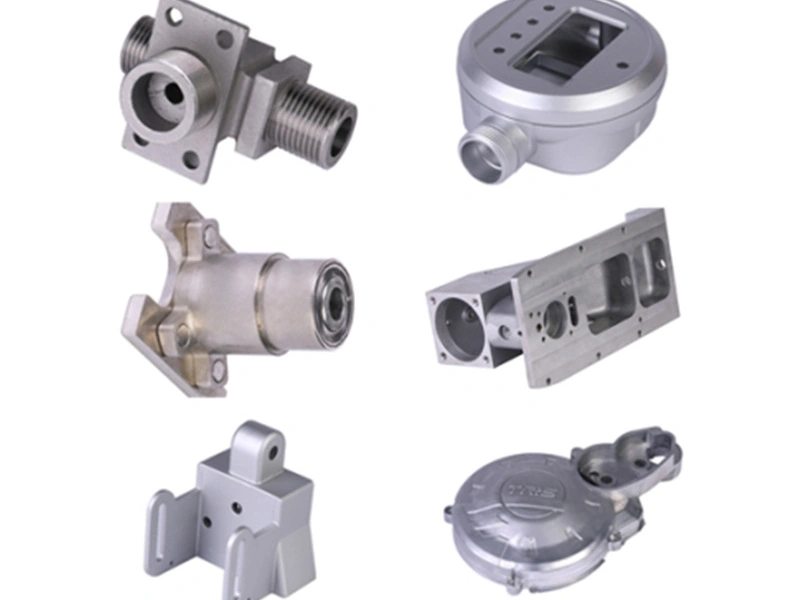
Custom die casting is usually worth the tooling investment when the buyer has stable annual demand, a mostly frozen product design, complex part geometry, long-term unit cost targets, consistent dimensional requirements and a clear plan to move into medium or high volume production. If the project has already passed prototype or sample validation, tooling investment can help make production more repeatable and cost-effective.
For buyers who need long-term production of custom metal parts, tooling should not be viewed only as an upfront cost. Tooling for custom die casting can be spread across future production volume and can help control unit cost, quality consistency, CNC machining cost, surface finish and delivery stability.
1. When Tooling Investment Makes Commercial Sense
Project Condition | Why It Supports Tooling Investment | Buyer Benefit |
|---|---|---|
Stable annual demand | Tooling cost can be spread across repeated production | Lower long-term unit cost |
Design is mostly frozen | Reduces the risk of mold modification after tooling starts | Lower rework cost and faster sample approval |
Complex part structure | Die casting can form housings, ribs, bosses and mounting features efficiently | Less dependence on full CNC machining |
Need stable dimensions | Production tooling supports repeatable geometry across batches | Better assembly fit and quality consistency |
Moving to medium or high volume | Production tooling supports repeatable output and capacity planning | More stable delivery and scalable production |
2. When Custom Die Casting Is Better Than Full CNC Machining
Custom die casting becomes more valuable when full CNC machining cost is too high for long-term production. CNC machining is useful for prototypes, low volume parts and critical features, but fully machining every part from solid material may increase material waste, cycle time and unit cost when production volume grows.
Manufacturing Route | Best Use | Buyer Decision |
|---|---|---|
Full CNC machining | Prototype parts, low volume projects and very high precision parts | Good before design is validated or demand is uncertain |
Custom die casting | Complex metal parts with stable volume and repeatable geometry | Better when long-term unit cost and batch consistency matter |
Die casting plus CNC machining | Parts needing cast geometry plus precision holes, threads or sealing faces | Useful when only critical areas need CNC machining after die casting |
3. How Material Choice Affects Tooling Value
Tooling value also depends on the selected die casting material. Aluminum die casting production is often suitable for lightweight housings and structural parts. Zinc die casting production is often suitable for small precision parts and decorative components. Copper alloy die casting is often used for conductive, thermal or wear-resistant parts.
Material Route | When Tooling Investment Helps | Typical Buyer Goal |
|---|---|---|
Aluminum die casting | When parts need lightweight structure, heat dissipation and repeatable production | Control unit cost for housings, brackets and structural parts |
Zinc die casting | When parts need fine details, stable dimensions and good surface quality | Produce small precision or decorative parts consistently |
Copper alloy die casting | When parts need conductivity, heat transfer, wear resistance or functional performance | Balance higher material cost with functional value |
4. When Buyers Should Delay Tooling Investment
Custom die casting tooling may not be the best first step if the design is still changing, the order quantity is very small, the material is not confirmed, the assembly method is unclear or the buyer only needs a few samples. In these cases, prototype validation or CNC machining may be safer before production tooling.
Situation | Why Tooling May Be Risky | Better First Step |
|---|---|---|
Design changes frequently | Late changes can cause tooling modification and delay | Use prototype or sample validation first |
Demand is unclear | Tooling cost may be difficult to amortize | Confirm forecast and market demand |
Material is not confirmed | Material affects flow, shrinkage, tooling and surface finish | Complete material and DFM review |
All surfaces need very tight machining | Die casting may not reduce enough machining cost | Compare full CNC machining and casting plus machining |
5. Summary
Custom Die Casting Is Worth Tooling Investment When | Buyer Benefit |
|---|---|
Annual demand is stable | Tooling cost can be spread across production volume |
Product design is mostly frozen | Reduces mold modification and sample rework risk |
Part structure is complex | Die casting can form complex geometry efficiently |
Full CNC machining cost is too high | Die casting plus local machining can reduce long-term cost |
Medium or high volume production is planned | Improves unit cost, quality consistency and delivery stability |
In summary, custom die casting is worth the tooling investment when buyers need long-term stable production instead of only a few samples. If the design is validated, demand is stable and the project requires consistent quality, tooling investment can help reduce unit cost, improve quality consistency and support reliable delivery for custom metal parts.