When Is Prototype Casting Better Than CNC Machining or 3D Printing?
When Is Prototype Casting Better Than CNC Machining or 3D Printing?
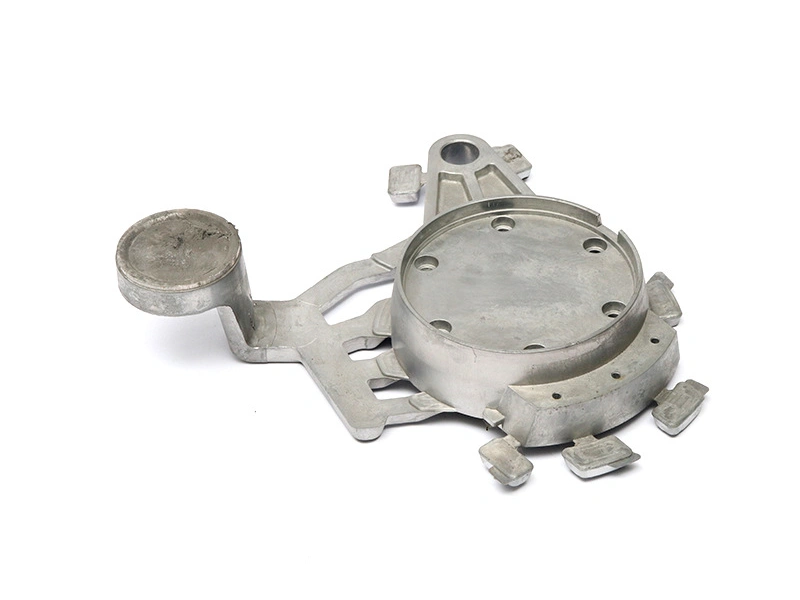
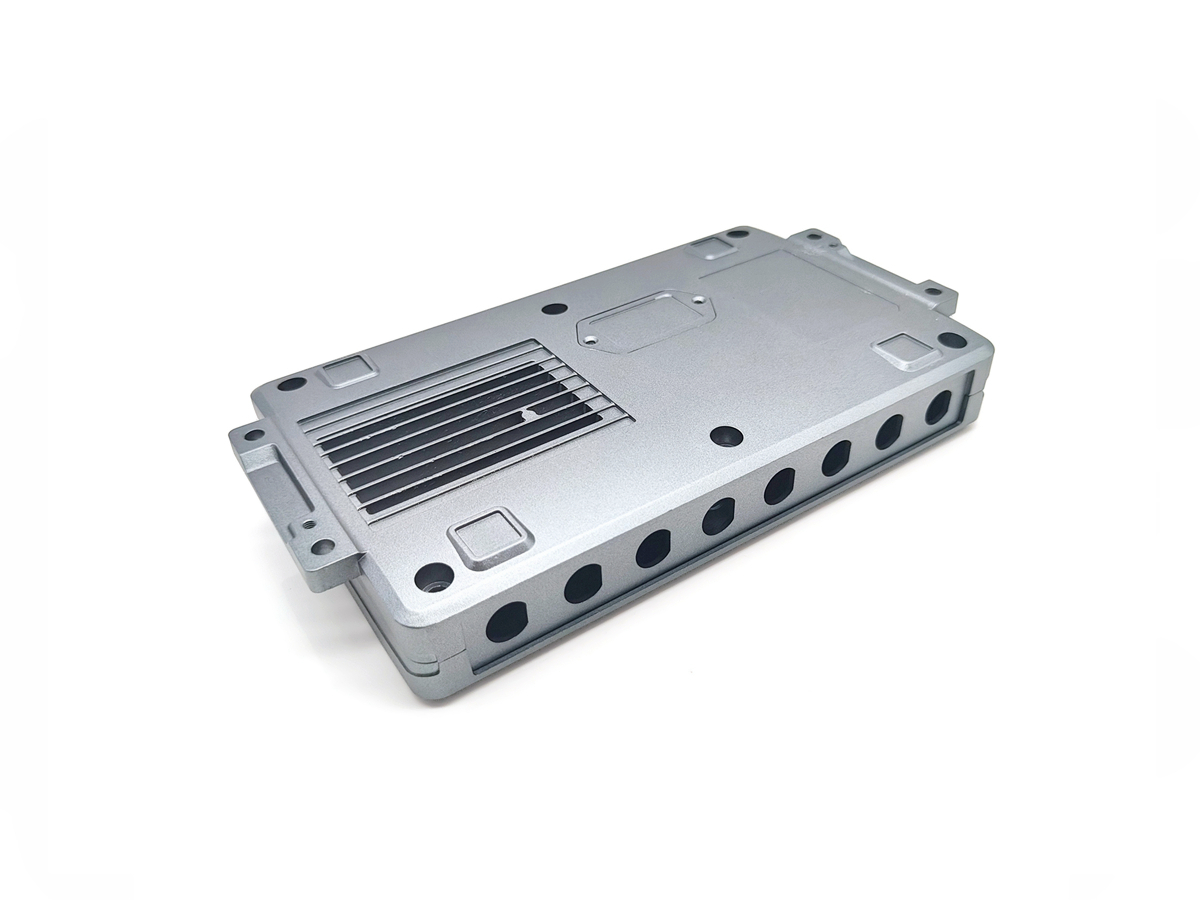
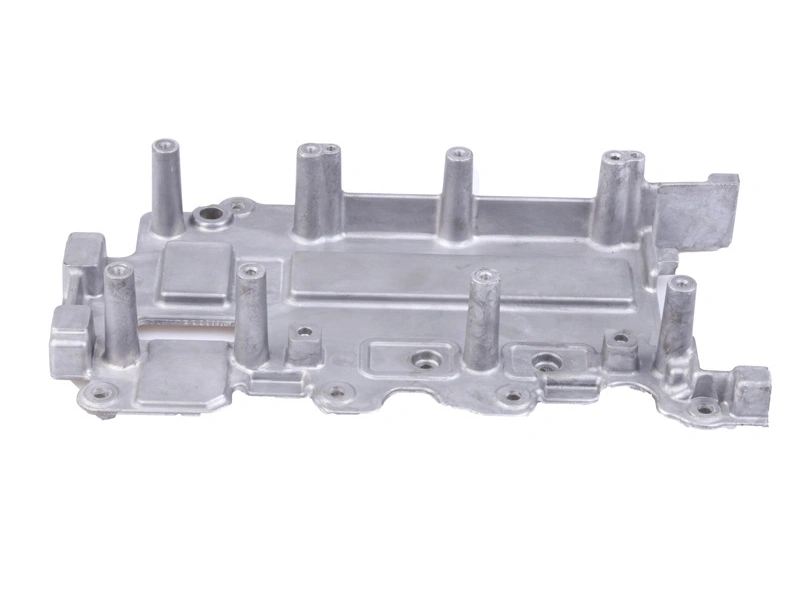
Prototype casting is better than CNC machining or 3D printing when buyers need to validate casting-like material behavior, cast geometry, surface finishing, machining allowance, assembly fit and production feasibility before investing in formal tooling or mass production.
1. Why the Final Production Process Should Guide Prototyping
The best prototype method depends on what the buyer needs to validate. If the final product will be manufactured by metal casting or die casting, prototype casting can provide more useful feedback about cast geometry, material behavior, surface finishing and production risks than a purely machined or printed model.
However, CNC machining and 3D printing also have value. CNC machining is strong for high-precision metal prototypes, while 3D printing is useful for fast shape and assembly checks. Neway can help buyers compare prototype routes before choosing the method.
Prototype Method | Best Use | Limitation |
|---|---|---|
Prototype casting | Casting feasibility, material behavior and production route validation. | Needs more process preparation than simple visual prototypes. |
High-precision metal prototypes and functional features. | Does not fully represent casting process risks. | |
Fast shape, concept and assembly checks. | Material and surface behavior may not represent cast metal parts. | |
Sand casting prototype | Larger metal prototype validation. | Surface quality and precision may be limited. |
Combined approach | Complex projects with different validation goals. | Requires engineering review to choose the correct route. |
2. When Prototype Casting Is the Better Choice
Prototype casting is usually a better choice when the final product will enter casting production and buyers need to validate casting-like shape, material behavior, surface finish, machining allowance and assembly fit. It can reveal risks that may not appear in CNC or 3D printed samples.
For example, a CNC prototype may prove that a shape can be machined, but it may not show casting-related risks such as wall thickness issues, shrinkage, surface condition or machining allowance after casting. A 3D printed model may confirm appearance and fit, but it may not represent metal strength, finish behavior or casting process feasibility.
3. When CNC Machining or 3D Printing May Be Better
If buyers only need to check external shape, ergonomics or quick assembly layout, 3D printing may be faster. If buyers need a high-precision metal prototype for functional testing, CNC machining may be better. If buyers need to validate future casting production risks, prototype casting has stronger reference value.
Neway can support rapid prototyping for metal casting validation and prototyping support for casting projects based on the buyer's final production goal.
Prototype Selection Risk | Possible Result | Better Decision |
|---|---|---|
Using 3D printing to represent metal strength. | The final metal part may behave differently. | Use metal prototype or prototype casting when material behavior matters. |
Using CNC prototype to approve casting structure. | Casting defects or tooling risks may still appear later. | Use prototype casting when final production is casting. |
Choosing only the fastest sample method. | Production risks may be missed before tooling. | Select prototype method based on final production goal. |
Ignoring surface finishing during prototype stage. | Finish and coating problems may appear after tooling. | Validate surface finish before production release. |
4. How Neway Helps Select the Prototype Route
Neway can provide engineering support for prototype route selection and recommend prototype casting, CNC machining, 3D printing or a combined validation route based on drawing maturity, material needs, final production process and risk level.
Summary
Buyer Question | Recommended Prototype Route |
|---|---|
Final production will be metal casting. | Use prototype casting to validate casting feasibility and production risks. |
Only fast shape validation is needed. | Use 3D printing when material behavior is not the main concern. |
High-precision metal function is needed. | Use CNC machining when tight functional accuracy is the main goal. |
The project has complex risks. | Use engineering review to combine prototype casting, CNC and 3D printing if needed. |