Which Die Casting Parts Are Best for Mass Production Projects?
Which Die Casting Parts Are Best for Mass Production Projects?
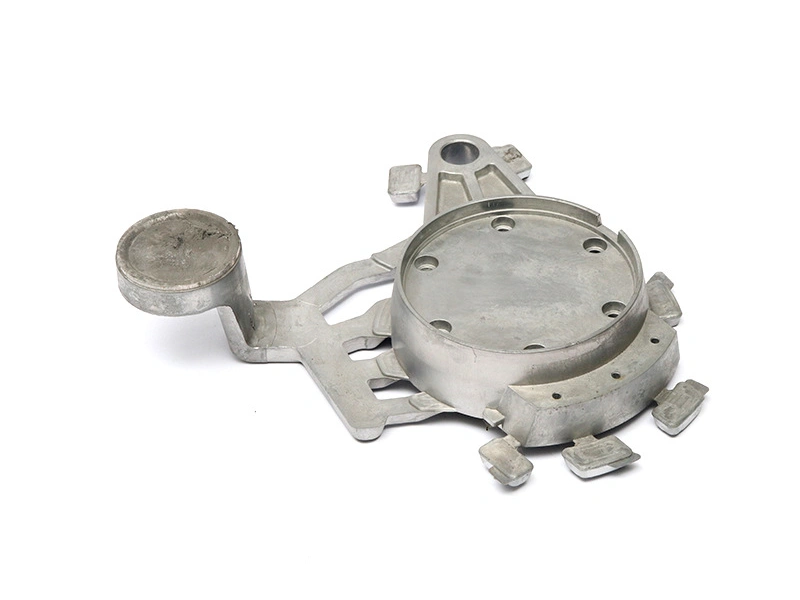
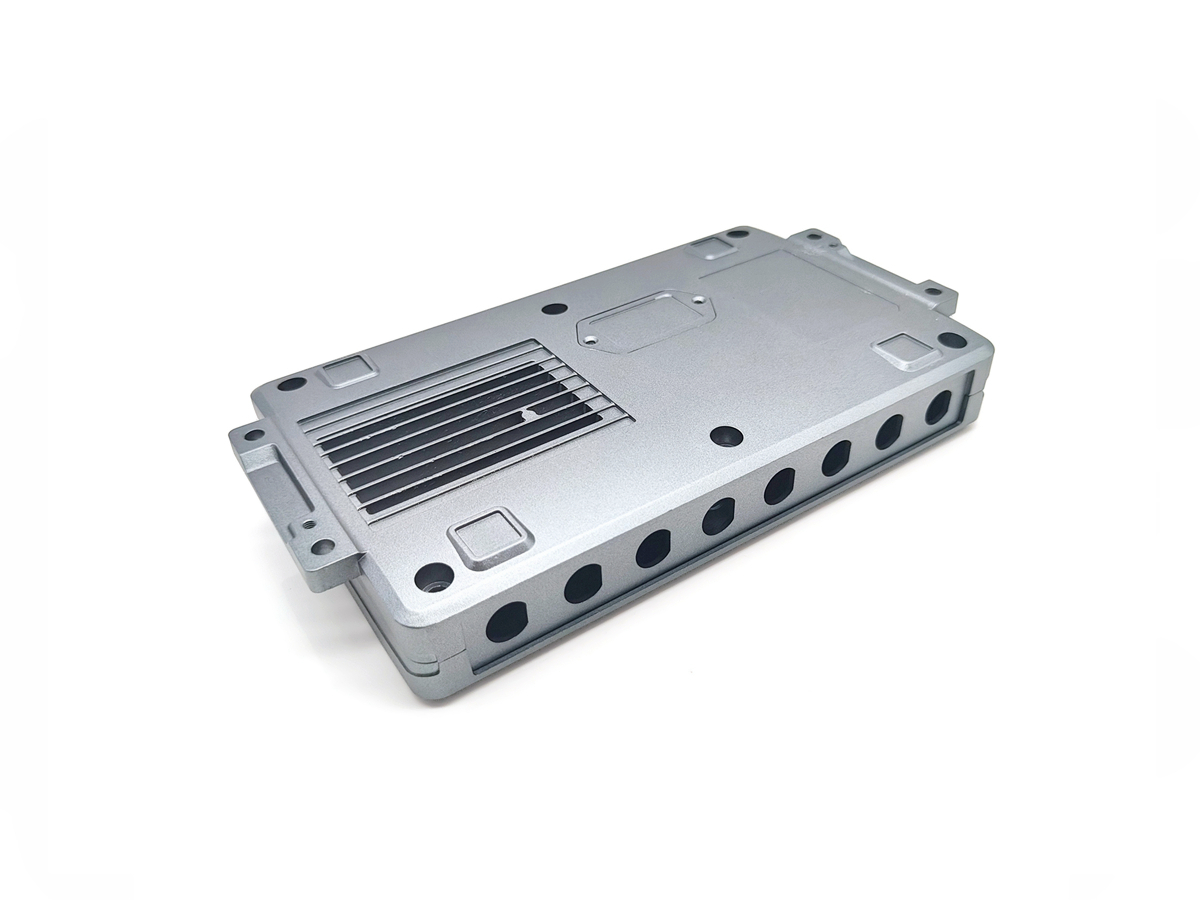
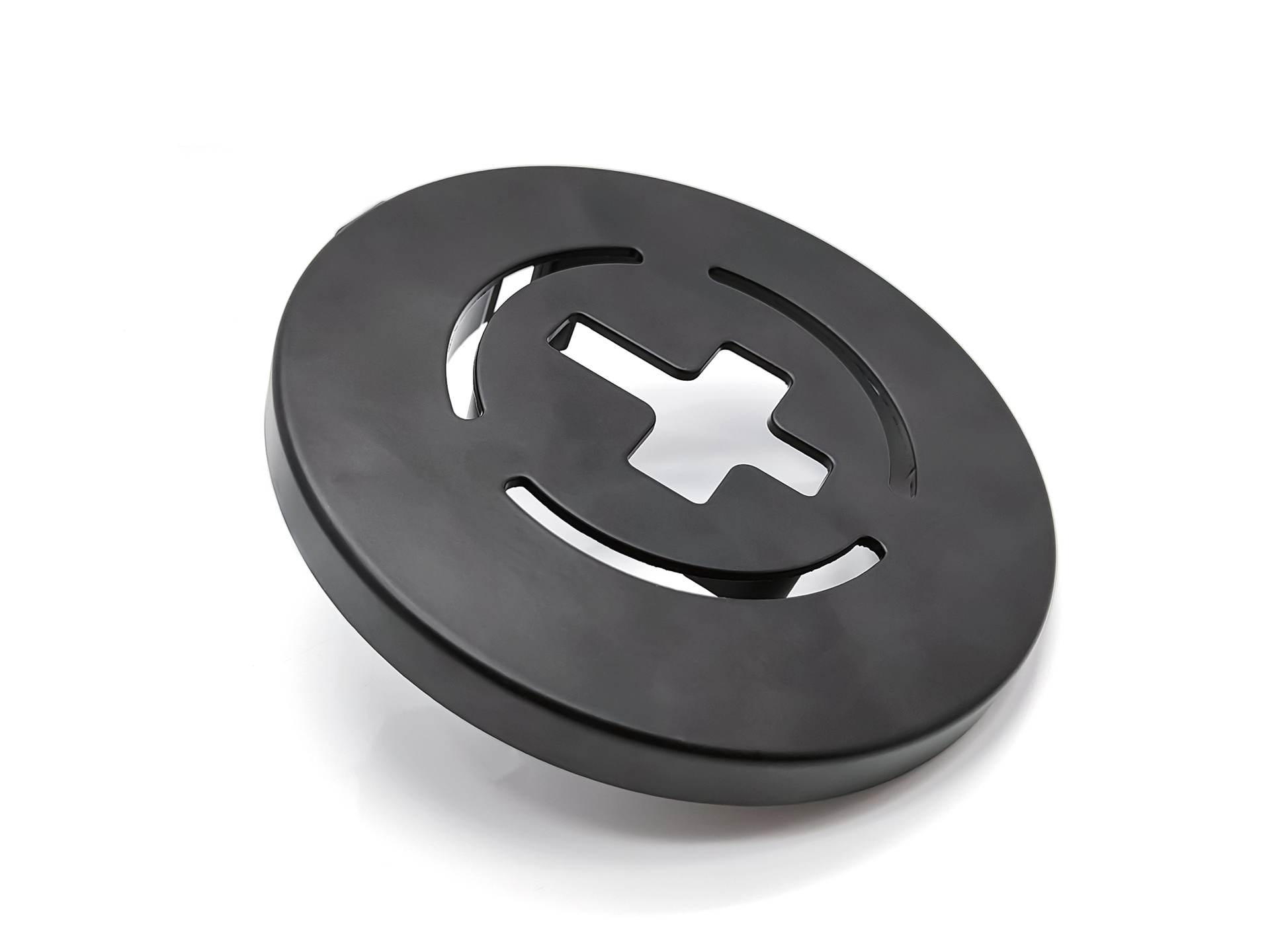
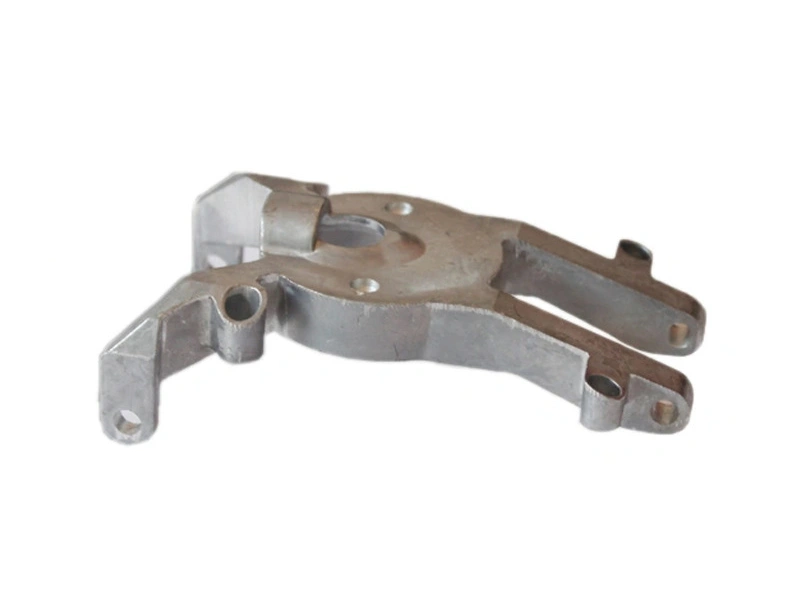
Die casting parts for mass production are usually parts with stable annual demand, mostly frozen design, complex metal structures, consistent dimensional requirements, long-term unit cost targets, local CNC machining needs, surface finishing requirements and completed prototype or sample validation. These parts are more suitable for tooling and batch production than one-off sample manufacturing.
If buyers only need a few test parts, CNC machining or prototype validation may be more practical at the beginning. If the product is ready for stable orders, production die casting parts can help reduce long-term cost through tooling, repeatable casting, local post-machining and controlled batch inspection.
1. Which Parts Are Suitable for Mass Production Die Casting?
Suitable Part Type | Why It Fits Mass Production | Buyer Benefit |
|---|---|---|
Design-frozen parts | The structure is stable and unlikely to change after tooling starts | Reduces mold modification and sample delay |
Stable-demand parts | Annual demand can justify tooling investment | Helps spread tooling cost across production volume |
Complex metal parts | Die casting can form housings, ribs, bosses and mounting features efficiently | Reduces dependence on full CNC machining |
Dimension-critical parts | Production tooling can repeat the same geometry across batches | Improves assembly fit and batch consistency |
Finished appearance parts | Parts can be planned for polishing, coating, painting or plating | Improves final product value and buyer acceptance |
2. Why Tooling Matters for Production Die Casting Parts
Tooling for die casting parts controls mold filling, cooling, ejection, parting line, dimensional repeatability and production efficiency. When demand is stable, tooling can help reduce long-term unit cost and improve delivery stability.
Tooling Factor | Production Impact | Buyer Value |
|---|---|---|
Cavity design | Controls part shape and repeatability | Improves dimensional consistency |
Gate and runner design | Affects filling, flow marks and porosity risk | Reduces trial and batch defects |
Cooling design | Affects cycle time, shrinkage and deformation | Improves output and lowers scrap risk |
Ejection design | Affects surface marks and part removal | Improves appearance and production stability |
3. Which Material Routes Fit Mass Production Parts?
Different die casting parts may require different alloy routes. Aluminum die casting parts are often suitable for lightweight housings, brackets, heat sink structures and larger parts. Zinc die casting parts are often suitable for smaller precision parts, hardware and decorative components. Copper die casting parts are more suitable when conductivity, heat transfer or wear resistance matters.
Material Route | Best Mass Production Use | Buyer Focus |
|---|---|---|
Aluminum die casting | Lightweight structural parts, housings, heat sinks and industrial parts | Weight, heat dissipation, machining allowance and unit cost |
Zinc die casting | Small precision parts, decorative parts, hardware and connectors | Surface quality, detail, dimensional consistency and coating |
Copper die casting | Conductive, thermal, wear-resistant and functional parts | Functional performance, machining, inspection and total cost |
4. When CNC Machining Is Still Needed
Many mass production die casting parts still need CNC machining for die cast parts. CNC machining is usually used for threaded holes, mounting holes, sealing faces, datum surfaces, bearing holes and high-tolerance assembly areas.
Machined Feature | Why It May Be Needed | Buyer Should Confirm |
|---|---|---|
Threaded holes | Threads usually need controlled drilling and tapping | Thread size, depth and inspection standard |
Mounting holes | Hole position affects assembly fit | Position tolerance and assembly requirements |
Sealing faces | Flatness and surface roughness affect sealing | Flatness, roughness and leakage standard |
Datum surfaces | Datums control machining and inspection repeatability | Datum definition and measurement method |
5. Summary
Best Die Casting Parts for Mass Production | Reason |
|---|---|
Design-frozen parts | Reduce tooling change and sample failure risk |
Stable-demand parts | Allow tooling cost to be spread across production volume |
Complex metal structures | Die casting can form geometry efficiently |
Parts needing batch consistency | Tooling supports repeatable dimensions and stable quality |
Parts needing local CNC machining and finishing | Casting forms the main shape while machining and finishing control final functions |
In summary, die casting parts are best for mass production when the design is validated, annual demand is stable, dimensions must remain consistent and long-term unit cost matters. If the product is already moving from samples to stable orders, custom metal casting with tooling, CNC machining and batch inspection can support more reliable production.