Which Material Should Buyers Choose for Custom Die Cast Parts?
Which Material Should Buyers Choose for Custom Die Cast Parts?
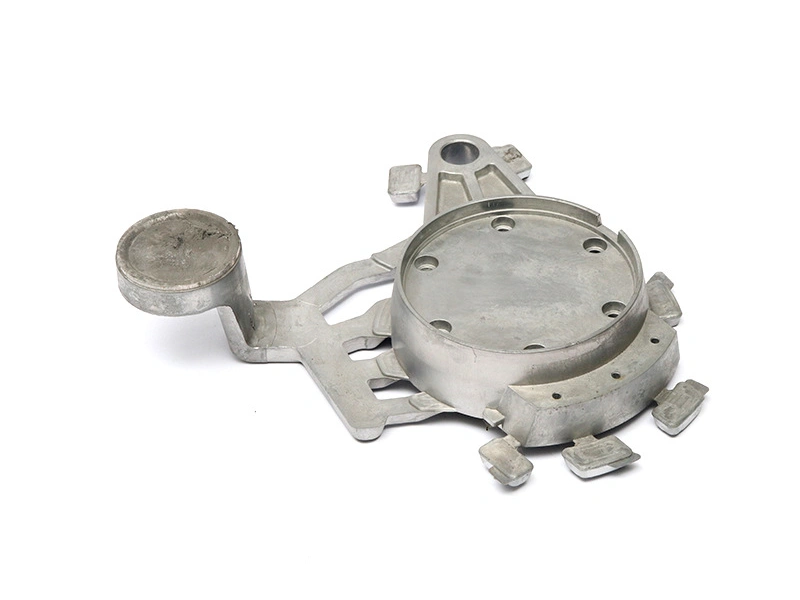
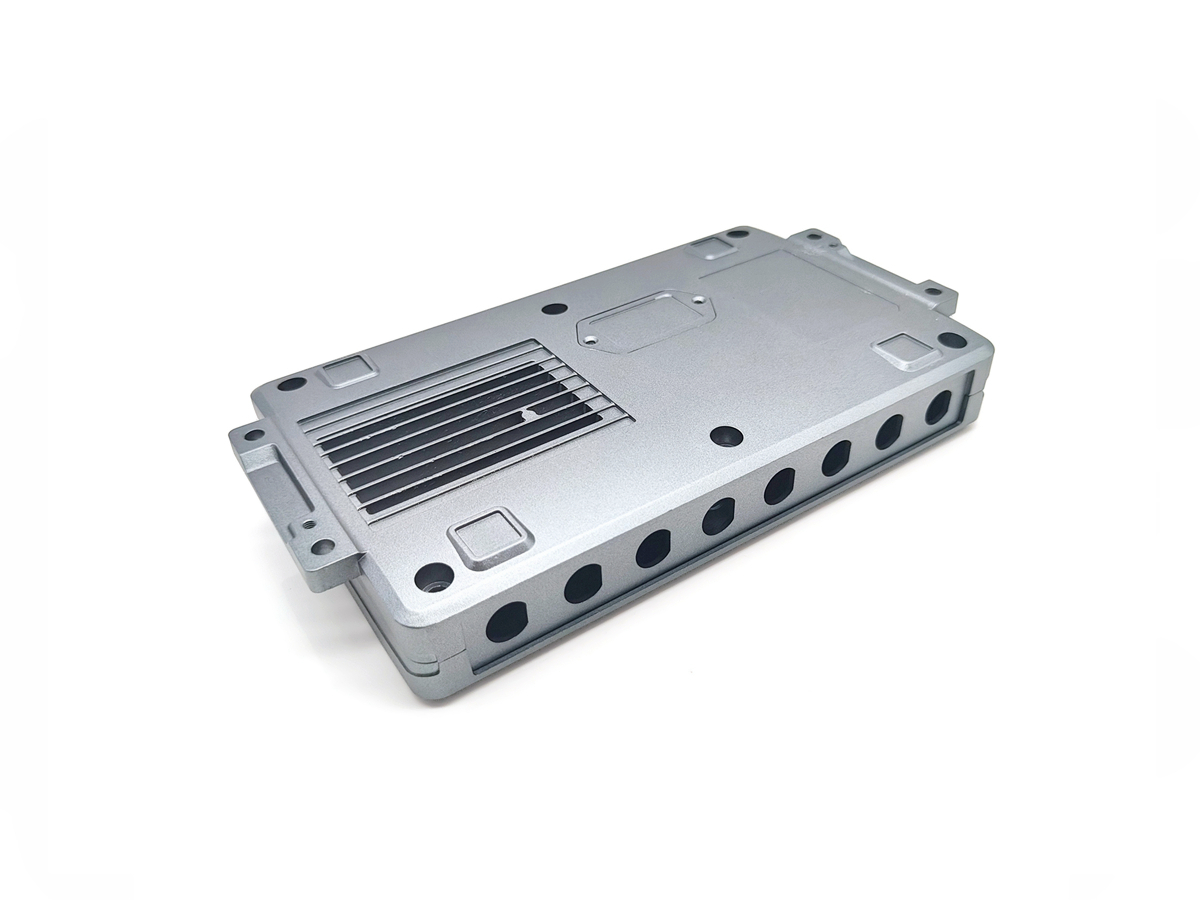
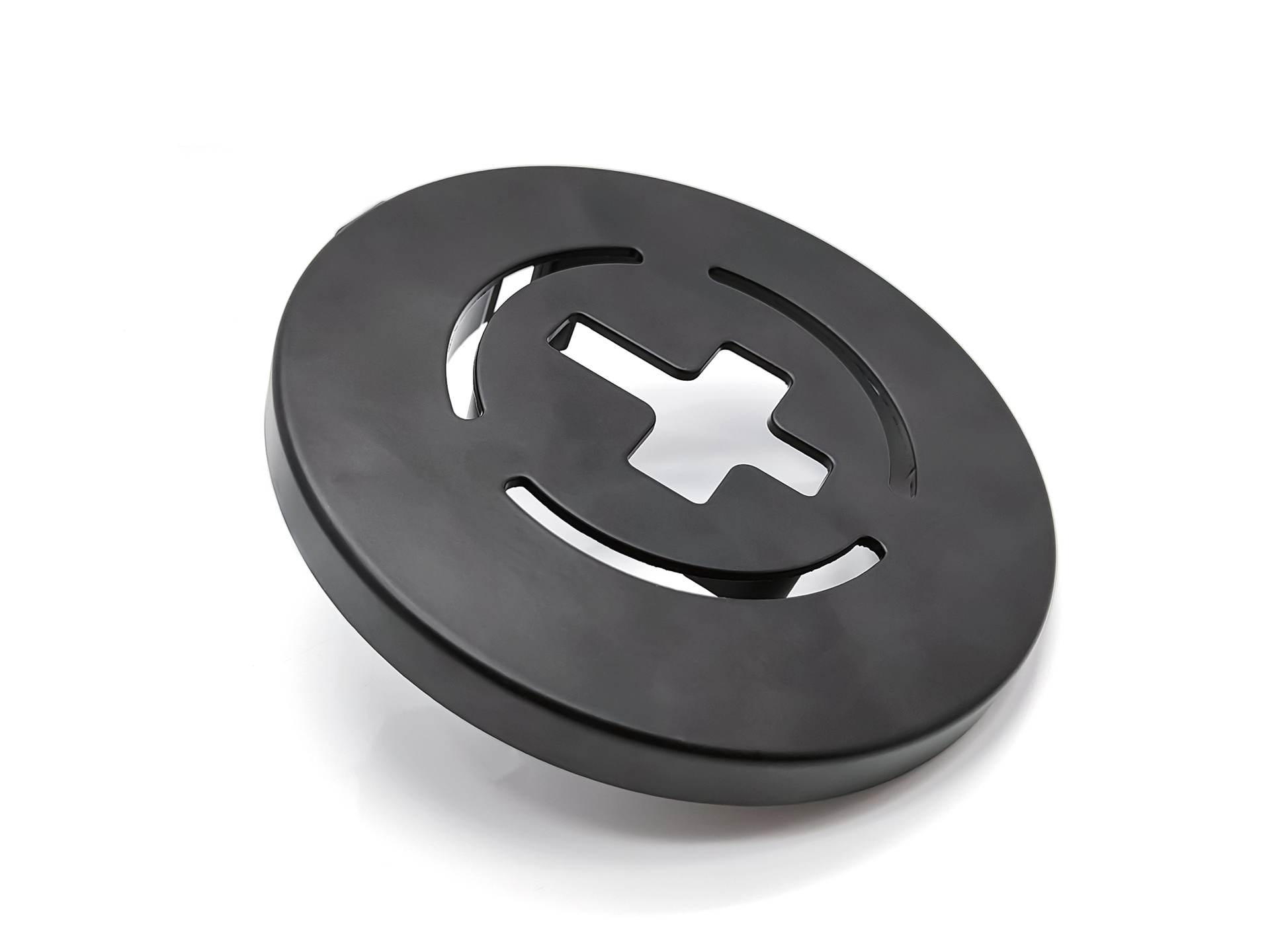
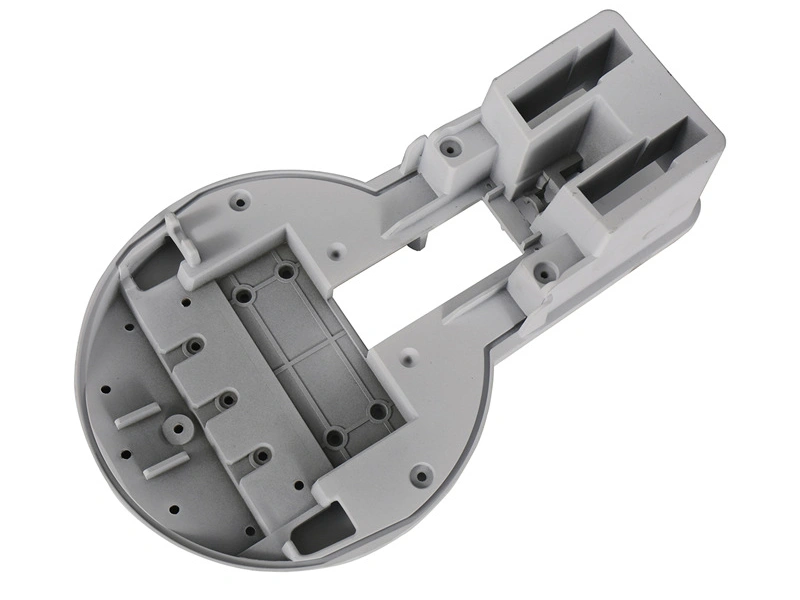
Buyers should choose the material for custom die cast parts based on product function, weight target, surface requirement, CNC machining needs, tooling risk, inspection requirements and long-term production cost. Aluminum die casting for lightweight parts is often suitable when weight reduction and heat dissipation matter. Zinc die casting for precision parts is often suitable for small complex parts and good surface quality. Copper die casting for conductive parts is considered when conductivity, heat transfer, wear resistance or special function is required.
Material selection should not be based only on raw material price. A better approach is to evaluate custom metal casting requirements together with tooling, CNC machining, surface finishing, inspection and long-term production stability.
1. Quick Material Selection Guide
Buyer Requirement | Recommended Material Route | Reason |
|---|---|---|
Lightweight structure | Aluminum die casting | Useful for weight-sensitive housings, brackets and structural parts |
Heat dissipation | Aluminum die casting or copper die casting | Depends on thermal requirement, cost target and part design |
Small complex geometry | Zinc die casting | Supports detailed features, stable dimensions and surface quality |
Decorative appearance | Zinc die casting or aluminum die casting | Depends on finish type, cosmetic standard and use environment |
Conductive or functional performance | Copper die casting | Suitable when electrical, thermal or wear performance is important |
2. When to Choose Aluminum Die Casting
Aluminum die casting is often chosen for lightweight parts, housings, heat sink structures, automotive parts, lighting housings and industrial components. It is a good option when the buyer wants a balance of weight, strength, thermal performance and scalable production.
Aluminum Die Casting Fits When | Buyer Value |
|---|---|
The part needs lower weight | Supports lightweight product design |
The part is a housing or structural component | Combines shape, strength and production repeatability |
The part needs heat dissipation | Useful for lighting, electronics and thermal structures |
Medium or high volume production is planned | Helps spread tooling cost and reduce long-term unit cost |
3. When to Choose Zinc Die Casting
Zinc die casting is often chosen for small precision parts, hardware, connectors, decorative parts, consumer product parts and appearance-focused components. It is suitable when the part needs stable dimensions, complex details and good surface quality.
Zinc Die Casting Fits When | Buyer Value |
|---|---|
The part is small and complex | Supports detailed geometry and stable production |
The part needs good surface quality | Useful for plating, coating, painting and decorative finishes |
Dimensional consistency is important | Improves assembly fit and batch repeatability |
Only local CNC machining is needed | Can reduce unnecessary full-part machining cost |
4. When to Choose Copper Die Casting
Copper die casting is often considered when the part needs conductivity, heat transfer, wear resistance, corrosion resistance or special functional performance. Copper alloy parts may cost more, but the material can be valuable when function is more important than lowest part price.
Copper Die Casting Fits When | Buyer Value |
|---|---|
The part needs electrical conductivity | Supports conductive contacts and current-related components |
The part needs heat transfer | Supports thermal performance in functional parts |
The part needs wear resistance | Useful for contact, friction or mechanical interface areas |
The part has special functional requirements | Justifies material cost through performance value |
5. Why Tooling and CNC Machining Must Be Considered
Material selection also affects die casting tooling, cycle time, shrinkage, surface finish and machining cost. Many custom die cast metal parts still need CNC machining for die cast parts to control holes, threads, sealing faces, datums and critical dimensions.
Decision Area | Why It Matters |
|---|---|
Tooling | Different materials require different gate, venting, cooling and tool life planning |
CNC machining | Material affects tool wear, machining time, surface finish and inspection cost |
Surface finishing | Material affects coating, plating, painting, polishing and appearance results |
Inspection | Functional materials may require stricter dimensional, surface or performance checks |
6. Summary
Buyer Need | Recommended Material |
|---|---|
Lightweight and heat dissipation | Aluminum die casting |
Small complex parts and good appearance | Zinc die casting |
Conductivity, heat transfer or wear resistance | Copper die casting |
Complete custom metal part solution | Evaluate material, tooling, CNC machining, finishing and inspection together |
In summary, buyers should choose custom die casting materials based on function, weight, appearance, machining needs, tooling risk and long-term production cost. Aluminum is often suitable for lightweight parts. Zinc is suitable for small precision and appearance parts. Copper is suitable for conductive, thermal or wear-resistant functional parts.