Which Part Designs Are Best Suited for Custom Die Casting?
Which Part Designs Are Best Suited for Custom Die Casting?
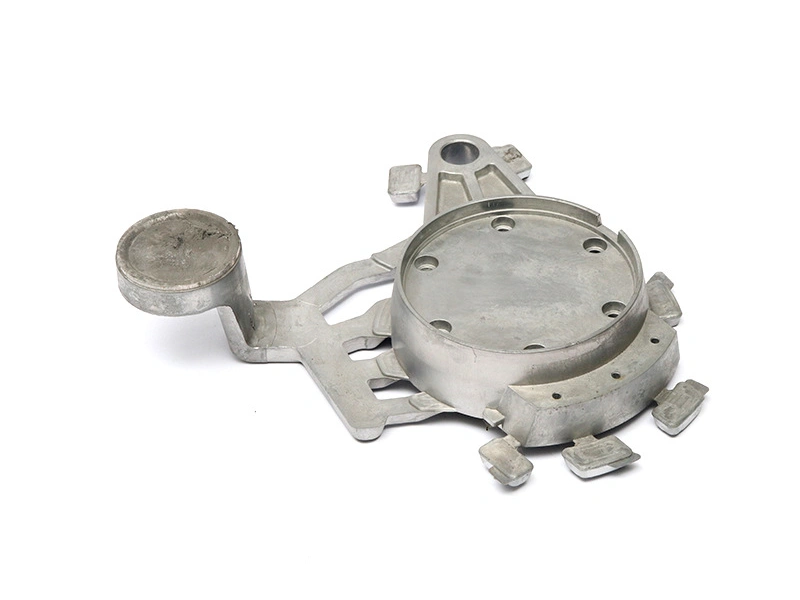
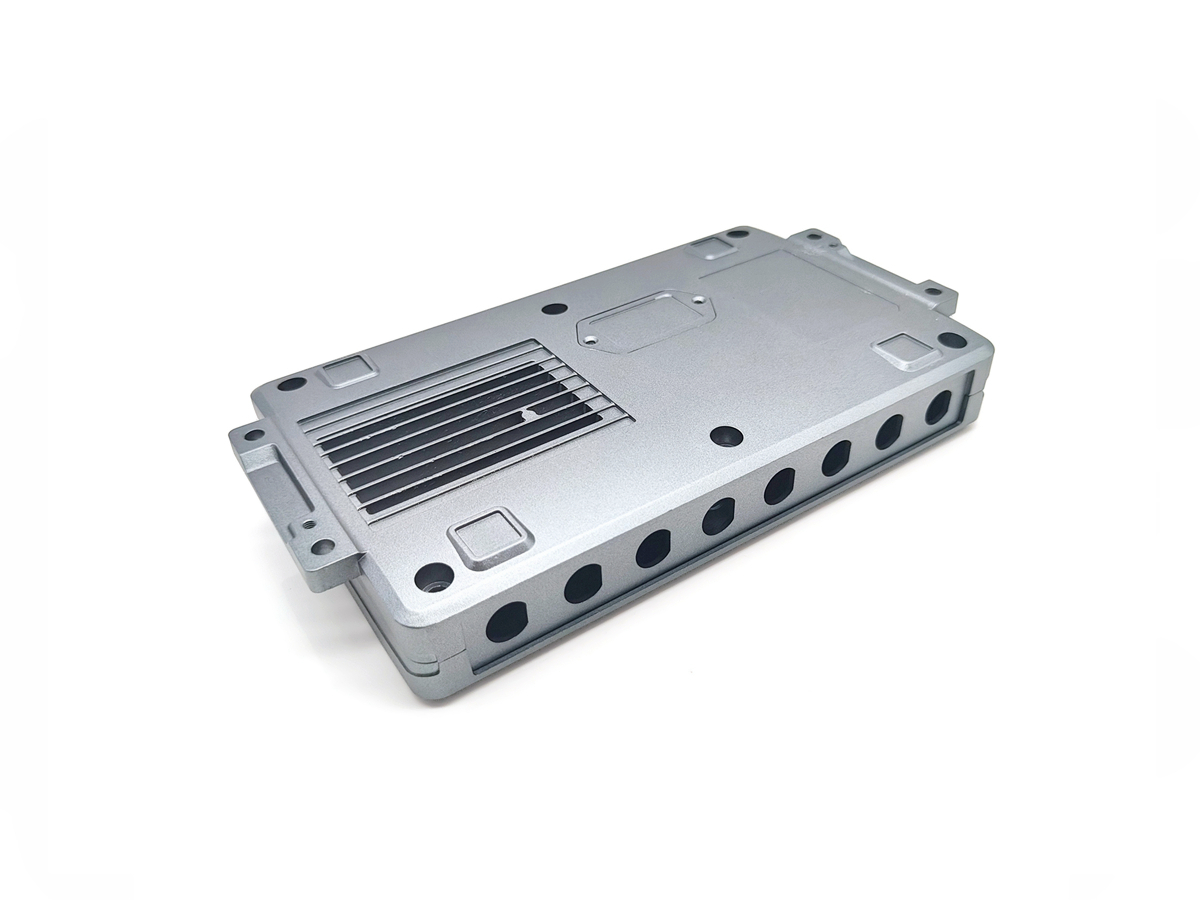
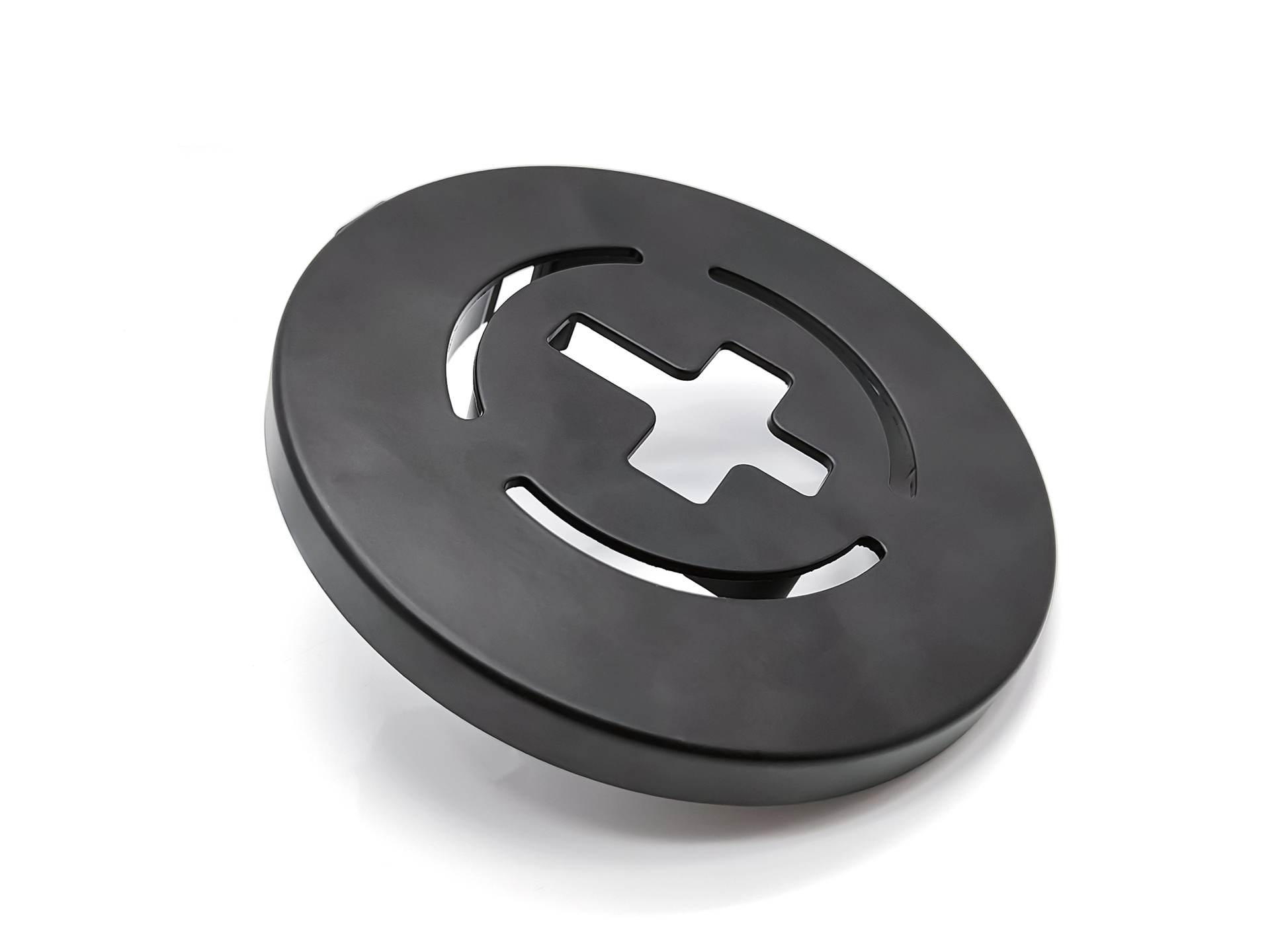
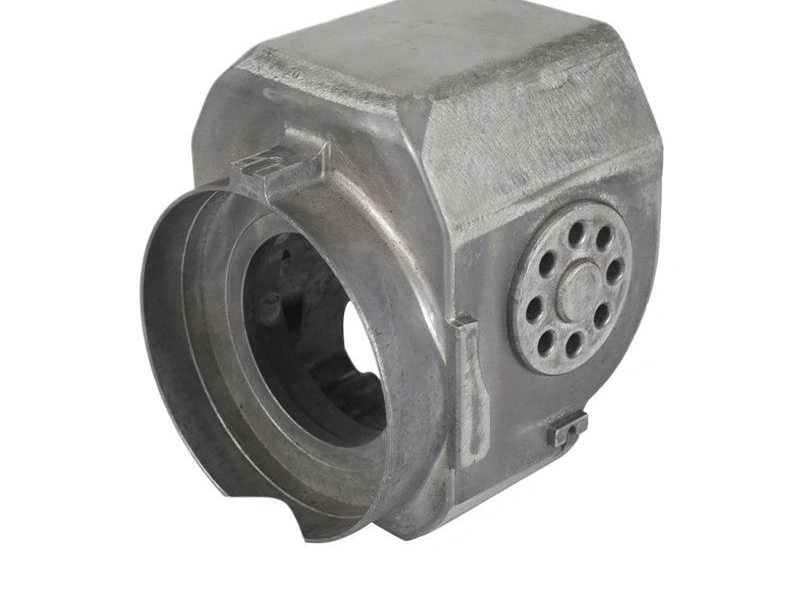
Part designs best suited for custom metal casting service usually include housings, brackets, ribs, bosses, mounting structures, complex outer shapes, functional surfaces and repeatable production requirements. Custom die casting is especially suitable when the part needs metal strength, dimensional consistency, surface treatment and local CNC machining for holes, threads or assembly faces.
Buyers can use die cast part DFM review to decide whether a design is suitable for custom die casting. If the part geometry can be formed by tooling and the demand is stable, custom die casting is often more practical for long-term production than fully relying on CNC machining.
1. Design Features That Fit Custom Die Casting
Design Feature | Why It Fits Custom Die Casting | Typical Buyer Benefit |
|---|---|---|
Housings and covers | Die casting can form complex outer shapes and internal support features | Good for electronic, industrial, lighting and mechanical products |
Brackets and supports | Can combine strength, ribs, bosses and mounting points | Reduces assembly complexity and supports batch production |
Ribs and bosses | Can improve stiffness without fully machining the part from solid material | Supports strength and material efficiency |
Mounting structures | Can form screw bosses, locating areas and assembly features | Improves repeatable fit after machining where needed |
Complex outside geometry | Tooling can repeat complex shapes efficiently after approval | Improves long-term unit cost for stable production |
2. Designs That Need Local CNC Machining
Many die cast parts do not need full machining, but they do need CNC machining for functional surfaces. These areas should be marked before tooling so the supplier can plan machining allowance, datums, fixtures and inspection.
Feature | Why CNC Machining May Be Needed | Buyer Should Define |
|---|---|---|
Precision holes | Hole size and position may need tighter tolerance than casting alone | Hole diameter, position tolerance and inspection method |
Threaded holes | Threads often require drilling and tapping after casting | Thread size, depth and fastening requirement |
Sealing faces | Flatness and roughness may need machining control | Flatness, roughness and leakage requirement |
Mounting faces | Assembly fit may require controlled surfaces | Datum surface, tolerance and mating part information |
3. When Aluminum, Zinc or Copper Designs Fit Better
Different custom die cast part designs may fit different materials. Aluminum die cast part design is often suitable for lightweight housings and structural parts. Zinc die casting for complex parts is often suitable for small precision and decorative parts. Copper die casting for functional parts is usually considered when conductivity, heat transfer or wear resistance is important.
Material Route | Best Design Fit | Buyer Focus |
|---|---|---|
Aluminum die casting | Lightweight housings, brackets, heat sinks and larger structures | Weight reduction, thermal structure and long-term unit cost |
Zinc die casting | Small complex parts, decorative components and precision features | Detail, dimensional stability and surface finish |
Copper die casting | Conductive, thermal, wear-resistant and functional metal parts | Functional performance and machining control |
4. Designs That May Not Be Ready for Custom Die Casting
Some designs should not move directly into die casting tooling. If the design changes frequently, the quantity is too low, all surfaces require extreme precision or the material and assembly method are not confirmed, buyers should complete more validation first.
Not Ideal Situation | Why It Increases Risk | Suggested Action |
|---|---|---|
Design changes frequently | Tooling modification may increase cost and delay | Use prototype validation before tooling |
Quantity is too low | Tooling cost may not be justified | Compare CNC machining or low volume alternatives |
All surfaces need extreme precision | Die casting may not reduce enough post-machining | Review full CNC machining vs casting plus machining |
Material and assembly are unclear | Late changes can affect tooling, machining and finishing | Complete DFM, material and assembly review first |
5. How Die Casting Tooling Design Supports Good Part Design
Die casting tooling design should be considered before production. Tooling decisions affect gate position, parting line, ejector marks, cooling, venting, machining allowance and surface treatment quality.
6. Summary
Best Suited Designs | Why They Fit Custom Die Casting |
|---|---|
Housings and brackets | Can combine strength, shape and production repeatability |
Parts with ribs and bosses | Can improve structure without full CNC machining |
Complex metal shapes | Tooling can repeat complex geometry efficiently |
Parts needing local CNC machining | Casting forms the main shape while CNC controls critical features |
Designs near production status | Stable design reduces tooling modification risk |
In summary, the best custom die cast part designs usually include housings, brackets, ribs, bosses, mounting structures, complex shapes and functional areas that need only local CNC machining. If the structure is suitable for tooling and demand is stable, custom die casting can support long-term production better than fully machining every part from solid material.