Can prototypes be made using the final production alloy?
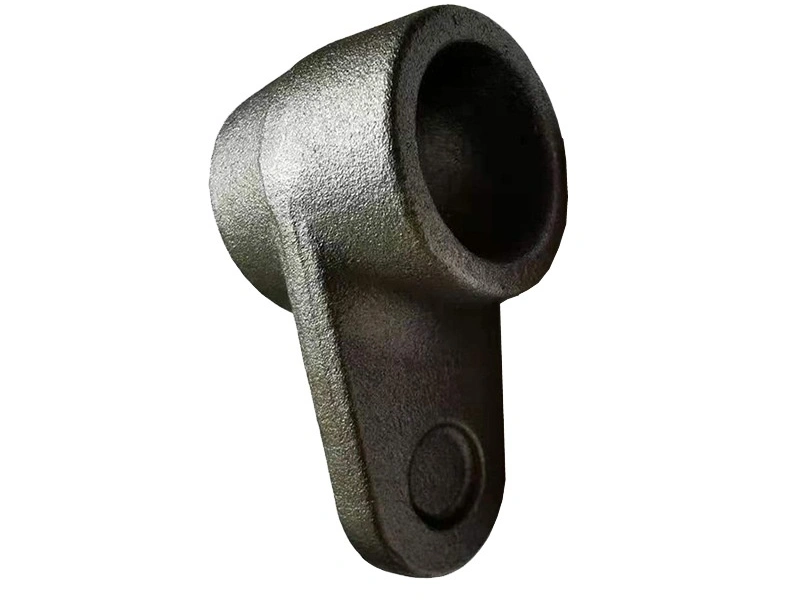
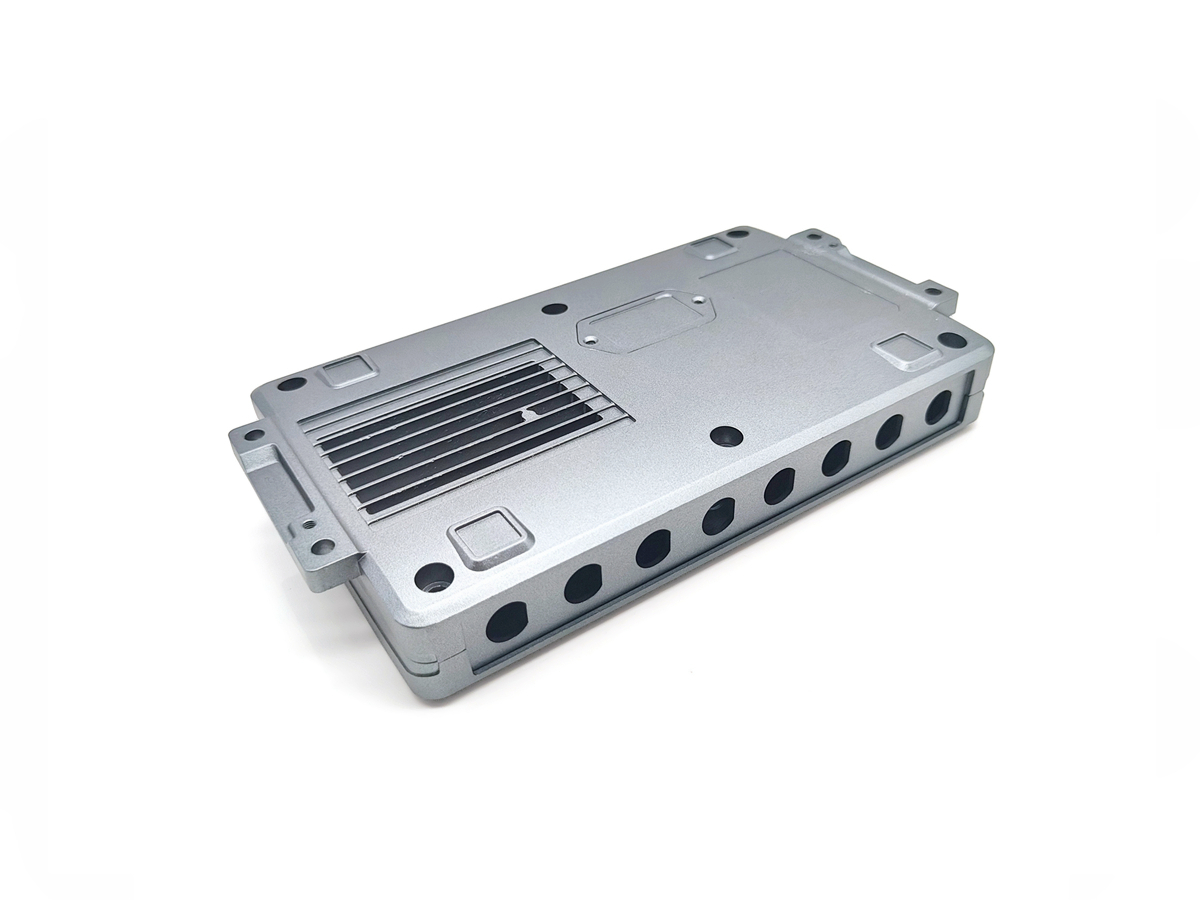
Yes, prototypes can often be made using the intended production alloy, but “same alloy” does not automatically mean “same as production.” A sand-cast, investment-cast, machined, additively made, and pressure-die-cast sample can share nominal chemistry while differing in microstructure, porosity, residual stress, surface, section properties, and heat-treatment response. Use final alloy when the test depends on chemistry or material behavior, and document which production differences remain.
Use final alloy when material behavior controls the decision
Final alloy matters for corrosion, coating response, thermal or electrical conductivity, machining, joining, heat treatment, material approval, and representative mechanical testing. It may also matter when density changes inertia or product feel. State the exact grade, governing standard, material condition, casting route, and permitted chemistry alternatives.
For early package, ergonomic, or connector-fit work, final alloy may add cost and schedule without improving the answer. A polymer print or substitute metal can be appropriate if its deviations are recorded. Prototype fidelity should follow risk, not a rule that every sample must mimic production in every respect.
Prototype route | Can use intended chemistry? | Useful evidence | Remaining gap |
|---|---|---|---|
CNC machining from available stock | Sometimes, if the grade and form are available | Machining, mass, early thermal and structural response | Wrought/billet structure and no cast surface or casting defects |
Sand or investment casting | Often, subject to melt and process availability | Cast-alloy behavior, heat treatment, finish and selected functional tests | Cooling rate, section, surface and defects differ from die casting |
Bridge-tool die casting | Usually when alloy and process are available | Process-like fill, surface, machining and pilot parts | Tool material, cavity, cooling and production rate may differ |
Production-tool trial | Yes, for the released material specification | Final tool/process interactions and qualification samples | Long-term capability requires stable-run data |
Do not confuse grade name with material condition
A380 aluminum made by pressure die casting is not represented fully by a machined block bearing an A380 chemistry report. Zamak 5 behavior depends on controlled chemistry, casting condition, temperature, section, and aging. Heat-treatable aluminum grades need the correct temper and process sequence.
Certificates should identify the actual sample material, not merely the intended production specification. Where regulation or customer approval matters, agree whether a melt report, independent analysis, heat-treatment record, removed specimen, or production-part test is required.
Match the test to the process gap
A final-alloy prototype can screen coating adhesion or corrosion, but the production casting skin and pretreatment still need confirmation. It can support machining development, but stock variation and subsurface discontinuities may change in the final process. It can provide thermal data, while porosity, contact faces, and wall differences may affect production heat transfer.
Mechanical tests require extra care. Coupon location, section, surface, defect population, heat treatment, and load mode influence results. Describe a successful test as evidence for the tested prototype condition. Repeat safety- or function-relevant tests on production-intent castings when process differences can change the mechanism.
Control sample identity and material evidence
Assign each prototype a revision, material heat or lot where available, manufacturing route, condition, and sample ID. Keep material reports linked to the actual samples shipped for testing. If prototypes come from more than one melt, billet lot, heat-treatment load, or foundry route, do not combine their results without recording the grouping.
Define what “final alloy” evidence means for the project. It may be a supplier certificate, chemistry analysis, hardness, heat-treatment record, microstructure, or a mechanical test from a specified specimen. The required evidence depends on product risk and customer or regulatory rules. A commercial grade name on a purchase order does not establish the tested condition by itself.
Select a route from the next decision
If a design is still moving, use rapid prototypes to close geometry before paying for final-alloy tooling. If chemistry-dependent testing is blocking material selection, use an appropriate final-alloy casting route. If die filling, ejection, pressure integrity, or production finish is blocking release, move to bridge or production tooling.
A mixed plan is often efficient: printed parts for assembly, machined or alternate-route metal for early function, then a smaller set of process-representative castings. Each stage has a written acceptance and transfer limit.
Define retest triggers for production-intent parts
Repeat affected tests when the production casting route changes solidification, surface, section, heat treatment, machining depth, or defect exposure in a way that can alter the result. A new approved equivalent alloy, melt source, temper, coating pretreatment, or joining process may also require review. The project quality plan should name these triggers before prototype approval.
Not every test must repeat. Package fit may remain valid if controlled geometry is unchanged. A chemistry-dependent corrosion result may remain useful only when substrate and finish preparation are equivalent. Structural or leak results should be repeated when the process changes material condition or internal integrity near the loaded or sealed zone. Record the rationale either way.
What to specify on the RFQ
Provide the exact grade and standard, acceptable equivalent process, heat-treatment condition, prototype purpose, required quantity, tests, machining, finish, material documentation, production casting route, critical sections, and known differences that cannot be accepted. Ask the quote to state material form and process explicitly.
Using the final alloy is valuable when it removes a named material uncertainty. It is not enough by itself to validate production. Final process, tool, cavity, section, machining, finish, and stable-run evidence must still be confirmed where they affect function.