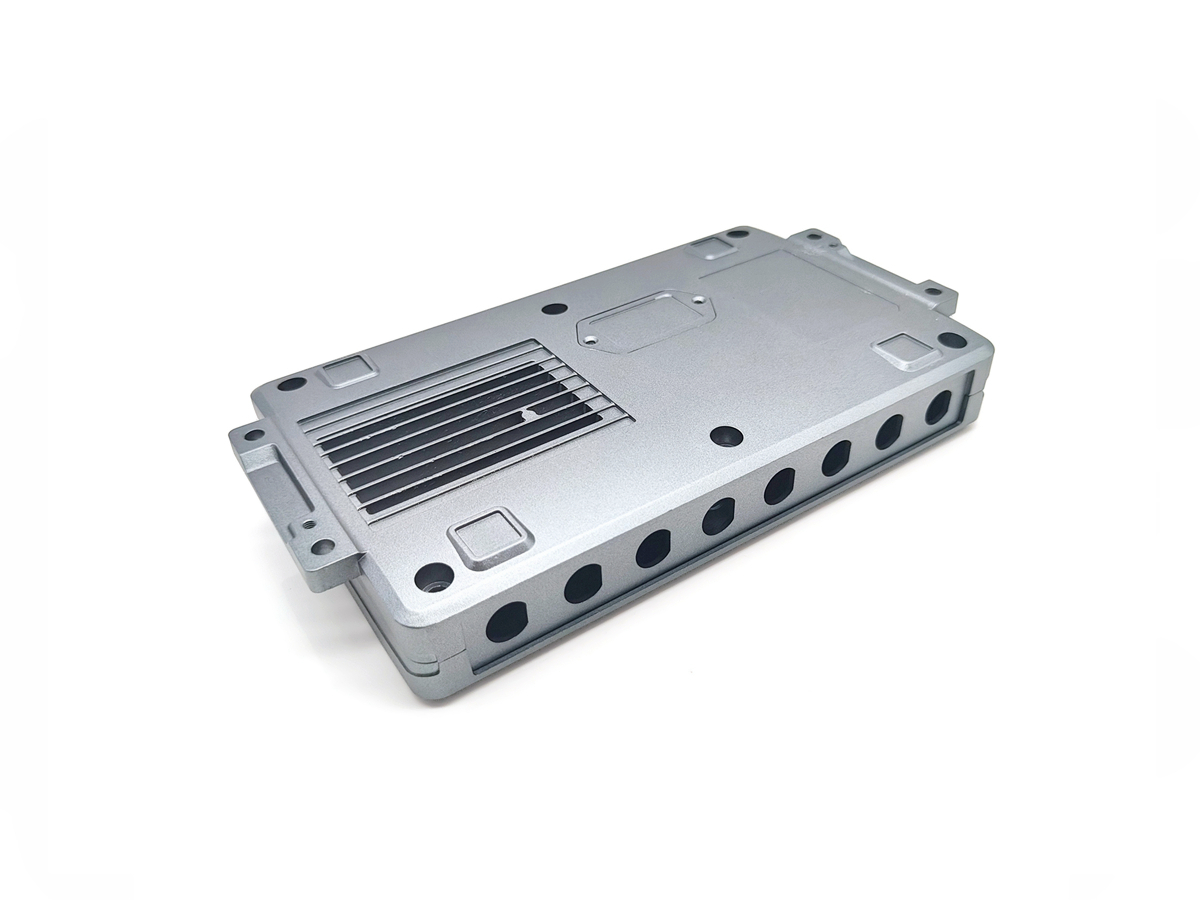
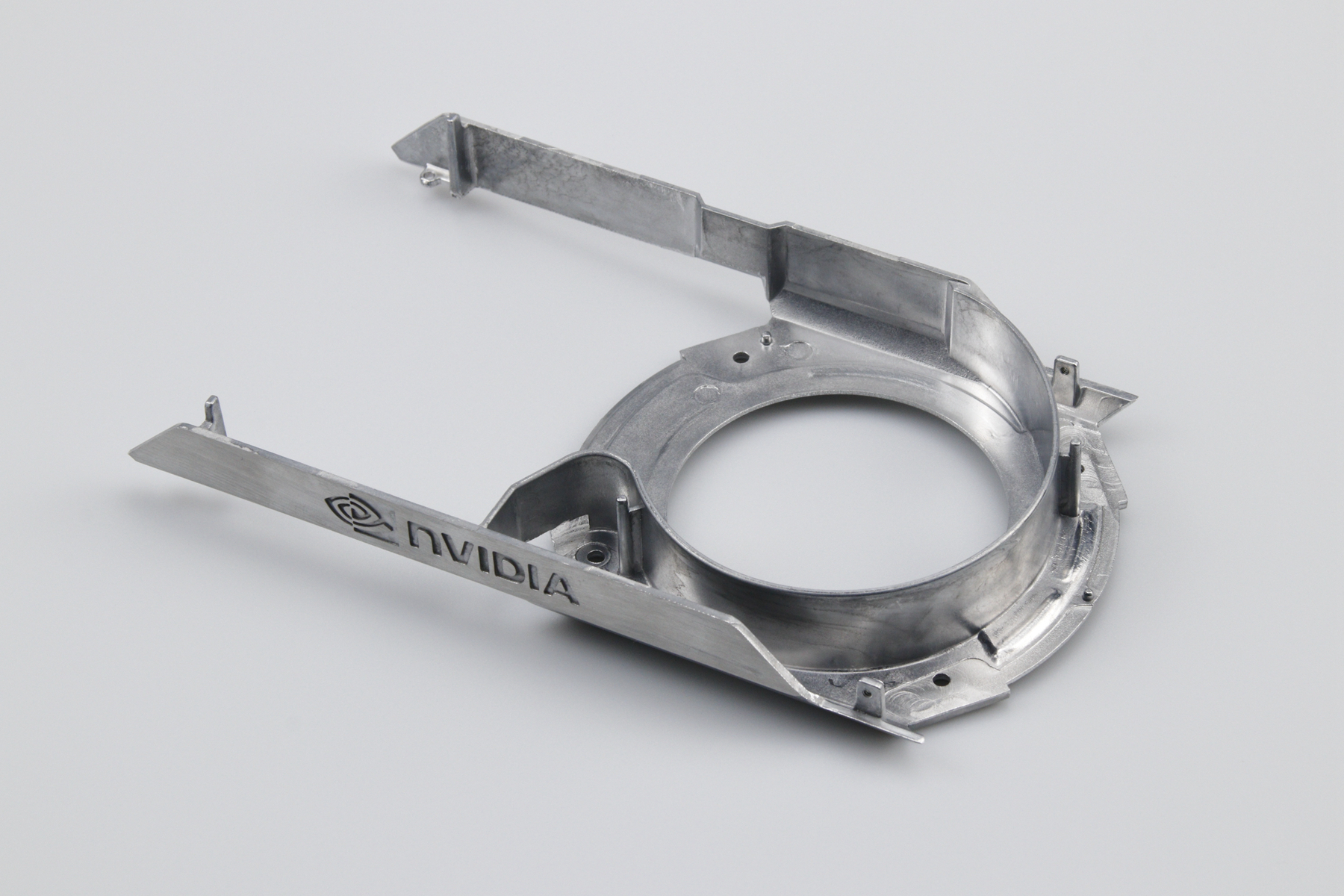
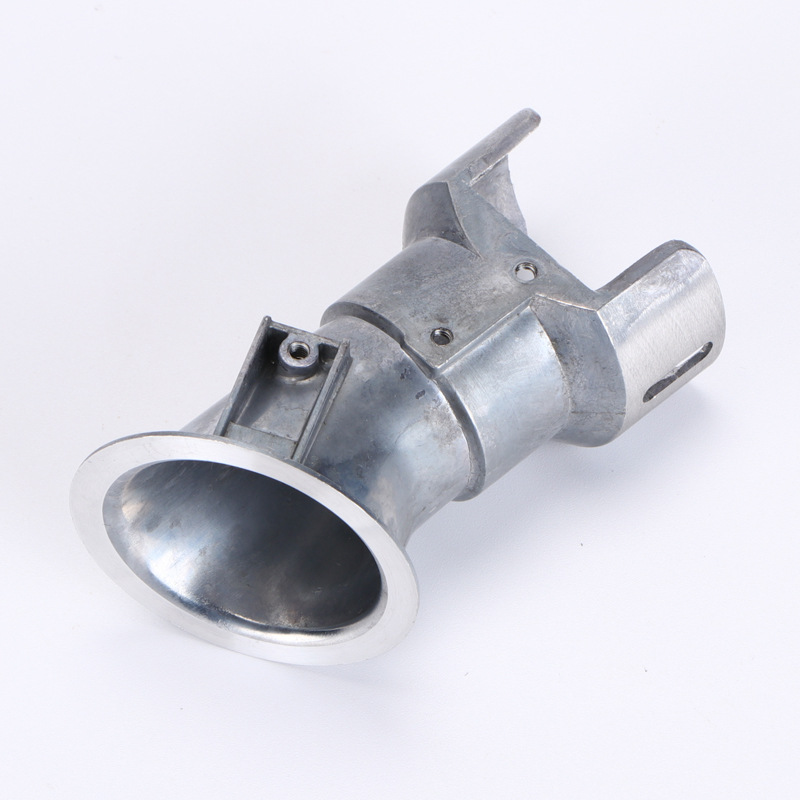
A201
Material Introduction
A201 is a high-strength aluminum casting alloy belonging to the Al–Cu family, specifically engineered for performance-critical die casting applications. With a copper content typically around 4–5% and carefully controlled alloying additions, A201 offers exceptional tensile strength, elevated-temperature resistance, and superior fatigue behavior compared to conventional casting alloys such as A380 or EN AC-46000. The alloy’s inherent rigidity and thermal stability make it suitable for aerospace-grade mechanisms, high-load brackets, automotive suspension components, and demanding industrial housings. When paired with Neway’s precision tool and die making technology and optimized thermal control in the die-casting cell, A201 consistently delivers dimensionally stable, crack-resistant components capable of performing in harsh mechanical and thermal environments.
Alternative Material Options
For applications requiring higher elongation or weldability, designers may consider AlSi10Mg (EN AC-43500), which delivers better ductility. For housings that require extreme fluidity or thin-wall casting performance, ADC12/A383 provides excellent fill characteristics. If maximum wear resistance is crucial, A390 offers exceptional hardness. Projects requiring superior thermal conductivity may benefit from AC7A or AlSi12. For ultra-high-strength aerospace requirements where directionally solidified microstructures are desired, specialized copper-rich alloys or hybrid processes can supplement or replace A201 depending on fatigue and load-case priorities.
International Equivalent / Comparable Grade
Country/Region | Equivalent / Comparable Grade | Specific Commercial Brands | Notes |
USA (ASTM/AA) | A201 (AA201.0) | Kaiser A201, Belmont A201, Premium Aerospace-Grade Ingots | Reference grade; widely used for high-strength castings. |
China (GB/T) | ZL201 | Chalco ZL201, Nanshan ZL201 | Chemistry closely aligned with AA201; used for structural castings. |
Europe (EN) | EN AC-AlCu4 / similar Cu-rich alloys | Hydro AC-AlCu Series | Not identical; partial overlap in alloying system and strength class. |
Japan (JIS) | AC2A (nearest functional) | UACJ AC2A, Daiki AC2A | Different Si content; used where high strength is needed. |
International (ISO) | AlCu4–AlCu5 casting alloys | ISO-standard aerospace casting alloys | General classification of Cu-rich structural casting alloys. |
Design Purpose
A201 was specifically designed for high-strength structural components where conventional Al–Si casting alloys fall short. Its high copper content and controlled solidification response allow the alloy to maintain mechanical integrity under elevated temperatures and repeated loading cycles. This design philosophy makes A201 ideal for components that must withstand impact, torque loads, and thermal shock, such as aerospace linkages, vehicle chassis structures, engine brackets, and industrial mechanisms. A201 also delivers excellent stiffness and reduced creep deformation, making it suitable for parts requiring long-term dimensional stability. It is intended for applications where mechanical performance outweighs general-purpose castability, and where post-casting heat treatment or precise post machining can optimize final functionality.
Chemical Composition
Element | Copper (Cu) | Silicon (Si) | Magnesium (Mg) | Manganese (Mn) | Zinc (Zn) | Titanium (Ti) | Iron (Fe) | Aluminum (Al) |
Composition (%) | 4.0–5.0 | 0.10–0.30 | 0.20–0.50 | 0.20–0.60 | ≤0.20 | ≤0.20 | ≤0.20 | Balance |
Physical Properties
Property | Density | Melting Range | Thermal Conductivity | Electrical Conductivity | Thermal Expansion |
Value | ~2.78 g/cm³ | ~625–650 °C | ~110–130 W/m·K | ~28–32% IACS | ~22–23 µm/m·°C |
Mechanical Properties
Property | Tensile Strength | Yield Strength | Elongation | Hardness | Fatigue Strength |
Value (heat-treated) | ~300–380 MPa | ~220–260 MPa | ~3–6% | ~95–120 HB | High, dependent on T6 treatment |
Key Material Characteristics
High mechanical strength suitable for structural and load-bearing die-cast components.
Excellent thermal stability for parts exposed to elevated working temperatures.
Superior fatigue resistance compared with common Al–Si die-casting alloys.
Low silicon content provides metal-like fracture behavior and high rigidity.
Responsive to heat treatment, enabling significant post-cast performance tuning.
Machinability improves after heat treatment due to the refinement of the microstructure.
High stiffness supports precise dimensional tolerances and reduced deformation.
Excellent bonding surface for coating or painting after proper pretreatment.
Preferred when mechanical performance outweighs casting fluidity.
Manufacturability And Post Process
Die casting with controlled thermal gradients: A201’s low silicon and high copper content reduce inherent fluidity compared with AlSi alloys, requiring optimized die temperature, increased intensification pressure, and precise gating design. Neway typically employs temperature-stabilized tooling and well-balanced runner systems to ensure complete filling.
Vacuum die casting for porosity reduction: To meet structural strength and heat-treatment requirements, vacuum-assisted die casting minimizes gas entrapment and micro-porosity, essential for achieving stable T6 properties.
Heat treatment capability: Unlike many die-cast alloys, A201 can undergo T5 or T6 aging treatments to significantly enhance its mechanical properties. Precise thermal management ensures uniform microstructure without distortion.
Post machining: After casting or heat treatment, A201 components are processed on dedicated CNC machining lines to achieve tight tolerances (±0.02–0.04 mm) on bearing seats, sealing faces, and assembly interfaces.
Deburring and surface finishing: Flash removal, edge smoothing, and controlled tumbling prepare the part for coating or assembly.
Dimensional and mechanical inspection: High-strength components undergo CMM measurement and property verification supported by Neway’s inspection systems to confirm casting integrity before and after heat treatment.
Suitable Surface Treatment
Liquid painting: Provides cosmetic coverage and additional corrosion protection. Proper pretreatment ensures uniform adhesion due to the alloy’s copper enrichment.
Chemical conversion coatings: Chromate or environmentally friendly conversion films stabilize the surface and improve paint bonding, widely used for aerospace and industrial brackets.
E-coating: Ensures uniform protective coverage, especially beneficial for complex shapes or multi-cavity components.
Powder coating: A durable option for industrial housings requiring impact resistance and thick protective layers.
Bead blasting: Produces a matte surface and removes oxide irregularities prior to coating or assembly.
Laser marking: Suitable for permanent identification without compromising structural integrity.
Common Industries and Applications
Aerospace components requiring high rigidity and stable mechanical response.
Automotive suspension brackets, knuckles, and structural connectors.
Industrial actuators, gear housings, and pressure-resistant frames.
Power-train mechanisms subjected to high thermal loads.
Defense and equipment components requiring excellent fatigue resistance.
When to Choose This Material
When high strength is the priority and typical Al–Si casting alloys cannot meet structural demands.
When parts require heat treatment to reach aerospace-grade mechanical performance.
When the component experiences repeated loading and requires superior fatigue resistance.
When stiffness and dimensional stability are essential over long service periods.
When operating temperatures are elevated beyond the capability of conventional AlSi alloys.
When bonding, painting, or protective coatings require a stable metallic substrate.
Explore Related Blogs