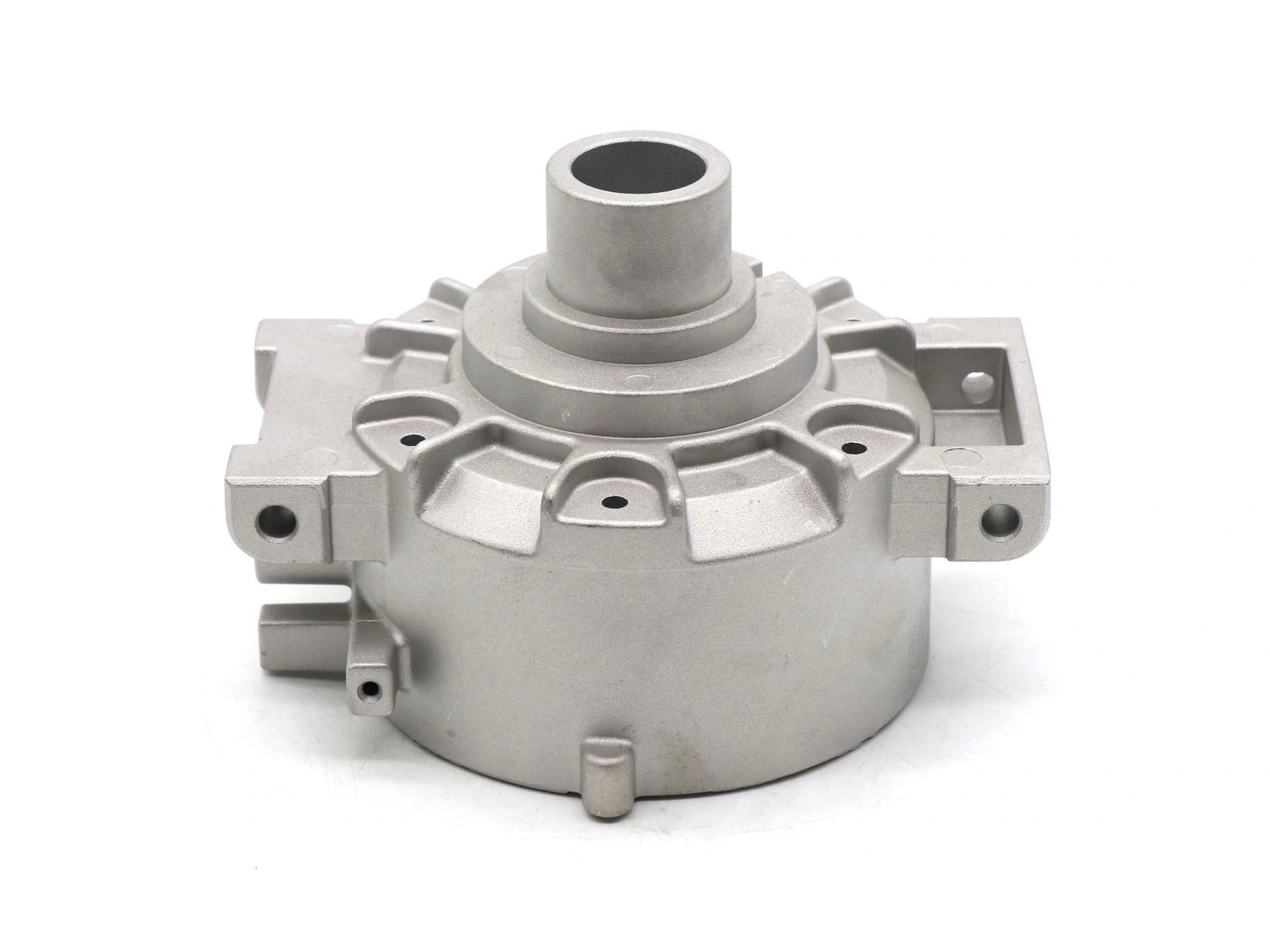
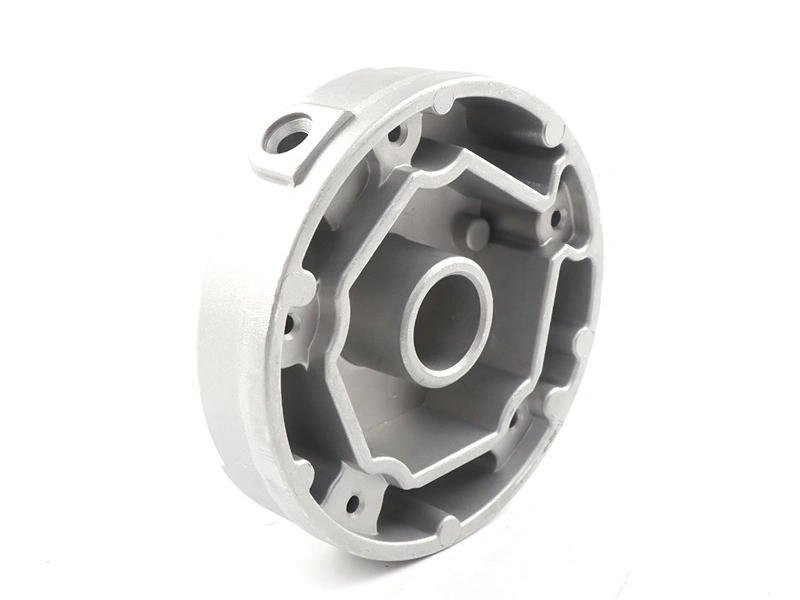
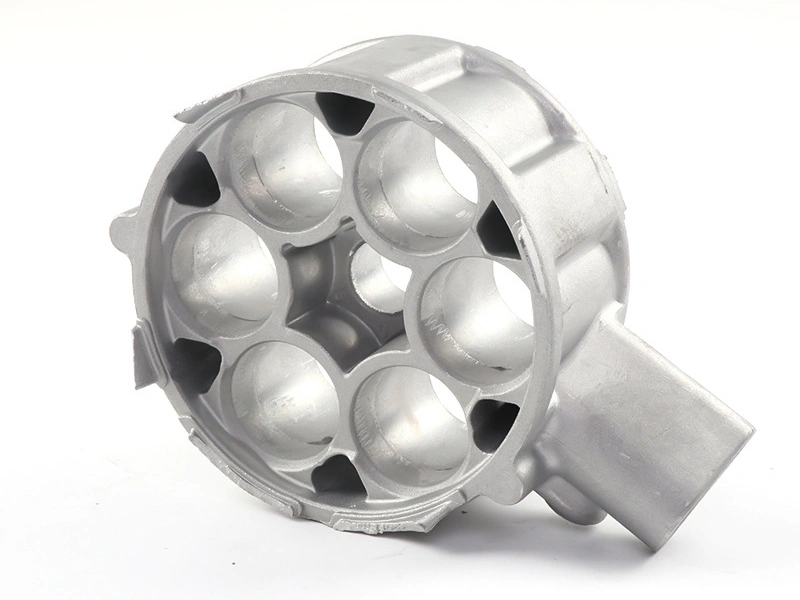
Besides aluminum, what other metals do you offer for die casting services?
Besides aluminum, Newway lists zinc-alloy and copper-alloy die-casting services. Zinc can suit compact detailed components, while copper alloys may be considered when conductivity, bearing behavior or a specific corrosion response justifies their higher density and more demanding casting conditions. The exact grade, part size, tooling route and production source must be confirmed during feasibility review. Other metals or casting processes should not be assumed available until they appear in a project-specific proposal.
Confirmed non-aluminum material families
Zinc die casting and copper-alloy die casting are distinct process families. They do not run in an aluminum cell simply by changing the ingot. Melting temperature, shot system, tool thermal load, machine selection, contamination control and finishing route differ.
Submit the actual functional requirements rather than asking for the strongest or cheapest metal. Density, temperature, sustained load, corrosion environment, electrical or thermal function, wear, surface finish, regulatory constraints and cumulative demand determine whether either family is sensible.
Non-aluminum die-casting decision table
Material family | Reasons to evaluate it | Questions that may disqualify it | Evidence required |
|---|---|---|---|
Zinc alloys | Detailed geometry, compact sections, surface quality and finishing options | Finished mass, sustained load at temperature, galvanic environment | Exact grade, load/temperature review and finish trial |
Copper alloys | Electrical or thermal function, wear or bearing behavior, selected corrosion needs | Density, metal cost, die thermal load, machine/tool capacity and machining | Grade and condition, conductivity or wear test, process-source approval |
Other die-casting metals | May fit a special weight or property requirement | No confirmed service route, safety controls, alloy source or qualified equipment | Written supplier feasibility and qualification plan before quotation |
Other casting routes | Can broaden alloy, size or internal-geometry options | Different surface, tolerance, tooling, property and volume economics | Alloy-process pair and delivered-part comparison |
When to evaluate zinc die casting
Zinc alloys can fill fine detail and support a compact die-cast design, but that does not make zinc a universal substitute for aluminum. Higher density changes product mass. Sustained loading and service temperature need review. Alloy grade affects strength, dimensional behavior, finishing and corrosion system, so the choice must follow the part's actual environment.
Tooling and machine economics also differ. A zinc concept may consolidate small features or reduce some secondary work, while material mass and plating or coating can add cost. Compare finished designs, not equal-volume blocks. Use production-representative coating and assembly tests.
When to evaluate copper-alloy die casting
Copper alloys include brasses, bronzes and other grades with substantially different chemistry and behavior. A conductivity requirement may favor one family, while sliding wear or corrosion may favor another. Generic copper properties or a decorative brass description cannot approve a grade.
Higher casting temperature and dense metal can place different demands on dies, shot components, thermal management and handling. The supplier must confirm equipment and tooling compatibility for the part. Include machining, deburring, surface protection and material traceability in the quote.
Do not treat an unlisted material as confirmed capability
Magnesium is a recognized die-casting material in the wider industry, but that fact does not prove that a particular supplier, location or production line offers the requested alloy and safety-controlled process. If a lightweight magnesium design is under consideration, request written confirmation of alloy scope, melting and handling controls, machine capacity, coating route, qualification and commercial terms.
The same rule applies to unusual zinc, copper or aluminum grades. A material page or family-level service does not establish that every designation, part envelope or test requirement is available. The written project quotation controls scope.
Compare complete parts across metals
Redesign each concept for the candidate material. Density, modulus, strength, minimum practical section, ribs, fasteners, coating and machining affect finished mass and envelope. A simple material-price comparison misses these changes. Include tool architecture, cycle, yield, secondary work, inspection and supply risk.
The metal-casting review should explain why the alloy-process pair meets the load, temperature, environment and acceptance plan. If a different process such as sand or investment casting is proposed, compare its surface, allowance, tooling and volume economics separately.
Finishing and joining depend on the substrate
Aluminum anodizing is not a general treatment for zinc or copper alloys. Zinc components may use plating, conversion, paint or powder systems selected for that substrate. Copper alloys can tarnish and may need a controlled finish or acceptance of natural aging. Every finish affects dimensions, electrical contact, appearance and cost.
Review galvanic couples with fasteners and mating metals. Inserts, adhesives, soldering, brazing or mechanical joining also need material-specific validation. Approve the complete assembly under its service environment rather than only the bare casting.
RFQ inputs and material recommendation
Provide CAD and drawing, required properties, load and life endpoint, temperature, corrosion and chemicals, mass target, conductivity, wear, critical dimensions, joining, finish, annual releases, destination requirements, inspection and records. State whether aluminum is prohibited or simply not preferred.
Ask for exact alloy and condition, casting route, production source, DFM risks, tool and machine basis, secondary process, verification, cost, capacity and exclusions. Newway can quote confirmed zinc and copper-alloy die-casting routes after review; any additional metal or process requires explicit feasibility confirmation rather than assumption.