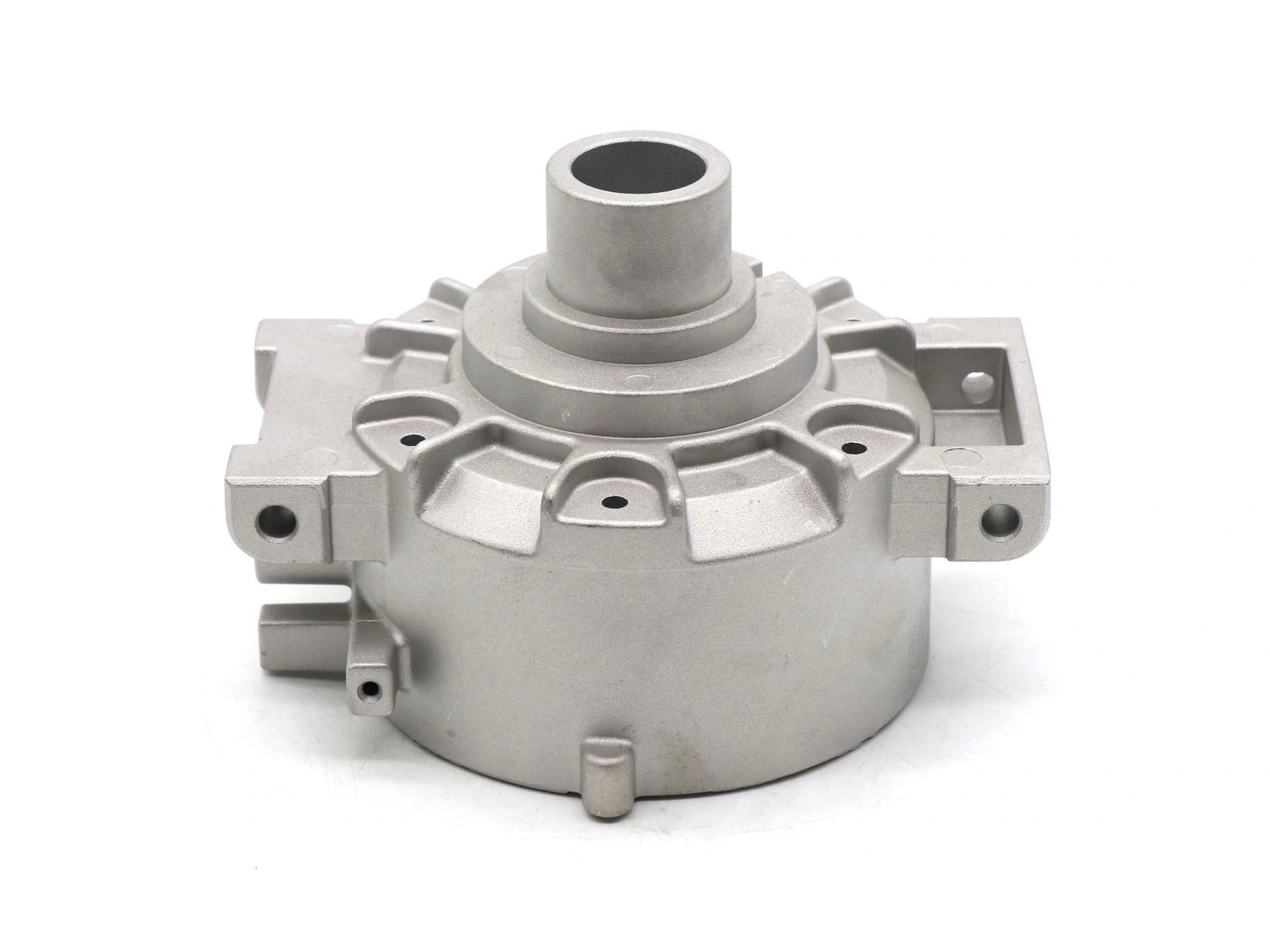
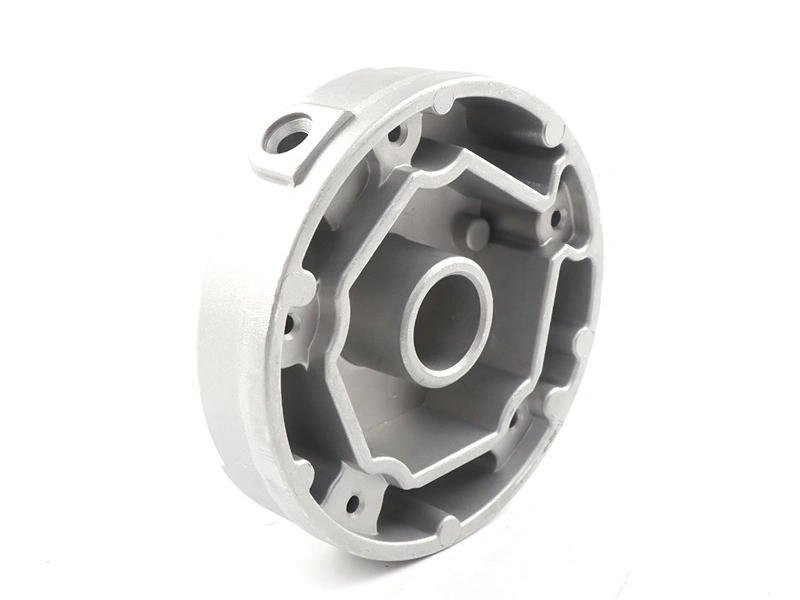
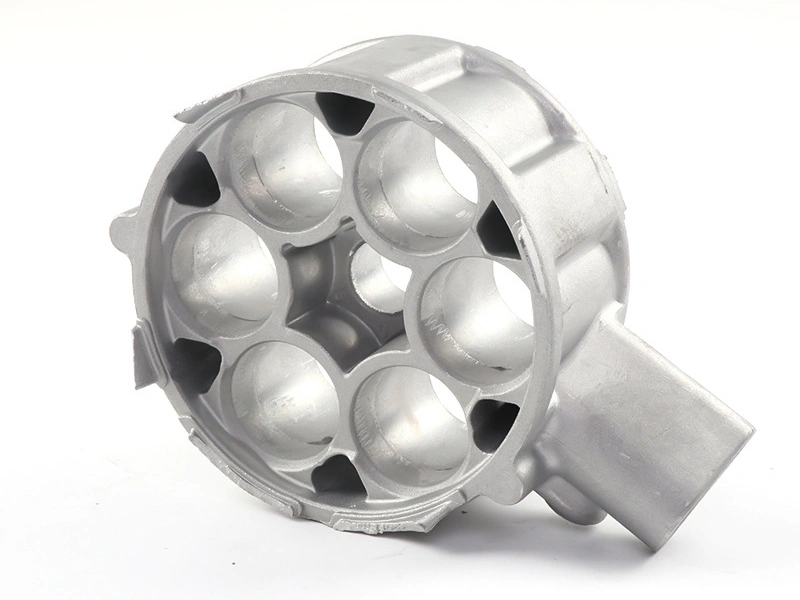
Can CNC Machining Be Used for Aluminum Die Cast Prototypes?
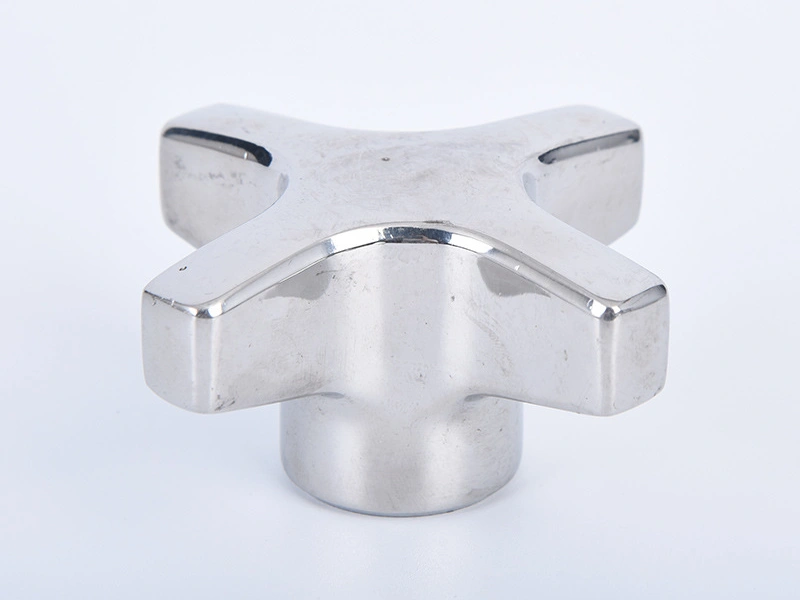
Can CNC Machining Be Used for Aluminum Die Cast Prototypes?
Yes, CNC machining for prototypes can be used to validate aluminum die cast prototype designs before tooling. CNC machining is useful for checking part shape, key dimensions, assembly fit, hole locations, threaded features, sealing faces, mounting surfaces, and early functional requirements before buyers invest in production die casting molds.
However, CNC prototypes cannot fully represent the real aluminum die casting process. A CNC-machined aluminum prototype may confirm geometry and assembly, but it does not show die casting material flow, shrinkage behavior, porosity risk, gate marks, parting lines, cooling effects, or mold-related surface issues. If the project will move into mass production by die casting, buyers still need DFM review and tooling evaluation before final production.
1. Why CNC Machining Is Useful for Aluminum Die Cast Prototypes
CNC machining is useful in the early prototype stage because it can quickly produce physical aluminum samples from 3D models without waiting for die casting tooling. This helps buyers check whether the part geometry, dimensions, and assembly relationships are correct before committing to a mold.
Prototype Goal | How CNC Machining Helps | Buyer Benefit |
|---|---|---|
Validate appearance shape | Produces a physical sample close to the 3D model geometry | Helps confirm product form before tooling |
Check key dimensions | Machines holes, faces, slots, bosses, and reference areas accurately | Reduces dimensional uncertainty before die casting design review |
Test assembly fit | Allows buyers to install screws, covers, mating parts, inserts, or brackets | Finds interference and alignment problems early |
Reduce tooling risk | Confirms design details before mold investment | Helps avoid costly tooling modification later |
2. What CNC Prototypes Can Validate Before Tooling
CNC prototypes are especially valuable when buyers need to test functional features before die casting tooling. These features may include mounting holes, threaded holes, sealing faces, flat mounting surfaces, positioning datums, assembly clearances, and product interfaces.
Feature to Validate | Why It Matters | How CNC Prototype Helps |
|---|---|---|
Hole locations | Hole position affects screws, pins, connectors, and mating parts | Checks alignment before mold design is fixed |
Threaded holes | Threads affect fastening strength and assembly reliability | Tests thread size, depth, position, and assembly force |
Sealing faces | Sealing areas need flatness and surface control | Checks gasket contact, face layout, and leakage-related design risks |
Mounting surfaces | Mounting areas affect assembly position and product stability | Confirms fit, flatness direction, clearance, and contact surfaces |
Assembly datums | Datums affect inspection, CNC setup, and final part positioning | Helps define which surfaces need post-machining after casting |
3. What CNC Prototypes Cannot Fully Represent
CNC prototypes are helpful, but they are not the same as real aluminum die cast prototypes made through the die casting process. CNC machining removes material from solid aluminum, while die casting fills a mold cavity with molten aluminum. Because the manufacturing principles are different, CNC samples cannot fully predict die casting flow, shrinkage, porosity, parting line marks, gate marks, or ejection effects.
Die Casting Factor | Why CNC Prototype Cannot Fully Represent It | What Buyers Still Need |
|---|---|---|
Material flow | CNC machining does not show how molten aluminum fills the mold | DFM review for gate, runner, venting, and filling direction |
Shrinkage behavior | CNC parts are machined from solid stock and do not show casting shrinkage | Tooling evaluation and shrinkage compensation review |
Porosity risk | CNC prototypes do not show gas porosity or shrinkage porosity from casting | Die casting process planning and quality control |
Parting line and gate marks | CNC parts do not have die casting parting lines, gates, runners, or ejector marks | Tooling layout review before mold manufacturing |
Surface treatment result after casting | CNC surface quality may differ from real die cast surface quality | Surface finish validation on actual cast samples when appearance is critical |
4. Why DFM and Tooling Review Are Still Needed
If the final production method is aluminum die casting, CNC prototype validation should be followed by DFM and tooling review. The supplier still needs to evaluate wall thickness, draft angles, ribs, bosses, gate location, venting, cooling, parting line, ejector marks, machining allowance, surface treatment, and inspection requirements.
This is important because a design that can be CNC machined may not automatically be easy to die cast. Features that are simple to machine may create die casting problems such as filling difficulty, shrinkage, deformation, undercuts, or expensive mold actions.
DFM Review Area | Why It Matters for Die Casting | Risk Reduced |
|---|---|---|
Wall thickness | Controls filling, cooling, shrinkage, and part strength | Reduces porosity, sink marks, and deformation |
Draft angles | Helps the part release from the mold | Reduces sticking, drag marks, and ejection problems |
Gate and venting design | Controls material flow and air release | Reduces flow marks, air traps, and incomplete filling |
Machining allowance | Ensures enough material remains for post-machining after casting | Reduces insufficient stock and CNC rework |
Surface treatment planning | Visible surfaces, coating areas, and polishing areas affect mold layout | Reduces cosmetic defects and finishing disputes |
5. How CNC Machining Supports Die Casting Mass Production
CNC machining is not only useful before tooling. It is also commonly used after aluminum die casting for critical features. Die casting forms the main part shape efficiently, while CNC machining improves key functional surfaces that require higher accuracy.
Production Stage | How CNC Machining Is Used | Buyer Benefit |
|---|---|---|
Before tooling | CNC prototypes validate geometry, dimensions, and assembly | Faster design verification and lower tooling risk |
During DFM review | CNC prototype results help define critical machined areas | Improves machining allowance and fixture planning |
After die casting | CNC machining finishes holes, threads, sealing faces, datums, and mounting areas | Improves assembly fit and functional reliability |
Before mass production approval | Machined cast samples confirm final dimensional and assembly standards | Reduces batch production defects and quality disputes |
6. When Buyers Should Use CNC Machining First
Buyers should consider CNC machining first when they need quick prototype validation, when the design is still changing, when assembly relationships are uncertain, when hole positions or sealing faces need testing, or when they are not ready to invest in die casting tooling.
Project Situation | Why CNC Prototype Helps | Next Step After Validation |
|---|---|---|
Design is not frozen | CNC samples can be revised faster than die casting molds | Update design, then perform die casting DFM review |
Assembly fit is uncertain | Physical samples can test mating parts and fastening | Confirm final holes, datums, and mounting features |
Material choice is still under review | CNC samples help compare weight, strength direction, and handling | Confirm die casting alloy and tooling requirements |
Tooling budget is not approved yet | CNC prototypes provide early sample evidence for decision-making | Move to aluminum die casting after design approval |
7. How Buyers Can Combine CNC Prototypes with Aluminum Die Casting
A practical development path is to use CNC machining for fast early validation, then use aluminum die casting for cost-effective production once the design is stable. This approach helps buyers balance speed, risk control, and long-term production cost.
Project Stage | Recommended Method | Purpose |
|---|---|---|
Early design validation | CNC machining | Quickly check shape, size, assembly, and functional features |
DFM review | Die casting engineering review | Confirm wall thickness, draft, gate, venting, cooling, and tooling feasibility |
Tooling preparation | Die casting tooling planning | Prepare mold design based on stable geometry and production requirements |
Sample approval | Die cast sample with CNC post-machining if needed | Confirm real casting quality, machining areas, surface treatment, and inspection standard |
Mass production | Aluminum die casting with controlled post-processing | Reduce long-term unit cost while maintaining consistent quality |
8. What Buyers Should Provide for CNC Prototype and Die Casting Review
To use CNC machining and aluminum die casting effectively, buyers should provide 2D drawings, 3D models, material requirements, critical dimensions, assembly requirements, CNC machining areas, surface treatment requirements, expected production volume, and whether the design will eventually move into die casting mass production.
Buyer Information | Why It Matters | How It Helps the Supplier |
|---|---|---|
2D drawing and 3D model | Defines geometry, dimensions, holes, threads, and functional features | Helps quote CNC prototype and evaluate die casting feasibility |
Critical dimensions | Shows which features must be controlled for prototype testing | Helps focus machining and inspection on important areas |
Assembly requirements | Shows how the prototype will be tested with mating parts | Helps verify holes, datums, sealing faces, and clearances |
Final production plan | Shows whether the part will move to aluminum die casting | Helps the supplier avoid CNC-only design choices that may not suit casting |
Surface treatment requirements | Shows polishing, coating, painting, or appearance expectations | Helps compare CNC sample appearance with expected die cast production result |
9. Summary
Question | Answer |
|---|---|
Can CNC machining be used for aluminum die cast prototypes? | Yes. CNC machining can be used to quickly validate shape, dimensions, assembly, holes, threads, sealing faces, and mounting surfaces before tooling. |
Can CNC prototypes fully represent aluminum die casting? | No. CNC prototypes cannot fully represent die casting material flow, shrinkage, porosity, gate marks, parting lines, or tooling-related surface conditions. |
Is DFM still needed? | Yes. If the part will be mass produced by die casting, DFM and tooling evaluation are still required before production tooling. |
Can CNC machining be used after die casting? | Yes. CNC machining is often used after die casting for critical holes, threads, sealing faces, datums, and assembly surfaces. |
What is the best development route? | Buyers can use CNC machining for fast prototype validation, then move to aluminum die casting for scalable production after DFM and tooling review. |
In summary, CNC machining can be used for aluminum die cast prototypes, especially during early design validation. It helps buyers quickly test shape, dimensions, assembly fit, holes, threads, sealing faces, and mounting surfaces before tooling. However, CNC prototypes cannot fully represent die casting flow, shrinkage, porosity, parting lines, gate marks, or casting surface quality. If the project will move into aluminum die casting mass production, buyers should still complete DFM and tooling evaluation before mold manufacturing. A good approach is to use CNC machining for fast prototype validation, then use aluminum die casting for stable production and long-term cost control.