Can die cast housings meet IP65 or higher ingress protection standards?
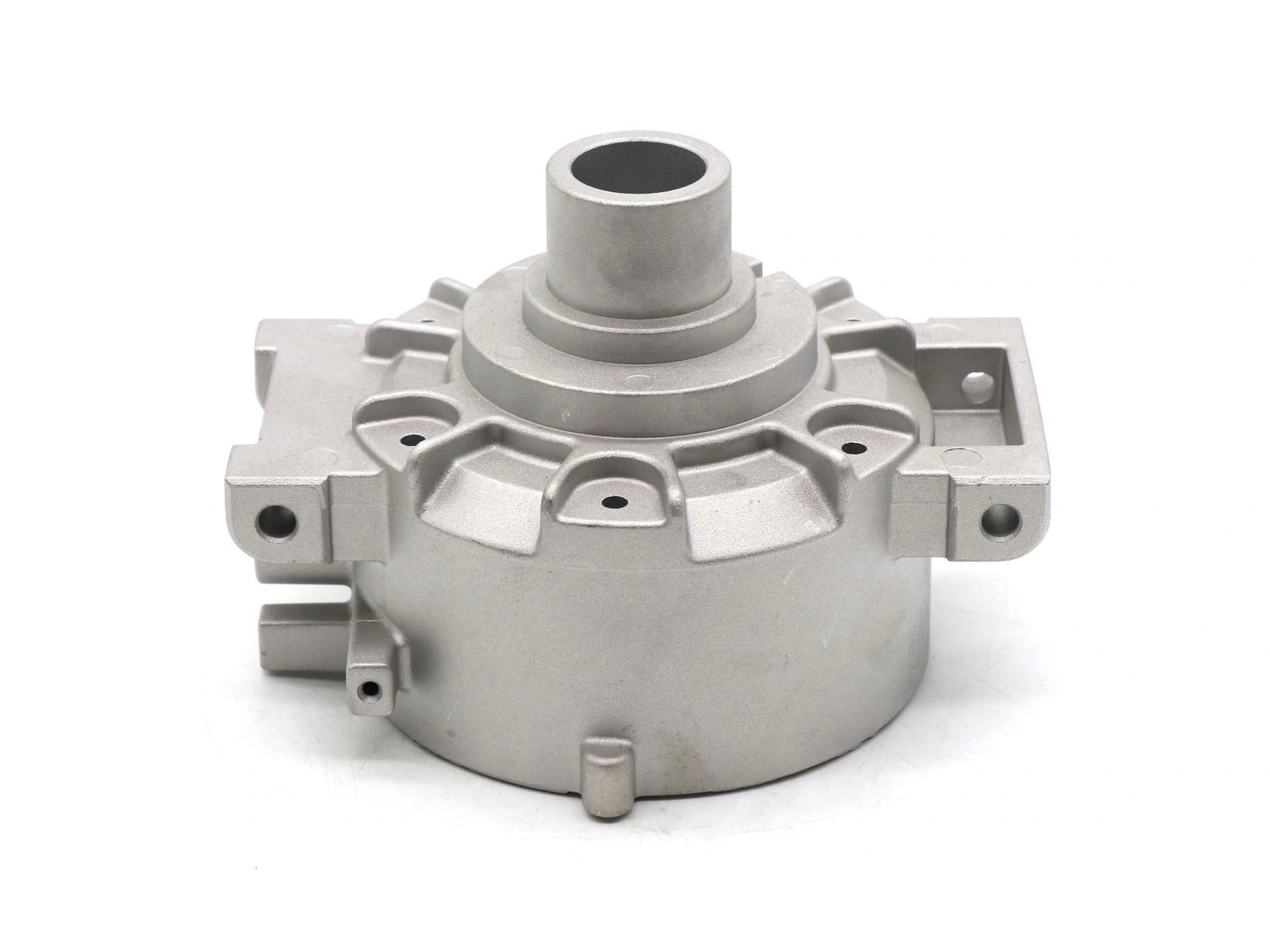
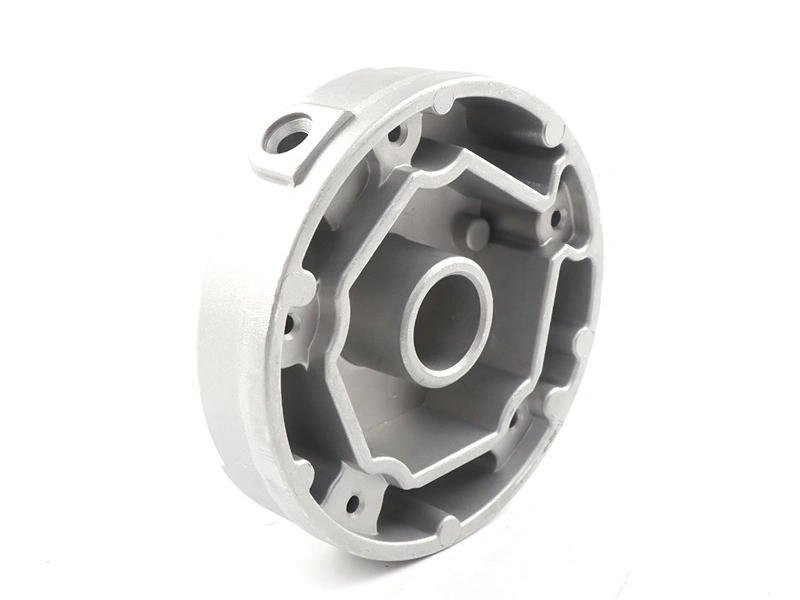
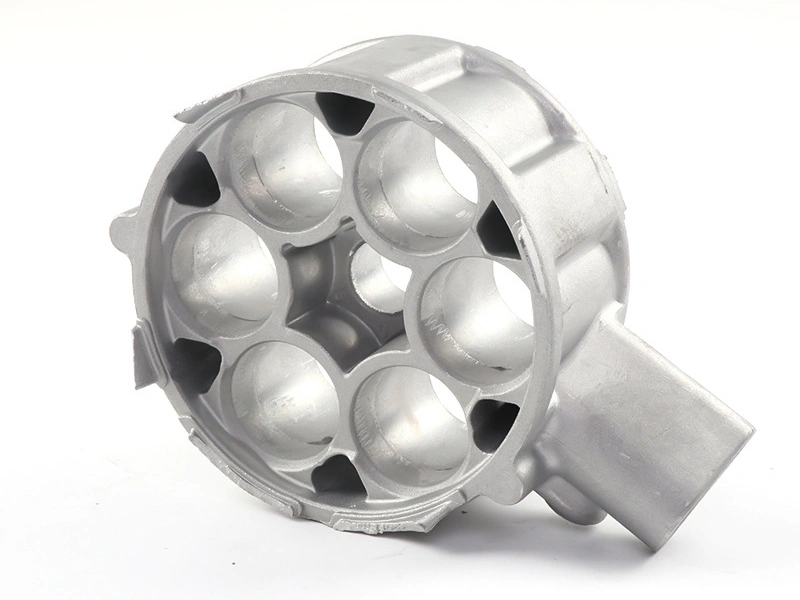
Yes. A die-cast housing can be part of an enclosure validated to IP65, IP66, IP67, IP68, or another specified level, but the rating belongs to the tested assembly and configuration. For an LED fixture, that configuration includes the casting, lens or window, gasket or adhesive, fasteners, cable gland, connector, vent, coating, driver cover, torque, and assembly process. IP65 does not prove immersion, condensation control, salt-corrosion life, UV durability, or retained sealing after thermal cycling and service.
Choose the rating and test conditions first
Define dust, rain, wind-driven spray, hose cleaning, water jets, temporary immersion, mounting orientation, temperature, sun, wash chemicals, and expected opening. Use the governing product and enclosure standard, edition, configuration, conditioning, duration, and acceptance. For IP68, specify the agreed immersion conditions rather than using the code alone.
State what water entry means for the product. A trace inside a drainable optical chamber may have a different consequence from moisture on a driver board, LED module, insulation, reflector, or lens surface. Acceptance should include internal inspection and electrical, optical, thermal, and safety function after the test.
Map every lighting-enclosure entry path
Potential path | Lighting-specific risk | Control and evidence |
|---|---|---|
Lens/window perimeter | Adhesive or gasket sees UV, heat, optical cleaning, expansion and impact | Joint design, surface preparation, cure/compression, aged ingress and optical inspection |
Cover gasket and fasteners | Uneven compression, cover bow, repeated lamp/driver service, coating buildup | Tolerance stack, stiffness, spacing, torque, repeated-open and aged-seal tests |
Cable gland/connector | Wrong cable diameter, strain, bend, installer torque, wick path | Approved component/cable pair, work instruction, pull and ingress validation |
Vent or pressure equalizer | Temperature cycles drive pressure and moist air; contamination can block membrane | Orientation, splash shielding, airflow/pressure analysis, aged ingress and condensation work |
Machined casting pores | Lens seat, gland bore or screw hole can expose a connected leak path | Gate/vent strategy, machining allowance, discontinuity rules and correlated production screen |
Design the cast and machined joints together
Keep gates, overflows, ejectors, parting lines, trim damage, and likely porosity away from seal lands and lens bonds where possible. Give covers enough stiffness between fasteners. Provide gasket grooves, adhesive dams, drainage, and cable-entry walls that remain functional after machining and coating. Avoid pockets that hold water against a hot joint or direct water onto a vent.
Post-machining may be needed for flatness, texture, groove, thread, or connector geometry, but it removes cast skin and may expose pores. Define stock, datum, defect acceptance, washing, protection, and whether impregnation is allowed. Any impregnation must be controlled and cannot substitute for unresolved structural or finish quality.
Account for heat, pressure, and condensation
LEDs and drivers heat the sealed air, and night cooling or switching can reverse pressure. Repeated cycles load seals and can draw humid air through tiny paths. Different expansion of aluminum, glass or polymer lens, adhesive, gasket, and fasteners changes compression. Validate high and low temperatures, power cycles, solar heating, and relevant vibration before repeating ingress tests.
A vent can reduce pressure but does not guarantee a dry enclosure. Analyze dew point, internal moisture sources, membrane transmission, drainage, component coatings where used, and warm/cold surfaces. Keep condensed water away from optics and electronics. Do not drill an uncontrolled drain that defeats dust or water requirements.
Protect seals from finish and corrosion changes
Powder, paint, anodic growth, pretreatment, masks, and rack points alter dimensions and joint surfaces. Define whether the gasket or adhesive contacts bare, converted, anodized, or coated aluminum; qualify adhesion and compression in that exact state. Prevent coating from filling a vent, contaminating a lens bond, rounding a sealing edge, or changing a gland thread.
Outdoor corrosion can undermine an initially passing joint. Test fasteners, exposed machined areas, coating scratches, lens edges, and conductive interfaces after UV, salt or other relevant aging. Electrical grounding and EMI contacts may require bare metal and can create galvanic paths, so bonding and sealing must be reviewed together.
Separate type qualification from production screening
Formal ingress qualification uses defined samples and the applicable standard. Production pressure-decay, vacuum, flow, tracer, or water screens may detect assembly defects efficiently, but their fixtures and limits must be correlated to the product's actual failure paths. Set stabilization, temperature compensation, calibration, master units, test frequency, retest, repair, and traceability.
Use production-intent castings, finish, lenses, seals, glands, fasteners, torque tools, assembly, and packaging in qualification. Include dimensional extremes and multiple cavities. Inspect rather than merely declaring pass/fail: locate water, review optical fogging and driver function, and preserve failure evidence.
Lock the IP-rated luminaire configuration
The RFQ should state rating, method/edition, orientation, water and dust conditions, pre-aging, lens and seal architecture, cables/connectors, vent, thermal cycles, corrosion/UV, service openings, production screen, acceptance, documentation, and approvals. Ask the supplier to return casting/machining controls, full tolerance stack, finish/mask plan, joint materials, assembly controls, test correlation, repair and exceptions.
Inspection capability must be matched to the required method; a generic equipment claim is not approval. Control changes to die, machining, coating, lens, adhesive, gasket, gland, cable, vent, fastener, torque, assembly site, test fixture and repair. A die-cast LED housing supports IP65 or higher only while the qualified luminaire configuration remains controlled.