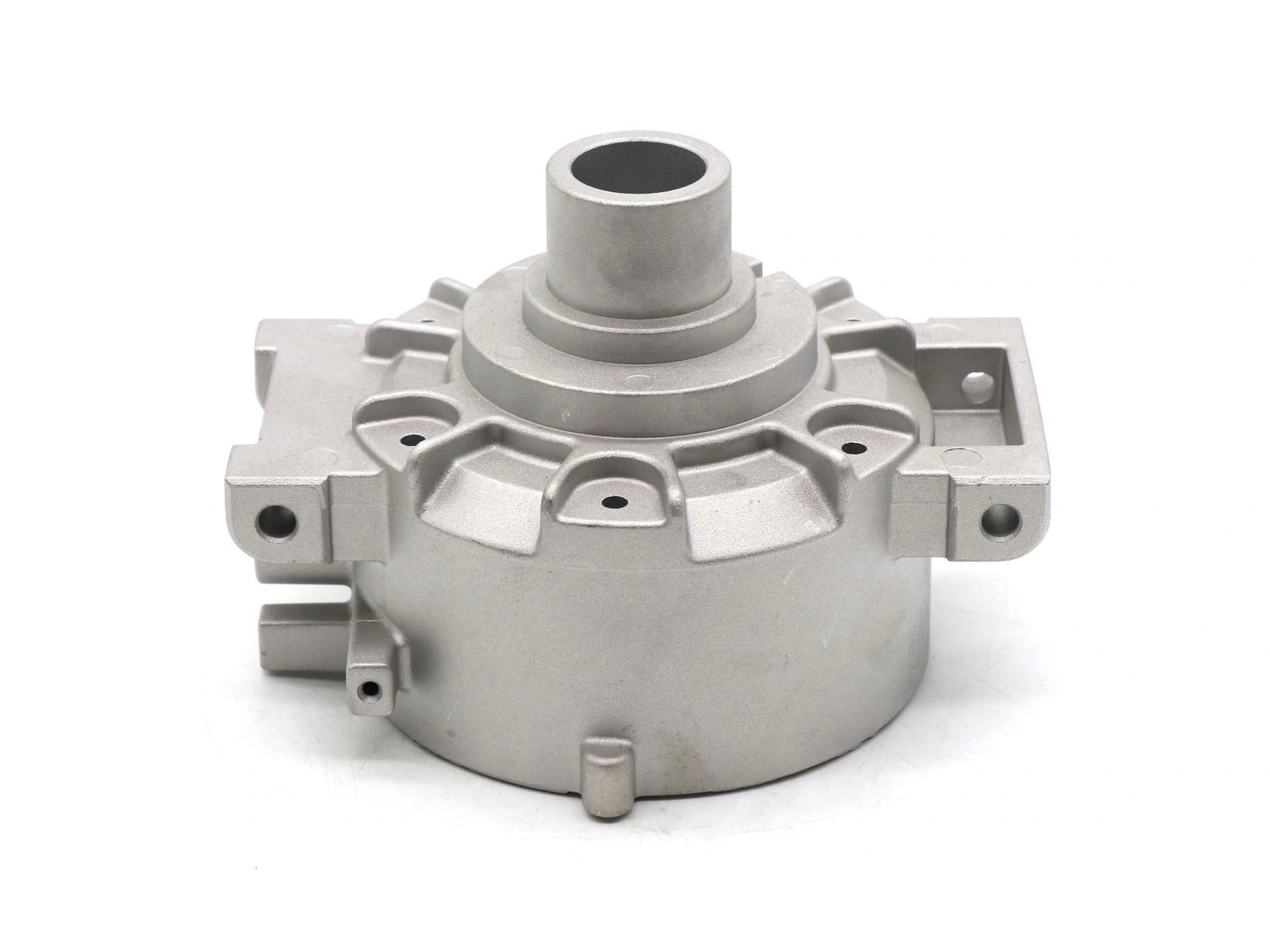
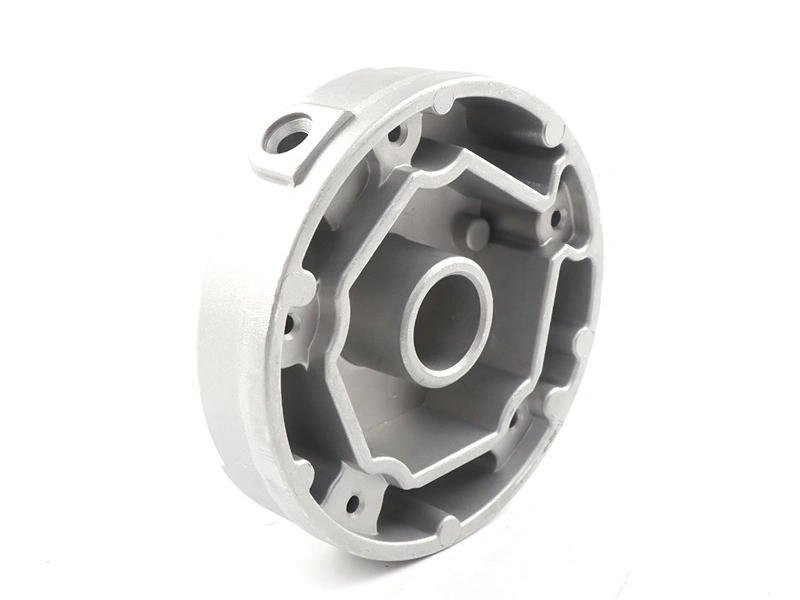
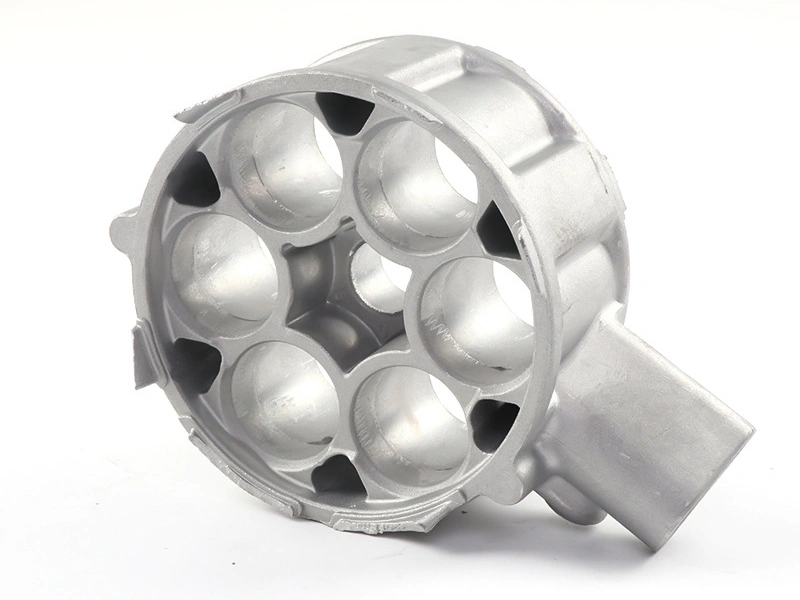
Do Aluminium Grades Affect CNC Machining After Casting?
Do Aluminium Grades Affect CNC Machining After Casting?
Yes, aluminium grades for casting do affect CNC machining after die casting. Different aluminium grades can have different hardness, stability, machinability, cutting behavior, surface quality, and dimensional consistency. These differences can affect tool life, machining time, fixture design, inspection requirements, and final part cost.
In many aluminum die casting projects, CNC machining is used after casting for critical holes, threads, sealing faces, mounting surfaces, flat datums, bearing areas, and assembly interfaces. Buyers should evaluate aluminium grades and post-machining areas together during the design stage, not after the casting sample fails inspection.
1. How Aluminium Grades Affect CNC Machining After Casting
Aluminium grade selection affects how the casting behaves during CNC machining. Some grades may machine more easily, while others may increase tool wear, cutting force, burr formation, or dimensional variation. The casting quality, machining allowance, tolerance level, and fixture strategy also affect the final machining result.
Machining Factor | How Aluminium Grade Affects It | Buyer Impact |
|---|---|---|
Material hardness | Harder grades may increase cutting resistance and tool wear | Higher tool cost, longer machining time, or more tool changes |
Material stability | Stable grades help maintain consistent dimensions after machining | Better repeatability and fewer inspection disputes |
Machinability | Different grades drill, tap, mill, and finish differently | Affects cycle time, burr control, surface finish, and rejection risk |
Casting quality | Porosity, shrinkage, and surface defects can affect machined areas | May cause leakage, poor finish, or part rejection after machining |
Machining allowance | Allowance must match material behavior, casting variation, and final tolerance | Prevents insufficient stock or unnecessary cutting time |
2. How Material Hardness Affects Tool Life
Material hardness is one of the most direct ways aluminium grades affect CNC machining cost. If the casting material is harder or less predictable during cutting, cutting tools may wear faster. This can increase tool replacement frequency, machining time, process adjustment, and final part cost.
Hardness Condition | Machining Effect | Cost Risk |
|---|---|---|
Higher hardness | May increase cutting force and tool wear | Higher tool cost and longer cycle time |
Unstable hardness | Cutting performance may change between batches | More process adjustment and inspection time |
Poor burr control | Drilling, tapping, or milling may leave burrs on holes or edges | Additional deburring and rework cost |
Hard contact areas | Machined faces may require slower cutting or better tooling | Higher machining and quality control cost |
3. How Material Stability Affects Dimensional Consistency
Material stability affects whether machined aluminum die cast parts can maintain repeatable dimensions across production batches. If the casting material or process is unstable, machining allowance may vary, datum surfaces may shift, and final dimensions may become inconsistent.
Stability Issue | Effect on CNC Machining | Buyer Risk |
|---|---|---|
Inconsistent shrinkage | Machining stock may vary from part to part | Unstable final dimensions and higher inspection workload |
Porosity near machined areas | Machining may expose pores on sealing faces or cosmetic areas | Leakage, rejection, or rework |
Unstable datum surfaces | Fixture positioning may change between parts | Hole position drift and assembly mismatch |
Material variation between batches | Cutting behavior and measurement results may change | More process control and inspection cost |
4. Which Die Cast Areas Usually Need CNC Machining
Not every aluminum die cast surface needs CNC machining. Die casting can form the main shape, ribs, bosses, covers, and housings. CNC machining is usually reserved for features that require higher precision, better surface control, or reliable assembly performance.
CNC Machined Area | Why It Needs Machining | Buyer Benefit |
|---|---|---|
Critical holes | Hole position and diameter may need tighter control than as-cast features | Improves assembly alignment and fastening accuracy |
Threads | Thread quality, depth, and pitch usually require drilling and tapping | Improves fastening strength and repeatable assembly |
Sealing faces | Flatness and roughness affect sealing performance | Reduces leakage risk in housings, covers, pumps, and fluid parts |
Mounting surfaces | Flatness and position affect how the part fits with mating components | Improves assembly reliability |
Datums | Reference surfaces control machining, inspection, and assembly position | Improves dimensional consistency across batches |
5. How Machining Allowance Affects Cost and Quality
Machining allowance must be designed before tooling and casting. If the allowance is too large, CNC machining time and tool wear increase. If the allowance is too small, the machined surface may not clean up fully, especially when casting variation, shrinkage, or porosity is present.
Allowance Issue | Possible Problem | Better Practice |
|---|---|---|
Allowance is too large | More material removal, longer cycle time, and higher tool wear | Optimize allowance based on casting variation and final tolerance |
Allowance is too small | Surface may not clean up after machining | Leave enough stock for holes, sealing faces, datums, and mounting surfaces |
Allowance is inconsistent | Machined dimensions may vary from part to part | Improve casting stability, fixture design, and datum planning |
Allowance not shown on drawing | Supplier may quote inaccurately or miss critical areas | Mark machining areas and critical dimensions before quotation |
6. Why High Tolerance Requirements Increase Machining and Inspection Cost
The tighter the tolerance, the higher the machining and inspection cost usually becomes. Strict tolerances may require more accurate fixtures, better cutting tools, slower machining, more inspection points, CMM measurement, and stricter process control.
Buyers should not apply tight tolerances to every surface. Tight tolerances should focus on functional areas such as holes, threads, sealing faces, datums, mating surfaces, bearing seats, and assembly interfaces.
Tolerance Decision | Cost Impact | Buyer Recommendation |
|---|---|---|
Tight tolerance on every dimension | Higher machining, inspection, and rejection cost | Use strict tolerance only where function requires it |
Critical dimensions are unclear | Supplier may quote conservatively or miss important machining needs | Mark critical dimensions clearly on the drawing |
Datums are not defined | Fixture setup and inspection may become inconsistent | Define machining datums and inspection datums early |
Inspection method is unclear | Quality standard may become difficult to control | Confirm CMM, gauge, visual, or functional inspection requirements |
7. Why Material and Machining Areas Should Be Evaluated Together
Aluminium grades and post-machining areas should be evaluated together during the design stage. A material that is suitable for casting may still need careful CNC machining planning. A feature that looks simple in a 3D model may require extra allowance, special fixtures, controlled datums, or additional inspection after casting.
Design Stage Decision | Why It Matters | Risk if Ignored |
|---|---|---|
Confirm aluminium grade | Material affects hardness, shrinkage, stability, and machinability | Late material changes may affect tooling and machining cost |
Confirm machined areas | Holes, threads, sealing faces, and datums need enough allowance | Insufficient stock or added rework after casting |
Confirm fixture strategy | Fixture location affects machining accuracy and repeatability | Unstable hole positions and measurement disputes |
Confirm inspection points | Inspection affects quote accuracy and production quality control | Unclear acceptance standards and batch rejection risk |
8. What Buyers Should Provide Before Quotation
To estimate CNC machining after die casting accurately, buyers should provide 2D drawings, 3D models, selected aluminium grade, material performance requirements, machined area markings, critical tolerances, machining allowance requirements, surface roughness, inspection requirements, annual demand, and assembly requirements.
Buyer Information | Why It Matters | How It Helps the Supplier |
|---|---|---|
Selected aluminium grade | Material affects hardness, tool life, stability, and machining behavior | Helps estimate cutting tools, cycle time, and machining risk |
Machined area markings | Shows which surfaces need CNC machining after casting | Helps estimate fixtures, tool paths, and machining time |
Critical tolerances | Defines which dimensions require strict control | Helps quote inspection and process control accurately |
Surface roughness requirement | Sealing faces and functional surfaces may need controlled finish | Helps plan cutting process and final inspection |
Annual demand | Volume affects fixture investment, tool planning, inspection method, and unit cost | Helps balance prototype, low volume, and mass production cost |
Assembly requirements | Shows how machined features affect fit, sealing, fastening, and function | Helps prevent under-machining or over-machining |
9. Summary
Question | Answer |
|---|---|
Do aluminium grades affect CNC machining after casting? | Yes. Aluminium grades affect hardness, tool life, stability, machinability, dimensional consistency, and final machining cost. |
Which areas usually need CNC machining? | Critical holes, threads, sealing faces, mounting surfaces, datums, bearing areas, and assembly interfaces often need CNC machining. |
Why does machining allowance matter? | Too much allowance increases cutting time and tool wear, while too little allowance may cause incomplete cleanup or rejection. |
Why do tight tolerances increase cost? | Tight tolerances require better fixtures, tools, machining control, inspection time, and quality management. |
What should buyers confirm early? | Buyers should confirm aluminium grade, machined areas, critical tolerances, allowance, roughness, inspection requirements, and assembly needs before quotation. |
In summary, aluminium grades for casting do affect CNC machining after die casting. Material hardness affects tool life. Material stability affects dimensional consistency. Critical holes, threads, sealing faces, mounting surfaces, and datums often need CNC machining after casting. Machining allowance, tolerance requirements, fixtures, tools, inspection methods, and final cost should be evaluated together with material selection during the design stage. Buyers should confirm CNC machining areas before quotation so the supplier can estimate tooling, machining time, inspection requirements, and final price accurately.