Do Aluminum Surface Treatments Improve Corrosion Resistance?
Do Aluminum Surface Treatments Improve Corrosion Resistance?
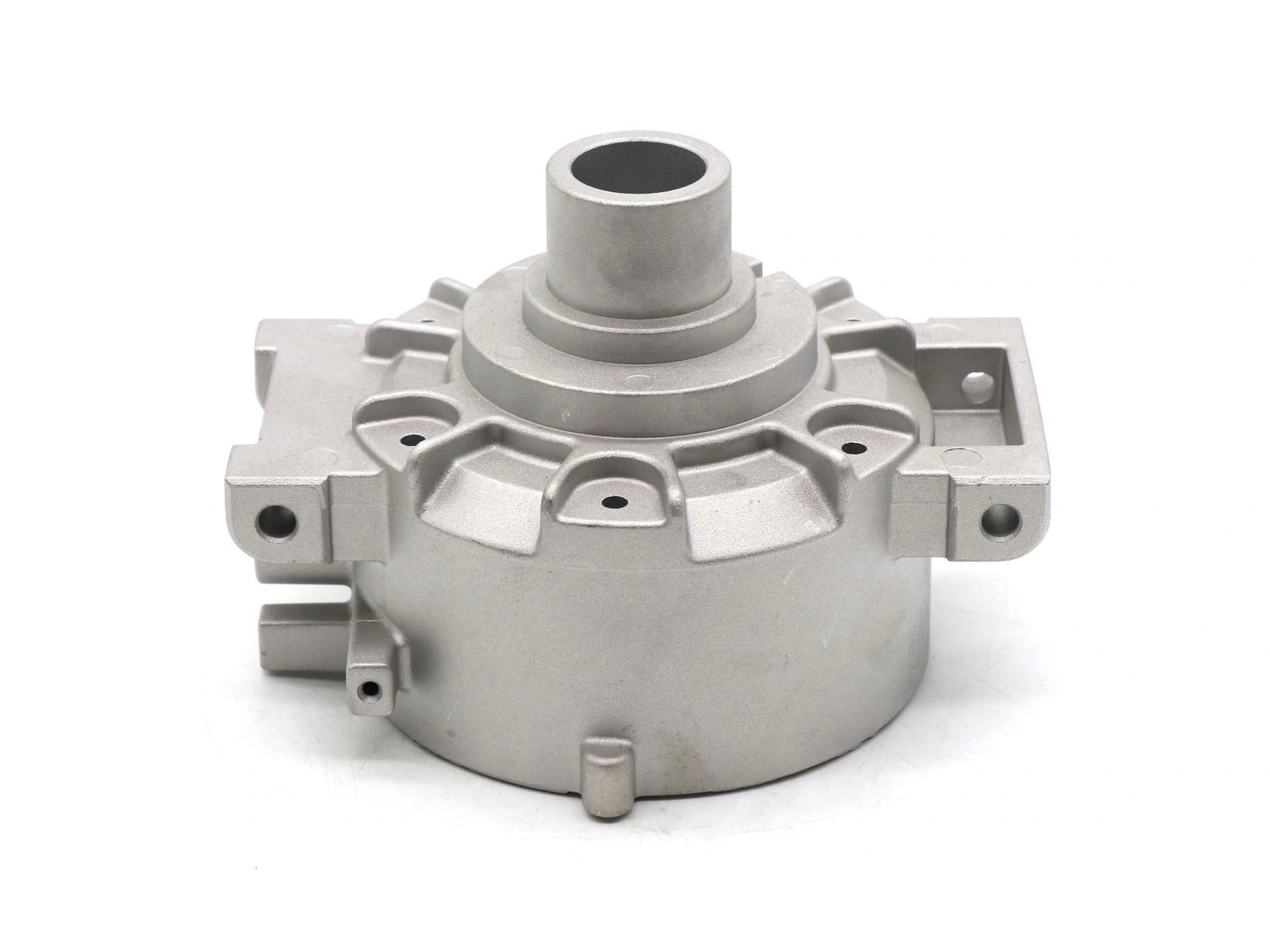
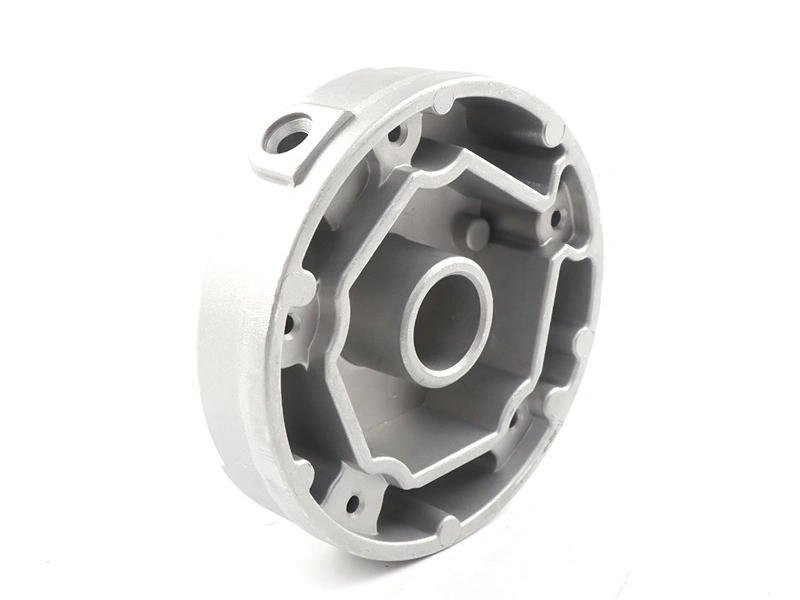
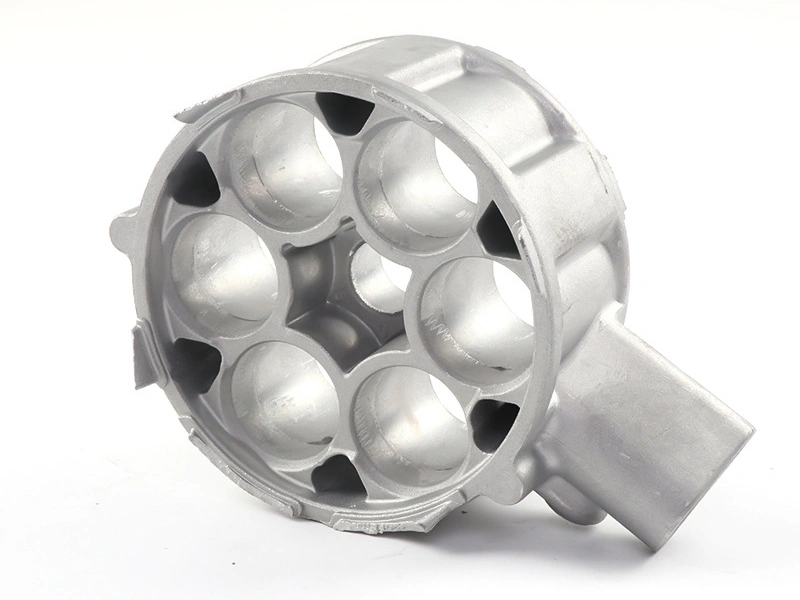
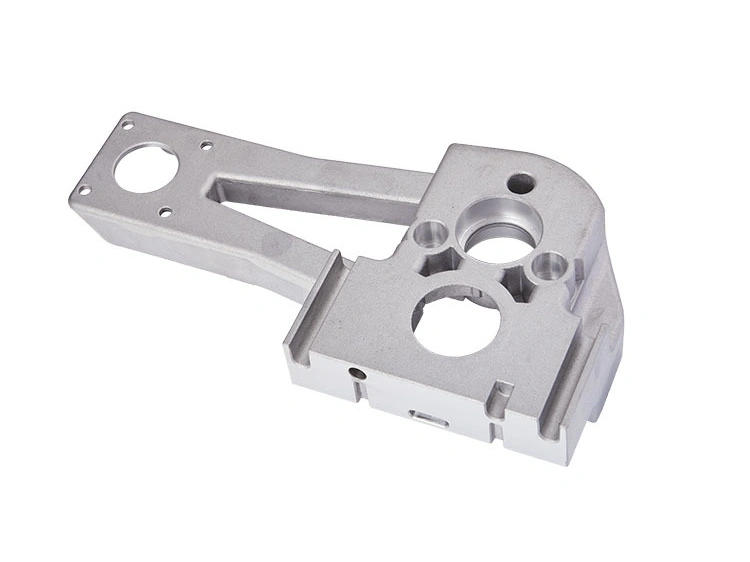
Yes, aluminum surface treatments can improve corrosion resistance, but the result depends on the treatment method, working environment, coating adhesion, surface cleanliness, and original casting quality. For aluminum die casting parts, common corrosion protection methods include painting, powder coating, plating, and other protective finishing processes. However, surface treatment cannot fully compensate for poor casting quality, porosity, oil contamination, or rough surfaces.
Buyers should define corrosion resistance requirements during the RFQ stage, especially when aluminum die cast parts are used in automotive components, outdoor equipment, industrial housings, humid environments, or corrosion-exposed applications. If corrosion requirements are added only after samples are completed, the supplier may need to adjust surface preparation, coating process, die casting tooling, inspection standards, or even casting process control.
1. How Aluminum Surface Treatments Improve Corrosion Resistance
Aluminum surface treatments improve corrosion resistance by creating a protective layer between the aluminum casting and the external environment. This layer can reduce direct contact with moisture, oxygen, chemicals, salt spray, handling contamination, and industrial exposure. The protection level depends on the surface treatment type and how well the casting surface is prepared before finishing.
Surface Treatment | Corrosion Protection Value | Typical Use |
|---|---|---|
Painting | Provides color, appearance control, and basic surface protection | Consumer housings, covers, indoor parts, appearance components |
Powder coating | Provides stronger coating durability, wear resistance, and corrosion protection | Outdoor parts, industrial housings, brackets, handled components |
Plating | Can provide decorative, wear-related, or special functional protection | Special appearance parts, selected functional components, decorative surfaces |
Surface preparation | Improves coating adhesion and reduces finishing failure risk | Parts requiring painting, coating, plating, or corrosion testing |
2. When Painting Is Used for Corrosion Protection
Painting is often used when aluminum die cast parts need color, appearance consistency, and basic protection against handling, moisture, and light environmental exposure. It can improve the appearance of the part while adding a protective surface layer.
However, painting performance depends heavily on surface preparation. If the casting surface has oil, dust, burrs, porosity, or rough texture, paint adhesion and final appearance may be affected.
Painting Requirement | Why It Matters | Buyer Should Confirm |
|---|---|---|
Color and gloss | Defines final product appearance and brand consistency | Color code, gloss level, texture, and sample standard |
Surface preparation | Clean surfaces improve paint adhesion and appearance | Cleaning, polishing, deburring, and pre-treatment requirements |
Use environment | Indoor and outdoor applications need different protection levels | Humidity, temperature, UV exposure, and corrosion requirement |
Inspection standard | Painted surfaces may need cosmetic and adhesion inspection | Acceptable defects, coating thickness, and adhesion test requirement |
3. When Powder Coating Is Better for Corrosion Resistance
Powder coating is commonly used when aluminum die cast parts need stronger corrosion resistance, better wear resistance, and durable surface protection. It is often suitable for outdoor equipment, industrial enclosures, brackets, machine housings, lighting parts, and automotive-related components.
For powder-coated aluminum die cast parts, buyers should confirm coating thickness, masking areas, surface preparation, appearance standard, and corrosion test requirements before quotation. Coating thickness can affect holes, threads, sealing areas, and assembly clearance.
Powder Coating Factor | Why It Affects Corrosion Resistance | Buyer Should Define |
|---|---|---|
Coating thickness | Thickness affects protection, appearance, and assembly clearance | Required thickness range and masked functional areas |
Surface cleanliness | Oil, dust, or contamination can reduce coating adhesion | Cleaning and pre-treatment requirements |
Part geometry | Edges, grooves, holes, and corners may affect coating coverage | Critical edges, recesses, and cosmetic areas |
Testing standard | Outdoor or industrial parts may need verified corrosion performance | Salt spray, adhesion, thickness, or customer-specific test standards |
4. When Plating Is Used for Special Requirements
Plating may be used for aluminum die cast parts that need special decorative appearance, wear resistance, conductivity-related performance, or selected corrosion protection. It is not always the default choice for aluminum die castings because plating quality depends on casting material, surface porosity, surface preparation, and process control.
If buyers require plating, they should define the functional purpose and appearance standard clearly. The supplier should evaluate whether the aluminum alloy, casting surface, and process route are suitable before confirming production.
Plating Requirement | Why It Matters | Buyer Should Confirm |
|---|---|---|
Decorative appearance | Plating can create metallic or premium surface effects | Finish sample, visible surfaces, and cosmetic defect standard |
Wear resistance | Some plated surfaces can improve durability in contact areas | Wear condition, contact surfaces, and expected service life |
Functional requirement | Some projects need special surface behavior beyond appearance | Conductivity, contact area, corrosion exposure, or coating performance |
Casting surface quality | Porosity and rough surfaces may affect plating quality | Surface inspection, acceptable porosity, and pre-treatment method |
5. Why Original Casting Quality Affects Corrosion Protection
Surface treatment performance depends on the quality of the original aluminum casting. If the casting has porosity, oil contamination, rough surfaces, shrinkage marks, flow marks, or heavy parting lines, the final coating or surface treatment may not perform well. Poor surface quality can reduce adhesion, create visible defects, or expose weak areas during corrosion testing.
Casting Quality Issue | Effect on Surface Treatment | Possible Buyer Risk |
|---|---|---|
Surface porosity | May create coating defects, pinholes, or weak surface areas | Poor corrosion resistance or cosmetic rejection |
Oil contamination | Reduces coating adhesion and surface cleanliness | Peeling, blistering, or coating failure |
Rough surface | May cause uneven coating thickness or poor appearance | Higher finishing cost and appearance disputes |
Flow marks or shrinkage marks | May remain visible after painting or coating | Cosmetic defects and rework risk |
6. Why Tooling and Casting Control Matter Before Surface Treatment
Corrosion resistance should not be treated as only a finishing issue. Tooling design and die casting process control affect the surface condition that later receives painting, powder coating, plating, or other treatments. Gate location, venting, cooling, ejection marks, parting lines, and process stability can all affect final surface treatment quality.
If a buyer needs high corrosion resistance or high cosmetic quality, the supplier should review tooling and casting quality before finishing begins. Good die casting tooling can reduce surface defects and make later surface treatment more stable.
Control Area | Why It Matters | How It Helps Corrosion Resistance |
|---|---|---|
Gate location | Gate marks and flow direction may affect visible or coated areas | Improves surface consistency before finishing |
Venting design | Poor venting can cause gas defects and porosity | Reduces surface defects that weaken coating performance |
Cooling control | Uneven cooling can cause shrinkage, deformation, or surface marks | Improves dimensional and surface stability |
Ejection mark planning | Ejection marks on visible or coated areas may affect final appearance | Reduces polishing, coating, and cosmetic rework |
7. What Buyers Should Define for Corrosion Resistance Requirements
If aluminum die cast parts are used in automotive, outdoor equipment, industrial housings, humid environments, or corrosion-exposed applications, buyers should define corrosion resistance requirements during RFQ. This helps the supplier choose the right surface treatment, surface preparation, inspection standard, and process control method.
Buyer Should Define | Why It Matters | How It Helps the Supplier |
|---|---|---|
Use environment | Indoor, outdoor, humid, industrial, automotive, and marine-like environments have different risks | Helps select painting, powder coating, plating, or other protection methods |
Corrosion test standard | Testing requirements affect process selection and inspection cost | Helps plan salt spray, adhesion, coating thickness, or customer-specific tests |
Visible surfaces | Corrosion protection and appearance may both be required on visible areas | Helps define cosmetic surface treatment and inspection focus |
Functional areas | Holes, threads, sealing faces, and contact areas may need masking or special control | Prevents coating interference with assembly or sealing |
Expected service life | Longer service requirements may need stronger treatment and inspection | Helps balance cost, protection level, and production stability |
8. Summary
Question | Answer |
|---|---|
Do aluminum surface treatments improve corrosion resistance? | Yes, but the result depends on treatment method, use environment, surface preparation, coating adhesion, and original casting quality. |
Which treatment gives basic protection? | Painting can provide color, appearance control, and basic surface protection. |
Which treatment is often used for outdoor or industrial parts? | Powder coating is commonly used for stronger corrosion resistance, wear resistance, and durable surface protection. |
Can plating be used? | Yes, plating can be used for special decorative, wear-related, or functional surface requirements when the casting surface is suitable. |
What should buyers define in RFQ? | Buyers should define use environment, corrosion resistance requirement, test standard, visible surfaces, functional areas, and expected service life. |
In summary, aluminum surface treatments can improve corrosion resistance, but the final result depends on the treatment method, application environment, surface cleanliness, coating adhesion, and original casting quality. Painting provides color and basic protection. Powder coating is often suitable for outdoor or industrial parts. Plating may fit special decorative or functional needs. If aluminum die cast parts are used in automotive, outdoor equipment, industrial housings, or humid environments, buyers should define corrosion resistance requirements during RFQ instead of adding them after samples are completed.