How Can Buyers Avoid Choosing the Wrong Aluminum Casting Process?
How Can Buyers Avoid Choosing the Wrong Aluminum Casting Process?
Buyers can avoid choosing the wrong aluminum casting process by reviewing annual demand, part structure, lightweight requirements, thermal performance, CNC machining needs, surface appearance, tight tolerance features and long-term batch stability before starting tooling.
Choosing the wrong process for aluminum casting parts can lead to wasted tooling cost, high machining cost, sample failure or unstable production. Buyers should ask the supplier to evaluate the drawing, quantity, material, surface treatment and tolerance requirements together.
1. Check Whether Quantity Justifies Tooling
Quantity Situation | Process Selection Meaning | Buyer Risk if Misjudged |
|---|---|---|
Very small quantity | Production die casting tooling may not be economical | High upfront tooling cost with limited payback |
Prototype or unstable design | The project may need more validation before mold making | Frequent mold changes and sample delays |
Stable medium to high volume | Aluminum die casting may reduce long-term unit cost | Missed opportunity for production cost reduction |
Repeat production orders | Tooling investment can support batch consistency | Higher cost if every part is fully machined unnecessarily |
2. Check Whether the Part Structure Fits Die Casting
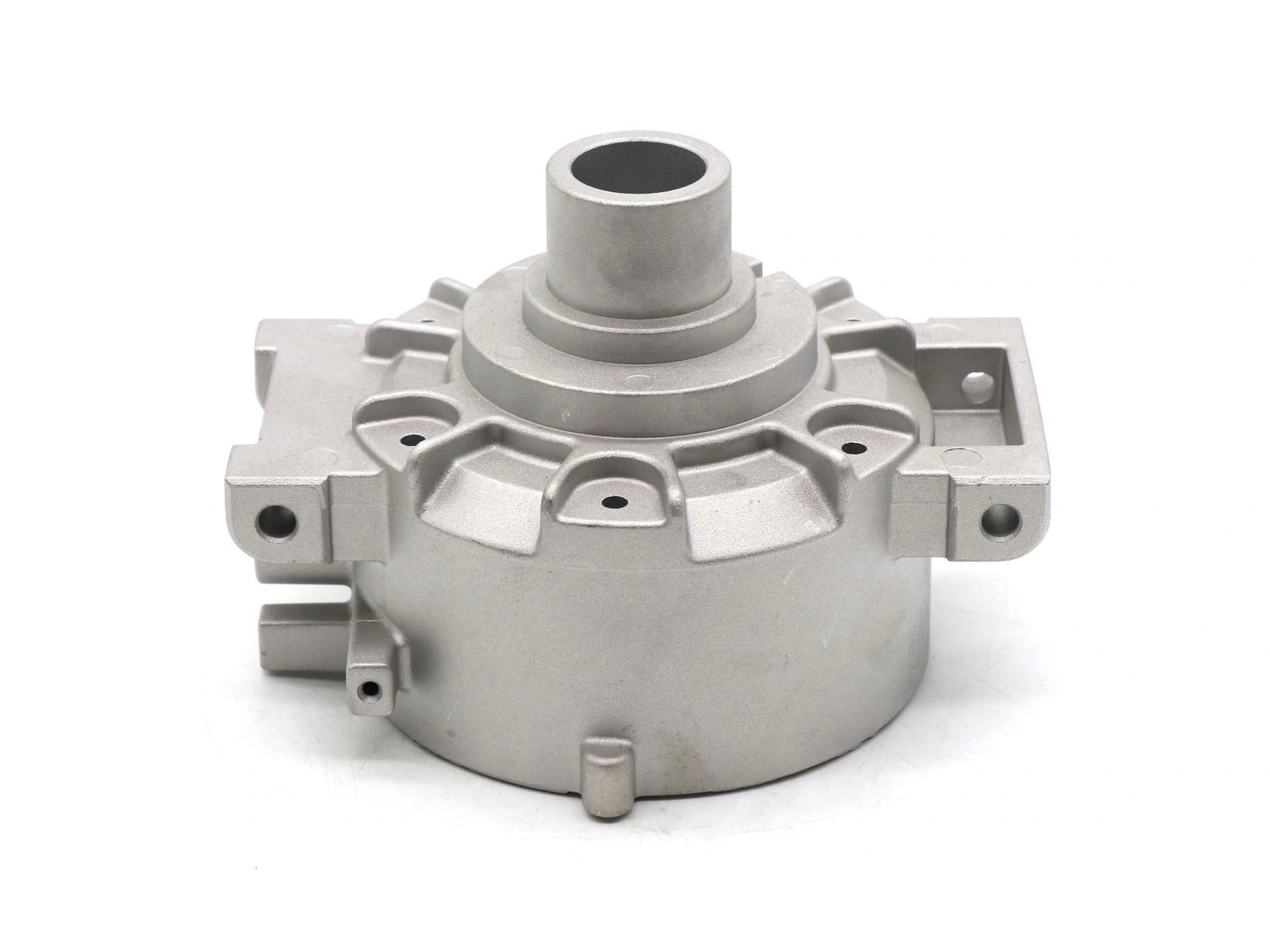
Custom metal casting review should check whether the geometry is suitable for die casting. Parts with housings, ribs, bosses, mounting features and repeated production demand often fit die casting well, while unstable designs may need more validation first.
Part Requirement | Die Casting Fit | Review Focus |
|---|---|---|
Lightweight structure | Often suitable for aluminum die casting | Wall thickness, ribs and strength |
High thermal performance | May be suitable for heat sink housings or covers | Thermal contact surfaces and machining areas |
Complex housing features | Often suitable when tooling is justified | Gate, venting, cooling and ejection |
All surfaces require high precision | May not be suitable as a pure casting project | Full machining cost and tolerance strategy |
3. Check CNC Machining and Surface Requirements
Many aluminum casting parts need CNC machining for aluminum casting parts, but not every surface should be machined. Buyers should define critical features, cosmetic surfaces and coating requirements before choosing the process.
Requirement | What Buyers Should Ask | Process Risk Reduced |
|---|---|---|
Tight tolerance features | Which holes, faces, datums and interfaces really need CNC machining? | Over-machining and high inspection cost |
High appearance surfaces | Which surfaces need polishing, painting, coating or cosmetic inspection? | Appearance rejection and finishing disputes |
Long-term batch stability | Can tooling, casting, machining and inspection stay stable across repeat orders? | Batch quality variation |
4. Know When Die Casting May Not Be the Best Choice
Die casting may not be the best route when quantity is too small, every surface requires high precision machining, the design is still unstable or material and functional requirements have not been confirmed.
Not Suitable Situation | Why It Creates Risk | Better Buyer Action |
|---|---|---|
Quantity is too low | Tooling investment may not be recovered | Validate quantity and repeat order plan first |
Design keeps changing | Mold modifications can become expensive | Use prototype validation before tooling |
All faces need high precision | Full machining may remove the cost advantage of casting | Review tolerance strategy and process route |
Function is unclear | Material, surface and machining choices may be wrong | Confirm performance requirements before process selection |
5. Compare Other Casting Material Options
Some projects may also need comparison with zinc die casting for small precision parts or copper die casting for functional parts. A process review helps buyers avoid choosing aluminum casting when another material route is more suitable.
6. Summary
Process Selection Check | Buyer Purpose |
|---|---|
Annual demand | Confirm whether tooling investment is justified |
Part structure | Confirm whether the geometry fits aluminum die casting |
CNC machining needs | Separate critical machined features from non-critical surfaces |
Surface requirements | Confirm cosmetic and coating standards early |
Material and function | Avoid wrong material or process selection |
In summary, buyers should choose the aluminum casting process only after reviewing quantity, part structure, material function, tolerance needs, CNC machining, surface finishing and production stability. A manufacturability review before tooling can reduce waste, rework and sample failure.