How Can Buyers Avoid Conflicts Between Machined Areas and Cosmetic Surfaces?
How Can Buyers Avoid Conflicts Between Machined Areas and Cosmetic Surfaces?
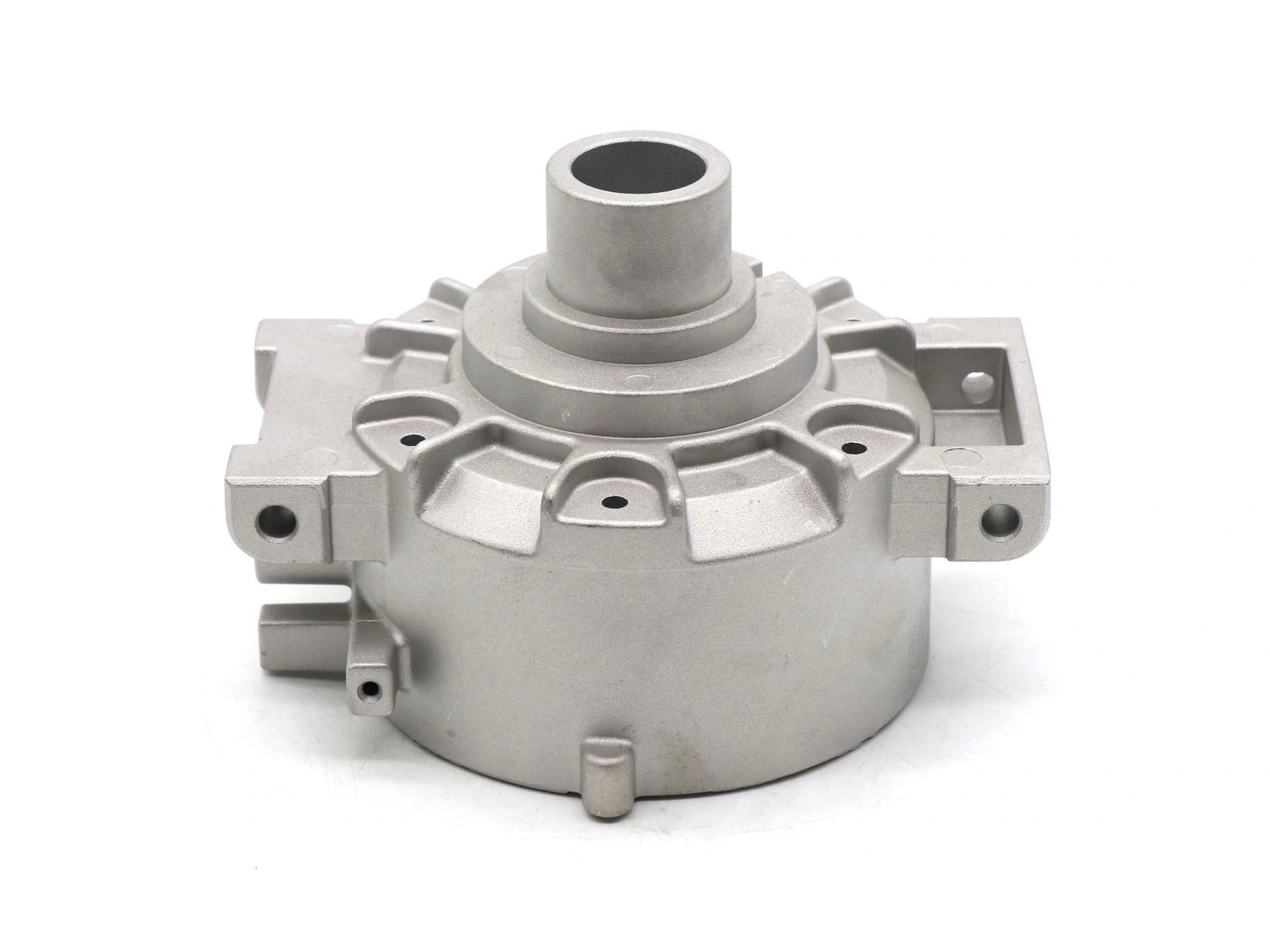
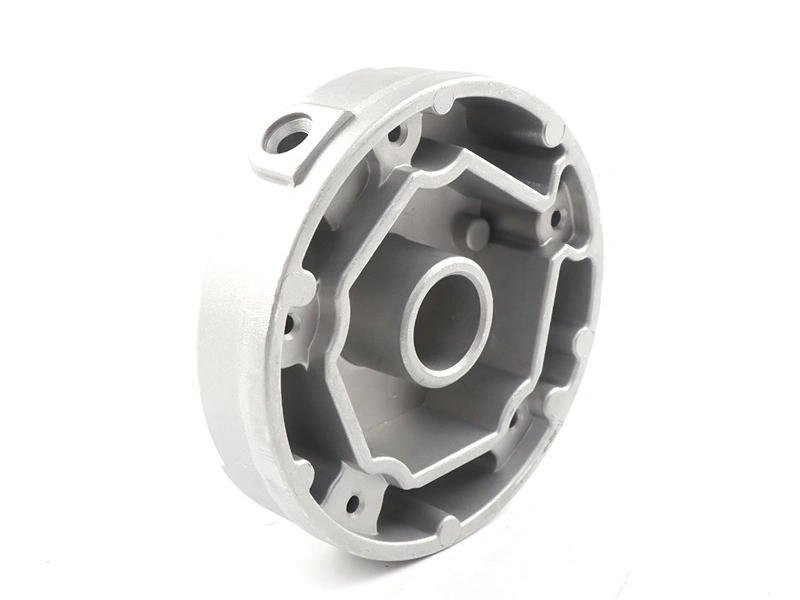
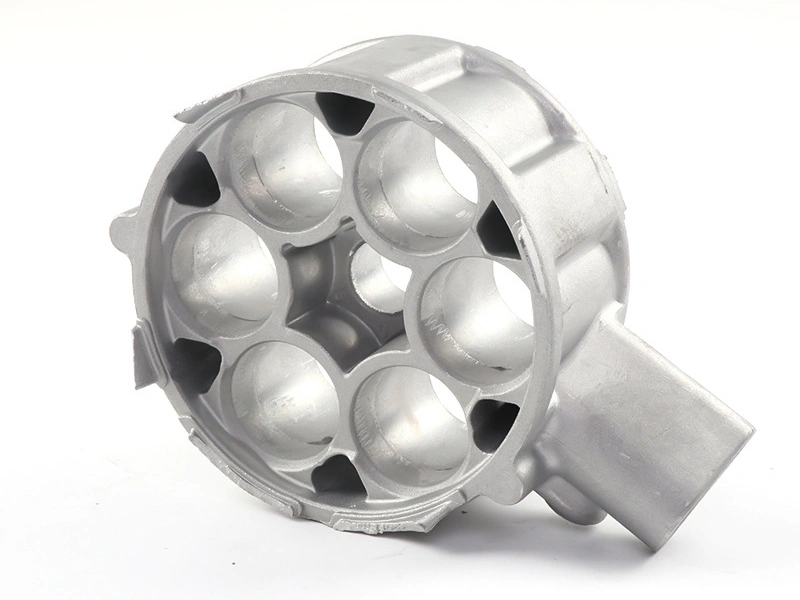
Buyers can avoid conflicts between machined areas and cosmetic surfaces by separating functional surfaces, CNC machining areas, visible surfaces, coating areas and non-critical as-cast surfaces before mold design. This allows the supplier to plan tooling, machining, finishing and inspection without creating conflicts.
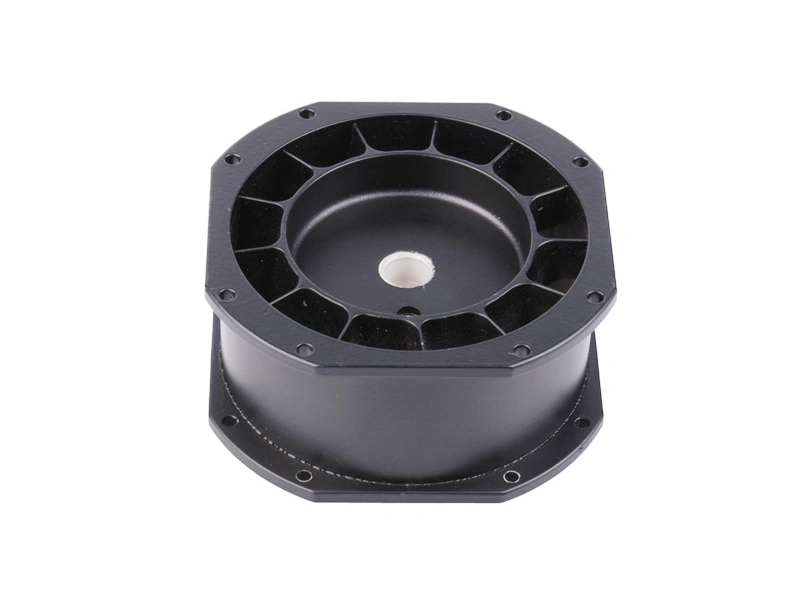
This FAQ is useful for custom aluminum die casting projects that need both function and appearance. Electronic enclosures, lighting housings, pump bodies, motor covers, brackets and aluminum covers often require CNC machined features, cosmetic surfaces, coating and final assembly performance in the same part.
1. Separate Functional, Machined, Cosmetic and As-Cast Areas
Area Type | Buyer Should Define | Why It Matters |
|---|---|---|
Machined surfaces | Holes, threads, sealing faces, flatness areas and datum surfaces | Helps plan machining allowance and inspection |
Cosmetic surfaces | Visible surfaces that should avoid obvious parting lines, gate marks or ejector marks | Reduces appearance disputes after trial samples |
Functional surfaces | Mounting faces, contact faces, sealing areas and assembly interfaces | Protects fit, sealing and product performance |
Coating areas | Surfaces requiring painting, powder coating, polishing or masking | Prevents finishing from damaging assembly performance |
As-cast surfaces | Hidden or non-critical areas that do not require machining or cosmetic finishing | Reduces unnecessary production cost |
2. Identify Common Conflicts Before Mold Design
For custom aluminum die casting with CNC machining, surface and machining conflicts should be identified before mold design. Otherwise, the part may cast successfully but fail during machining, finishing or assembly.
Conflict | Possible Cause | Buyer Impact |
|---|---|---|
Machining exposes porosity | Machined areas were not reviewed with gate, venting and defect risk | Leakage, sealing failure or cosmetic rejection |
Parting line appears on cosmetic surface | Visible surfaces were not marked before tooling layout | Polishing rework and appearance dispute |
Ejector marks appear on visible surface | Ejector pin layout was not reviewed with cosmetic standards | Customer-facing surface rejection |
Coating covers threaded holes | Masking areas were not defined before finishing | Assembly rework and delivery delay |
Polishing changes functional surfaces | Cosmetic finishing and functional areas were not separated | Fit problems and inspection dispute |
3. Coordinate Tooling, Machining and Finishing
The supplier should confirm parting line, ejector pin layout, machining allowance, datum surfaces and finishing sequence before tool and die making. Casting, CNC machining and surface finishing should not be planned separately.
Process Area | Supplier Should Coordinate | Risk Reduced |
|---|---|---|
Tooling | Parting line, gate, ejector pins, venting, cosmetic surfaces and machining allowance | Appearance defects and mold correction |
CNC machining | Holes, threads, sealing faces, datum surfaces, fixture clamping and burr control | Assembly failure and machining disputes |
Surface finishing | Coating areas, masking areas, polishing limits, cosmetic standard and packaging | Finishing conflict and cosmetic rejection |
Inspection | Dimensional inspection, cosmetic inspection, coating inspection and assembly check | Unclear acceptance standards |
4. Coordinate With Related Material and Process Options
A supplier with CNC machining after aluminum die casting and custom metal casting service support can also help buyers compare zinc die casting surface finish planning and copper die casting machined features when future parts require different materials or functions.
5. Summary
Conflict Control Area | Main Purpose |
|---|---|
Machined, cosmetic, functional and as-cast surfaces | Separate process requirements before tooling |
Parting line, ejector marks and gate position | Protect visible surfaces and reduce finishing rework |
Machining allowance, datums and fixture clamping | Protect functional surfaces and CNC repeatability |
Coating, masking and inspection standards | Prevent finishing from damaging assembly or appearance |
In summary, buyers can avoid conflicts between machined areas and cosmetic surfaces by separating functional, CNC machined, visible, coating and as-cast areas before mold design. A coordinated supplier can reduce appearance rework, assembly problems and batch acceptance disputes.