How Can Buyers Avoid Machining Problems After High Pressure Die Casting?
How Can Buyers Avoid Machining Problems After High Pressure Die Casting?
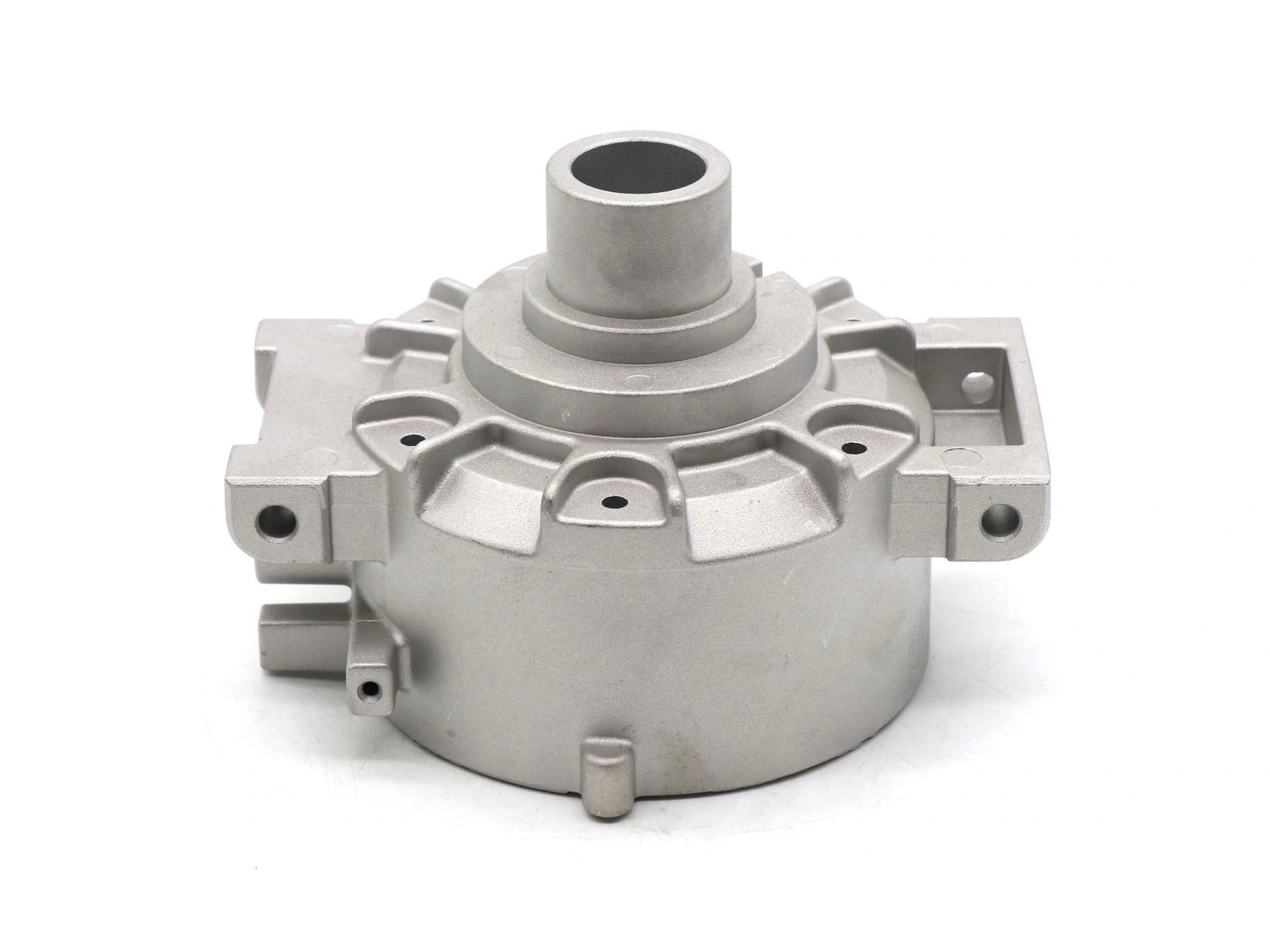
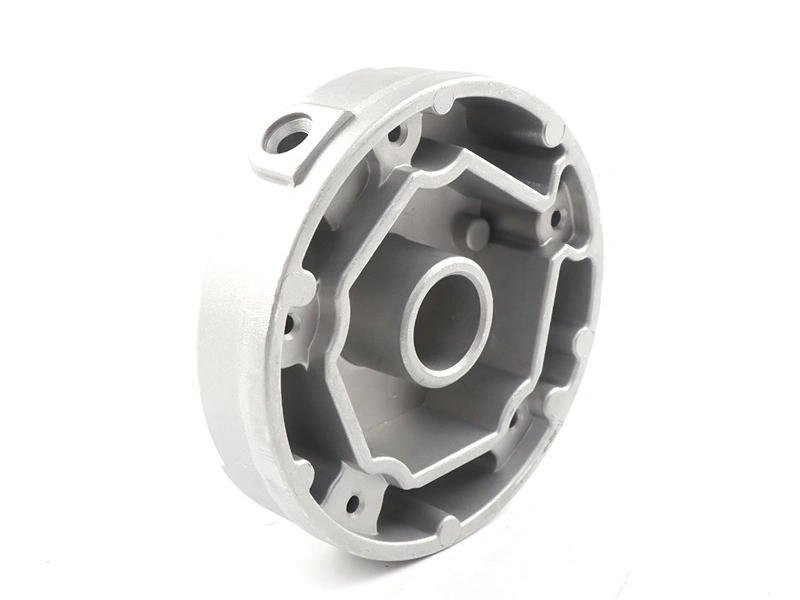
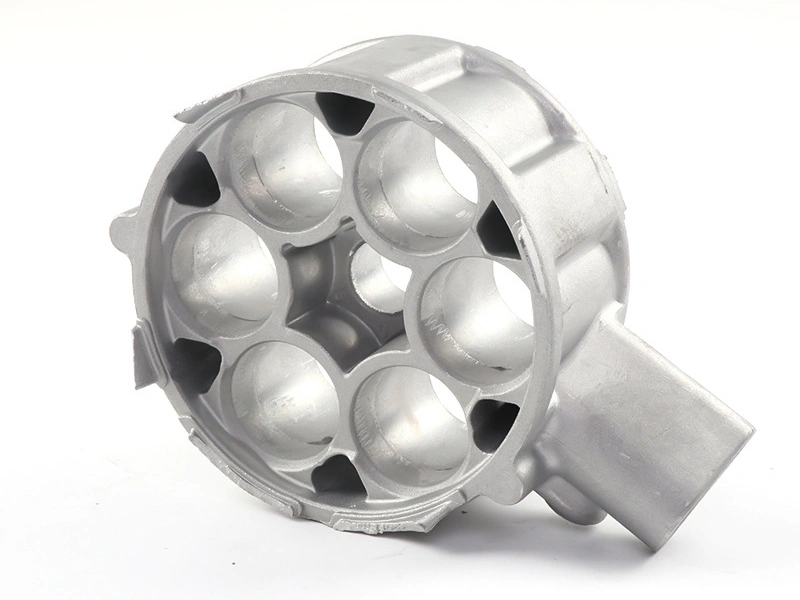
Buyers can avoid machining problems after high pressure aluminum die casting by confirming machining areas before tooling, defining datum surfaces, setting reasonable machining allowance, avoiding sealing faces in high-porosity risk areas, validating CNC machining during trial samples and establishing a clear machining inspection standard.
CNC machining after die casting must be planned together with tooling and casting. If casting and machining are handled separately, buyers may face fixture changes, machining rework, dimensional disputes and batch delivery delays.
1. Common Machining Problems After Die Casting
Machining Problem | Possible Cause | Buyer Risk |
|---|---|---|
Insufficient machining allowance | Machined features were not planned before tooling | Surfaces fail to clean up or parts are rejected |
Difficult fixture positioning | Datum surfaces were not defined early | Dimension variation and unstable machining |
Exposed porosity after machining | Sealing or machined areas are placed in porosity-prone zones | Leakage, cosmetic rejection or rework |
Hole position deviation | Fixture, datum or casting variation is not controlled | Assembly mismatch and inspection disputes |
Unstable thread quality | Hole quality, burrs, material condition or process control is weak | Fastening failure and batch rework |
2. Plan Machining Areas and Datums Before Tooling
Buyers should define machined holes, threads, sealing faces, flatness-controlled areas and datum surfaces before tool and die making. This allows the tooling team to reserve material, avoid bad ejector locations and support stable fixture positioning.
Planning Item | Why It Matters | Risk Reduced |
|---|---|---|
Machining areas | Shows where stock must be reserved for CNC work | Insufficient allowance and rework |
Datum surfaces | Control fixture positioning and inspection reference | Unstable dimensions |
Sealing faces | Need flatness, roughness and low porosity risk | Leakage and functional failure |
Machining allowance | Ensures machined surfaces can clean up without excessive cutting | Scrap, exposed pores and added machining time |
3. Avoid Tooling Features That Hurt Machining
Parting lines, ejector marks and gate locations can affect machining and assembly. Buyers should ensure these tooling features do not interfere with sealing faces, datum surfaces or high-precision machined areas.
Tooling Feature | Machining Risk | Better Planning Method |
|---|---|---|
Parting line | May affect sealing faces or create flash near machined surfaces | Move away from critical sealing and datum areas when possible |
Ejector pin marks | Can affect fixture references or assembly datums | Review ejector layout before tooling approval |
Coating after machining | Coating thickness can affect holes, threads and assembly size | Define masking and final inspection standards |
4. Validate CNC Machining Process After Trial Samples
Trial samples should be used to validate machining cleanup, fixture stability, hole position, thread quality, flatness, exposed porosity and inspection method. This prevents machining problems from becoming repeat production issues.
Trial Machining Check | What It Confirms | Buyer Benefit |
|---|---|---|
Machining cleanup | Whether reserved allowance is enough | Reduces scrap and mold modification |
Fixture stability | Whether parts locate consistently during machining | Improves batch repeatability |
Machined feature inspection | Whether holes, threads, flatness and datums meet requirements | Reduces dimensional disputes |
5. Compare Machining Risks Across Material Routes
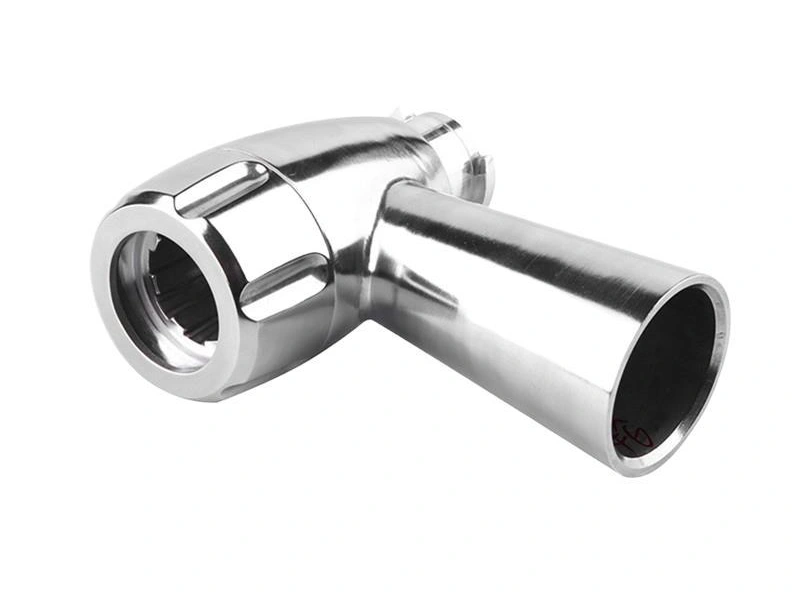
Machining risks vary by casting material. Zinc die casting machined parts may focus on small precision features, while copper die casting machined parts may require more control on functional contact faces. A custom metal casting service review helps buyers choose the best process and machining strategy.
6. Summary
Machining Problem Prevention Method | Main Value |
|---|---|
Confirm machining areas before tooling | Reserve proper allowance and avoid late changes |
Define datum surfaces | Improve fixture positioning and inspection repeatability |
Avoid high-risk porosity areas for sealing faces | Reduce leakage and functional rejection |
Review parting lines, ejectors and coating impact | Protect machined and assembly surfaces |
Validate CNC machining after trial samples | Reduce fixture changes, rework and batch delivery delays |
In summary, buyers can avoid machining problems after high pressure die casting by planning machined areas, datums, allowance, sealing faces, tooling layout and inspection before production. Casting and CNC machining should be coordinated early to avoid rework and dimensional disputes.