How Can Buyers Confirm a Custom Aluminum Die Casting Project Is Ready for Tooling?
How Can Buyers Confirm a Custom Aluminum Die Casting Project Is Ready for Tooling?
Buyers can confirm a custom aluminum die casting project is ready for tooling when the design is stable, the drawing version is final, the aluminum alloy direction is confirmed, critical dimensions are marked, machining areas are defined, cosmetic surfaces are identified and production volume can justify tooling investment.
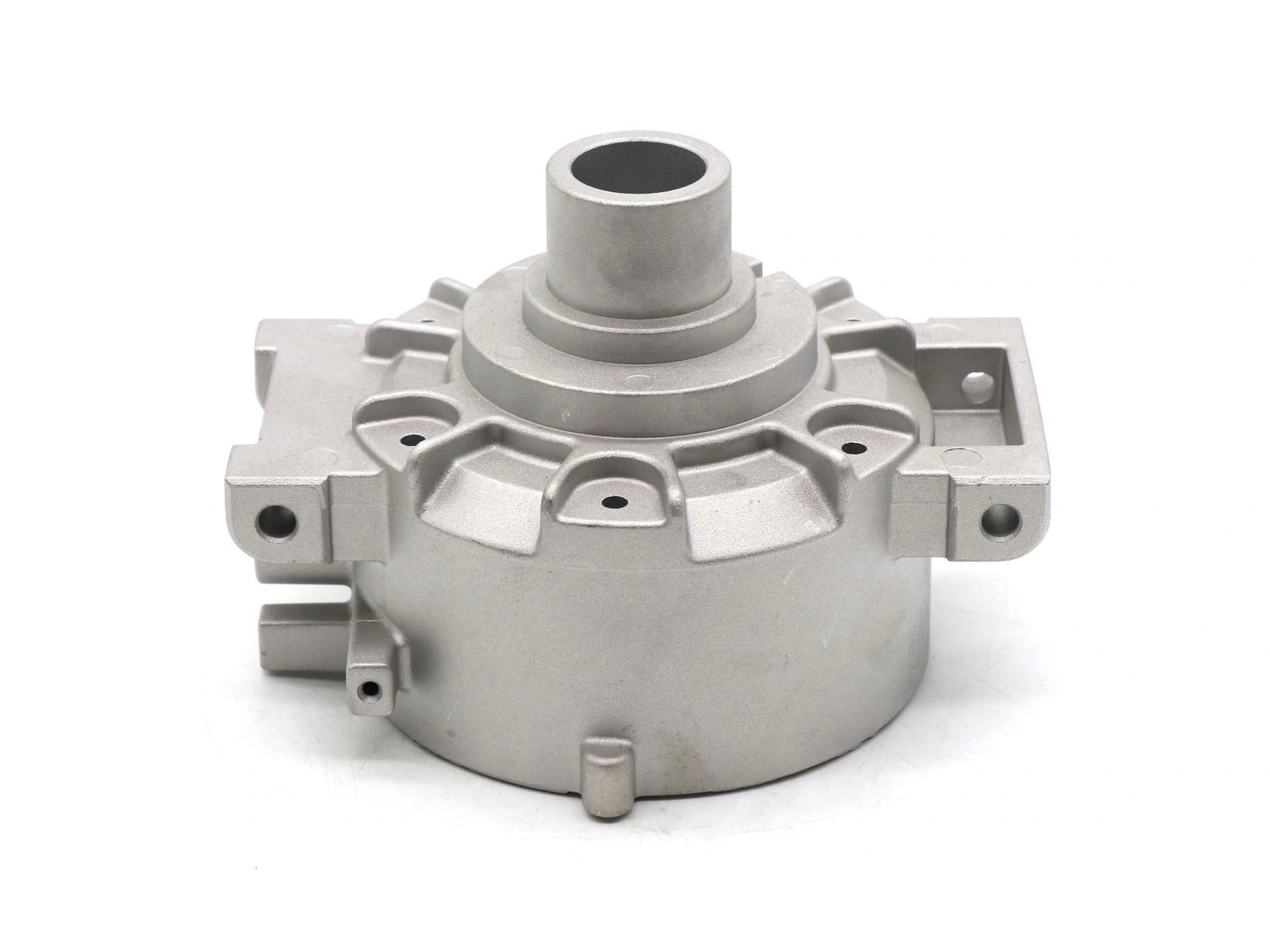
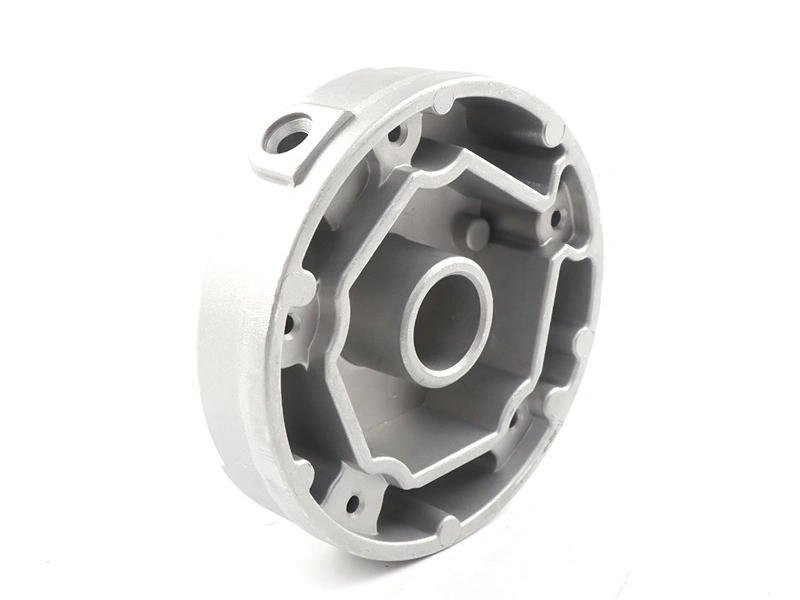
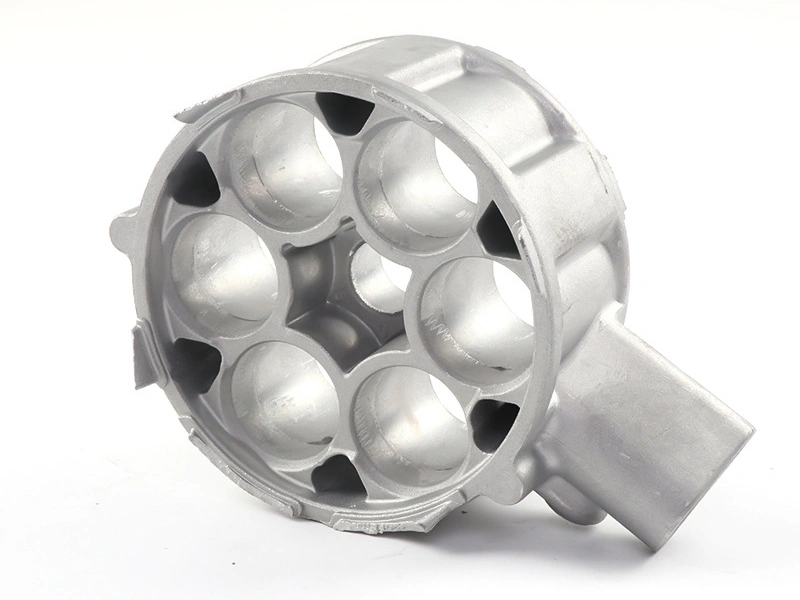
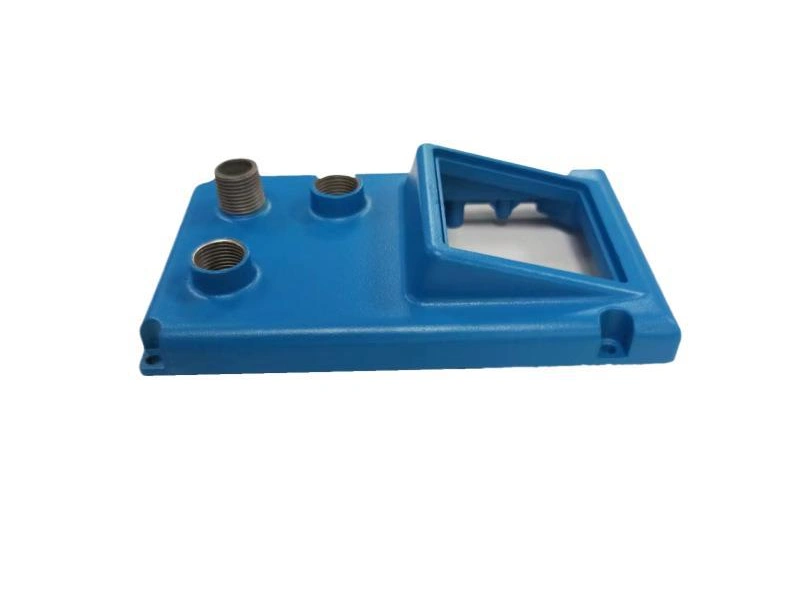
This FAQ is useful for buyers who have completed product design but are not sure whether they should officially start mold making. Common projects include aluminum housings, electronic enclosures, motor covers, pump bodies, lighting housings, heat sink housings, custom aluminum brackets and machined aluminum die cast parts.
1. Confirm Design and Production Readiness
Readiness Item | What Buyers Should Confirm | Why It Matters |
|---|---|---|
Final 2D drawing | Final revision, tolerances, critical dimensions and drawing notes | Prevents tooling, quotation and inspection misunderstanding |
Final 3D model | Geometry, ribs, bosses, holes, wall thickness and assembly features | Supports manufacturability review and mold design |
Aluminum alloy requirement | Strength, weight, heat dissipation, surface finish and production cost target | Reduces material selection mistakes before tooling |
Annual demand | Expected yearly quantity, first order quantity and repeat order plan | Helps decide whether tooling investment is justified |
2. Confirm Machining, Cosmetic and Surface Requirements
Before tool and die making, buyers should confirm which areas need machining, which surfaces are cosmetic and which requirements affect final inspection. A custom aluminum die casting project cannot be judged only by whether the raw casting can be formed.
Requirement | Buyer Should Define | Risk Reduced |
|---|---|---|
Critical dimensions | Dimensions that affect assembly, sealing, fastening, locating or function | Trial sample failure and batch rejection |
CNC machining areas | Threaded holes, sealing faces, flatness areas, datum surfaces and mounting holes | Machining allowance shortage and fixture problems |
Cosmetic surfaces | Visible surfaces that should avoid obvious parting lines, gate marks or ejector marks | Appearance disputes and polishing rework |
Surface finish | Painting, powder coating, polishing, color, coating thickness and masking | Coating defects and assembly problems after finishing |
3. Understand Risks if Tooling Starts Too Early
If a project enters tooling before design, machining and finishing requirements are confirmed, mold changes and sample rework can become expensive. The supplier should complete DFM review before mold design is finalized.
Risk | Possible Cause | Buyer Impact |
|---|---|---|
Design changes after tooling starts | Drawing version or product function was not final | Tooling modification cost and project delay |
Machining allowance is not enough | CNC machining areas were not defined before mold design | Rejected machined features or mold modification |
Cosmetic surfaces are affected | Parting line, gate or ejector layout did not consider visible areas | Appearance rejection and extra polishing |
Coating creates assembly problems | Masking and coating thickness were not reviewed before samples | Assembly rework and sample approval delay |
4. Coordinate Tooling, Machining, Finishing and Inspection
The supplier should evaluate CNC machining after aluminum die casting, surface finishing and inspection before tooling. A broader custom metal casting service review can also help buyers compare custom zinc die cast parts and custom copper die cast parts when future product lines require different materials.
5. Summary
Tooling Readiness Check | Main Purpose |
|---|---|
Final drawing, 3D model and alloy direction | Confirm that design and material requirements are stable |
Annual demand and tooling investment | Check whether mold making is commercially justified |
Critical dimensions and CNC machining areas | Prevent machining shortage and functional failure |
Cosmetic surfaces, finishing and inspection | Reduce appearance disputes and sample rework |
In summary, buyers should confirm tooling readiness before starting custom aluminum die casting tooling. A qualified supplier should review design, tooling, die casting, CNC machining, surface finishing and quality inspection together to reduce opening-mold risk and later production rework.