How Can Buyers Confirm Casting, Machining and Finishing Are Managed Together?
How Can Buyers Confirm Casting, Machining and Finishing Are Managed Together?
Buyers can confirm that casting, machining and finishing are managed together by checking whether the supplier reviews machining allowance before tooling, defines cosmetic surfaces before mold design, confirms finishing requirements before trial samples, and uses the same inspection standard across all processes.
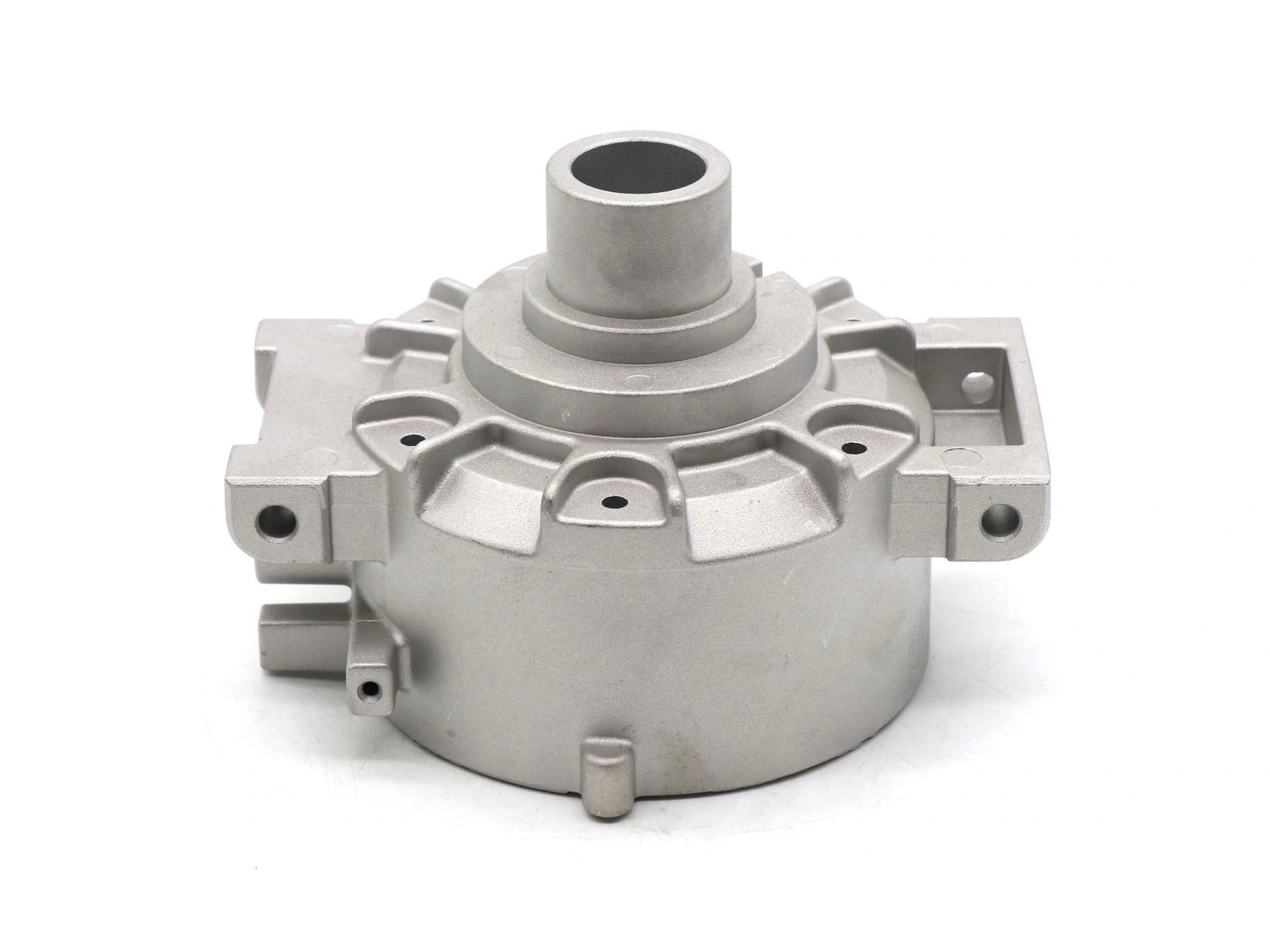
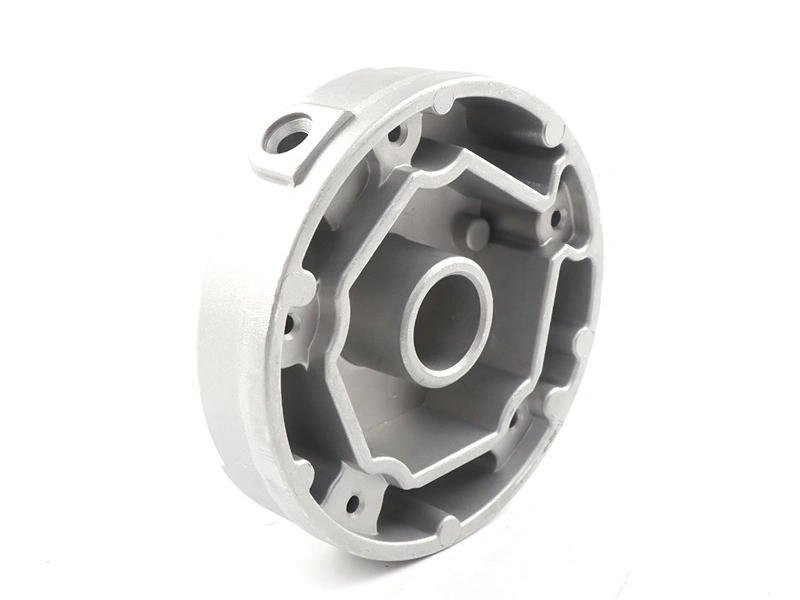
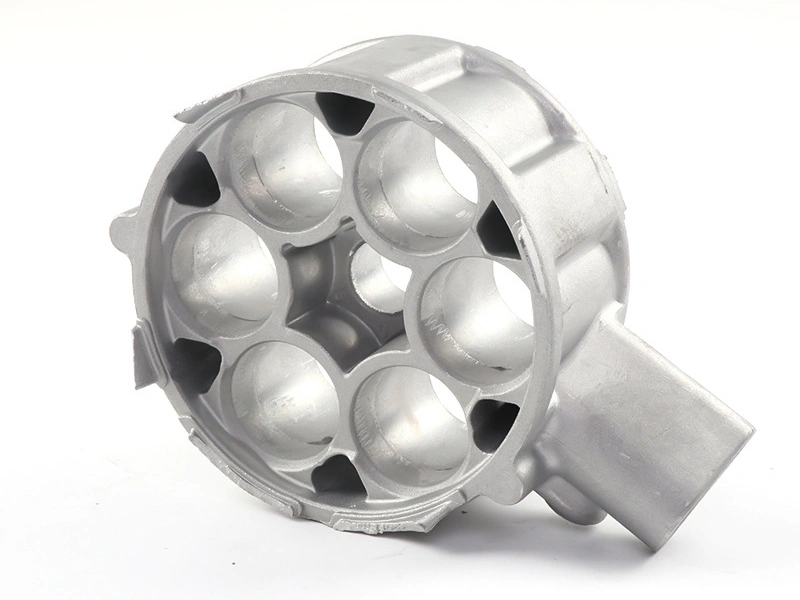
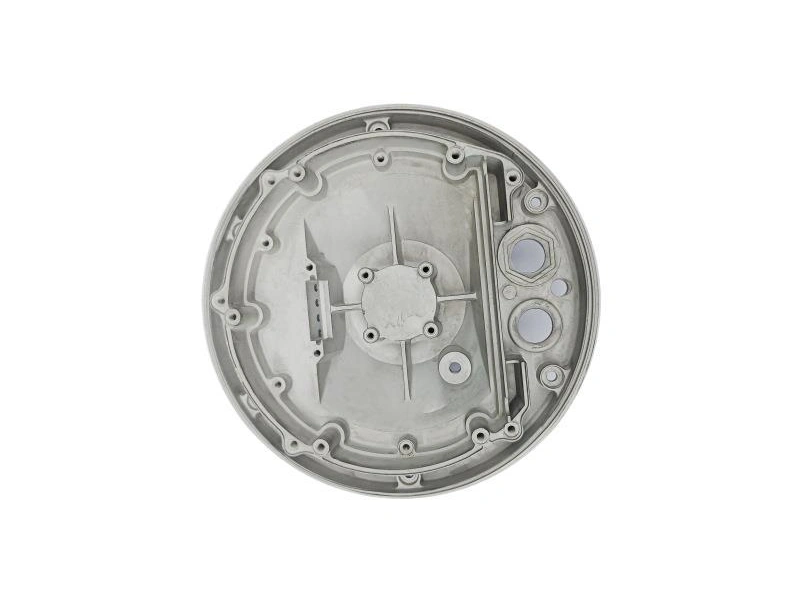
This is especially important when a part needs die casting to form the shape, CNC machining after aluminum die casting for threaded holes or sealing faces, and finishing such as painting, powder coating or polishing for appearance and protection.
1. Confirm Which Areas Are Cast, Machined or Finished
Area Type | What Buyers Should Confirm | Risk Reduced |
|---|---|---|
As-cast areas | Which surfaces can remain as-cast without additional machining | Unnecessary CNC machining cost |
Machined areas | Which holes, threads, datums, sealing faces and flatness areas need CNC machining | Machining allowance shortage and fit problems |
Cosmetic surfaces | Which visible surfaces need higher appearance quality | Parting line, ejector mark and gate mark disputes |
Coating or masking areas | Which surfaces need coating, painting, powder coating or masking | Assembly interference and finishing defects |
2. Check Whether Machining Is Planned Before Tooling
For aluminum die casting services with machining, machining cannot be added casually after tooling. The supplier should review datum surfaces, machining allowance, fixture positioning and inspection methods before mold design is finalized.
Machining Planning Item | Why It Matters | Buyer Risk if Missing |
|---|---|---|
Machining allowance | Ensures machined surfaces have enough material to clean up | Rejected machined aluminum die cast parts |
Datum surfaces | Connects casting, fixture positioning, machining and inspection | Unstable dimensions and inspection disputes |
Sealing faces | Need flatness, roughness and low porosity risk after machining | Leakage and functional failure |
Threaded holes | Need drilling, tapping, burr control and gauge inspection | Fastening failure and rework |
3. Check Whether Finishing Is Planned Before Trial Samples
Surface finishing should be reviewed before trial samples are approved. Coating thickness, polishing areas, masking requirements and cosmetic standards can affect final dimensions and assembly.
Finishing Planning Item | What Buyers Should Confirm | Risk Reduced |
|---|---|---|
Cosmetic surfaces | Visible surfaces, allowed defects and inspection method | Appearance rejection and unclear standards |
Coating areas | Which areas require powder coating, painting or other finishing | Missed finishing requirements |
Masking areas | Which holes, threads, datums or contact surfaces should avoid coating | Assembly and fit problems after finishing |
Coating thickness impact | Whether coating changes assembly size or fit clearance | Post-finishing rework and delivery delays |
4. Use One Inspection Standard Across Processes
A coordinated supplier should inspect dimensions, machined features and surface finish with one connected standard. The inspection plan should cover casting defects, machined dimensions, coating influence, cosmetic surfaces and assembly fit.
Inspection Area | What It Should Cover | Buyer Benefit |
|---|---|---|
Casting inspection | Porosity, flash, burrs, flow marks and parting line condition | Improves base casting quality control |
Machining inspection | Hole size, thread quality, flatness, sealing faces and datums | Improves functional reliability |
Finishing inspection | Color, gloss, coating thickness, masking, defects and cosmetic consistency | Reduces appearance disputes |
5. Compare Cross-Process Management Across Materials
Buyers may also compare aluminum projects with zinc die casting surface finish planning for cosmetic precision parts or copper die casting machined features for functional parts. A custom metal casting service review helps coordinate process requirements across different materials.
6. Summary
Coordination Check | Main Purpose |
|---|---|
As-cast, machined and cosmetic areas | Clarify process scope before tooling |
Machining allowance and datum surfaces | Reduce CNC rework and fixture problems |
Coating, masking and finishing sequence | Prevent assembly and appearance issues |
Unified inspection standard | Reduce disputes across casting, machining and finishing |
In summary, buyers can confirm that casting, machining and finishing are managed together by checking whether the supplier reviews machining allowance, cosmetic surfaces, finishing requirements and inspection standards before tooling and trial samples. This coordination reduces rework and improves final part acceptance.