How Can Buyers Control Porosity and Surface Defects in Aluminum Die Cast Parts?
How Can Buyers Control Porosity and Surface Defects in Aluminum Die Cast Parts?
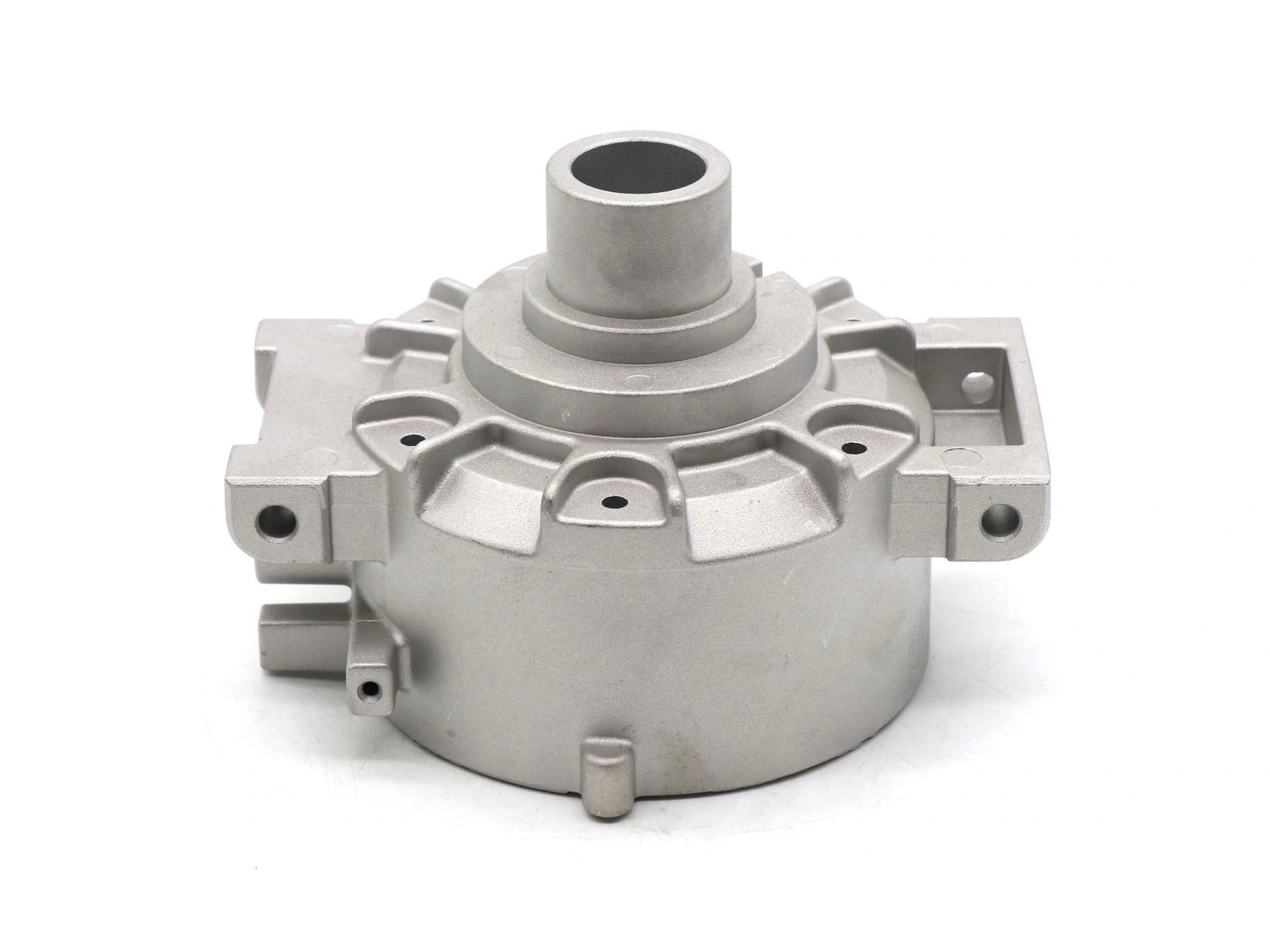
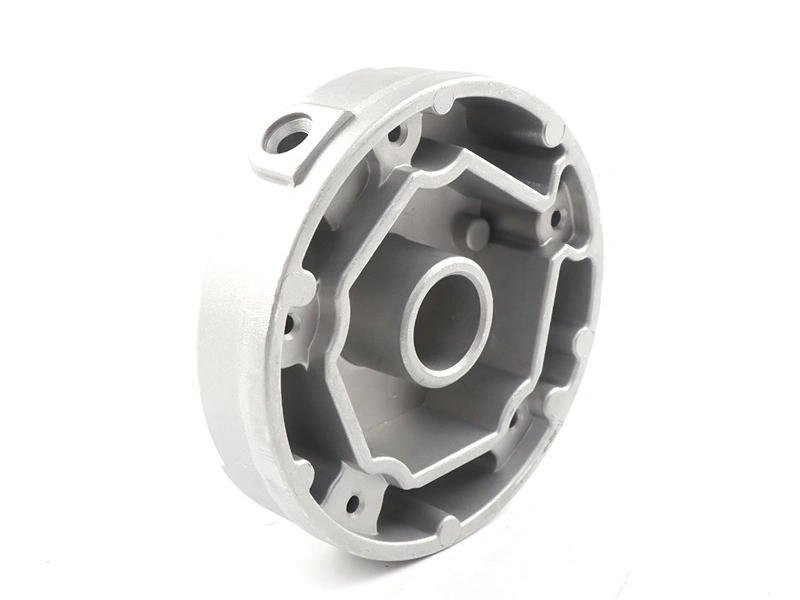
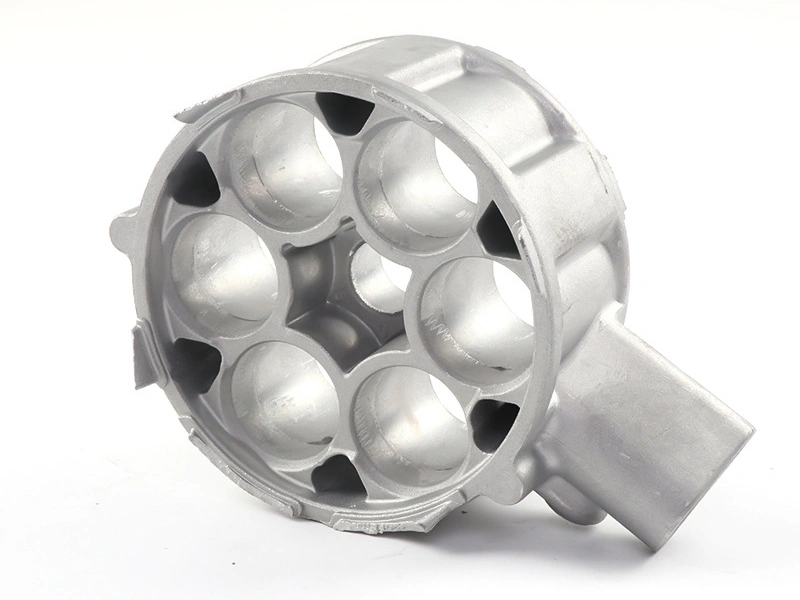
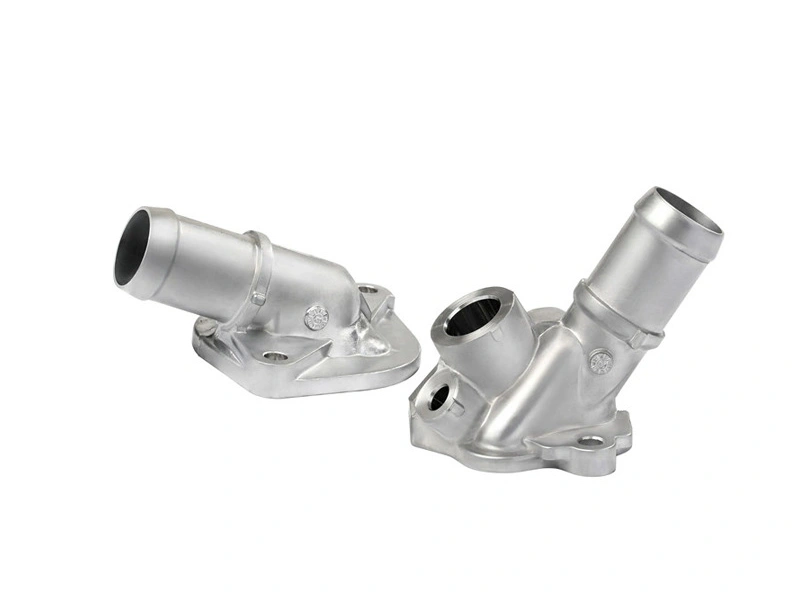
Buyers can improve aluminum die cast parts porosity control by optimizing wall thickness, avoiding local thick sections, improving ribs and bosses, discussing gate and runner design early, planning venting, controlling cooling stability, marking cosmetic surfaces, avoiding excessive polishing, selecting suitable surface finishing and establishing clear inspection criteria.
Porosity, shrinkage, flow marks and flash are not usually solved completely by polishing or coating after casting. Buyers should control these risks together through part design, die casting tooling design, casting process control, CNC machining and surface finishing.
1. Control Porosity Through Part Design
Part design is one of the first steps in controlling porosity and surface defects. Uneven wall thickness, local thick sections and poor rib or boss design can increase shrinkage and trapped gas risks.
Design Factor | Why It Matters | Risk if Ignored |
|---|---|---|
Wall thickness | Uniform wall thickness supports more stable filling and cooling | Shrinkage, porosity and deformation |
Local thick sections | Thick areas can create hot spots and shrinkage defects | Internal voids and surface sink marks |
Rib design | Ribs should add strength without creating excessive thickness | Shrinkage, weak areas or visible surface defects |
Boss design | Bosses should be designed to reduce heat concentration | Porosity near fastening or machined areas |
Corner radius | Good radius design supports smoother metal flow | Poor filling and stress concentration |
2. Control Defects Through Tooling Design
Die casting tooling design strongly affects filling quality, air release, cooling balance and part ejection. Gate, runner, venting and cooling decisions should be reviewed before mold making.
Tooling Area | Effect on Defect Control | Buyer Should Confirm |
|---|---|---|
Gate and runner design | Affects filling direction, flow marks and trapped air | Cosmetic surfaces, thick areas and filling path |
Venting planning | Helps trapped air escape during filling | Areas likely to trap air or show porosity |
Cooling stability | Controls shrinkage, warpage and dimensional stability | Hot spots, cycle time and thick sections |
Ejector pin position | Affects surface marks and part release | Visible surfaces and acceptable ejector marks |
Parting line | Affects flash, burrs and finishing work | Cosmetic surfaces and assembly areas |
3. Why Polishing and Coating Cannot Fix All Defects
Polishing, coating and painting can improve appearance, but they cannot truly eliminate internal porosity, severe shrinkage, poor metal flow or unstable casting quality. Excessive polishing may even expose pores that were hidden below the surface.
Defect Type | Can Finishing Fully Fix It? | Better Control Method |
|---|---|---|
Internal porosity | No. Polishing or coating cannot remove internal voids | Improve part design, gate design, venting and process control |
Shrinkage | No. Severe shrinkage needs design or tooling improvement | Optimize wall thickness, ribs, bosses and cooling |
Flow marks | Only partly. Finishing may reduce visibility but not solve root cause | Review gate, runner and filling strategy |
Flash | Can be trimmed, but repeated flash indicates tooling or process issues | Improve mold fit, parting line and process control |
Pores exposed by machining | No. Exposed pores often require casting process improvement | Control porosity near machined surfaces before production |
4. Control Defects Around CNC Machined Areas
Many aluminum die cast parts need CNC machining after die casting for holes, threads, sealing faces and datums. If porosity is located near machined areas, it may be exposed during cutting and cause leakage, poor appearance or rejection.
Machined Area | Defect Risk | Control Method |
|---|---|---|
Sealing faces | Exposed pores may cause leakage | Review gate, venting, cooling and machining allowance |
Mounting faces | Porosity or distortion may affect flatness | Control shrinkage and define inspection standards |
Threaded holes | Pores may reduce thread strength | Review boss design and local wall thickness |
Datum surfaces | Unstable surfaces may affect fixture and inspection | Plan stable datums and machining stock before tooling |
5. Material-Specific Defect Control
Defect control differs by material route. Custom metal casting quality review helps compare different material risks. Zinc die casting surface quality often focuses on fine details, flash and cosmetic finishing. Copper die casting quality control often focuses on functional surfaces, tool wear, machining and inspection.
6. Summary
Control Area | Main Purpose |
|---|---|
Wall thickness and local thick areas | Reduce shrinkage, porosity and deformation |
Ribs, bosses and corner radius | Improve strength, flow and thermal balance |
Gate, runner, venting and cooling | Reduce trapped gas, flow marks, shrinkage and unstable dimensions |
Cosmetic surface planning | Reduce visible defects and appearance disputes |
CNC machining and inspection planning | Prevent exposed pores and functional surface failures |
In summary, buyers can control porosity and surface defects in aluminum die cast parts by optimizing part design, tooling design, venting, cooling, cosmetic surface planning, CNC machining areas and inspection standards. Polishing and coating can improve appearance, but they cannot fully fix porosity, shrinkage or poor casting quality caused by design or tooling problems.