How Can Buyers Decide If Aluminum Is the Right Material for Die Casting?
How Can Buyers Decide If Aluminum Is the Right Material for Die Casting?
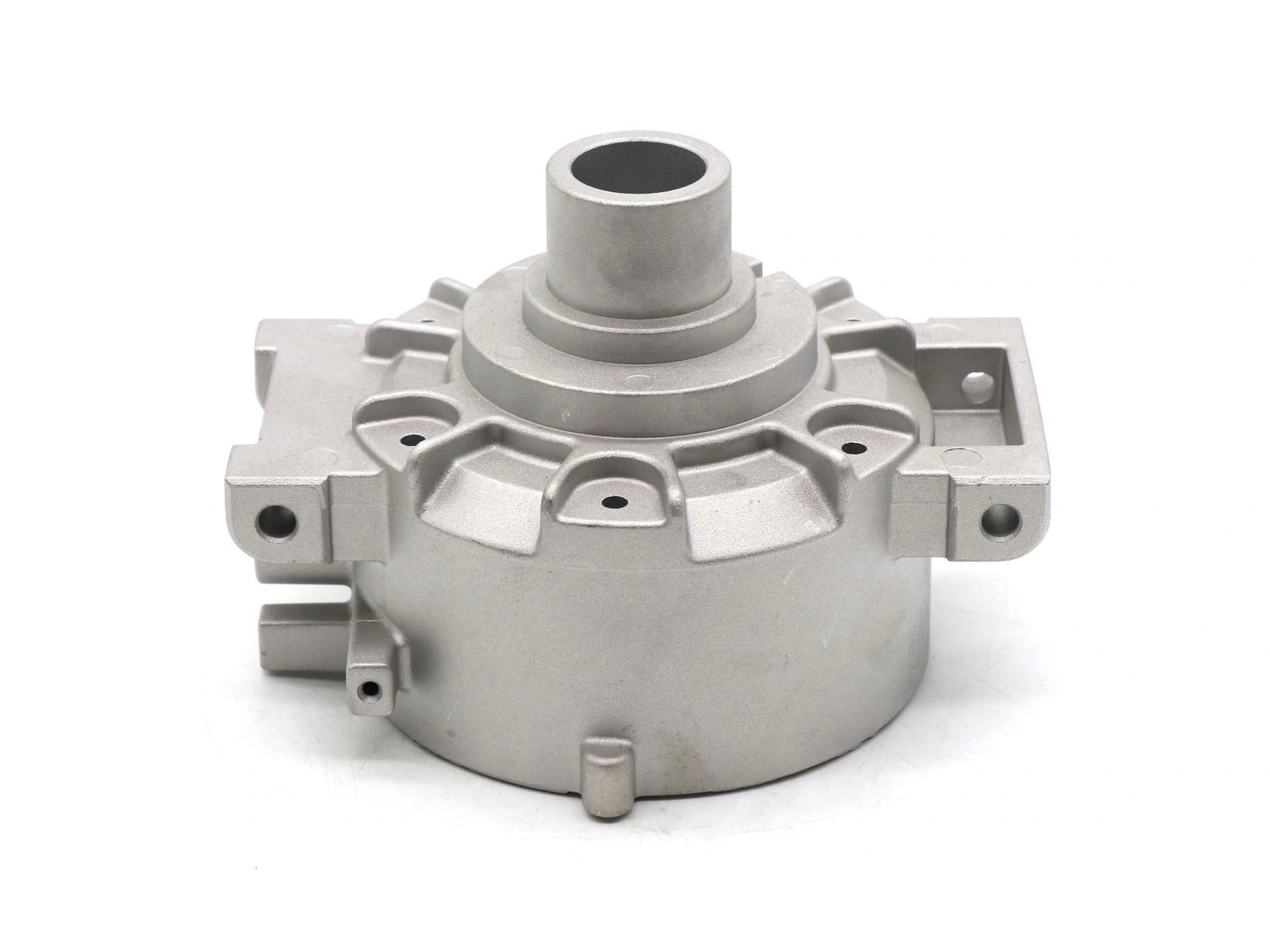
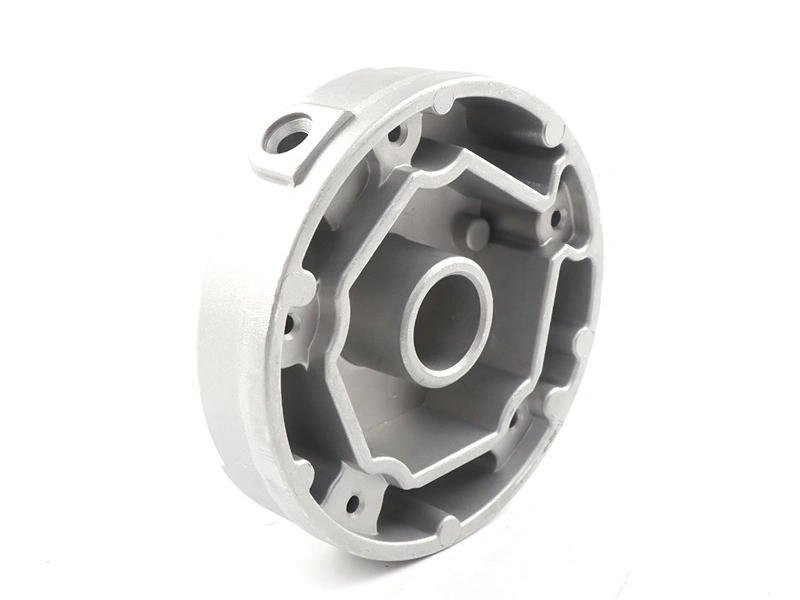
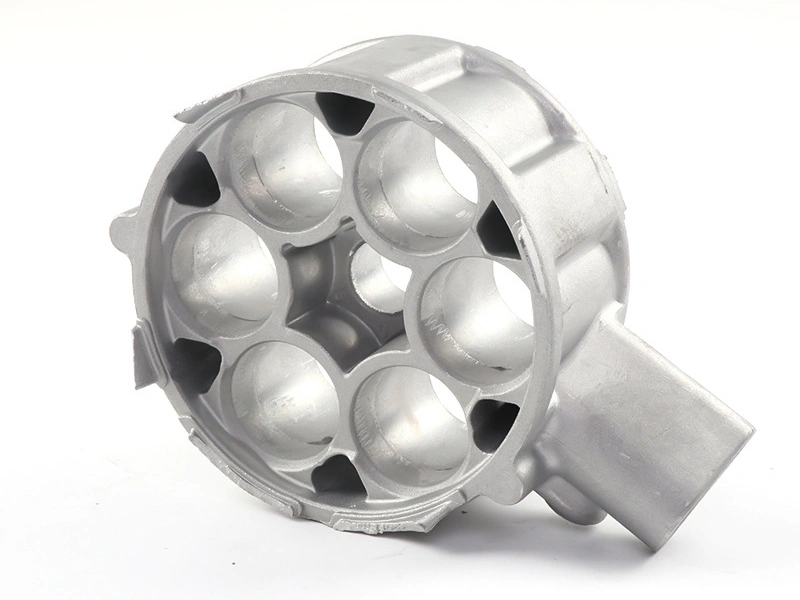
Buyers can decide if aluminum is the right material for aluminum die casting by checking whether the part needs lightweight structure, heat dissipation, moderate strength, complex geometry, surface finishing, local CNC machining and stable repeat production. Aluminum is suitable when the product needs both manufacturability and long-term production efficiency.
This FAQ is useful for buyers who are still comparing material and manufacturing routes. Many buyers know they need metal parts but are not sure whether to choose aluminum die casting, zinc die casting, copper die casting or full CNC machining.
1. Check Whether Product Function Fits Aluminum Die Casting
Product Requirement | Why Aluminum May Fit | Buyer Benefit |
|---|---|---|
Lightweight design | Aluminum is suitable when the part needs lower weight than many other metal options | Supports lighter housings, covers, brackets and structural parts |
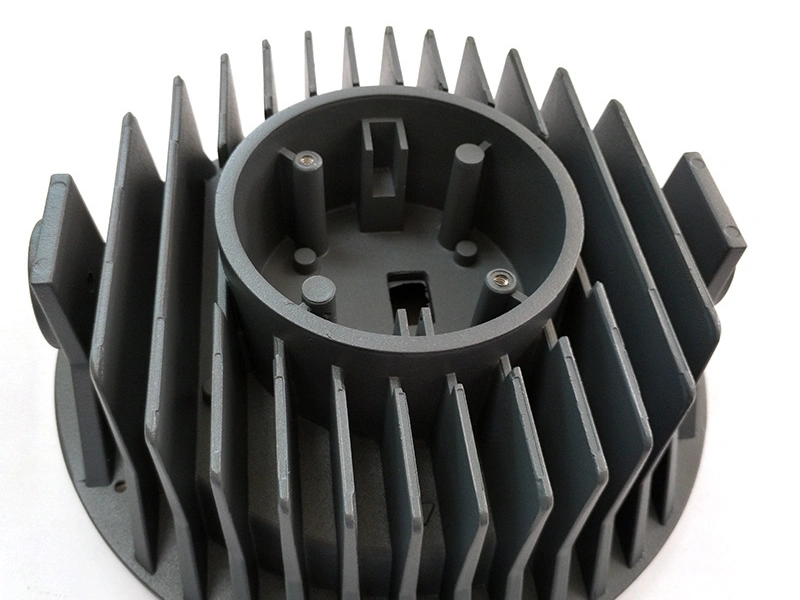
Heat dissipation | Aluminum is often used for parts that need heat transfer or cooling features | Supports heat sink housings, lighting housings and electronic enclosures |
Moderate strength | Aluminum die cast parts can support many structural and assembly applications | Helps balance weight, strength and production cost |
Complex geometry | Die casting can form ribs, bosses, mounting features and housing shapes efficiently | Reduces full CNC machining work for complex shapes |
2. Compare Aluminum With Other Material Routes
Before choosing die casting aluminum, buyers should compare product function, material performance, tooling investment, CNC machining scope and production volume. A broader custom metal casting service review can help confirm the best route.
Material Route | Common Fit | Buyer Should Check |
|---|---|---|
Aluminum die casting | Lightweight housings, heat sink parts, covers, brackets and medium to high volume parts | Weight, heat dissipation, tooling cost, machining areas and surface finish |
Small detailed parts, decorative parts and precision components | Part size, surface detail, coating needs and dimensional stability | |
Conductive, thermal, wear-resistant or special functional parts | Conductivity, heat transfer, wear resistance and total cost | |
Full CNC machining | Prototypes, low volume parts or parts with high precision on many surfaces | Quantity, machining time, material removal and long-term unit cost |
3. Confirm Machining, Tooling and Finishing Needs
Die casting aluminum projects should be evaluated with tooling, CNC machining and surface finishing together. If the part has threaded holes, sealing faces, assembly surfaces or cosmetic areas, these requirements should be confirmed before aluminum die casting tooling begins.
Project Need | Buyer Should Confirm | Risk Reduced |
|---|---|---|
CNC machining | Threaded holes, sealing faces, datum surfaces, flatness areas and mounting holes | Machining cost increase and rejected features |
Surface finishing | Painting, powder coating, polishing, coating thickness, color and masking | Unstable appearance and assembly interference after coating |
Tooling investment | Annual demand, cavity number, trial samples and expected repeat production | Tooling investment not matching real order volume |
4. Understand Risks if Material Selection Is Wrong
If aluminum is selected without checking product function, production volume and finishing requirements, the project may pass early samples but fail in long-term production.
Selection Risk | Possible Cause | Buyer Impact |
|---|---|---|
Weight or heat performance is not enough | Material was selected without reviewing product function | Product redesign or material change |
Surface treatment is unstable | Surface finish compatibility was not reviewed early | Appearance rejection and rework |
CNC machining cost increases | Too many precision features were not evaluated before route selection | Higher unit cost and quotation changes |
Tooling investment is not justified | Repeat production demand is not stable enough | Higher total cost for low volume projects |
5. Summary
Decision Area | Main Purpose |
|---|---|
Lightweight, heat and strength requirements | Confirm whether aluminum fits product function |
Complex geometry and repeat production | Check whether die casting is commercially suitable |
CNC machining and surface finishing | Estimate total production cost and risk |
Material and process comparison | Reduce wrong material route selection |
In summary, buyers should choose die casting aluminum when the part needs lightweight design, heat dissipation, complex geometry, local CNC machining after aluminum die casting and repeat production efficiency. A supplier that can provide material evaluation and DFM review can reduce selection mistakes and long-term production risk.