How Can Buyers Decide If Aluminum Pressure Die Casting Fits Production Volume?
How Can Buyers Decide If Aluminum Pressure Die Casting Fits Production Volume?
Buyers can decide if aluminum pressure die casting fits production volume by comparing annual demand, tooling investment, part complexity, CNC machining scope, surface finishing needs and long-term repeat order potential. It is usually more suitable when the design is stable and the project needs repeat production rather than only a few prototypes.
This FAQ is useful for buyers who have aluminum part demand but are not sure whether to continue with CNC machining, prototype samples or move into pressure die casting tooling. The decision should be based on total production plan, not only the first order quantity.
1. Check Whether the Project Has Repeat Production Potential
Production Factor | What Buyers Should Check | Why It Matters |
|---|---|---|
Annual demand | Whether the quantity is stable enough for tooling investment | Helps determine whether tooling cost can be amortized |
Design stability | Whether the design has passed prototype validation and is mostly frozen | Reduces mold modification risk after tooling starts |
Repeat orders | Whether the buyer expects repeated batch production | Improves long-term unit cost control |
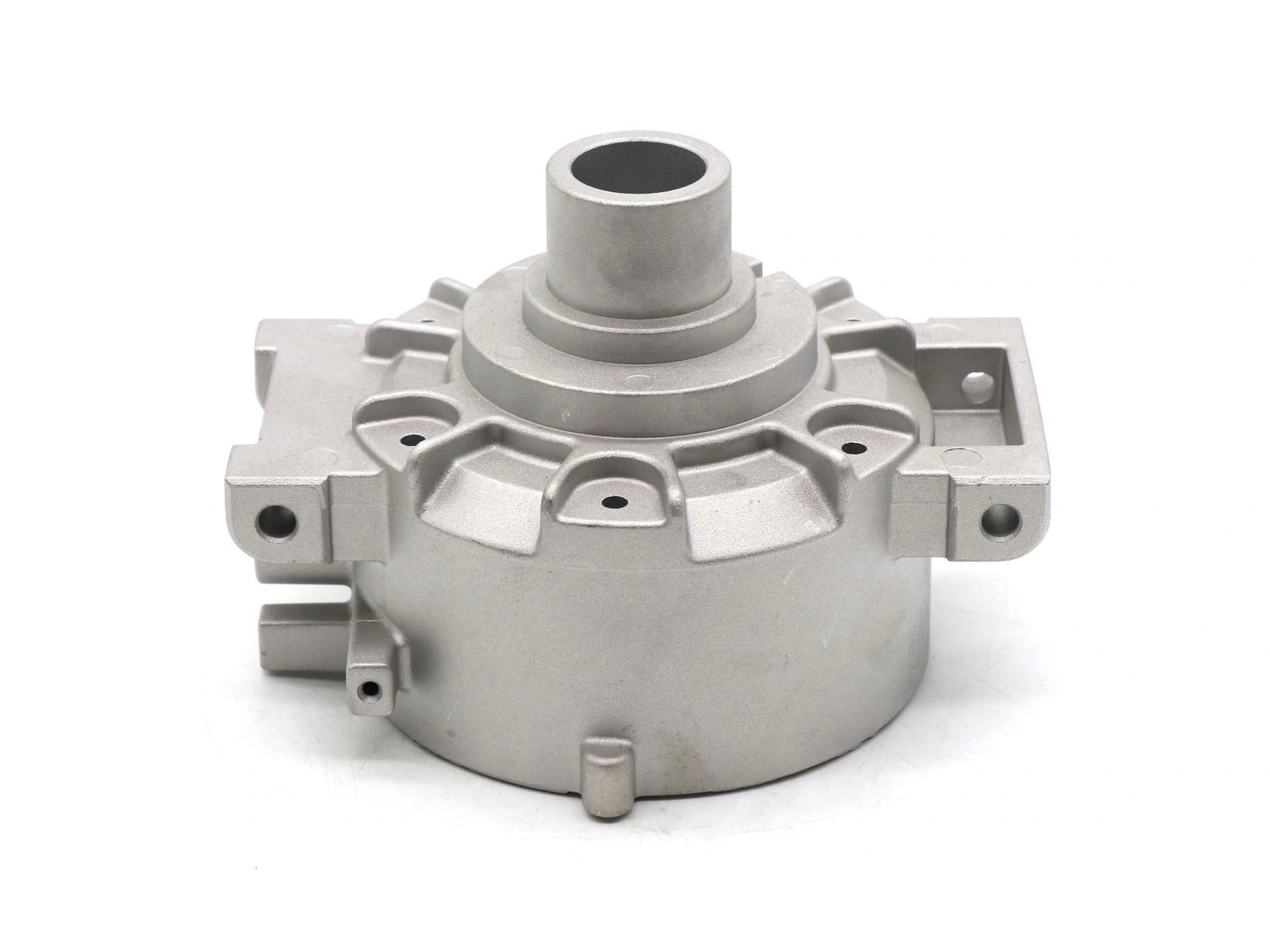
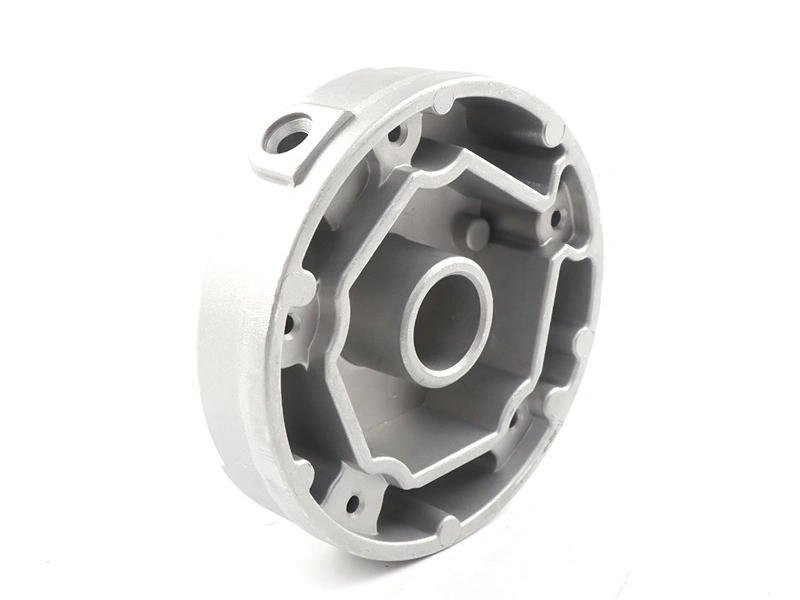
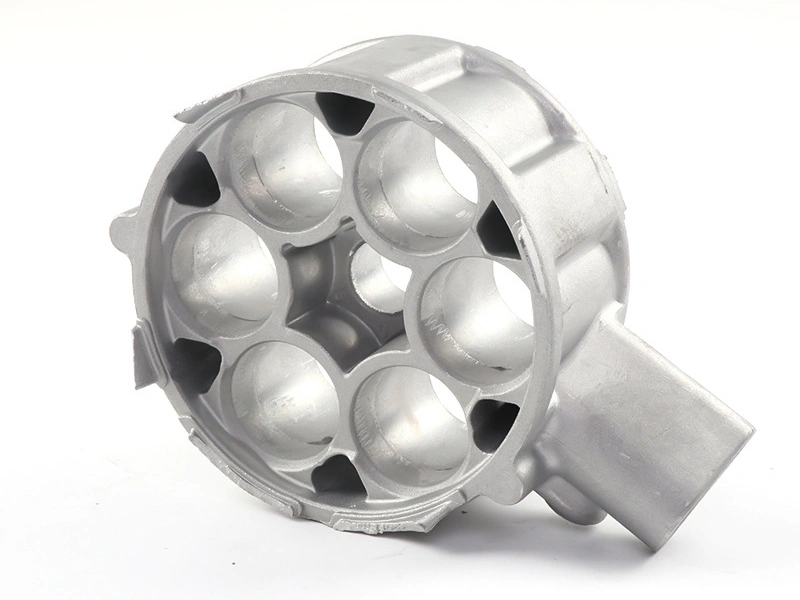
Part complexity | Whether the part has housings, ribs, bosses or complex shapes | Die casting can reduce full CNC machining work |
2. Compare Tooling Investment With Long-Term Unit Cost
Aluminum pressure die casting usually requires tool and die making before production. Buyers should compare the upfront tooling cost with long-term unit cost, CNC machining cost, finishing cost and repeat order plan.
Cost Area | Buyer Should Evaluate | Risk if Ignored |
|---|---|---|
Tooling cost | Mold cost, cavity number, trial samples and possible modification | Tooling investment cannot be recovered |
Unit cost | Expected cost after stable batch production | Wrong process route and high long-term cost |
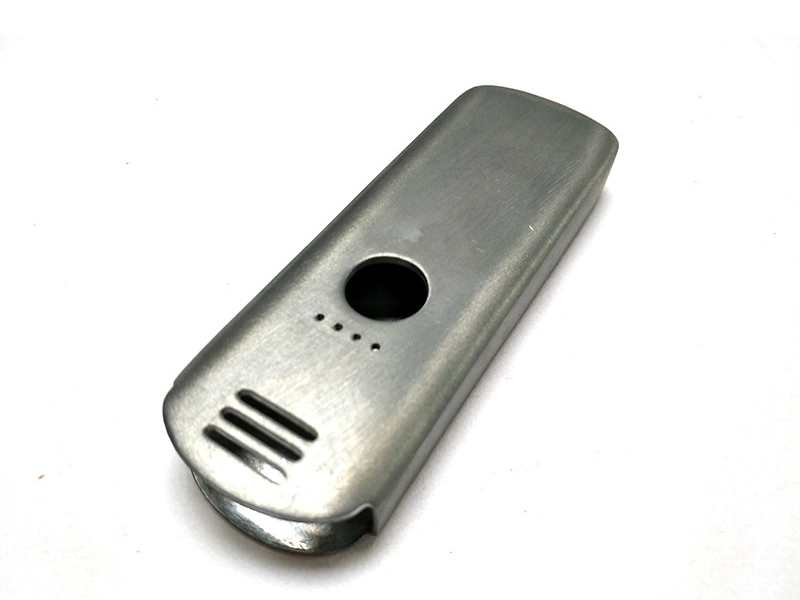
CNC machining scope | Whether only local holes, threads, datums or sealing faces need machining | Over-machining or underestimated cost |
Surface finishing | Painting, powder coating, polishing, cosmetic inspection and packaging | Quotation changes and delivery delays |
3. Know When Prototype or CNC Machining May Be Better
If the project only needs a few validation parts, or the design is still changing, buyers may start with prototype samples or CNC machining after aluminum die casting planning rather than immediately investing in production tooling.
Project Situation | Better Starting Point | Reason |
|---|---|---|
Only a few prototypes are needed | Prototype or CNC machined samples | Avoids early tooling investment |
Design is not frozen | Prototype validation first | Reduces mold modification risk |
Repeat volume is stable | Aluminum pressure die casting | Supports long-term production cost control |
Part has complex casting features | Die casting with local CNC machining | Balances near-net shape production and precision areas |
4. Compare Related Casting Routes When Needed
A broader custom metal casting production review can help buyers compare aluminum with zinc die casting production parts for small precision components or copper die casting production for conductive or functional parts.
5. Summary
Decision Factor | Main Purpose |
|---|---|
Annual demand and repeat orders | Confirm whether tooling investment is justified |
Design stability | Reduce mold modification and trial sample delay |
Part complexity | Check whether die casting can reduce full machining cost |
CNC machining and surface finishing scope | Estimate total production cost more accurately |
In summary, aluminum pressure die casting fits production volume best when the design is stable, repeat orders are expected and tooling cost can be shared across production. Buyers should choose suppliers that can evaluate tooling, CNC machining, surface finishing and batch production together before the project starts.