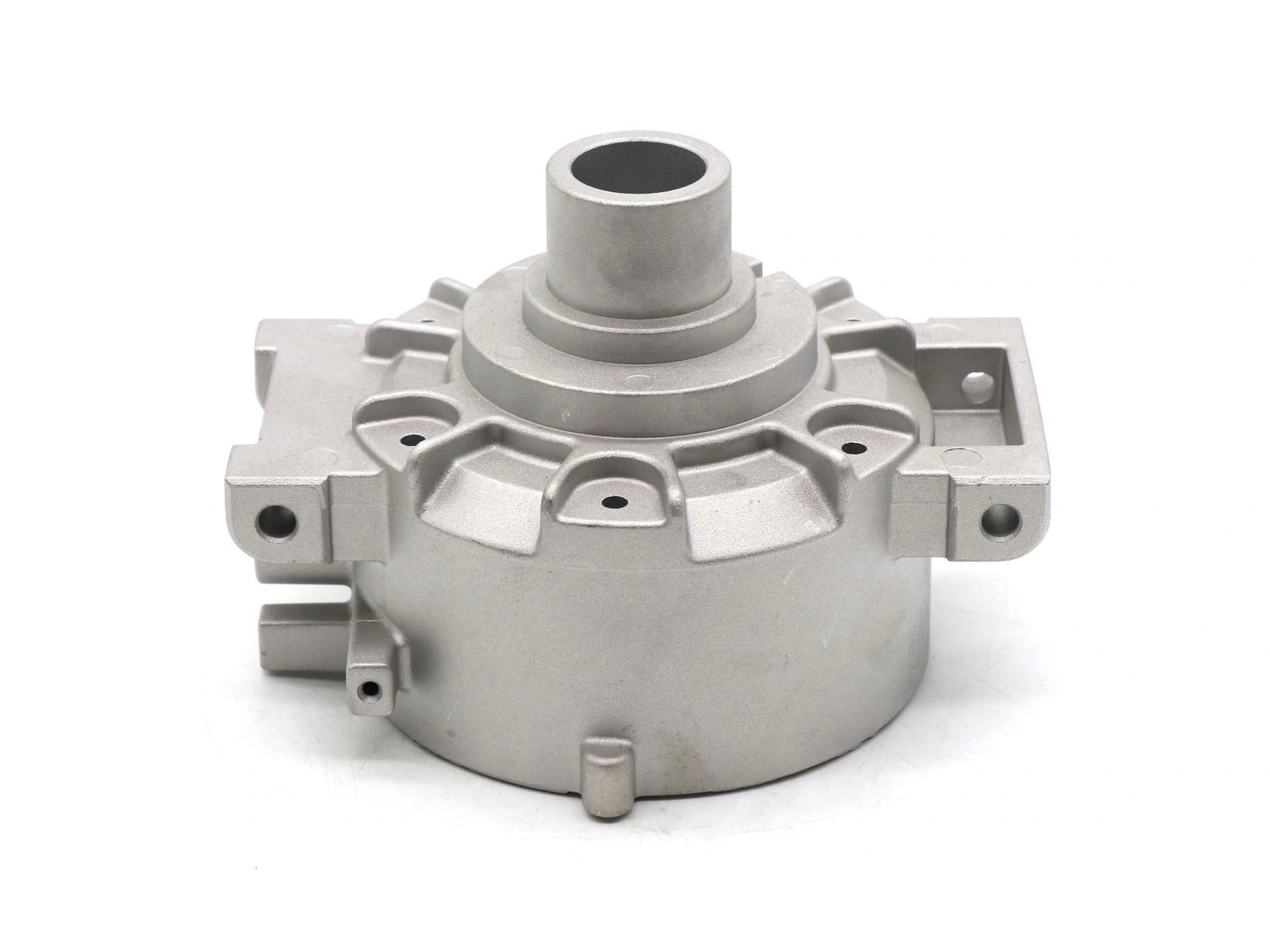
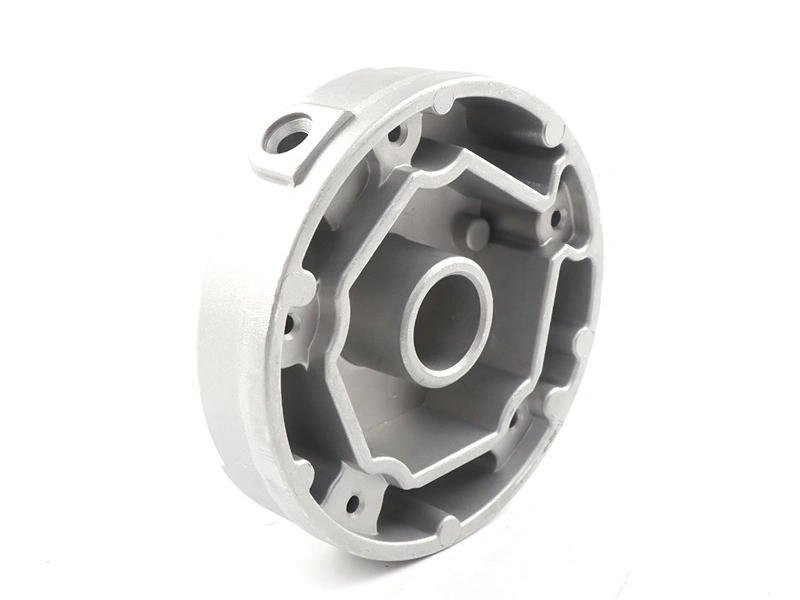
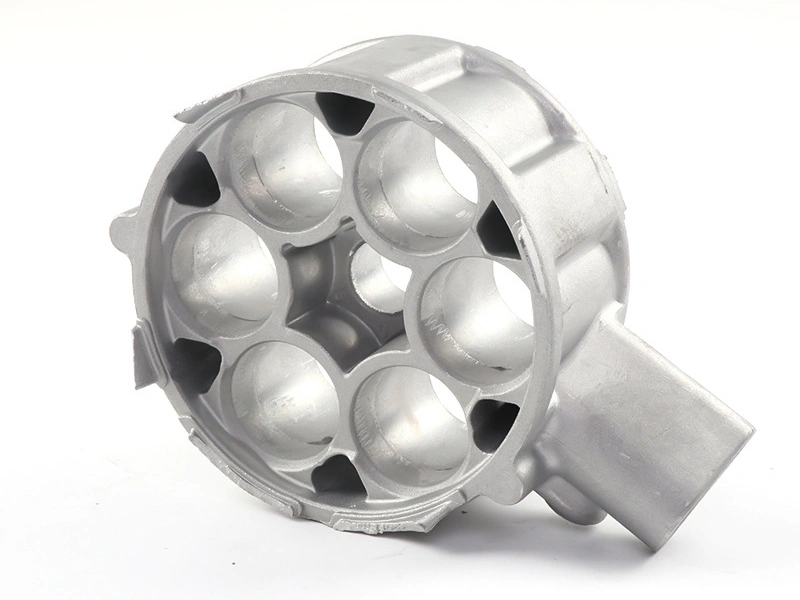
How Can Buyers Prevent Material, Tooling and Machining Conflicts?
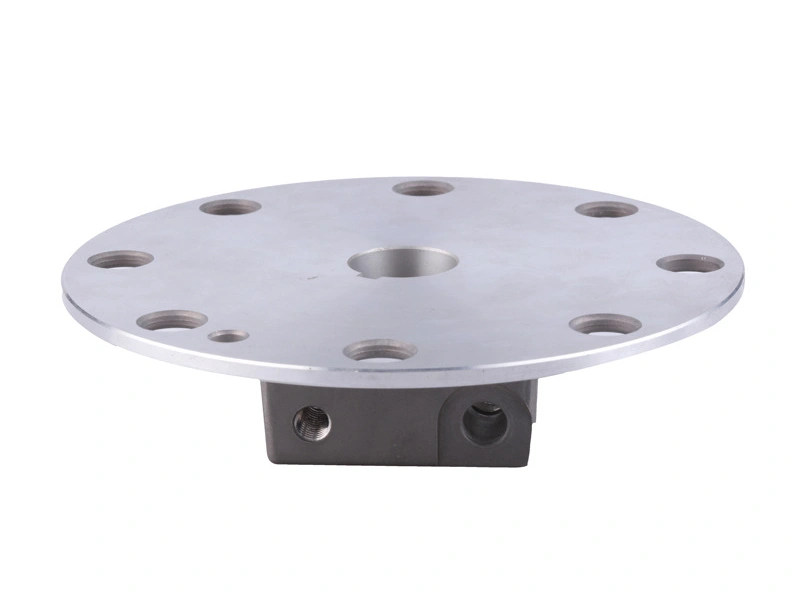
How Can Buyers Prevent Material, Tooling and Machining Conflicts?
Buyers can prevent material, tooling and machining conflicts by confirming aluminum alloy direction, mold design requirements, machining allowance, datum surfaces, critical dimensions, cosmetic surfaces, finishing requirements and inspection standards before tooling begins.
This FAQ is useful for projects that involve material selection, mold making and post-machining at the same time. In die casting aluminum projects, material, tooling and CNC machining decisions can easily conflict if they are reviewed separately.
1. Confirm Material and Product Function Before Tooling
Material Review Area | Buyer Should Confirm | Risk Reduced |
|---|---|---|
Aluminum alloy direction | Whether the material fits strength, weight, heat, surface finish and cost targets | Wrong material selection and later redesign |
Part function | Whether the part is a housing, cover, bracket, pump body, motor cover or heat sink | Wrong process assumptions and inspection focus |
Critical performance areas | Sealing, fastening, heat transfer, mounting, positioning or load-bearing areas | Functional failure after sample approval |
2. Connect Tooling Design With Machining Requirements
Tool and die making should consider filling, venting, cooling, machining allowance, datum surfaces and cosmetic surfaces before mold design is finalized. Many conflicts are already decided during mold design.
Conflict Area | What Should Be Coordinated | Buyer Risk if Ignored |
|---|---|---|
Machining allowance | Stock for holes, threads, sealing faces, datums and flatness areas | Machined surfaces fail to clean up |
Filling and venting | Gate, runner, venting and overflow planning around critical features | Porosity near machined or sealing areas |
Parting line position | Whether parting lines affect sealing faces, machined areas or cosmetic surfaces | Functional defects and appearance disputes |
Ejector pin marks | Whether ejector marks affect visible surfaces, datums or clamping areas | Fixture difficulty and cosmetic rejection |
3. Coordinate CNC Machining, Finishing and Inspection
For die casting aluminum with machining, the CNC machining team should join the tooling review early. The supplier should also check whether coating, polishing or masking will affect machined features and assembly surfaces.
Process Requirement | What Buyers Should Confirm | Risk Reduced |
|---|---|---|
Datum surfaces | Fixture positioning, machining sequence and inspection reference | Batch dimension variation |
Threaded holes | Thread depth, gauge inspection, burr removal and coating impact | Fastening failure and assembly rework |
Sealing faces | Flatness, roughness, porosity acceptance and inspection method | Leakage and functional rejection |
Surface finishing | Coating thickness, masking, cosmetic surfaces and final inspection | Fit problems and appearance disputes |
4. Understand Common Conflict Risks
If material, tooling and machining are not planned together, a part can pass raw casting approval but fail after CNC machining, finishing or assembly.
Common Conflict | Likely Cause | Buyer Impact |
|---|---|---|
Machining exposes porosity | Machined areas were not reviewed with filling and venting risk | Sealing failure, scrap and rework |
Fixture positioning is difficult | Datum surfaces were not planned before tooling | Unstable machining and inspection disputes |
Coating causes assembly interference | Masking and coating thickness were not confirmed early | Assembly delay and rework |
Threaded holes are unstable | Machining allowance, burr control or inspection method was not defined | Fastening failure in production |
5. Summary
Coordination Area | Main Purpose |
|---|---|
Material, product function and critical areas | Confirm the correct aluminum die casting route |
Tooling, filling, venting and machining allowance | Prevent mold design from creating machining conflicts |
Datums, sealing faces, threaded holes and inspection | Protect functional reliability and repeatability |
Surface finishing, masking and cosmetic surfaces | Reduce coating problems and appearance disputes |
In summary, buyers can prevent material, tooling and machining conflicts by reviewing aluminum die casting, tooling, CNC machining after aluminum die casting, surface finishing and inspection before mold making. A coordinated supplier can reduce machining disputes, sample rework and batch production risk.