How Can Buyers Prevent Warpage in High Pressure Aluminum Die Cast Parts?
How Can Buyers Prevent Warpage in High Pressure Aluminum Die Cast Parts?
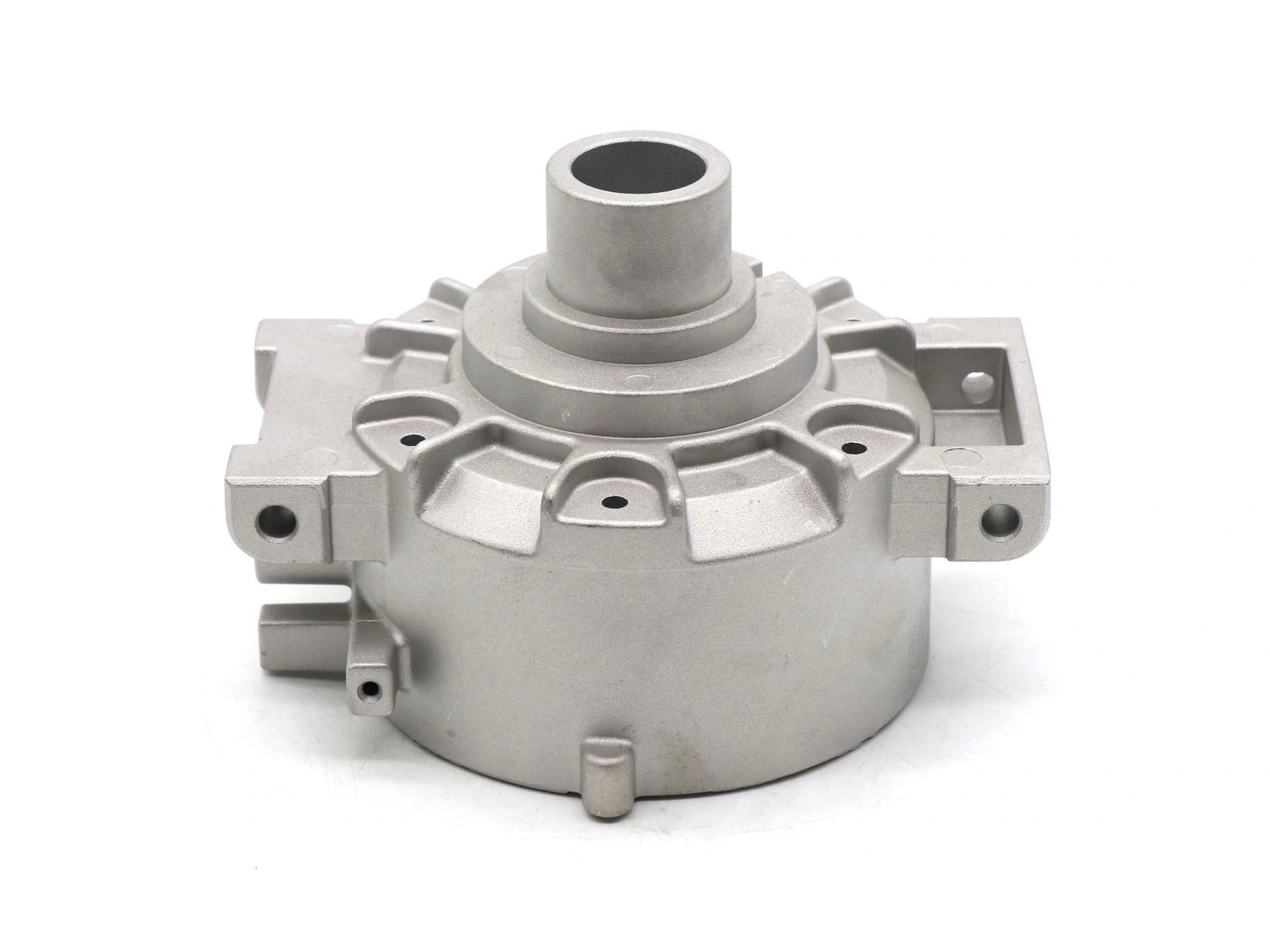
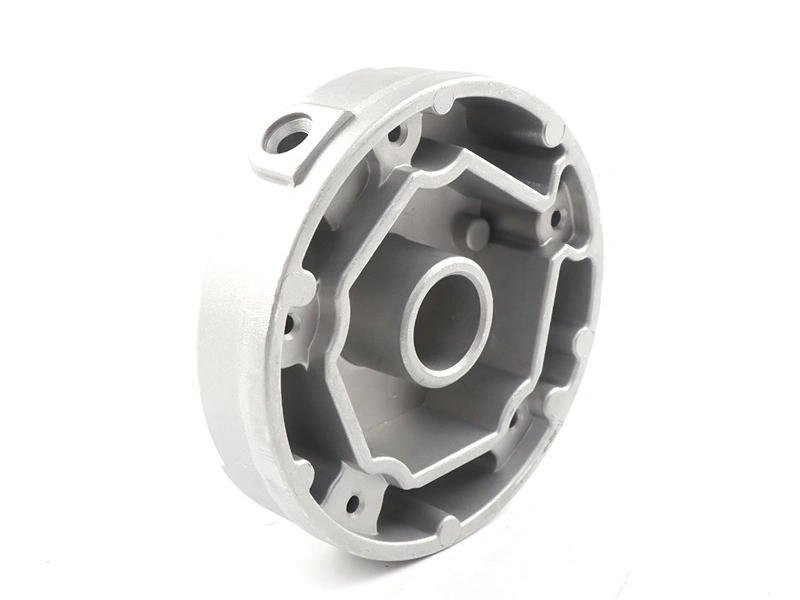
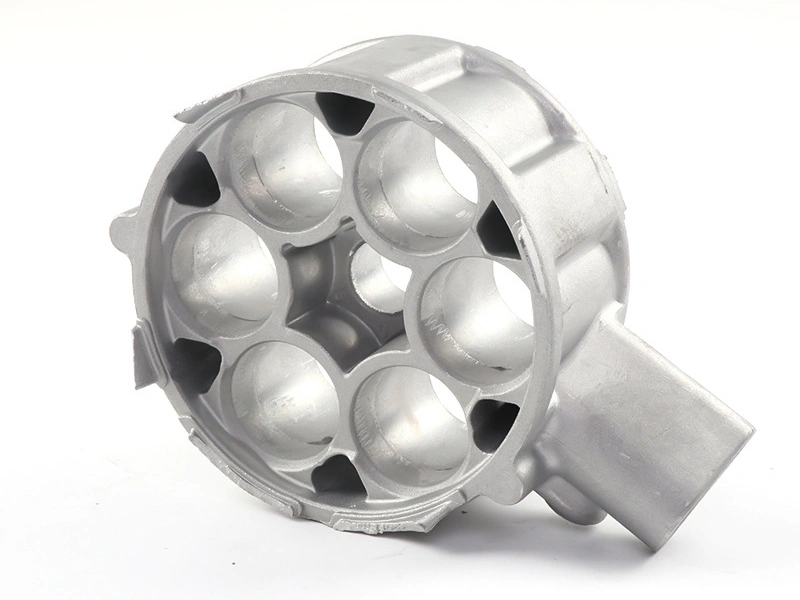
Buyers can improve warpage control in aluminum die casting by avoiding large wall thickness changes, optimizing ribs and support features, reducing local thick sections, planning cooling correctly, reviewing gate location, controlling ejector pin layout and validating flatness during trial samples.
Warpage in high pressure aluminum die casting parts usually comes from the combined influence of design, tooling, cooling and post-machining. Buyers should review flatness, assembly faces and CNC machining after aluminum die casting before mold making, not after mass production begins.
1. Reduce Wall Thickness Variation
Design Issue | Why It Causes Warpage | Better Practice |
|---|---|---|
Large thickness changes | Thick and thin areas cool at different speeds | Use smoother transitions and balanced wall thickness |
Local thick sections | Hot spots can shrink differently from nearby thin areas | Reduce unnecessary thick material or use ribs for strength |
Large unsupported flat areas | Wide surfaces may deform during cooling or ejection | Add suitable support features and review flatness early |
2. Optimize Ribs, Support Features and Cooling
Ribs and support features can reduce deformation when they are designed correctly. However, ribs that are too thick, poorly connected or difficult to fill may create shrinkage and new warpage problems.
Control Method | How It Helps | Risk if Not Reviewed |
|---|---|---|
Rib optimization | Improves stiffness without making the whole wall thicker | Shrinkage, short filling or weak support |
Support feature planning | Helps protect assembly and mounting surfaces from deformation | Flatness failure and assembly gaps |
Cooling design | Balances cooling across thick, thin and flat areas | Warpage, dimensional drift and batch inconsistency |
3. Review Tooling, Gate and Ejector Layout
Aluminum die casting tooling affects how the part fills, cools and releases from the mold. Gate location, cooling channel layout and ejector pin position should be reviewed for flatness control and assembly face protection.
Tooling Factor | Why It Affects Warpage | Buyer Should Confirm |
|---|---|---|
Gate location | Filling direction affects internal stress and flow balance | Whether gate location supports stable filling |
Cooling layout | Uneven cooling can distort wide or thin sections | Whether cooling is balanced around critical areas |
Ejector pin layout | Uneven ejection can bend thin or wide parts | Whether ejectors avoid cosmetic and datum surfaces |
4. Control Post-Machining and Flatness Risk
Some warpage problems appear after machining because stress is released or the part is not fixtured correctly. Buyers should define machining allowance, datum surfaces, flatness requirements and inspection methods before tooling.
Post-Machining Factor | Why It Matters | Risk Reduced |
|---|---|---|
Machining allowance | Enough stock is needed on critical faces without excessive cutting | Exposed pores, unstable flatness and rework |
Fixture planning | Stable fixturing prevents distortion during machining | Flatness variation and inconsistent dimensions |
Trial sample inspection | Flatness and assembly faces should be checked before production | Repeat production rejection |
5. Compare Batch Quality Across Material Routes
Warpage and batch quality should be reviewed across different casting routes when needed. Zinc die casting batch consistency may be better for small precision parts, while copper die casting quality control may be important for functional parts. A custom metal casting quality review helps compare the options.
6. Summary
Warpage Control Area | Main Purpose |
|---|---|
Wall thickness and local thick sections | Reduce uneven cooling and shrinkage stress |
Ribs and support features | Improve stiffness without creating new defects |
Gate, cooling and ejector layout | Control filling, cooling and part release stability |
CNC machining and flatness inspection | Prevent post-machining deformation and assembly failure |
In summary, buyers can prevent warpage in high pressure aluminum die cast parts by reviewing design, ribs, wall thickness, tooling, cooling, ejection, machining allowance and trial sample flatness before mass production. Warpage control must be planned before tooling, not corrected only after defects appear.