How Can Buyers Reduce Full CNC Machining Work on Aluminum Casting Parts?
How Can Buyers Reduce Full CNC Machining Work on Aluminum Casting Parts?
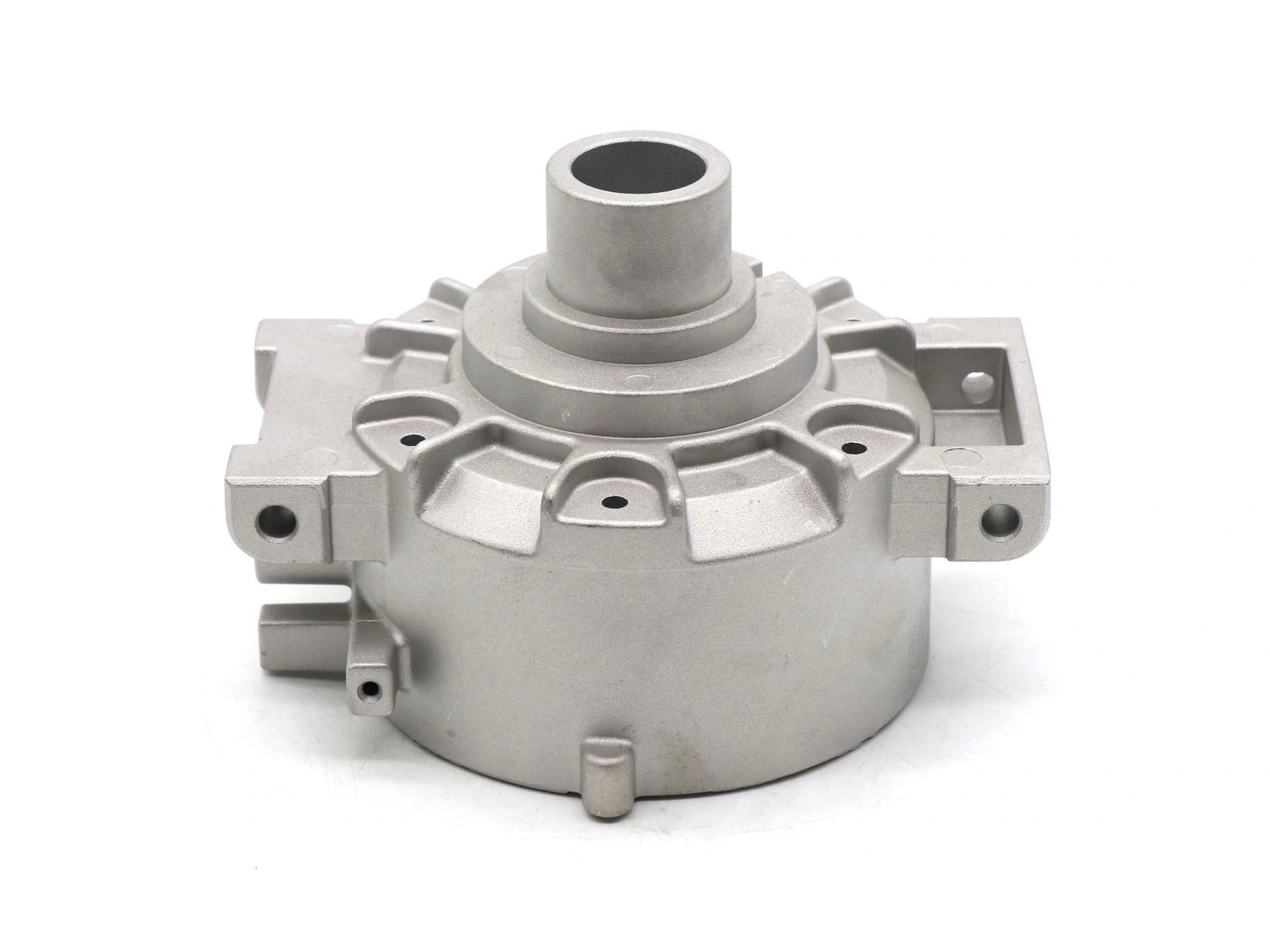
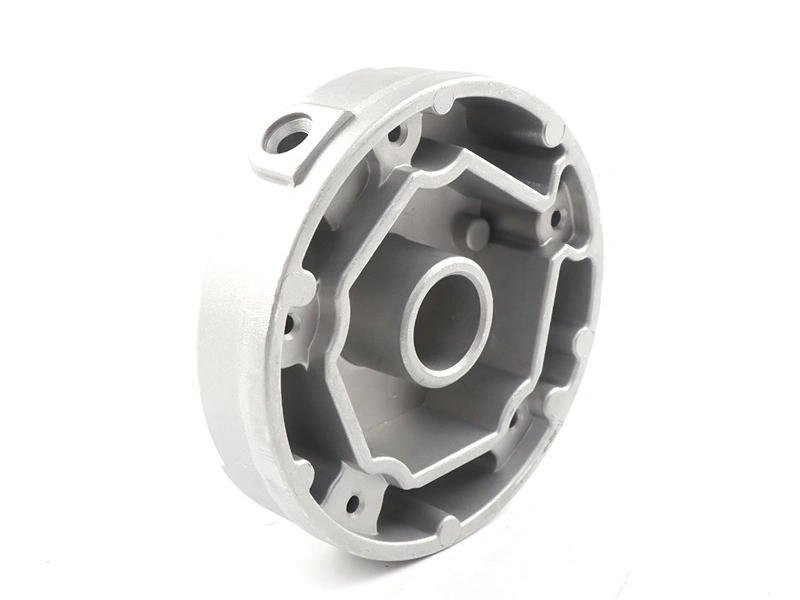
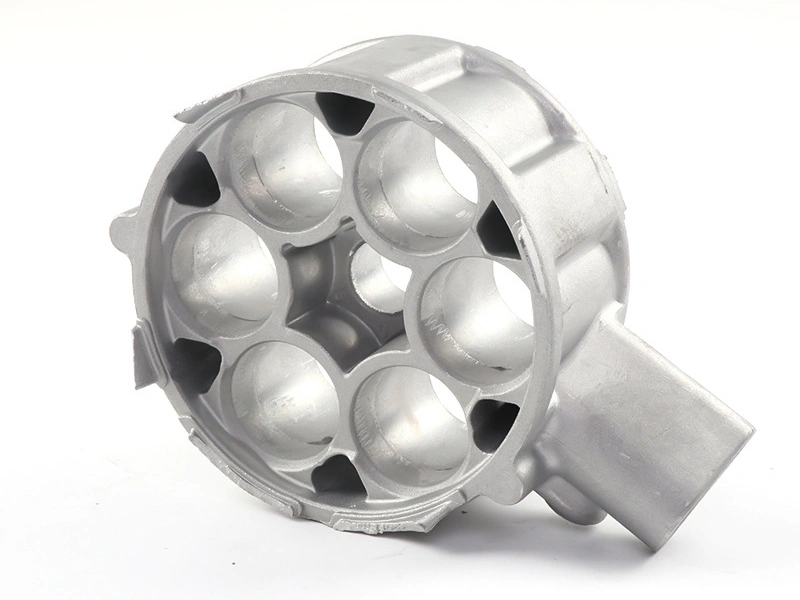
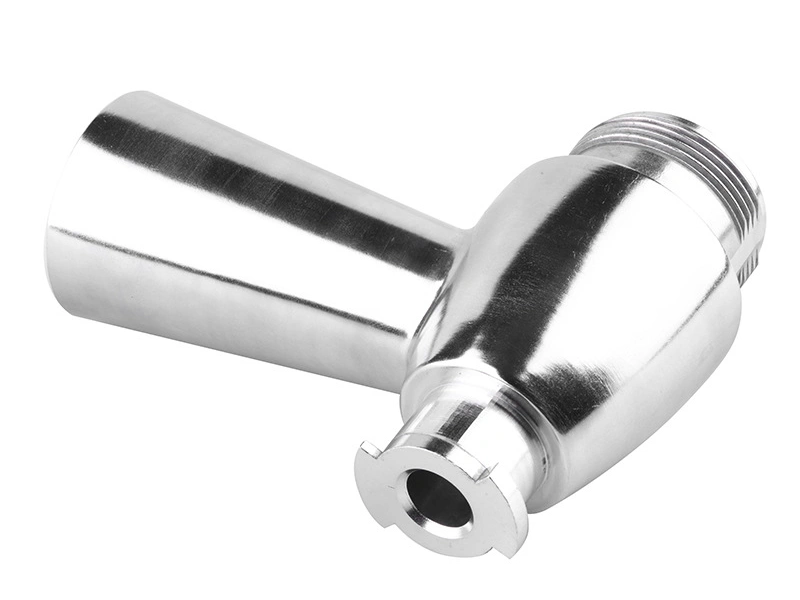
Buyers can reduce CNC machining on aluminum casting parts by using die casting to form the main complex shape, machining only critical features, keeping non-functional surfaces as-cast, setting reasonable tolerances, grouping holes and threads, confirming datum surfaces early and planning machining allowance before tooling.
Aluminum casting parts should not always be designed like fully CNC machined parts. A better strategy is to use die casting for near-net shape production and apply CNC machining for aluminum casting parts only where assembly, sealing, fastening or high tolerance performance requires it.
1. Use Die Casting to Form Complex Shapes
Design Choice | How It Reduces CNC Work | Buyer Benefit |
|---|---|---|
Cast the main housing shape | Forms walls, ribs, bosses and mounting features without full billet machining | Reduces material removal and machining time |
Cast non-critical surfaces | Allows hidden or non-functional surfaces to stay as-cast | Reduces unnecessary cutting and inspection |
Integrate features into casting | Reduces separate parts and secondary assembly work | Improves production efficiency |
2. Machine Only Critical Features
Critical features should be machined when they affect fit, sealing, fastening, location or function. Non-critical surfaces should not automatically be machined unless there is a clear functional reason.
Feature Type | Recommended Process | Why It Helps |
|---|---|---|
Threaded holes | CNC machining | Controls fastening strength and thread quality |
Mounting holes | CNC machining where position matters | Improves assembly alignment |
Sealing faces | CNC machining when flatness or roughness is critical | Improves sealing reliability |
Non-functional surfaces | As-cast surface planning | Reduces machining cost and lead time |
3. Plan Holes, Threads, Datums and Fixtures Early
Holes, threads and datum surfaces should be grouped logically where possible. This can reduce fixture complexity, secondary setups and inspection workload.
Planning Item | Why It Reduces Machining Work | Production Risk Reduced |
|---|---|---|
Grouped holes and threads | Can reduce tool changes, setups and fixture complexity | Machining variation and longer cycle time |
Clear datum surfaces | Improves fixture positioning and inspection repeatability | Unstable dimensions and rework |
Avoid difficult-to-hold shapes | Reduces special fixture requirements | Higher fixture cost and alignment issues |
Machining allowance before tooling | Ensures critical surfaces can clean up properly | Rejected machined features |
4. Validate the Machining Plan With Trial Samples
Trial samples should confirm whether die casting and machining work together. Buyers should review machined holes, threaded areas, sealing faces, datums, burrs, surface finish and inspection reports before repeat production.
Trial Sample Check | What It Confirms | Buyer Value |
|---|---|---|
Machining cleanup | Whether the reserved allowance is enough | Reduces scrap and rework |
Fixture stability | Whether parts locate consistently during CNC machining | Improves batch repeatability |
Inspection result | Whether critical machined features meet the drawing | Improves production approval confidence |
5. Compare Machined Features Across Materials
For other process routes, zinc die casting machined features may be suitable for small precision parts, while copper die casting machined parts may require more attention to contact faces and functional surfaces. A custom metal casting service review helps select the best route.
6. Summary
Method to Reduce Full CNC Machining | Main Value |
|---|---|
Use die casting for complex shape | Reduces full-part material removal |
Machine only critical features | Controls function without over-machining |
Keep non-functional surfaces as-cast | Reduces machining time and inspection cost |
Plan datums and machining allowance before tooling | Improves fixture stability and reduces rework |
Validate with trial samples | Confirms the machining plan before repeat production |
In summary, buyers can reduce full CNC machining work by using die casting for complex shapes and applying CNC machining only to critical functional features. This helps control long-term production cost while keeping assembly and quality requirements stable.