How Can Buyers Reduce Porosity Exposure on Machined Aluminum Areas?
How Can Buyers Reduce Porosity Exposure on Machined Aluminum Areas?
Buyers can reduce porosity exposure on machined aluminum areas by identifying sealing faces, threaded holes, flat contact faces, bearing holes and datum surfaces before tooling, then coordinating gate design, venting, machining allowance and inspection methods around those critical areas.
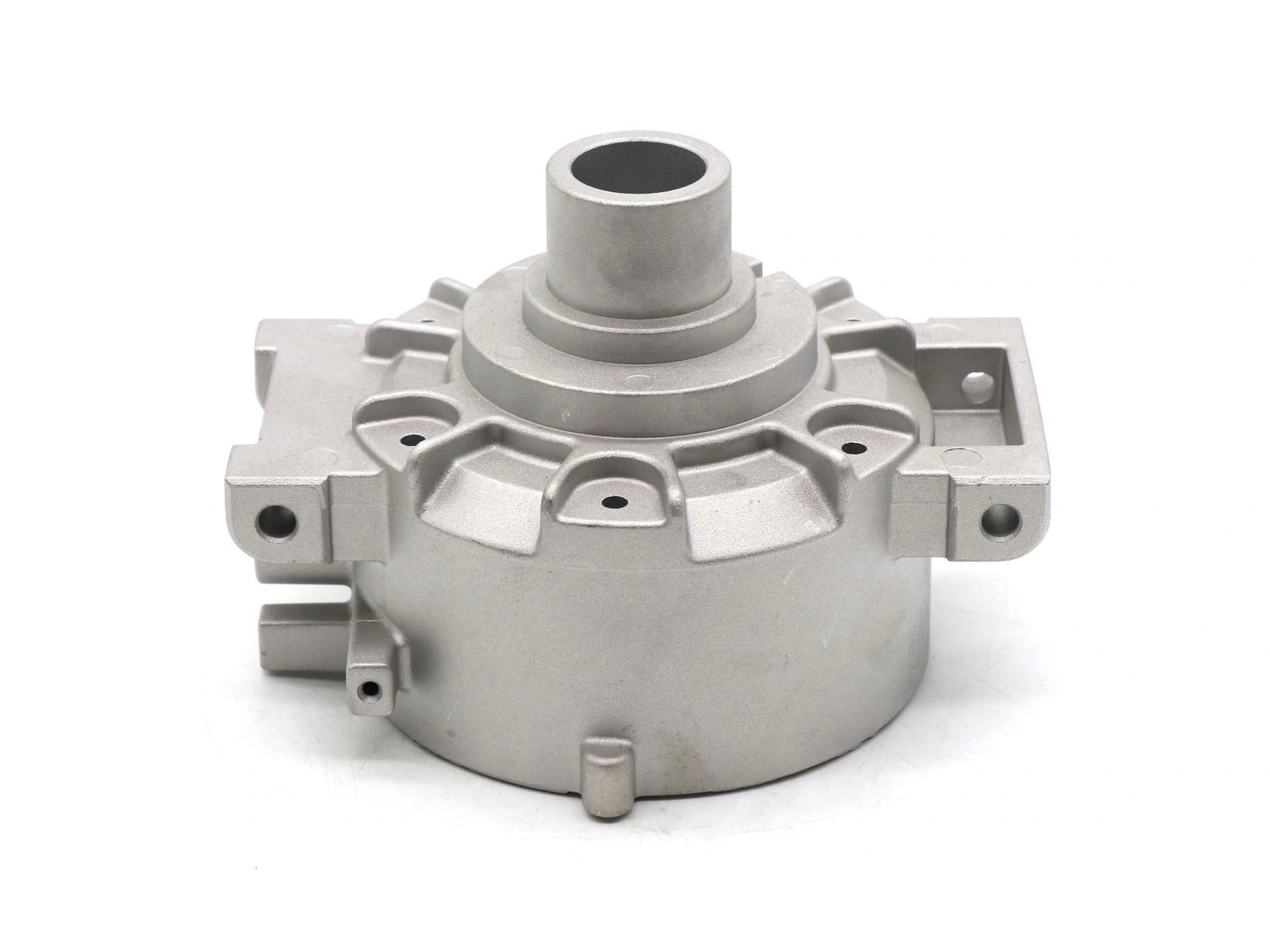
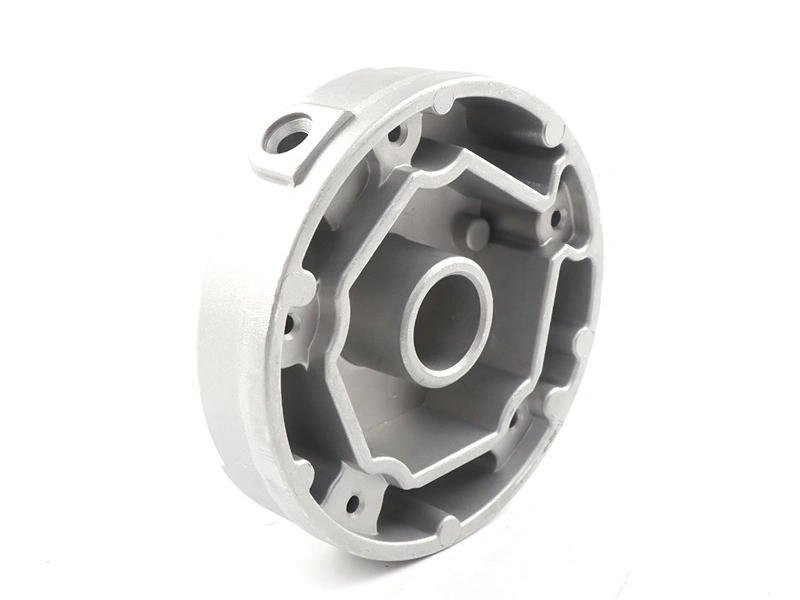
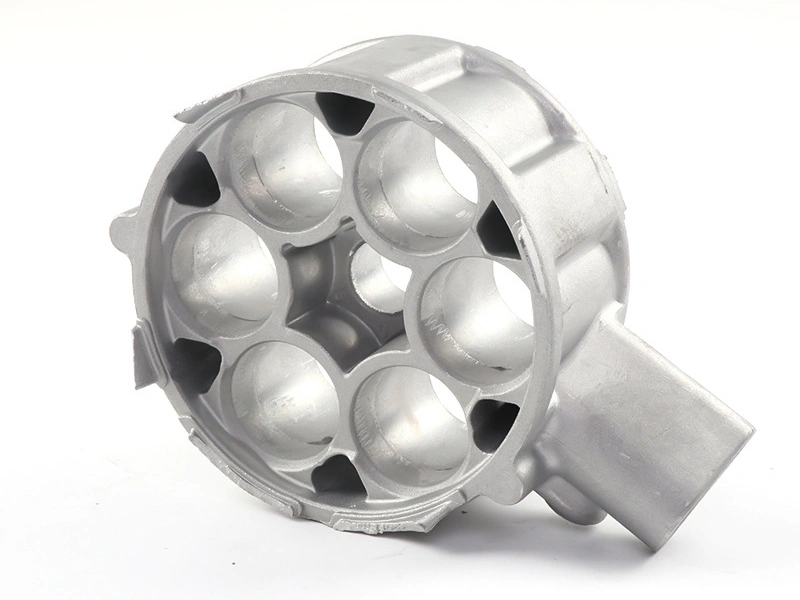
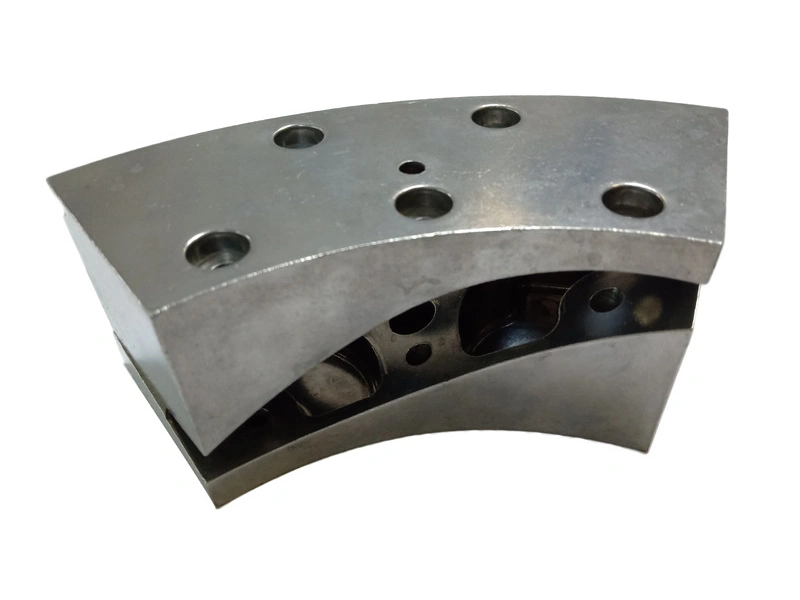
This FAQ is useful for machined high pressure die casting aluminum parts. Raw castings may look acceptable before machining, but pores can become visible after CNC machining if tooling, flow and critical surfaces are not planned together.
1. Identify Critical Machined Areas Before Tooling
Critical Area | What Buyers Should Confirm | Risk if Porosity Appears |
|---|---|---|
Sealing faces | Flatness, roughness, machining depth and porosity acceptance | Leakage, pressure failure or functional rejection |
Threaded holes | Thread size, depth, machining allowance and strength requirement | Weak threads and fastening failure |
Bearing holes | Diameter, roundness, surface finish and inspection method | Unstable fit and performance risk |
Datum surfaces | Fixture reference, machining reference and inspection reference | Batch dimensional variation |
2. Coordinate Tooling, Venting and Machining Allowance
Porosity control requires coordination between die casting, tool and die making and CNC machining after aluminum die casting. The machining team should join the review before mold design is finalized.
Process Planning Item | What It Controls | Buyer Benefit |
|---|---|---|
Gate and venting review | Air release and defect movement away from critical features | Reduces pores in machined areas |
Machining allowance | Stock for cleaning up holes, faces and datums | Reduces rejected machined surfaces |
Fixture positioning | Stable locating during CNC machining | Improves repeatability |
Inspection method | How machined surfaces, pores and functional areas are judged | Reduces quality disputes |
3. Validate Machined Surfaces During Trial Samples
Trial samples should not be approved only as raw castings. Buyers should validate machined surfaces, sealing faces, threaded holes, flat contact faces and assembly fit before releasing production.
Validation Item | What Buyers Should Check | Risk Reduced |
|---|---|---|
Trial sample machining | Whether real CNC machining exposes porosity or surface defects | Late discovery after batch production |
Pressure or assembly test | Whether sealing or functional surfaces perform correctly | Leakage and assembly failure |
Coating or finishing result | Whether finishing makes pores or surface defects more visible | Appearance rejection and rework |
4. Compare Machined Surface Risk Across Materials
A custom metal casting service review can also compare aluminum with zinc die casting machined parts or copper die casting machined features when the buyer has different functional, precision or material requirements.
5. Summary
Porosity Reduction Step | Main Purpose |
|---|---|
Identify sealing faces, threaded holes and datum surfaces | Protect critical functional areas before tooling |
Coordinate gate design, venting and machining allowance | Reduce pore exposure after CNC machining |
Validate trial sample machining | Detect porosity before production release |
Use proper inspection and test methods | Confirm sealing, assembly and surface acceptance |
In summary, buyers can reduce porosity exposure on machined high pressure die casting aluminum parts by planning critical machined areas before tooling. The supplier should coordinate mold design, venting, machining allowance, CNC validation and inspection before batch production.