How Can Buyers Review a Manufacturer’s Tooling and Trial Sample Process?
How Can Buyers Review a Manufacturer’s Tooling and Trial Sample Process?
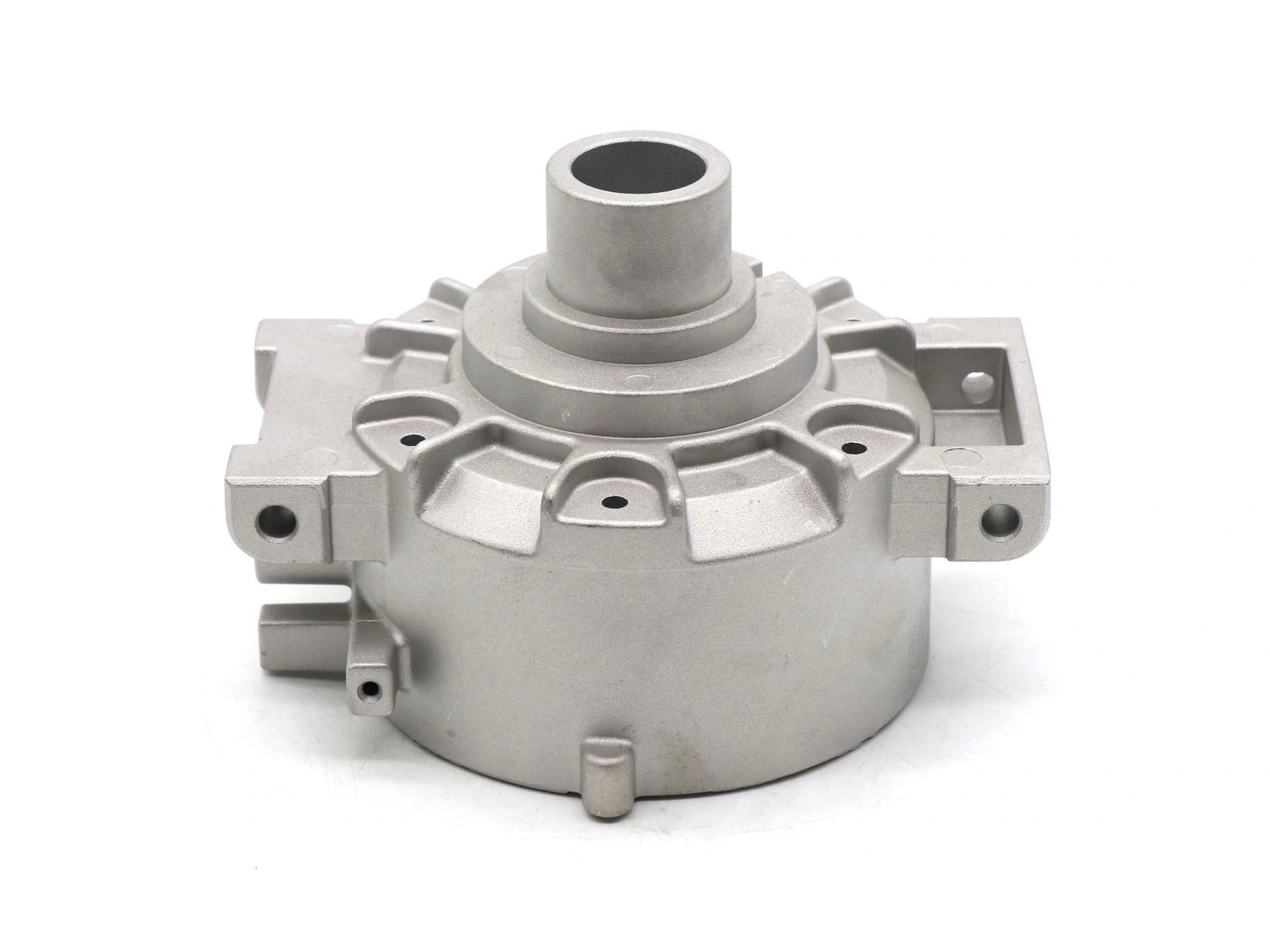
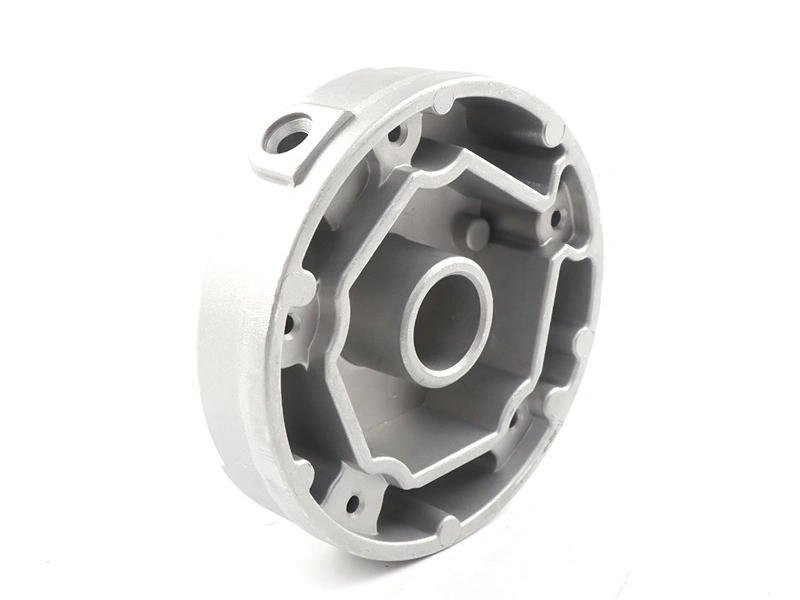
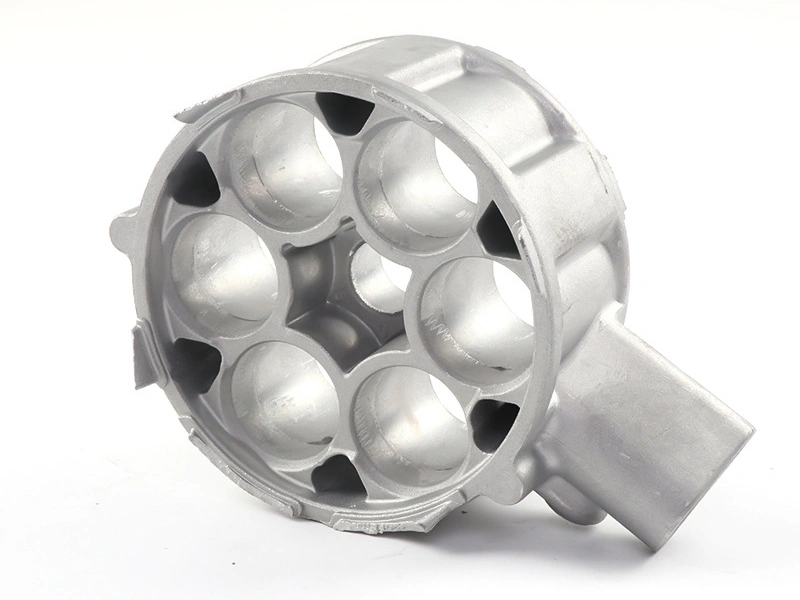
Buyers can review an aluminum die casting manufacturer’s tooling and trial sample process by checking whether DFM review is completed before tooling, whether the manufacturer can explain gate, runner, venting and cooling design, whether ejector pin and parting line positions are planned, whether CNC machining allowance is confirmed and whether trial samples include dimensional reports.
Aluminum die casting trial samples are not only used to check whether the part looks acceptable. They are used to judge whether the manufacturer can coordinate tooling, casting, CNC machining allowance and inspection before batch production.
1. Review DFM Before Tooling Starts
DFM Review Item | What Buyers Should Check | Risk Reduced |
|---|---|---|
Wall thickness and ribs | Whether thick areas, thin walls, ribs and bosses are suitable for casting | Shrinkage, porosity and weak structure |
Draft angle and ejection | Whether the part can release from the mold without drag marks or damage | Trial sample surface damage |
Machining allowance | Whether stock is reserved for holes, threads, sealing faces and datum surfaces | Machined surfaces failing to clean up |
Cosmetic surfaces | Whether visible areas are marked before gate and ejector planning | Appearance disputes after sampling |
2. Review Tooling Design Explanation
A manufacturer should be able to explain tool and die making decisions clearly. Buyers should not only ask whether the mold can be made, but why the tooling structure supports production stability.
Tooling Area | What the Manufacturer Should Explain | Why It Matters |
|---|---|---|
Gate and runner design | How molten aluminum fills the cavity and where gate marks will appear | Controls filling quality, flow marks and trimming risk |
Venting design | How trapped air is released during filling | Reduces porosity and incomplete filling |
Cooling design | How cooling is balanced around thick and thin sections | Controls shrinkage, warpage and cycle stability |
Ejector pin and parting line | Where ejector marks and parting lines will appear on the part | Reduces cosmetic and assembly surface risks |
3. Review Trial Sample Results
Trial samples should be reviewed with dimensional data, surface condition, machining results and tooling correction suggestions. A sample that looks good visually may still fail production if key dimensions, machined features or assembly surfaces are unstable.
Trial Sample Review Item | What Buyers Should Ask For | Buyer Value |
|---|---|---|
Dimensional report | Critical dimensions, datums, holes, threads and flatness areas | Confirms sample accuracy before approval |
Sample issue explanation | Root cause of shrinkage, pores, flash, burrs or surface marks | Shows manufacturer problem-solving capability |
Tooling correction suggestion | Proposed mold changes, process adjustment or machining changes | Reduces repeated sample failure |
Small batch validation | Dimension and quality consistency across more than one sample | Confirms production readiness |
4. Compare Tooling Support Across Casting Routes
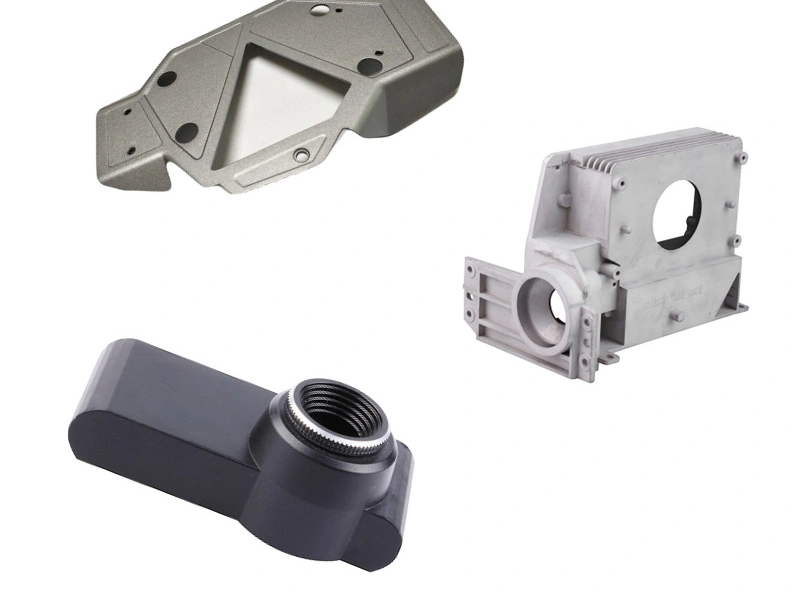
Tooling review can also help buyers compare aluminum projects with zinc die casting tooling or copper alloy die casting tooling. Different materials have different filling behavior, tooling temperature requirements, machining needs and surface quality risks.
5. Summary
Buyers Should Review | Main Purpose |
|---|---|
DFM before tooling | Reduce design, casting and machining risks before mold making |
Gate, runner, venting and cooling design | Confirm that tooling supports stable casting quality |
Ejector pin and parting line planning | Protect cosmetic surfaces and functional areas |
Trial sample reports | Verify dimensions, machining, surface quality and sample stability |
Tooling correction suggestions | Judge whether the manufacturer can improve issues before production |
In summary, buyers should use the tooling and trial sample stage to verify whether an aluminum die casting manufacturer can control mold design, casting quality, machining allowance, inspection and small-batch stability. Trial samples should be treated as production validation, not only visual approval.