How Can Buyers Set Critical Tolerances Without Over-Machining Aluminum Parts?
How Can Buyers Set Critical Tolerances Without Over-Machining Aluminum Parts?
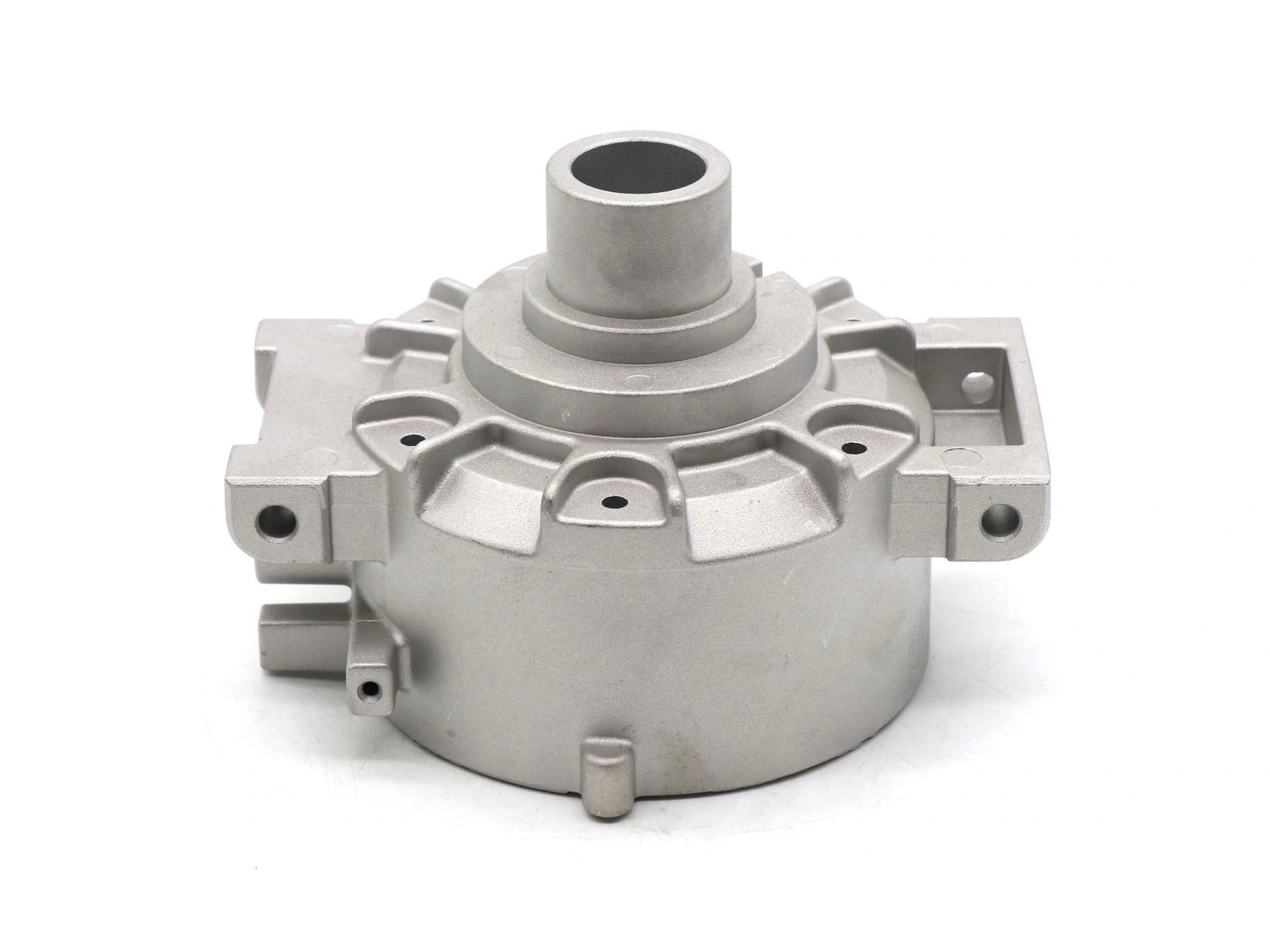
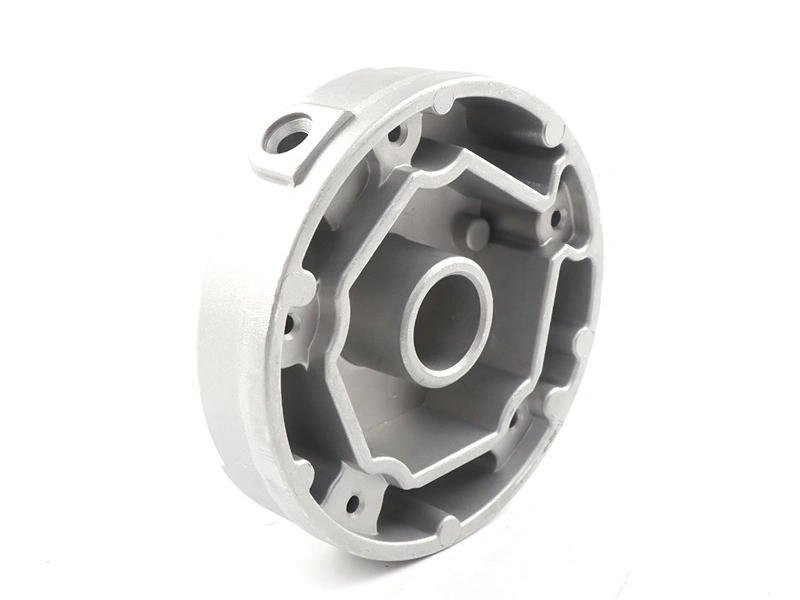
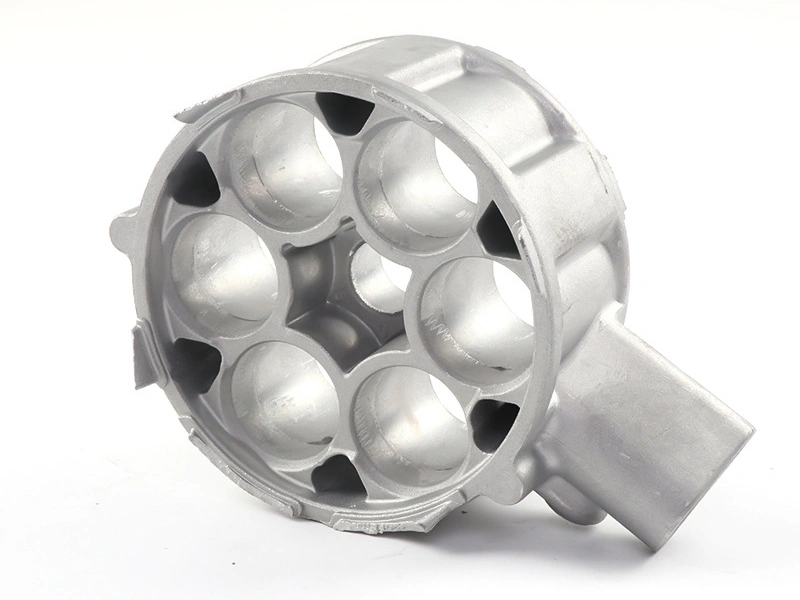
Buyers can set critical tolerances for die cast aluminum parts without over-machining by applying tight tolerance only to functional features such as threaded holes, mounting holes, sealing faces, datum surfaces, bearing holes, locating features, flatness-controlled areas and assembly interfaces.
Die cast aluminum parts do not need every dimension controlled to CNC machining standards. When buyers separate critical tolerances from non-critical dimensions, they can reduce machining time, fixture complexity, inspection cost and production rework.
1. Apply Tight Tolerance Only to Functional Features
Critical Feature | Why Tight Tolerance May Be Needed | Typical Control Method |
|---|---|---|
Threaded holes | Thread quality affects fastening and assembly reliability | |
Mounting holes | Hole position affects alignment with mating parts | Drilling, reaming, tapping or fixture-based machining |
Sealing faces | Flatness and roughness affect leakage control | Face milling and surface inspection |
Datum surfaces | Datums control machining, inspection and assembly reference | Machined datum surfaces and clear drawing callouts |
Bearing holes | Roundness, size and surface finish affect bearing fit | Boring, reaming and precision inspection |
2. Keep Non-Critical Areas As-Cast When Possible
Non-critical areas can often use normal casting tolerance, as-cast surface, cosmetic-only surface, coating-ready surface or non-functional surface requirements. This avoids unnecessary machining on areas that do not affect product function.
Non-Critical Area | Recommended Approach | Cost Benefit |
|---|---|---|
Non-functional surfaces | Keep as-cast if they do not affect fit or function | Reduces machining time |
Hidden internal surfaces | Use normal casting tolerance when possible | Reduces inspection workload |
Cosmetic-only surfaces | Use finishing instead of unnecessary CNC machining | Controls surface cost |
Coating-ready surfaces | Prepare for coating or painting without full machining | Reduces total process time |
3. Plan Machining Allowance Before Tooling
Die casting tooling must leave enough machining allowance for critical areas. If allowance is not planned before mold making, the final part may fail to clean up, expose pores or require mold modification.
Allowance Planning Item | Why It Matters | Risk if Missing |
|---|---|---|
Machined holes | Need enough stock for final size and position | Hole defects or out-of-tolerance dimensions |
Flatness-controlled faces | Need enough material to create a stable machined plane | Failed flatness or exposed porosity |
Datums | Need stable references for fixtures and inspection | Unstable batch measurement |
4. Compare Critical Tolerance Needs Across Materials
Critical tolerance planning also differs by material. Zinc die casting precision features may focus on small detailed parts, holes and cosmetic features. Copper die casting machined features may focus more on conductive contact surfaces, wear areas and functional faces. A custom metal casting service review helps buyers choose the best tolerance strategy.
5. Summary
Tolerance Planning Decision | Recommended Approach |
|---|---|
Threaded holes and mounting holes | Use CNC machining and clear tolerance callouts |
Sealing faces and datum surfaces | Control flatness, roughness, location and inspection method |
Non-functional areas | Use normal casting tolerance or as-cast surface when possible |
Cosmetic-only surfaces | Use finishing standards instead of unnecessary full machining |
Machining allowance | Plan before tooling to reduce rework and scrap |
In summary, buyers should apply tight tolerances only where function requires them. By separating critical features from non-critical areas, buyers can reduce CNC machining time, fixture complexity, inspection cost and batch production risk.